

When you first welcome a baby weaver bird into your care, one of the biggest questions you might have is: What should you feed this tiny, vibrant creature? Providing the right nutrition is crucial for its growth and development.
You want your little feathered friend to thrive and spread its wings with health and vitality. By choosing the right diet, you ensure your baby weaver bird not only survives but thrives. In this guide, you’ll discover simple and effective feeding tips that will make you feel confident and prepared.
Stick around, and you’ll learn exactly what fuels their amazing journey from hatchling to full-fledged weaver bird.

Credit: www.youtube.com
Baby Weaver Bird Diet Basics
Feeding a baby weaver bird requires care and knowledge. Their diet must support strong growth and good health. Understanding the basics helps ensure these tiny birds thrive. Their food should mimic what they get in the wild as closely as possible. A balanced diet provides energy and nutrients essential for development.
Nutritional Needs
Baby weaver birds need protein for muscle growth. Insects are a natural source, such as small mealworms or crickets. Soft fruits like mashed bananas and berries provide vitamins and minerals. Seeds alone do not meet their full nutritional needs.
Calcium is crucial for strong bones and feathers. Sprinkle crushed eggshells or use a calcium supplement. Fresh water must always be available. Avoid foods high in salt or sugar, as they harm the bird’s health.
Feeding Frequency
Newborn baby weaver birds eat very often. Feeding every 20 to 30 minutes during daylight hours is best. As they grow, the interval between feedings can increase. Gradually reduce feeding to about 5 to 6 times daily by three weeks old.
Feed enough food to satisfy hunger but avoid overfeeding. Monitor their weight and activity for signs of good health. Consistent feeding helps prevent stress and supports steady growth.
Suitable Foods For Baby Weavers
Choosing the right foods for baby weaver birds is crucial for their growth and health. These tiny birds need a balanced diet that supports their rapid development and boosts their immune system. Understanding what to feed them helps you provide the best care from day one.
Insects And Protein Sources
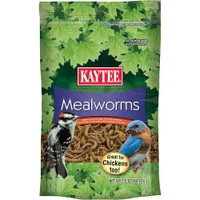
Baby weavers need plenty of protein to build strong muscles and feathers. Soft-bodied insects like mealworms, small crickets, and fruit flies are excellent choices. You can offer these live or finely chopped to make eating easier for the chicks.
Proteins don’t just come from insects; boiled egg yolk mashed into tiny bits also works well. This protein boost helps baby weavers stay active and healthy. Have you noticed how quickly your baby birds grow after adding extra protein?
Fruits And Vegetables
Fresh fruits and vegetables provide essential vitamins and minerals for baby weaver birds. Small pieces of ripe banana, apple (without seeds), and soft berries are gentle on their tiny beaks. Leafy greens like spinach or kale finely chopped can also add variety and nutrients.
Remember to wash all fruits and veggies thoroughly to avoid pesticides or chemicals. Introducing a colorful mix keeps your baby weaver interested and ensures they get a range of nutrients. What fruits do your baby weavers seem to enjoy the most?
Seeds And Grains
Seeds and grains are a staple in a weaver bird’s diet but need to be softened for babies. Soaking millet, small seeds, or cracked grains in water makes them easier to eat and digest. You can also mix these with a bit of baby bird formula to create a nutritious mash.
Start with small amounts and watch how your baby weavers respond to new textures. This step prepares them for a natural diet as they grow older. Have you tried different seed combinations to find what your birds prefer?
Preparing Food For Feeding
Feeding a baby weaver bird requires careful preparation of its food. The right texture and nutrients help the bird grow strong and healthy. Preparing food properly ensures the baby bird can eat easily without choking or discomfort. Different foods need different preparation methods to suit the baby’s needs.
Softening Seeds And Grains
Seeds and grains are a main part of a weaver bird’s diet. Dry seeds can be hard for a baby bird to eat. Soften them before feeding.
- Soak seeds in warm water for 2-3 hours.
- Drain excess water to avoid mess.
- Test softness by gently pressing seeds with fingers.
- Use a fine mesh or cloth to rinse seeds thoroughly.
Softened seeds are easier to digest and reduce choking risks.
Making Insect Paste
Insects provide essential protein for baby weaver birds. Fresh insects are best but not always available. Make a smooth insect paste as a substitute.
- Collect small insects like mealworms or crickets.
- Blanch insects briefly in boiling water to kill bacteria.
- Blend insects with a little water until smooth.
- Mix with mashed grains for balanced nutrition.
Insect paste mimics natural food and supports healthy growth.
Safe Fruit Preparation
Fruits add vitamins and moisture to the baby bird’s diet. Choose soft fruits like bananas or papayas. Prepare fruits carefully to avoid harm.
- Wash fruits thoroughly to remove pesticides.
- Peel fruits to remove tough skins.
- Mash fruits into small, smooth pieces.
- Remove seeds and pits to prevent choking.
Proper fruit preparation keeps the baby bird safe and nourished.
Feeding Techniques
Feeding a baby weaver bird requires care and the right techniques. Proper feeding helps the bird grow strong and healthy. Different stages need different approaches. Knowing these feeding techniques ensures the baby bird gets enough nutrition.
Hand-feeding Tips
Hand-feeding helps build trust between you and the bird. Use a soft, clean cloth or your finger to feed gently. Offer small amounts of food at a time. Warm the food slightly to make it easier to swallow. Feed the baby slowly to avoid choking. Always clean your hands before feeding.
Using Feeding Tools
Feeding tools make the process easier and safer. Use a small syringe or dropper for precise feeding. Avoid using sharp or large tools that can hurt the bird. Sterilize the tools before each use. Hold the baby bird carefully but firmly. Deliver food slowly into the side of the mouth.
Encouraging Self-feeding
Encourage the baby bird to eat on its own as it grows. Place soft food on a shallow dish or plate. Offer small seeds and insects in the bird’s cage. Show the bird how to peck and pick up food. Be patient and keep the feeding area clean. Gradually reduce hand-feeding as the bird learns.
Common Feeding Mistakes
Feeding a baby weaver bird can be rewarding, but it’s easy to make mistakes that affect their health and growth. Many well-meaning bird owners unintentionally cause problems by not paying close attention to the quantity, quality, and type of food offered. Understanding common feeding mistakes helps you avoid pitfalls and ensures your little bird thrives.
Overfeeding Risks
You might think feeding more is better, but overfeeding can lead to serious health issues. Baby weaver birds can develop obesity and digestive problems if given too much food or if fed too frequently.
Watch for signs like lethargy or difficulty flying, which can indicate overfeeding. A good practice is to offer small amounts frequently rather than large portions at once.
Have you noticed your bird leaving uneaten food behind? That’s a red flag that you need to reduce the quantity.
Avoiding Harmful Foods
Not all food is safe for baby weaver birds. Foods high in salt, sugar, or fat can harm your bird’s delicate system.
Stay clear of avocado, chocolate, caffeine, and any processed human food. Even some seeds and fruits may be toxic or cause choking if not prepared correctly.
Always research each new food before feeding it to your bird. Have you double-checked your bird’s diet lately to remove potential dangers?
Recognizing Allergies
Allergies in baby weaver birds may not be obvious at first, but they can cause discomfort and health decline. Watch for symptoms like sneezing, swelling, or unusual feather loss after introducing new foods.
Introduce one new food at a time and observe your bird carefully for several days. This approach helps you pinpoint any allergic reactions quickly.
Have you ever seen your bird react poorly to a treat you thought was safe? Identifying allergies early saves you from bigger problems down the road.

Credit: www.ladygouldianfinch.com
Signs Of Healthy Growth
Watching your baby weaver bird grow is exciting, but knowing what signs indicate healthy development is crucial. Healthy growth means your little bird is thriving and ready for a strong future. Let’s look at how you can tell if your baby weaver is on the right track.
Weight Gain Monitoring
Regularly checking your baby weaver’s weight gives clear insight into its health. A steady increase is a good sign, but sudden drops or no change could indicate a problem. Use a small, accurate scale and weigh your bird at the same time each day to track progress.
Keep a simple chart to note daily weights. This helps you spot patterns or issues early. Have you noticed your bird’s weight staying the same for days? That’s a cue to reassess its diet or consult an expert.
Feather Development
Feathers are more than just pretty plumes; they tell a story of your baby weaver’s well-being. Healthy birds develop smooth, shiny feathers that grow evenly across their bodies. Patchy or dull feathers may mean nutritional gaps or illness.
Observe the bird daily, especially during molting phases. Are feathers emerging as expected? If you see unusual feather loss or slow growth, it’s time to check feeding routines and environment. Quality food rich in protein supports feather growth significantly.
Activity Levels
A lively baby weaver usually signals good health. Active birds chirp, move around, and respond to their surroundings eagerly. Low energy or excessive sleeping might hint at stress, poor nutrition, or illness.
Encourage activity by providing a safe, stimulating environment. Watching your bird explore and interact can reassure you it’s developing well. Does your baby weaver respond to your voice or movements? Engagement is a strong indicator of vitality.
Transitioning To Adult Diet
Transitioning a baby weaver bird to an adult diet is a key stage in its growth. This change helps the bird develop strong health and good eating habits. The shift should be smooth to avoid stress and digestive issues. A careful plan supports the bird’s natural needs and preferences.
Gradual Food Changes
Start by mixing the baby food with adult bird food. Slowly increase the amount of adult food over several days. Watch the bird’s reaction to new foods. Avoid sudden swaps to prevent stomach upset. Patience is important during this phase.
Introducing Variety
Include different seeds, grains, and fresh fruits. Offer small pieces of leafy greens and vegetables. Variety helps provide more nutrients and keeps the bird interested in food. Change the types of food regularly to mimic natural diets. Observe which foods the bird prefers and adjust accordingly.
Maintaining Balanced Nutrition
Ensure the diet contains protein, vitamins, and minerals. Use high-quality bird seed mixes designed for weaver birds. Fresh water should always be available. Avoid foods high in salt, sugar, or fat. Balanced nutrition supports the bird’s growth and energy levels.
Credit: www.petsradar.com
Frequently Asked Questions
What Is The Best Food For Baby Weaver Birds?
Baby weaver birds thrive on a diet of soft insects, soaked seeds, and finely chopped fruits. These foods provide essential nutrients for growth and development. Avoid hard seeds initially to prevent choking and promote healthy digestion.
How Often Should Baby Weaver Birds Be Fed?
Feed baby weaver birds every 2 to 3 hours during the day. Frequent feeding ensures they receive enough nutrients for rapid growth. Gradually reduce feeding frequency as they mature and start eating independently.
Can Baby Weaver Birds Eat Fruits And Vegetables?
Yes, baby weaver birds can eat soft fruits like bananas and apples. Vegetables should be finely chopped and offered sparingly. These foods supplement their diet with vitamins and minerals but should not replace their primary protein sources.
When Can Baby Weaver Birds Start Eating Solid Food?
Baby weaver birds can start solid foods around 2 weeks old. Introduce softened seeds and insects gradually to encourage self-feeding. Monitor their progress to ensure they transition smoothly without digestive issues.
Conclusion
Feeding a baby weaver bird is simple with the right food. Offer soft, small seeds and insects for good growth. Fresh water is important every day. Avoid giving harmful or hard foods to protect their health. Watch the baby bird closely to see what it likes.
Patience and care help the baby thrive. A happy, healthy weaver bird starts with proper feeding. Keep learning about their needs for the best care.