

Ever found yourself humming the timeless melody of “Feed the Birds”? You’re not alone.
This beloved song from Disney’s “Mary Poppins” has captured the hearts of audiences for generations. But have you ever wondered when exactly this iconic tune graces the film? Understanding its placement can deepen your appreciation and emotional connection to the movie.
Imagine knowing just the right moment to anticipate the song’s gentle notes, enhancing your viewing experience. Stay with us as we dive into the significance of “Feed the Birds” and why its timing in the movie matters. You’ll discover how this simple tune holds the power to evoke emotion and nostalgia in viewers like you.

Credit: uk.feathersnapcam.com
Origins Of Feed The Birds
The song “Feed the Birds” holds a special place in the hearts of many, but its origins carry deeper meaning than just a beautiful melody. Understanding where this song comes from reveals layers of history and storytelling that enrich its significance. Whether you’re a fan of Mary Poppins or just curious about the song’s background, knowing its roots adds a new dimension to your experience.
Song’s Role In Mary Poppins
“Feed the Birds” is more than just a tune in the Mary Poppins soundtrack; it acts as a powerful emotional anchor within the story. The song encourages kindness, compassion, and simple acts of generosity, which are central themes throughout the film. When you listen closely, you’ll notice how it gently reminds both characters and viewers to value small, selfless deeds.
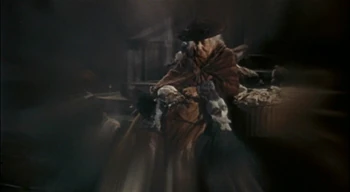
In one key scene, the song is sung by the mysterious old bird woman, who offers breadcrumbs to the pigeons. This moment quietly teaches the children—and you—that even small acts of care can have great meaning. It’s a gentle nudge to pause and reflect on the everyday opportunities you have to help others.
Historical Inspirations
The inspiration behind “Feed the Birds” draws from real-life stories and broader social concerns of the early 20th century. The song’s theme echoes the charitable spirit seen in London’s streets, where people often fed birds as a simple act of kindness amidst hardship. This practice was common enough to be noticed and valued as a symbol of hope and charity.
Songwriter Richard M. Sherman reportedly drew from his own childhood memories and observations to craft the song’s heartfelt lyrics. Have you ever witnessed a small act of kindness that stayed with you? These moments often inspire the most enduring art, just as they did here.
Understanding these historical roots challenges you to consider how small gestures in your own life might carry unexpected weight. What simple acts could you begin to “feed” in your daily routine that might brighten someone’s day?
Key Scenes Featuring The Song
The song “Feed the Birds” appears at crucial moments in the story. It highlights important themes and emotions. Each scene where the song plays adds depth to the characters and the plot. The melody stays with the audience, making the moments unforgettable.
The Rooftop Encounter
One of the most memorable scenes with “Feed the Birds” happens on a rooftop. The main character meets an old woman who feeds pigeons. She shares wisdom about kindness and charity. The song plays softly in the background, creating a calm and reflective mood. This scene connects the character to a larger message about caring for others.
Emotional Impact On Characters
“Feed the Birds” touches the hearts of several characters. It brings out feelings of hope and compassion. The song helps them see what truly matters in life. It also reminds them to be gentle and generous. This emotional moment helps the characters grow and change.
Timing In Different Adaptations
The timing of the song “Feed the Birds” varies across different adaptations. Each version places the song at a unique moment to fit its story flow. This changes how the audience feels and understands the message.
Some versions use the song early to set a gentle tone. Others place it later to highlight a character’s growth. These choices reflect the mood and pacing of each adaptation.
1964 Film Version
In the 1964 film, “Feed the Birds” appears near the middle. It serves as a quiet pause amid the excitement. The song deepens the connection between Mary Poppins and the children. It also introduces the theme of kindness and care.
Stage Musical Variations
Stage versions often change the song’s timing for dramatic effect. Some place it early to build emotion quickly. Others move it closer to the end for a touching finale. The live setting allows flexibility in when and how it is sung.
Recent Remakes
Recent remakes sometimes shift the song to fit new story angles. It may appear during key moments of reflection. This helps modern audiences relate to the message. The timing often matches the film’s updated tone and style.
Symbolism And Themes
The song “Feed the Birds” carries deep meaning beyond its simple melody. It explores important ideas about how we treat others and ourselves. The themes in this song invite listeners to think about kindness and the purity of childhood. These themes make the song memorable and touching for many people.
Compassion And Kindness
“Feed the Birds” shows the power of small acts of kindness. Giving food to birds becomes a symbol for caring about others. It teaches that helping even the smallest creatures matters. Compassion is not just for people but for all living things.
The song reminds us to be gentle and thoughtful. It suggests that kindness can bring peace and happiness. This message encourages listeners to show care in daily life. Simple actions can make a big difference.
Connection To Childhood Innocence
The song connects to feelings of childhood innocence and wonder. Feeding birds is a pure, simple act often linked to childhood memories. It reflects a time when the world felt safe and magical.
This connection helps listeners remember their own youth. The song invites a return to those gentle, hopeful moments. It captures a sense of trust and love that often fades with age.
Cultural Impact And Legacy
The song “Feed the Birds” holds a special place in many hearts. Its cultural impact stretches far beyond the original film. The song’s gentle message about kindness and care has inspired people for decades. It remains a symbol of compassion and hope in popular culture.
Its legacy continues through various performances and references. Artists and fans keep the spirit of the song alive. This section explores how “Feed the Birds” has shaped culture and left a lasting mark.
Memorable Performances
Many artists have performed “Feed the Birds” over the years. Their versions highlight the song’s emotional depth. These performances often bring new feelings to the classic tune.
- Julie Andrews’ original rendition is timeless and heartfelt.
- Live concerts and tribute shows keep the song relevant.
- Cover versions by popular singers introduce it to new audiences.
Each performance adds a unique touch. The song’s message remains clear and touching every time.
Influence On Popular Culture
“Feed the Birds” appears in many forms of media. It is used in films, TV shows, and commercials. This shows the song’s broad appeal and timeless nature.
The song has inspired art and storytelling. Its theme of kindness influences writers and creators worldwide.
- References in movies highlight its emotional power.
- Parodies and homages keep it fresh and relevant.
- Merchandise and memorabilia celebrate the song’s legacy.
Its simple message continues to inspire acts of kindness everywhere.

Credit: www.threads.com
Credit: disney.fandom.com
Frequently Asked Questions
When Do Birds Usually Sing To Be Fed?
Birds typically sing early in the morning and late afternoon. These times signal feeding activity and help them attract mates or warn others. Singing also strengthens social bonds and marks their feeding territory.
Why Do Birds Sing Before Feeding Time?
Birds sing before feeding to communicate with their flock and establish territory. The songs help coordinate feeding schedules and alert others about food sources. This behavior increases their chances of finding food efficiently.
How Does Feeding Affect Bird Song Patterns?
Feeding influences when and how often birds sing. Well-fed birds may sing less, focusing on rest, while hungry birds sing more to attract mates or defend territory. Song patterns reflect their energy levels and environmental conditions.
What Types Of Birds Sing To Signal Feeding?
Songbirds like robins, sparrows, and finches commonly sing to signal feeding. Their songs serve as communication tools within flocks. These vocalizations help maintain social order and improve feeding success.
Conclusion
Birds sing “Feed the Birds” mostly in the morning and evening. These times are when birds feel safe and active. The song helps them find food and communicate with others. Watching birds sing can bring calm and joy. Remember, feeding birds gently supports their natural habits.
Enjoy their songs as a simple way to connect with nature. Keep feeding birds regularly to hear their melodies often. Their singing shows a healthy and happy bird community.