

Have you ever stumbled upon a tiny, chirping blue jay baby bird and wondered what to feed it? You’re not alone.
Many people find themselves in this situation, eager to help but unsure of what to do next. Feeding a baby bird can seem daunting, but with the right guidance, you can ensure this little one gets the nutrients it needs to thrive.
We’ll dive into what you can feed a blue jay chick, ensuring you’re equipped with the knowledge to care for these charming creatures. Stick with us, and you’ll discover not just the right foods, but also the secret to helping your feathered friend grow strong and healthy. Your newfound understanding could make all the difference in the world for this delicate bird. Ready to become a blue jay hero? Let’s get started!
Blue Jay Baby Diet Basics
Feeding a Blue Jay baby bird needs care and attention. Their diet shapes their growth and health. Understanding what they need helps you provide the right foods. Baby Blue Jays require a balanced mix of nutrients. These support their rapid development and strong immune system.
Nutritional Needs
Blue Jay babies need protein for muscle and feather growth. They also need fats for energy and brain development. Vitamins and minerals help their bones and overall health. Water is crucial to keep them hydrated and healthy.
Protein sources include insects and small seeds. Healthy fats come from nuts and seeds. Vitamins come from fruits and green plants. A mix of these foods supports their natural diet in the wild.
Food Types To Avoid
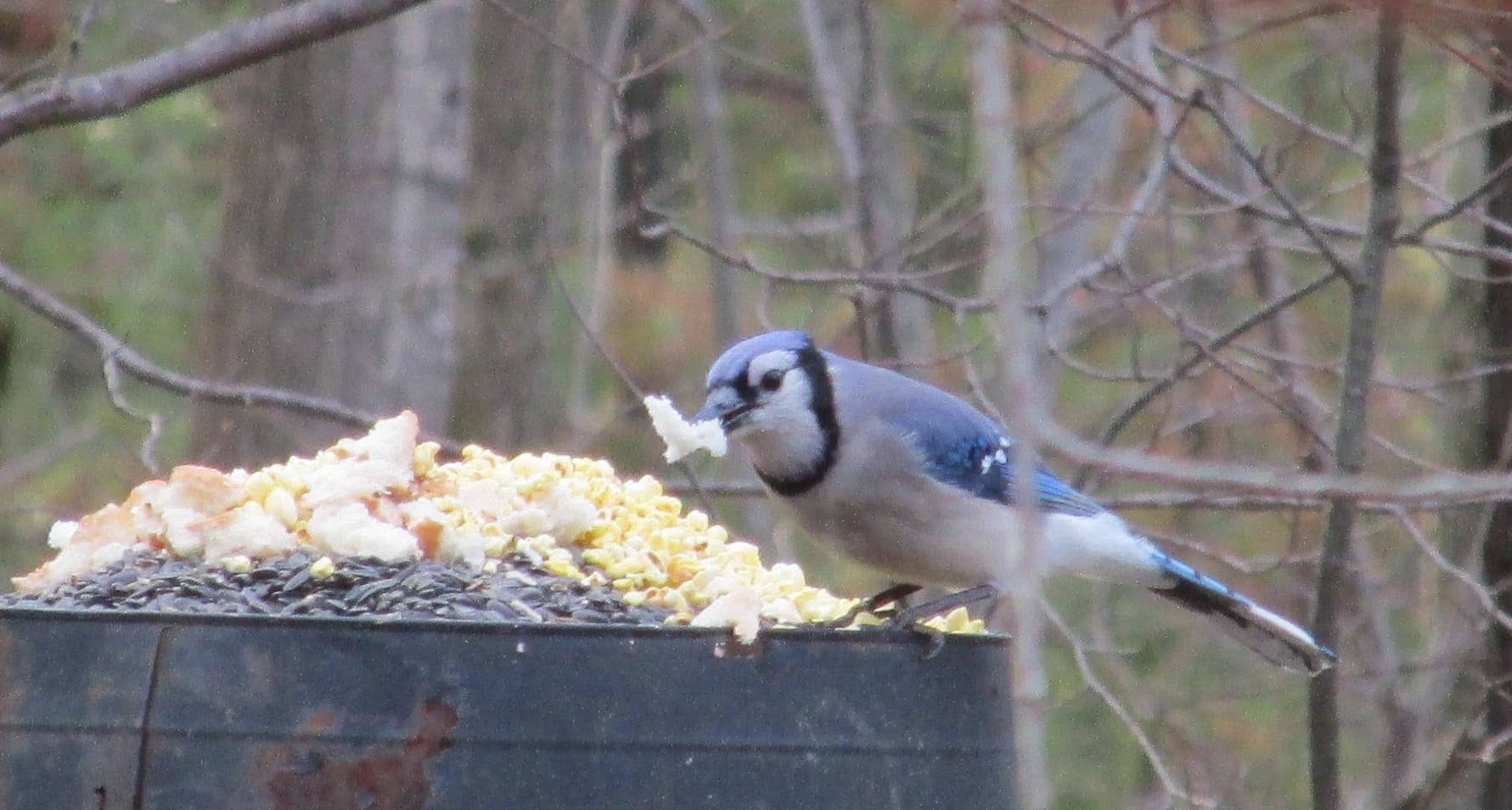
Do not feed Blue Jay babies processed or sugary foods. Avoid bread and junk food as they lack nutrients. Dairy products can upset their digestion. Do not offer salty or spicy foods, as they harm the birds. Raw beans and avocado are toxic to Blue Jays.
Stick to natural, fresh foods to keep baby Blue Jays safe and growing strong.
Credit: owlcation.com
Best Foods For Blue Jay Chicks
Feeding blue jay chicks the right foods helps them grow strong and healthy. Their diet should include a mix of proteins, fruits, and insects. These foods supply essential nutrients for their development.
Protein Sources
Protein is key for muscle and feather growth. Offer soft, easy-to-digest options such as:
- Boiled eggs, finely chopped
- Cooked chicken, shredded
- Mealworms or commercial bird food with high protein
- Small amounts of cottage cheese
Fruits And Vegetables
Fruits and vegetables provide vitamins and minerals. Choose fresh and soft pieces like:
- Mashed berries (blueberries, strawberries)
- Soft apple slices without seeds
- Cooked carrots or peas, mashed
- Banana pieces
Insects And Larvae
Insects supply natural nutrients and fats. Safe options include:
- Mealworms
- Crickets
- Butterfly larvae
- Small caterpillars
Feeding Techniques
Feeding a baby Blue Jay requires more than just offering the right food; it demands careful attention to how and when you feed them. The feeding techniques you use can impact their growth and overall health significantly. Understanding the right frequency and method ensures your little bird thrives under your care.
How Often To Feed
Baby Blue Jays need frequent feeding to support their rapid growth. Typically, you should feed them every 30 to 60 minutes from dawn until dusk. Missing a feeding can stress the chick and slow down its development.
As they get older, the time between feedings can gradually increase. Watch for signs like less begging or slower eating to adjust the schedule. Are you ready to dedicate this level of attention every day?
Proper Feeding Methods
Using the right feeding technique is crucial to avoid harming the chick. Always use a small, soft tool like a syringe or tweezers to deliver food gently into the baby’s mouth. Be careful not to force the food or overfill their throat, which can cause choking.
Keep the food at room temperature; cold or hot food can upset the bird’s digestive system. Offer small, manageable bites and allow the bird to swallow before giving more. Have you noticed how patience during feeding can make the process smoother for both you and the bird?
Homemade Food Recipes
Feeding a baby Blue Jay requires care and attention to their dietary needs. Homemade food recipes offer a safe and nutritious way to support their growth. Using fresh ingredients ensures they get the right vitamins and proteins for healthy development.
Preparing food at home lets you control the texture and ingredients. This helps mimic what Blue Jays naturally eat in the wild. Homemade meals are softer and easier for baby birds to digest. They also reduce the risk of harmful additives or preservatives found in store-bought mixes.
Simple Mixes For Baby Birds
- Crushed hard-boiled egg yolk mixed with soaked dog kibble creates a rich protein base.
- Mashed ripe banana combined with finely ground oats offers energy and fiber.
- Cooked peas and corn pureed with a small amount of water add vitamins and moisture.
- Plain yogurt mixed with finely chopped mealworms provides probiotics and protein.
These blends should be smooth and moist to avoid choking. Always test the texture before feeding.
Storage And Preparation Tips
- Store homemade mixes in airtight containers in the refrigerator.
- Use fresh batches daily to avoid spoilage and bacteria growth.
- Warm the food slightly before feeding to mimic natural body temperature.
- Clean all feeding tools and containers thoroughly after each use.
Proper preparation and storage keep baby Blue Jays safe and healthy. Freshness is key to preventing illness and ensuring good nutrition.
Common Feeding Mistakes
Feeding a baby Blue Jay can feel overwhelming, especially if you want to do it right. However, some common feeding mistakes can harm more than help. Knowing what to avoid is just as important as knowing what to feed.
Overfeeding And Underfeeding
Giving too much food can cause choking or digestive issues in a baby Blue Jay. On the other hand, underfeeding can lead to malnutrition and stunted growth. Pay attention to the bird’s cues—if it turns away or slows its eating, it may be full.
Try offering small amounts frequently rather than large quantities at once. Have you noticed how quickly they open their mouths when they’re truly hungry? That’s your signal to feed, but don’t force-feed beyond that point.
Using Unsafe Foods
Not all foods are safe for baby Blue Jays. Feeding bread, processed foods, or anything with salt and sugar can cause health problems. Even natural foods like avocado and chocolate are toxic to birds.
Stick to natural options like insects, soaked dog kibble, or small pieces of fruits and nuts. Have you checked the ingredients of what you plan to feed? Avoid anything unfamiliar without researching it first.
Credit: www.startribune.com
Signs Of Healthy Growth
Watching a baby Blue Jay grow is truly rewarding. Knowing the signs of healthy growth helps you make sure your little bird is thriving. You’ll spot changes not just in size but in behavior and activity levels, which are just as important.
Physical Development Milestones
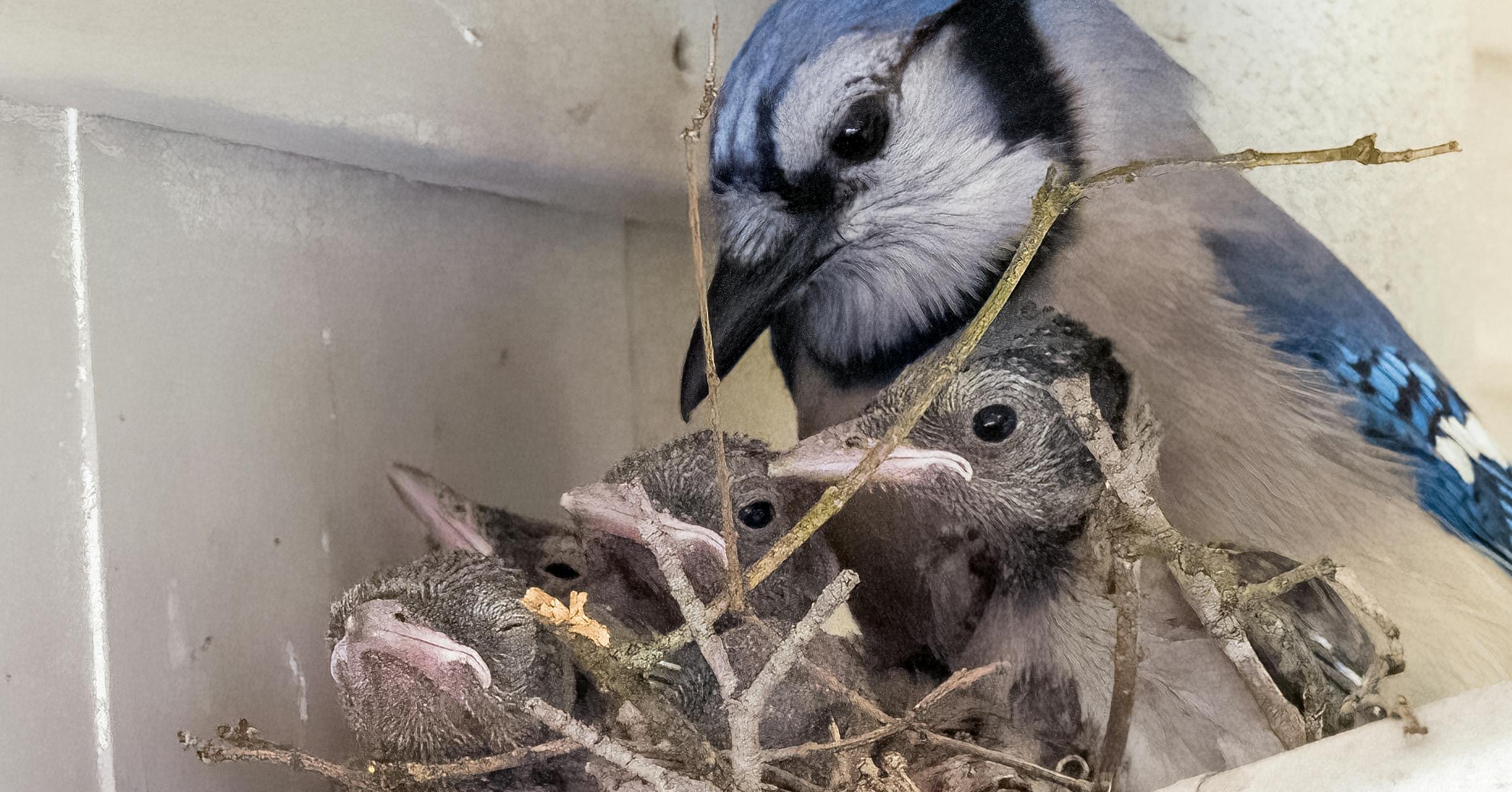
Healthy baby Blue Jays show steady progress in size and feather growth. Their downy fluff gradually turns into vibrant blue feathers. You should notice their wings getting stronger and more proportional to their body.
Weight gain is another key sign—if your chick feels heavier and firmer, it’s likely getting enough nutrition. Check their eyes too; bright, clear eyes indicate good health. Weak or droopy posture might mean something is wrong, so keep an eye out.
Behavioral Indicators
Behavior reveals a lot about your baby Blue Jay’s health. Healthy babies are alert and responsive to sounds and movement. They will often beg for food energetically and react quickly when you approach.
Watch how they interact with siblings if you have more than one. Active movement, such as stretching wings and hopping around the nest, shows strong muscles and good energy. If your chick is unusually quiet or lethargic, it might need extra care.
Have you noticed how your Blue Jay baby changes after feeding? A lively, vocal response usually means it’s satisfied and thriving. These small behaviors help you track progress beyond just physical growth.
When To Seek Expert Help
Knowing when to seek expert help is crucial for a baby Blue Jay’s survival. Some situations require professional care beyond home feeding. Early action can prevent serious harm or death. Recognizing signs of distress helps protect the young bird.
Health Concerns
Look for these warning signs in the baby Blue Jay:
- Weakness or inability to stand
- Labored breathing or constant panting
- Visible injuries or bleeding
- Unusual lethargy or unresponsiveness
- Refusal to eat or swallow
- Fluffed up feathers for long periods
These symptoms indicate illness or injury needing expert care. Prompt attention can save the bird’s life.
Finding Wildlife Rehabilitators
Certified wildlife rehabilitators have the skills to care for baby birds. They provide proper nutrition and medical treatment. Contact local animal control or wildlife agencies for referrals. Many areas have organizations specializing in wild bird rescue.
Keep the bird safe and warm during transport. Avoid giving food or water unless instructed by experts. Quick professional help improves recovery chances significantly.

Credit: www.youtube.com
Frequently Asked Questions
What Do Baby Blue Jays Eat Initially?
Baby Blue Jays primarily eat protein-rich insects like caterpillars, beetles, and spiders. These provide essential nutrients for growth.
Can I Feed A Blue Jay Chick With Human Food?
Avoid feeding human food to Blue Jay chicks. Stick to natural foods like insects, nuts, and fruits to ensure their health.
How Often Should I Feed A Baby Blue Jay?
Feed baby Blue Jays every 20 to 30 minutes during daylight. Frequent feeding supports their rapid growth and development.
Is It Safe To Give Milk To Blue Jay Babies?
Never give milk to Blue Jay babies. Birds cannot digest dairy, and it may cause serious health issues.
Conclusion
Feeding a baby blue jay takes patience and care. Offer soft, protein-rich foods often. Keep their environment safe and quiet. Watch them grow stronger every day. Remember, their diet changes as they age. Healthy feeding helps them thrive in the wild.
Enjoy watching these beautiful birds develop. Caring for them brings great satisfaction. Stay consistent and gentle throughout the process. A healthy start means a bright future.