
You’ve just found an injured baby bird, and you’re probably feeling a mix of compassion and concern. What do you do next?
Your heart wants to help, but knowing exactly how can be overwhelming. Feeding it the wrong thing might do more harm than good. This article is here to guide you through what to feed an injured baby bird, ensuring you provide the care it desperately needs.
We’ll simplify the process, so you can focus on nurturing this tiny creature back to health. Ready to make a difference and possibly save a life? Let’s delve into the essentials that will empower you with the knowledge to be a bird’s hero today.
Identifying The Bird’s Species
Identifying the species of an injured baby bird is crucial before feeding. Different birds have different diets and nutritional needs. Feeding the wrong food may harm the bird or slow its recovery. Observing the bird’s physical features helps in species identification. This step ensures the baby bird receives the right care and food.
Observe Physical Characteristics
Look at the bird’s size and shape carefully. Notice its beak shape and color. Feathers can show patterns or colors unique to the species. Wing length and tail shape also give clues. These details help narrow down the bird’s family or type.
Check For Local Bird Guides
Use a bird guidebook or an online resource. Match your bird’s features with pictures and descriptions. Local guides focus on birds found in your area. This makes identification easier and more accurate. Keep the guide handy during your observation.
Listen To The Bird’s Calls
Baby birds sometimes make sounds unique to their species. Listen closely and note the pitch and pattern of calls. Comparing calls with recordings can help identify the bird. Sound clues add another layer to physical observation.
Consult Wildlife Experts
Contact local wildlife rehabilitators or bird watchers. Share photos and descriptions for expert advice. Experts can confirm your identification or guide you further. This step ensures the baby bird gets proper care quickly.
Assessing The Bird’s Condition
Assessing an injured baby bird’s condition is the first step in providing proper care. Understanding its state helps decide the best feeding and treatment approach. Quick and careful observation can prevent worsening of injuries and improve survival chances.
Look for visible signs of injury or distress. Check if the bird moves, breathes normally, or shows any bleeding. These clues guide urgent care needs.
Checking For Physical Injuries
Examine the bird gently for wounds or broken wings. Look for swelling, cuts, or bruises. Avoid handling roughly to prevent more harm.
Observing Breathing And Alertness
Watch the bird’s breathing pattern. It should be steady and quiet. Notice if the bird is alert or lethargic. A weak bird needs immediate help.
Identifying Signs Of Dehydration
Dehydration is common in injured birds. Check if the skin feels dry or loose. Pinch the skin lightly; it should spring back quickly.
Assessing Hunger And Feeding Ability
See if the bird opens its mouth when you approach. A hungry bird will show eagerness to eat. Note if it can swallow or struggles to feed.
Safe Temporary Housing
Providing safe temporary housing for an injured baby bird is crucial to its recovery. The right environment helps reduce stress and prevents further injury while you arrange for professional care. Creating a secure, warm, and quiet space can make all the difference in the bird’s healing process.
Choosing The Right Container
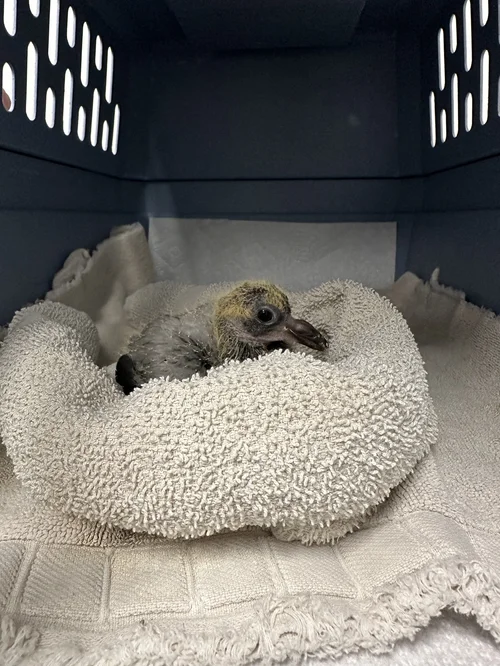
Use a small box or a ventilated plastic container with holes for airflow. The container should be large enough for the bird to move slightly but not so big that it can hurt itself by flapping or falling. Line the bottom with soft cloth or paper towels to cushion the bird and keep it warm.
Maintaining Warmth
Baby birds cannot regulate their body temperature well, so warmth is essential. Place a heating pad under half of the container or use a warm water bottle wrapped in a towel. This setup allows the bird to move away if it gets too hot, giving it control over its comfort.
Ensuring Quiet And Calm
Place the container in a quiet, dimly lit area away from pets, children, and loud noises. Stress can worsen the bird’s condition, so keeping the environment calm helps it stay relaxed. Avoid handling the bird too much to reduce anxiety.
Providing Easy Access To Food And Water
While housing the bird, make sure food and water are easy to reach but won’t spill and create a mess. Use shallow dishes or small containers that won’t tip over. Keep in mind that injured birds may not be able to eat or drink properly on their own, so professional help is important.
Have you ever paused to think how something as simple as the right box can impact a tiny bird’s survival? Your quick, thoughtful action in providing safe housing can be the first step toward saving a life.
Credit: www.theraptortrust.org
Suitable Food Options
Choosing the right food for an injured baby bird can be challenging but crucial for its recovery. The food must be easy to digest, nutritious, and close to what the bird would naturally eat. Understanding the best options will help you provide proper care and improve the bird’s chances of healing quickly.
Insect-based Diets
Many baby birds naturally eat insects, making them a great food choice for injured chicks. You can offer small, soft insects like mealworms, crickets, or fruit flies. These provide essential proteins and fats that support growth and energy.
If you don’t have live insects, try using freeze-dried ones rehydrated with water to make them easier to eat. Remember to chop larger insects into tiny pieces to avoid choking. Have you considered how closely matching a baby bird’s natural diet can speed up its recovery?
Soft Fruits And Vegetables
Soft fruits and vegetables can supplement an injured baby bird’s diet, especially if it struggles with solid foods. Mashed bananas, cooked peas, or soft berries offer vitamins and hydration. Avoid citrus fruits or anything too acidic, as they might upset the bird’s stomach.
Make sure to mash or puree the fruits and vegetables thoroughly to a smooth texture. This helps the baby bird swallow easily without distress. Could adding natural, gentle foods improve the bird’s appetite and comfort during healing?
Commercial Baby Bird Formulas
Commercial baby bird formulas are designed to meet the nutritional needs of growing birds and are often the safest option for injured birds. These formulas come in powder form and can be mixed with warm water to create a smooth, easy-to-feed meal. They provide balanced nutrients including proteins, fats, vitamins, and minerals.
Using a commercial formula reduces the guesswork and risk of nutritional deficiencies. Always follow the instructions on the package for preparation and feeding. Have you tried these formulas before, and how did they affect the bird’s recovery process?
Feeding Techniques
Feeding an injured baby bird requires gentle care and precise techniques. The way you feed impacts its recovery and overall well-being. Understanding proper tools, timing, and portion control can make a big difference in helping the bird heal.
Proper Feeding Tools
Choosing the right tools is essential for safe feeding. A small, soft-tipped syringe or an eyedropper works well to deliver food without harming the bird’s delicate beak.
Using tweezers can help you place food carefully if the bird is able to swallow on its own. Avoid using forks or spoons that might cause injury or stress.
Have a shallow dish ready for formula or soft foods to mimic natural feeding. Cleanliness is crucial—always sterilize tools before each feeding to prevent infections.
Feeding Frequency
Baby birds need frequent, small meals to stay nourished. Depending on their age and injury severity, feeding every 20 to 30 minutes during daylight hours might be necessary.
Watch for signs of hunger like opening the mouth wide or chirping. But don’t rush to feed if the bird seems full or inactive—it needs rest too.
Maintaining a consistent schedule helps build trust and stabilizes the bird’s metabolism. Have you noticed how some birds refuse food when stressed? Patience is key.
Avoiding Overfeeding
Overfeeding can cause serious health problems, including choking or digestive issues. Only offer as much as the bird can comfortably swallow at a time.
If food remains in the mouth or spills out, it’s a sign to pause. Resist the urge to force-feed; it might do more harm than good.
Keep track of the bird’s weight and adjust portions accordingly. Asking yourself, “Is the bird gaining weight steadily?” can guide your feeding amounts.
Hydration Tips
Keeping an injured baby bird hydrated is crucial for its recovery. Birds lose water quickly and need steady fluids. Dehydration can worsen their condition fast. Use gentle methods to provide water safely. Avoid forcing water, which may cause choking. Observe the bird’s response closely. Small amounts of fluid often work best.
Using A Syringe For Controlled Hydration
A small syringe helps deliver water gently. Use lukewarm, clean water for best results. Place the syringe tip near the bird’s beak. Slowly drip water without squirting. Let the bird swallow at its own pace. Repeat in small doses to avoid choking.
Hydrating With Electrolyte Solutions
Electrolyte solutions restore essential minerals and fluids. Mix a bird-safe electrolyte powder with water. Offer this mix using a syringe or dropper. It helps replenish salts lost through stress or injury. Use only products designed for birds or small animals.
Providing Moist Food For Extra Hydration
Soft, moist foods can add hydration naturally. Soak bird-appropriate foods in water before feeding. Examples include soaked dog kibble or mashed fruits. Feeding moist food reduces the need for direct water. It also provides nutrients for healing.
Signs Of Proper Hydration To Watch For
- Bright, alert eyes
- Moist mouth and tongue
- Regular swallowing movements
- Healthy skin elasticity
- Steady breathing without gasps
Check these signs often to ensure the bird stays hydrated. Adjust fluid amounts based on its reactions.
When To Contact A Wildlife Rehabilitator
Knowing when to contact a wildlife rehabilitator is vital for an injured baby bird’s survival. These professionals have the skills and tools to care for wild birds properly. Trying to care for an injured baby bird without experience may harm it further.
Recognizing the signs that need expert help can save time and improve the bird’s chance of recovery. Some injuries or conditions require immediate attention from a rehabilitator.
Signs Of Serious Injury
- Visible broken bones or bleeding
- Bird is weak and cannot stand or fly
- Swelling or deformities on the body
- Unresponsive or unconscious bird
Abandoned Or Orphaned Baby Birds
- Birds found alone without any parent nearby for several hours
- Featherless or very young birds that cannot survive alone
- Birds in unsafe places like roads or busy areas
Signs Of Illness Or Distress
- Bird is breathing heavily or gasping for air
- Excessive drooling or discharge from eyes or nose
- Repeated attempts to vomit or show signs of pain
- Lethargy or lack of response to touch
When Immediate Help Is Needed
- Bird is caught by a pet or predator
- Severe wounds or bleeding that does not stop
- Bird is cold and shivering for a long time
Contacting a wildlife rehabilitator quickly ensures the injured bird receives proper care. Avoid feeding or giving water unless guided by experts. Keep the bird safe in a quiet, warm place until help arrives.

Credit: www.youtube.com
Common Mistakes To Avoid
Feeding an injured baby bird is a delicate task that requires care and attention. Many well-meaning people make mistakes that can harm the bird instead of helping it. Understanding what to avoid is just as important as knowing what to feed.
Feeding The Wrong Type Of Food
Baby birds have specific dietary needs depending on their species and age. Giving bread, milk, or seeds can cause serious health problems. For instance, milk can upset their digestion, and bread offers no nutritional value.
Ask yourself: Is this food natural for a baby bird? Sticking to soft, protein-rich options like soaked dog kibble or finely chopped insects is safer.
Overfeeding Or Underfeeding
It’s easy to think more food means faster recovery, but overfeeding can cause choking or aspiration pneumonia. On the other hand, underfeeding leads to weakness and slows healing.
Watch the baby bird’s cues carefully. If it stops opening its mouth eagerly, it’s time to pause. Are you giving small, frequent meals rather than large ones?
Ignoring Hydration Needs
Dehydration is a common problem in injured baby birds, yet many neglect to ensure proper water intake. Simply feeding food without offering water can worsen their condition.
Use a dropper to offer small amounts of water between feedings. Have you noticed if the bird’s skin feels dry or if it’s lethargic? These signs point to dehydration.
Handling The Bird Excessively
While feeding, excessive handling can stress the bird and cause further injury. Injured birds need calm and gentle care, not constant movement.
Limit handling to feeding times only. How often are you picking up the bird? Minimizing contact helps with recovery.
Feeding Without Proper Preparation
Offering food that’s too cold, too dry, or not mashed properly can harm a baby bird’s fragile throat. Food should be warm and soft to mimic what a parent bird provides.
Have you warmed the food to body temperature? Using a blender or finely chopping the food makes swallowing easier and safer.

Credit: www.reddit.com
Frequently Asked Questions
What Is The Best Food For An Injured Baby Bird?
The best food for an injured baby bird is a soft, high-protein diet. You can offer soaked dog kibble, mealworms, or mashed boiled eggs. Avoid bread or milk, as they can harm the bird. Always consult a wildlife rehabilitator for specific care.
How Often Should I Feed An Injured Baby Bird?
Feed an injured baby bird every 15 to 20 minutes during daylight hours. Young birds need frequent feeding for energy and healing. Do not overfeed; watch for signs of fullness. Feeding intervals may increase as the bird grows stronger.
Can I Give Water Directly To A Baby Bird?
Do not give water directly to a baby bird. They can easily aspirate and drown. Instead, provide moisture through their food or use a syringe carefully if advised by a professional. Hydration is vital but must be managed cautiously.
Should I Handle An Injured Baby Bird Often?
Limit handling to reduce stress and injury risk. Handle only during feeding or cleaning. Too much handling can delay healing and cause fear. Always wash your hands before and after to prevent infections.
Conclusion
Feeding an injured baby bird takes care and patience. Offer soft, easy-to-digest foods in small amounts. Avoid giving bread or milk, as they harm the bird. Keep the bird warm and safe while feeding. Contact a wildlife expert for the best help.
Every little effort can help the bird heal. Caring for a baby bird is a gentle, kind act. Small steps make a big difference in its recovery. Stay calm, observe the bird’s needs carefully. Your care could save a tiny life.