

Are you worried about what to feed those tiny hatchling birds you’ve just discovered? It’s a common concern, especially when you’re eager to give them the best start in life.
You’re not alone in wanting to ensure these fragile creatures get the right nutrition. But what exactly do they need to thrive? Understanding their dietary needs is crucial, and with the right guidance, you can play a vital role in their development.
Dive into our guide, and uncover simple yet effective feeding tips that will not only ease your worries but also turn you into a hatchling care expert. Ready to make a difference? Let’s get started!
Credit: www.kwikpets.com
Types Of Hatchling Birds
Hatchling birds vary widely in how they grow and what they eat. Understanding the types of hatchling birds helps in providing the right food. Some birds are born helpless and need full care. Others are more independent from birth. Their food needs also differ greatly. Feeding hatchlings the correct diet is key to their survival and growth.
Altricial Vs Precocial Species
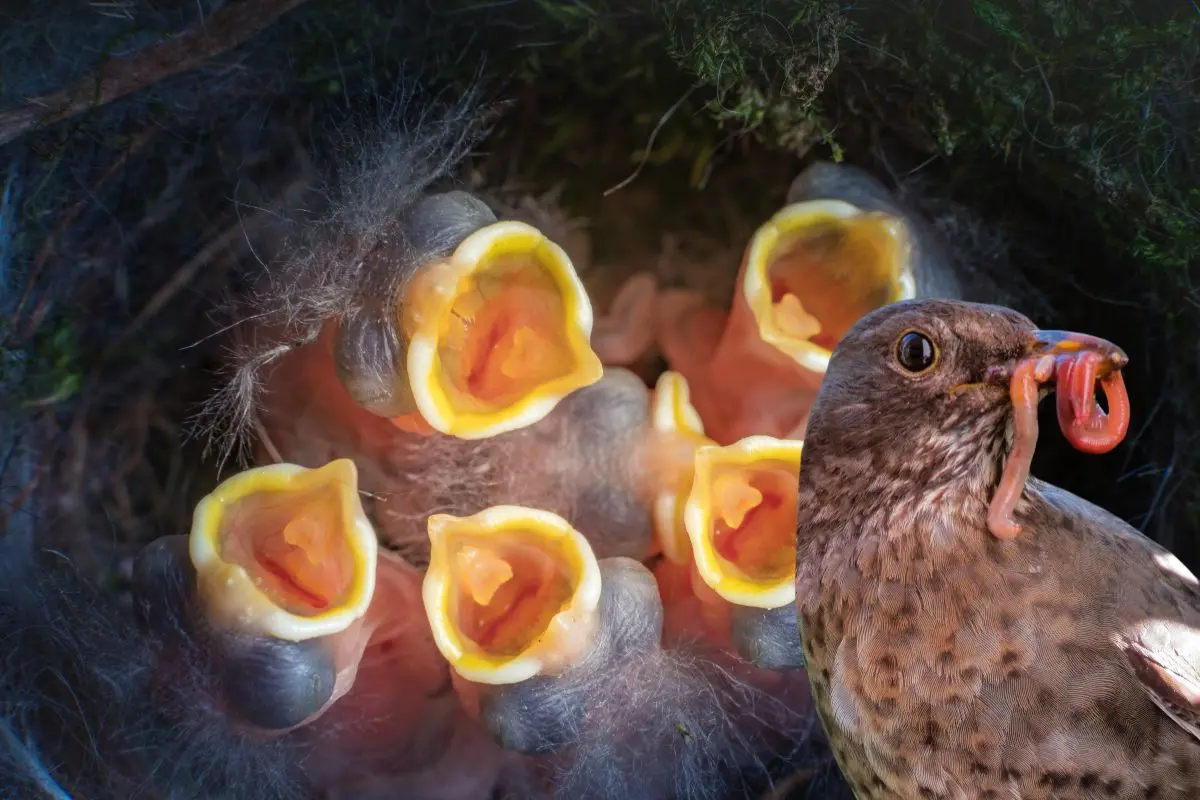
Altricial hatchlings are born blind, featherless, and weak. They rely completely on their parents for warmth and food. These birds need soft, high-protein food. Common examples include songbirds and hawks.
Precocial hatchlings are born with feathers and open eyes. They can move and feed themselves shortly after birth. These birds eat more varied food, including seeds and insects. Ducks and chickens are typical precocial birds.
Dietary Needs By Species
| Species Type | Typical Diet | Feeding Tips |
|---|---|---|
| Songbirds (Altricial) | Insects, worms, soft fruits | Feed small, soft pieces frequently |
| Raptors (Altricial) | Small mammals, insects, meat | Provide protein-rich, finely chopped food |
| Ducks (Precocial) | Seeds, insects, small plants | Offer a mix of grains and protein |
| Chickens (Precocial) | Grains, insects, greens | Provide balanced feed with grains and veggies |
Nutritional Requirements
Hatchling birds need specific nutrients to grow strong and healthy. Their diet must support rapid development and immune system strength. Meeting their nutritional requirements ensures better survival and proper feather growth.
Protein Sources
Protein is essential for building muscles and tissues. Hatchlings require high-quality protein that is easy to digest. Good sources include:
- Insects like mealworms and crickets
- Boiled eggs, finely chopped
- Soft, cooked lean meats in small pieces
- Commercially available bird formulas designed for hatchlings
Protein supports energy and helps repair body cells quickly.
Vitamins And Minerals
Vitamins and minerals keep hatchling birds healthy and active. Vitamin A, D, and calcium are important for bone and feather growth. Provide sources such as:
- Finely chopped leafy greens
- Small amounts of fruit for vitamin C
- Calcium supplements or crushed eggshells
- Commercial bird vitamin mixes, if available
These nutrients support strong bones, good eyesight, and overall development.
Hydration Needs
Water is crucial for all bodily functions in hatchlings. They lose water quickly and need constant hydration. Offer small amounts of clean, fresh water frequently. Avoid drowning risks by:
- Using a shallow dish or dropper
- Moistening their food slightly
- Keeping the feeding area clean and dry
Proper hydration helps digestion and keeps their body temperature stable.
Safe Food Options
Feeding hatchling birds requires careful choice of safe and nutritious foods. Their tiny bodies need gentle, easy-to-digest meals that support fast growth. Providing the right food helps prevent illness and ensures strong development. Avoid offering anything harmful or hard to digest.
Here are some safe food options that nourish hatchling birds well. These choices mimic what they would naturally eat in the wild. Always prepare food in small, manageable pieces and avoid seasonings or additives.
Insects And Worms
Insects and worms are rich in protein and easy to digest. They provide essential nutrients for muscle and feather growth. Suitable choices include:
- Mealworms
- Crickets
- Waxworms
- Earthworms
Make sure the insects are fresh and pesticide-free. Chop larger insects into small bits for tiny hatchlings.
Fruits And Vegetables
Fruits and vegetables add vitamins and moisture to the diet. Soft, ripe fruits work best. Examples include:
- Mashed bananas
- Chopped apples (without seeds)
- Steamed carrots
- Cooked peas
Avoid citrus fruits and anything too hard. These foods should be finely chopped or mashed.
Commercial Bird Formulas
Commercial bird formulas are designed for hatchlings. They contain balanced nutrients to support growth. Look for products labeled for baby birds or hand-feeding. Follow package instructions carefully. These formulas are easy to prepare and safe to use.
Feeding Techniques
Feeding hatchling birds takes patience and care. You need to learn the right techniques to ensure they get enough nutrition without causing harm. How often and how much you feed, the tools you use, and avoiding common pitfalls all affect your success in raising healthy birds.
Frequency And Amount
Newly hatched birds require frequent feedings—sometimes every 15 to 20 minutes during daylight hours. Their tiny stomachs hold little, so giving small amounts often is better than large meals. Watch for signs of fullness; a bulging crop means it’s time to pause feeding.
As they grow, you can gradually space out feedings to every 30 minutes or an hour. Overfeeding can cause digestive problems, so it’s important to adjust the amount based on the bird’s size and age. Have you noticed how quickly a hungry hatchling opens its beak? That’s your cue to feed promptly but carefully.
Feeding Tools And Methods
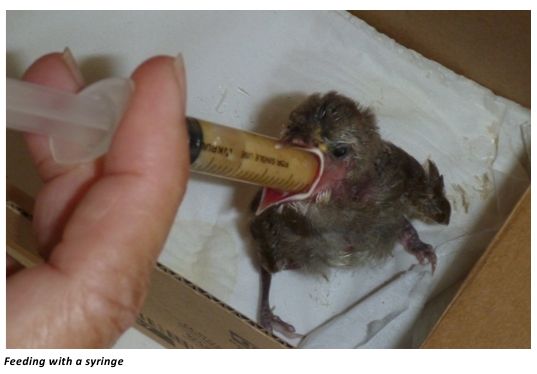
Using the right tools makes feeding easier and safer. Many people use small syringes or eyedroppers to control the amount of food given. Tweezers or small spoons can help place the food gently into the bird’s mouth without forcing it.
Some experienced bird carers prefer using a tiny paintbrush for very young hatchlings to stimulate feeding behavior gently. Always warm the food to about body temperature before feeding—cold food can cause shock. Have you tried different tools? Finding what works best for your hatchling can make a big difference.
Avoiding Common Mistakes
One common mistake is feeding food that is too thick or large, which can cause choking or crop infections. Always prepare food with the right consistency—smooth and easy to swallow. Another error is feeding too quickly or stuffing the bird’s mouth, which can lead to aspiration.
Never feed wild hatchlings unless you are certain about their needs; improper feeding can do more harm than good. Keep the feeding area clean to prevent infections. If you notice any unusual behavior like lethargy or refusal to eat, seek advice from a wildlife rehabilitator immediately.
Signs Of Healthy Growth
Watching hatchling birds grow is a rewarding experience, but how do you know if they’re thriving? Recognizing the signs of healthy growth can guide you to adjust feeding and care to meet their needs. It’s not just about weight gain; growth shows up in many ways.
Physical Development
One clear sign of healthy hatchlings is steady physical growth. Their feathers should start to come in evenly, looking soft and clean rather than patchy or dull. You’ll notice their eyes opening fully and brightening, which means they’re alert and developing well.
Check their weight regularly; a healthy hatchling gains weight daily. Their legs and feet should become stronger, able to support light movement. If you see these changes, you’re likely feeding them right.
Behavioral Indicators
Healthy hatchlings show noticeable behavior changes as they grow. They begin to respond more to sounds and movements around them, signaling good neurological development. You might observe increased activity, like stretching wings or gentle chirping when fed.
Are your hatchlings eager during feeding time? A strong feeding response often means they have good energy levels. If they seem lethargic or uninterested, that’s a sign to reconsider their diet or environment.
Credit: besgroup.org
When To Seek Expert Help
Knowing when to seek expert help is crucial for the well-being of hatchling birds. Some signs mean the bird needs professional care immediately. Acting quickly can save its life and prevent serious health problems.
Health Concerns
Hatchling birds may show signs of illness that require expert attention. Watch for these symptoms:
- Lethargy or weakness
- Difficulty breathing or unusual breathing sounds
- Swollen or closed eyes
- Persistent crying or distress
- Visible injuries or bleeding
- Refusal to eat or drink
- Abnormal droppings, such as diarrhea or blood
These signs indicate the bird might be sick or injured. A wildlife rehabilitator or vet can provide proper care.
Emergency Situations
Some situations demand immediate expert help. Examples include:
- Bird found in dangerous places like roads or near predators
- Severe injury or broken limbs
- Hypothermia or extreme cold exposure
- Dehydration or severe weakness
- Bird abandoned for a long time without feeding
In emergencies, contact a professional as soon as possible. Avoid trying to care for the bird alone in critical cases.
Credit: wildbloo.com
Frequently Asked Questions
What Is The Best Food For Hatchling Birds?
Hatchling birds thrive on protein-rich foods like insects, mealworms, and soft fruits. Avoid processed or seasoned foods to ensure proper growth and health.
How Often Should I Feed Hatchling Birds Daily?
Feed hatchling birds every 15 to 20 minutes from dawn to dusk. Frequent feedings support their rapid growth and energy needs during early development.
Can I Feed Hatchling Birds Bread Or Milk?
No, bread and milk are harmful to hatchling birds. These foods lack essential nutrients and can cause digestive problems or malnutrition.
When Can Hatchling Birds Eat Solid Food?
Hatchlings start eating soft solids like mashed fruits and insects after 7 to 10 days. Gradually introduce solids as they grow stronger and more active.
Conclusion
Feeding hatchling birds with the right food helps them grow strong. Soft, protein-rich meals suit their tiny bodies best. Avoid giving harmful or hard foods that may hurt them. Fresh water is important but offer it carefully. Watch young birds closely to see if they eat well.
Patience and care can save their lives. Helping hatchlings thrive feels rewarding and kind. Keep learning about their needs to provide better care. Small efforts make a big difference for these fragile lives.