
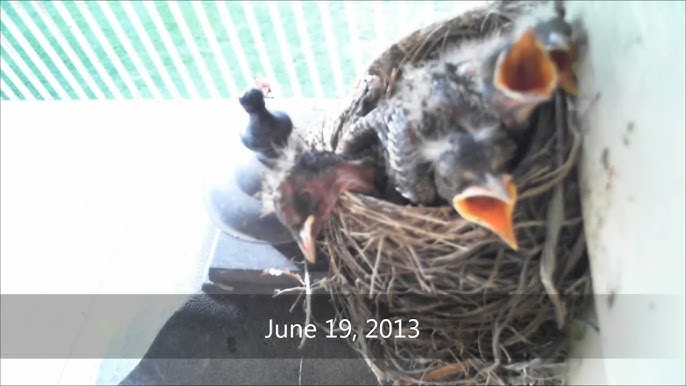
Finding a lost baby bird can be a surprising and urgent moment. You want to help, but you might wonder, “What do I feed it?” Giving the wrong food could do more harm than good.
You want to make sure your tiny visitor gets the right care to survive and grow strong. You’ll discover simple, clear steps to feed a lost baby bird safely. Keep reading to learn exactly what your feathered friend needs right now.

Credit: tracyaviary.org
Identifying Baby Bird Types
Knowing the type of baby bird you’ve found is crucial before deciding what to feed it. Different baby birds have different needs, and feeding the wrong type can do more harm than good. Identifying whether the bird is a nestling or a fledgling, and recognizing common species in your area, will help you provide the right care and improve its chances of survival.
Nestlings Vs Fledglings
Nestlings are very young birds, usually featherless or with sparse down feathers. They depend entirely on their parents for warmth and food. If you find a nestling on the ground, it likely fell out of the nest and needs immediate help.
Fledglings, on the other hand, have feathers and can hop or flutter short distances. They are learning to fly and exploring outside the nest but still rely on their parents for food. If you see a fledgling, it’s often best to leave it where it is unless it’s in immediate danger.
Common Species In Urban Areas
Recognizing common baby birds in cities helps you tailor your care. Some species you might encounter include:
- American Robin:Nestlings have pink skin and a wide mouth; fledglings have spotted breasts and soft feathers.
- House Sparrow:Small, downy nestlings with closed eyes; fledglings are fluffy with developing wing feathers.
- European Starling:Nestlings are almost bald with pink skin; fledglings look like mini adults with spotted chests.
Have you ever tried to guess a baby bird’s species just by looking at its beak or feather patterns? Learning these small details can make a big difference when you need to act fast.
Immediate Actions After Finding
Finding a lost baby bird can be a tense moment. Your immediate actions can make a big difference in the bird’s chance of survival. Knowing what to do first helps you stay calm and act wisely.
Assessing The Bird’s Condition
Look closely at the bird to check how it’s doing. Is it breathing normally? Are there visible injuries like bleeding or broken wings? If the bird seems weak but uninjured, it might just need warmth and gentle care.
Keep in mind, a cold bird needs immediate warming. Use a soft cloth or your hands to provide gentle heat. Handling the bird carefully reduces stress and prevents further harm.
Checking For The Nest Nearby
Before deciding to take the bird away, search the area for its nest. Often, baby birds fall out but the parents are nearby, waiting to feed them. Look in trees, bushes, or even on the ground close by.
If you spot the nest and it’s safe to reach, place the bird back gently. Parents usually continue to care for their young even after brief falls. Have you ever noticed how nature handles these situations more often than we think?
Safe Temporary Housing
Providing safe temporary housing for a lost baby bird is crucial for its survival. The bird needs a warm, secure place that mimics its natural nest. This housing protects the bird from harm and stress until professional help arrives. Creating a cozy environment helps keep the baby bird calm and healthy.
Creating A Makeshift Nest
Use a small container like a shoebox or a plastic bowl to serve as the nest. Line it with soft materials such as clean tissue paper, paper towels, or cloth strips. Avoid materials that shed fibers or are too rough. The nest should be deep enough to prevent the bird from falling out but not too large to make it feel exposed.
Place the nest in a quiet, sheltered spot away from pets, children, and loud noises. Avoid direct sunlight or drafts. Keep the nest stable to prevent shaking or tipping over.
Maintaining Warmth And Comfort
Baby birds cannot regulate their body temperature well. Use a heating pad set on low or a warm water bottle wrapped in a towel to provide gentle heat. Make sure the heat source is only on one side of the nest. This lets the bird move closer or farther away to stay comfortable.
Check the temperature regularly. The nest should feel warm but not hot. Avoid overheating, which can harm the bird. Keep the environment calm and quiet to reduce stress.
Suitable Foods For Baby Birds
Feeding a lost baby bird requires careful attention to its dietary needs. Choosing the right foods supports healthy growth and development. Understanding what to offer and what to avoid can make a big difference in your feathered friend’s chances of survival.
Protein Sources For Growth
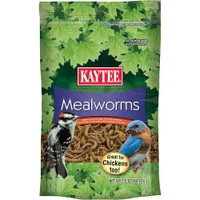
Protein is essential for baby birds to build strong muscles and feathers. You can offer small insects like mealworms, crickets, or finely chopped boiled eggs. These provide the nutrients that mimic what parent birds would naturally provide.
Some people recommend soft dog or cat food as a temporary protein source, but be sure it’s plain and free of additives. Avoid feeding raw meat or fish, as it can carry harmful bacteria. Have you considered how even tiny insects pack a nutritional punch?
Fruits And Vegetables To Include
Fresh fruits and vegetables add vitamins and hydration to a baby bird’s diet. Offer small bits of apple, banana, or berries, but always remove seeds and pits first. Soft veggies like peas, cooked carrots, and spinach work well too.
Chop everything finely to prevent choking and help digestion. Remember, these should complement protein, not replace it. How often do you think about balancing taste and nutrition for such a tiny creature?
Foods To Avoid
Some foods can harm baby birds even if they seem harmless to us. Never feed them bread, milk, or honey—these can upset their delicate digestive systems. Also, avoid salty, sugary, or processed foods as they offer no real benefits.
Chocolate and caffeine are toxic and must be kept far away. Even certain seeds, like avocado pits, can be dangerous. Could a well-meaning snack actually be putting a baby bird at risk?
Feeding Techniques And Tools
Feeding a lost baby bird requires care and the right tools. Proper feeding techniques help the bird get nutrients safely. Using the correct tools can make feeding easier and less stressful for both you and the bird.
Using Syringes And Tweezers
Syringes are great for feeding liquid or soft food to baby birds. Use a small syringe without a needle. Gently place the tip near the bird’s mouth and slowly release the food. Avoid forcing food into the throat to prevent choking.
Tweezers work well for feeding small insects or soft bits of food. Hold the food with tweezers and offer it to the bird’s open mouth. Move slowly and carefully to avoid scaring the bird. Clean tweezers before each use to keep feeding safe.
Feeding Frequency And Amount
Baby birds need feeding often. Feed every 15 to 20 minutes during daylight hours for very young birds. Older babies can be fed every 30 to 60 minutes. Watch the bird’s crop, a small pouch in its neck, to check fullness.
Feed small amounts each time. Overfeeding can cause harm. The bird’s crop should feel soft and slightly full, not hard or swollen. Stop feeding when the crop is full to avoid discomfort or illness.
Credit: www.petsradar.com
Hydration Needs
Hydration is vital for a lost baby bird’s survival. Without enough fluids, the bird can quickly become weak and unable to digest food properly. Baby birds get most of their water from their diet, so feeding the right foods is key. Careful attention to hydration can help keep the bird healthy until it can be returned to nature or cared for by a professional.
Water Vs Moist Foods
Water alone can be risky for baby birds. They might inhale it and choke. Instead, offer moist foods that contain water naturally. Soft fruits, soaked dog kibble, or finely chopped insects provide both nutrition and hydration. These foods help keep the bird hydrated without the dangers of free water. If you must offer water, use a dropper and place drops near the bird’s beak carefully.
Signs Of Dehydration
Watch for signs of dehydration in baby birds. A dry mouth or skin that does not bounce back when pinched means low fluids. The bird may also appear weak or lethargic. Sunken eyes are another warning. If you notice these signs, increase the moisture in the bird’s diet immediately. Timely care can prevent serious health problems.
When To Seek Expert Help
Knowing when to seek expert help for a lost baby bird is crucial. Some situations need more than just feeding and care at home. Recognizing these moments can save the bird’s life and prevent further harm.
Recognizing Medical Issues
Not all baby birds you find are just hungry or cold. Some may be injured or sick, which requires immediate attention. Look for signs like:
- Visible wounds or bleeding
- Weakness or inability to stand
- Breathing difficulties or unusual sounds
- Fluffed-up feathers that don’t settle
- Discharge from eyes or beak
If you notice any of these, it’s a clear signal to get professional help quickly. Trying to care for a bird with these problems without training can do more harm than good.
Finding Wildlife Rehabilitators
Wildlife rehabilitators have the skills and resources to care for lost or injured birds properly. You can find them through:
- Local animal shelters or humane societies
- Wildlife rescue organizations
- Online databases such as the National Wildlife Rehabilitators Association
When you contact a rehabilitator, describe the bird’s condition and behavior clearly. They can guide you on immediate steps or arrange a safe transfer.
Have you ever found yourself unsure about what to do next with a lost baby bird? Reaching out to experts not only helps the bird but also gives you peace of mind knowing you did the right thing.
Credit: www.petsradar.com
Preparing For Release
Preparing a lost baby bird for release takes patience and careful attention. The goal is to help the bird regain its strength and learn the skills it needs to survive in the wild. You’ll need to focus on its diet and behavior, making sure each step brings the bird closer to independence.
Gradual Diet Transition
Switching a baby bird from hand-fed meals to natural foods should happen slowly. Start by mixing small pieces of insects, berries, or seeds into the soft food you’ve been feeding. This helps the bird get used to new textures and tastes without stress.
Try reducing the frequency of hand-feeding over several days while offering fresh, natural foods. Watch how the bird reacts—does it try to peck at the new food? If not, give it a little more time. This gradual shift builds confidence and prepares its digestive system for wild food.
Encouraging Natural Behaviors
Helping the bird practice skills like flying, foraging, and recognizing danger is key. Create a safe space where it can flap its wings and hop around freely. You might hide small bits of food to encourage foraging, which sparks its natural instincts.
Ask yourself: does the bird respond to sounds or movements outside? These reactions show readiness for release. By gently guiding these behaviors, you give the bird a better chance to thrive once back in nature.
Frequently Asked Questions
What Should I Feed A Lost Baby Bird Immediately?
Offer soaked dog or cat kibble, mealworms, or finely chopped boiled egg. Avoid milk or bread as they harm birds. Provide small, frequent feedings to mimic natural feeding patterns.
Can I Give Water To A Lost Baby Bird?
Yes, but only in small amounts using a dropper. Avoid force-feeding water as it can cause choking or aspiration pneumonia in baby birds.
How Often Do Baby Birds Need Feeding?
Newborn birds require feeding every 15-20 minutes from dawn to dusk. Older nestlings can be fed every 30-60 minutes. Consistency is crucial for their survival and growth.
Is It Safe To Feed Bread Or Milk To Baby Birds?
No, bread lacks nutrition and milk can cause digestive issues. Both can be harmful or fatal to baby birds. Stick to protein-rich and hydrating foods instead.
Conclusion
Feeding a lost baby bird is a delicate task. Choose soft, nutritious foods. Offer small, frequent meals to mimic natural feeding. Always ensure the bird is warm before feeding. Avoid giving water directly; birds get moisture from food. Contact a wildlife expert for specific guidance.
This ensures the bird’s health and safety. A little care goes a long way in nurturing them. Helping a baby bird is rewarding. Remember, your kindness can make a big difference. Always be gentle and patient. Your actions can help the bird grow and thrive.