
Are you wondering why your bird feeder is sitting empty while nearby feeders are bustling with colorful visitors? It can be frustrating to put effort into setting up a feeder and still see no birds coming to enjoy it.
The good news is, small changes can make a big difference. Understanding what birds really want can turn your quiet feeder into a lively spot full of chirps and fluttering wings. Keep reading to discover simple reasons your feeder isn’t attracting birds—and how you can fix them today.
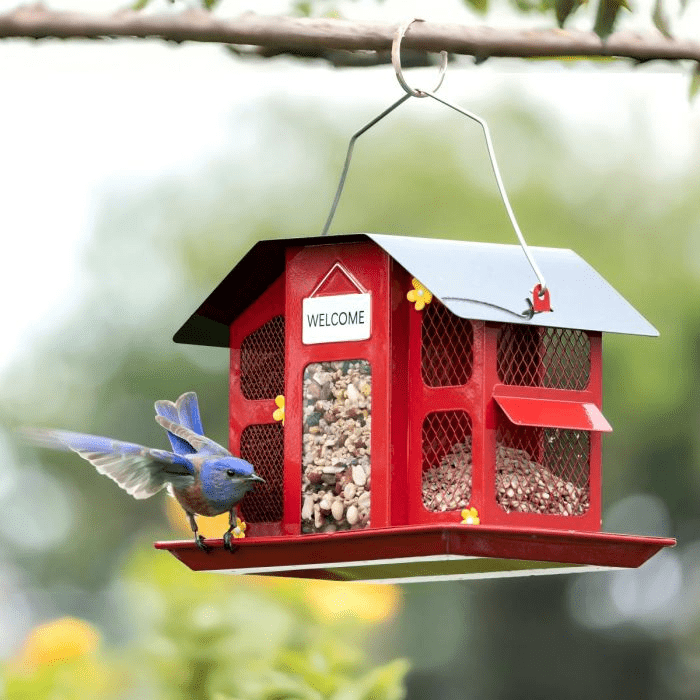
Credit: www.kingsyard.com
Common Reasons Birds Avoid Feeders
Bird feeders may not attract birds for several common reasons. Understanding these issues can help improve your feeder’s appeal. Birds have specific needs and preferences that influence their feeding habits. Addressing these factors increases the chances of visits.
Incorrect Feeder Placement
Placement affects bird activity around feeders. Feeders too close to windows can scare birds away. Avoid areas with heavy foot traffic or loud noises. Birds prefer feeders near natural cover like trees or shrubs. Proper height also matters; many birds feel safer at certain levels.
Unappealing Seed Choices
Different birds prefer different seeds. Using the wrong seed mix can keep birds away. For example, finches like nyjer, while cardinals prefer sunflower seeds. Old or stale seeds lose their scent and taste. Fresh, quality seed attracts more birds and keeps them coming back.
Predator Presence
Birds avoid feeders near predators like cats or hawks. Predators create fear and reduce bird visits. Keep feeders in open areas where birds can see danger coming. Remove or deter predators from feeder surroundings. Safe feeding spots encourage bird presence and activity.
Dirty Or Damaged Feeders
Clean feeders prevent disease and attract more birds. Moldy or wet seeds repel birds quickly. Damaged feeders may leak seeds or be hard to use. Regular cleaning and maintenance keep feeders inviting. Replace or repair broken parts for better results.
Choosing The Right Feeder Location
Choosing the right location for your bird feeder is key to attracting more birds. Birds need a safe and welcoming place to feel comfortable visiting. The wrong spot can make them stay away. Picking a good place helps birds find food easily and keeps them safe from danger.
Safe And Quiet Spots
Birds prefer quiet areas away from loud noises and heavy traffic. Place feeders near bushes or trees where birds can hide if threatened. Avoid places near busy roads or noisy machines. Safety makes birds return often and feel relaxed while feeding.
Accessibility For Birds
Birds need clear paths to reach the feeder without obstacles. Avoid placing feeders near glass walls or tight corners. Make sure birds can land and take off easily. Good access helps more bird species visit and enjoy the food you offer.
Avoiding Window Collisions
Windows can confuse birds, causing dangerous collisions. Place feeders either very close (less than 3 feet) or far (more than 30 feet) from windows. Use decals or screens on windows to reduce reflections. Protecting birds from collisions keeps them safe and visiting your feeder regularly.
Selecting Seeds That Attract Birds
Choosing the right seeds is key to turning your bird feeder into a popular hangout spot. Birds have different tastes, and offering the seeds they prefer can make all the difference. If your feeder sits empty, it might be time to rethink what you’re putting inside it.
Popular Seeds For Different Species
Different birds are attracted to different seeds. Black oil sunflower seeds are a favorite for many, including cardinals, chickadees, and finches. Nyjer (thistle) seeds attract smaller birds like goldfinches and siskins.
White proso millet is popular with ground-feeding birds such as sparrows and juncos. Offering a mix can invite a wider variety of visitors to your feeder. Have you noticed which birds come by when you change the seed type?
Avoiding Moldy Or Old Seeds
Birds are sensitive to seed quality. Moldy or stale seeds not only repel birds but can harm their health. Always check the seeds before filling your feeder and store them in a cool, dry place to keep them fresh.
If you see clumps or a musty smell, it’s time to replace the seeds. How often do you inspect your birdseed for freshness? A simple habit like this can boost feeder traffic dramatically.
Seasonal Seed Preferences
Birds’ seed preferences can change with the seasons. In colder months, they often seek high-fat seeds like sunflower and safflower to fuel their energy. During spring and summer, smaller seeds and fresh foods might be more appealing.
Adjusting your seed offerings throughout the year can keep your feeder attractive no matter the season. Are you ready to experiment with seasonal seeds to see who shows up?
Maintaining A Clean Feeder
Maintaining a clean bird feeder is key to attracting birds to your yard. Dirt, mold, and old seeds can scare birds away. A clean feeder looks inviting and keeps birds safe. Regular care helps birds return day after day.
Regular Cleaning Schedule
Clean your feeder every two weeks. In wet weather, clean it more often. Use warm water and mild soap to wash all parts. Rinse well to remove soap. Let the feeder dry completely before refilling with fresh seeds.
Preventing Disease Spread
Dirty feeders can spread diseases among birds. Moldy or spoiled seeds cause illness. Use a diluted bleach solution to disinfect the feeder once a month. Rinse thoroughly to avoid harming birds. Keeping the feeder clean protects bird health.
Repairing Damaged Parts
Check your feeder for cracks or loose parts regularly. Broken feeders can trap or hurt birds. Replace damaged pieces quickly. A sturdy feeder holds seeds well and gives birds a safe place to eat.
Minimizing Threats Near Feeders
Minimizing threats near your bird feeder is key to making it a safe and inviting spot for birds. If birds feel vulnerable, they won’t stick around, no matter how much food you offer. Creating a secure environment helps birds relax and return regularly.
Deterring Predators
Predators like cats, hawks, and squirrels can scare birds away quickly. You can deter these threats by placing feeders away from places where predators can hide or pounce, such as dense bushes or low branches. Adding baffles or predator guards to poles also keeps unwanted visitors at bay.
Have you noticed birds suddenly vanish when a cat prowls nearby? That’s a clear sign your feeder needs better protection. Simple measures can make a big difference in reducing predator presence.
Reducing Human Disturbance
Birds are easily startled by frequent human activity near feeders. Try to position your feeder where it’s visible from a distance but not in a high-traffic area like doorways or busy patios. Watching birds from behind a window or a quiet spot lets them feed without stress.
Think about how often you walk past your feeder. Could cutting down on close approaches help birds feel safer? Less disturbance equals more bird visits.
Providing Nearby Shelter
Birds look for cover close to feeders to hide if danger appears. Planting shrubs or placing small trees near the feeder offers quick escape routes. Even a simple brush pile nearby can give birds a sense of security.
Have you ever seen birds dart from a feeder into thick foliage? That protective shelter encourages them to come back. Without nearby shelter, birds might avoid your feeder altogether.

Credit: www.reddit.com
Enhancing Feeder Appeal
Enhancing the appeal of your bird feeder can make a significant difference in attracting more feathered visitors. Sometimes, it’s not just about the food but the entire setup around the feeder. Small changes can create a welcoming environment that encourages birds to visit regularly.
Using Multiple Feeders
Offering a variety of feeders can attract different bird species. Some birds prefer tube feeders, while others like platform or suet feeders. By placing several feeders in different spots, you increase the chances of catching the attention of more birds.
Think about spacing them out to reduce competition and give shy birds a chance to feed. Have you tried changing the locations to see where birds feel safest?
Adding Water Sources
Birds need water not just for drinking but also for bathing. Adding a birdbath or a small fountain near your feeder can make your yard more attractive. Moving water sounds can draw birds from far away.
Keep the water clean and fresh to encourage repeat visits. Have you noticed birds lingering longer when there’s water nearby?
Incorporating Native Plants
Native plants provide natural food and shelter for birds. Adding bushes, flowers, or trees native to your area supports insects and seeds that birds love. This creates a natural habitat around your feeder.
Try planting species known to attract birds in your region. What native plants do you have that birds already seem to enjoy?
Monitoring And Adjusting Your Setup
Keeping an eye on your bird feeder setup is essential if you want to attract more feathered visitors. Simply putting up a feeder and waiting might not be enough. You need to watch how birds respond and be ready to make changes based on their behavior and the environment.
Tracking Bird Activity
Start by observing which birds visit your feeder and when. Note the times of day they come and how long they stay. Are certain types of birds ignoring your feeder, or is it empty during specific hours?
Use a simple journal or an app to record your observations. This helps you identify patterns and decide if your feeder needs moving or if you should try different seeds. Sometimes, a small change like relocating the feeder to a quieter spot can make a big difference.
Adapting To Seasonal Changes
Bird preferences shift with the seasons. In spring and summer, insects and fruit may be more appealing, while in winter, seeds and suet attract more attention. Are you offering the right food for the current season?
Adjust your feeder’s offerings accordingly. Swap out sunflower seeds for nyjer in the colder months or add fresh fruit when berries are scarce. Also, consider the feeder’s position—birds may seek shelter from harsh weather, so placing your feeder near bushes or trees can help.
Seeking Expert Advice
If you’re still unsure why birds aren’t visiting, don’t hesitate to ask for help. Local birdwatching groups or wildlife centers can offer insights specific to your area. Have you tried reaching out to experts or joining online forums?
Experts can suggest tweaks based on local bird species and habits. Sometimes, fresh eyes spot simple problems you might have missed, such as feeder cleanliness or predator presence. Getting advice can save you time and improve your feeder’s success.
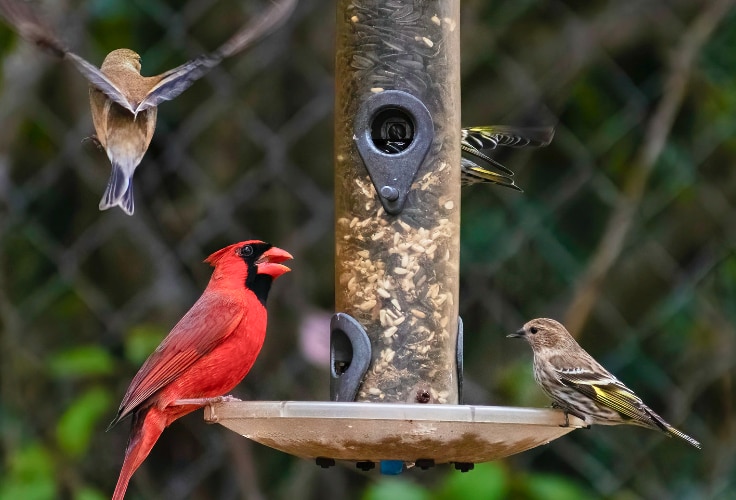
Credit: avibirds.com
Frequently Asked Questions
Why Is My Bird Feeder Empty But No Birds Come?
Birds might avoid feeders with old or damp seeds. Clean your feeder regularly. Use fresh, high-quality seeds to attract birds. Position feeders in safe, visible locations away from predators.
How Does Feeder Placement Affect Bird Visits?
Birds prefer feeders near natural cover like trees or shrubs. This provides safety and shelter. Avoid placing feeders in direct sunlight or windy spots, which can deter birds.
What Types Of Seeds Attract More Birds?
Different birds prefer different seeds. Black oil sunflower seeds attract many species. Nyjer seeds are loved by finches. Offering a mix can attract a wider variety of birds.
Can Feeder Cleanliness Impact Bird Attraction?
Yes, dirty feeders can spread disease and repel birds. Clean feeders every two weeks with mild soap and water. Rinse well to keep birds healthy and returning.
Conclusion
Bird feeders can be tricky to manage. Sometimes, they don’t attract birds. Ensure your feeder is clean and filled with fresh seeds. Try placing it in a quiet spot. Birds dislike loud noises. Consider the type of seeds you offer.
Different birds prefer different seeds. Also, keep predators away. Cats and squirrels can scare birds off. Be patient. Birds might take time to find your feeder. Observing them is worth the wait. Keep experimenting until you see results. With these tips, your feeder should soon be bustling with activity.
Enjoy watching nature up close.