

Finding a baby bird alone and vulnerable can tug at your heartstrings. You might wonder, “What should I feed this little one to give it the best chance at survival?”
It’s a situation that prompts immediate action, yet it can feel overwhelming if you’re unsure of the right steps to take. You want to help, but providing the wrong food could do more harm than good. This article is your go-to guide for understanding what to feed abandoned baby birds safely and effectively.
Dive in, and discover how you can make a difference for these tiny creatures in need. Your compassion can be their lifeline.
Credit: besgroup.org
Identifying Abandoned Baby Birds
Knowing if a baby bird is truly abandoned can be tricky, but it’s the first step before deciding to feed or help it. You want to make sure the bird really needs assistance because sometimes parents are nearby or out gathering food. Observing carefully will save you and the bird unnecessary stress.
Signs Of Abandonment
Look for these clues to decide if a baby bird has been left alone for too long:
- Quiet surroundings:If you don’t hear any adult birds calling or nearby, the chick may be abandoned.
- Continuous distress:A baby bird that is cold, weak, or crying for hours without relief needs help.
- Feather development:Very young birds with little to no feathers left alone for more than an hour might be abandoned.
- Visible injuries or weakness:Injured birds or those unable to move properly might have been left behind.
Always watch from a distance for at least an hour before stepping in. Sometimes parent birds are nearby but cautious of humans.
Common Species Found
You might encounter certain species more often when dealing with abandoned baby birds. Knowing who you’re helping can guide the kind of care they need.
| Species | Typical Habitat | Feeding Needs |
|---|---|---|
| House Sparrow | Urban areas, parks, gardens | Insects, softened seeds |
| American Robin | Woodlands, suburban yards | Worms, soft fruits |
| Blue Jay | Forests, residential areas | Insects, nuts, seeds |
| Chickadee | Wooded areas, parks | Insects, small seeds |
Have you noticed baby birds around your home that don’t seem to have a parent nearby? Identifying the species can help you find the right advice and resources for feeding them properly.

Credit: www.youtube.com
Safe Feeding Practices
Feeding abandoned baby birds requires care and attention to ensure their survival and healthy growth. Safe feeding practices mean choosing the right foods, avoiding anything that could harm them, and feeding them the right amount at the right times. These steps protect the fragile birds and give you confidence in your ability to help them thrive.
Appropriate Food Types
Baby birds need a diet that closely mimics what their parents would naturally provide. Soft, protein-rich foods like finely chopped mealworms, boiled eggs, and soaked dog kibble work well. You can also use a commercial baby bird formula if available, which is balanced for their nutritional needs.
Never feed bread or milk. These common household items can cause serious digestive problems. Instead, think about what the bird’s species would eat in the wild and try to offer similar foods.
Avoiding Harmful Foods
Some foods can be toxic or difficult for baby birds to digest. Avoid giving them anything salty, sugary, or processed. Also, acidic fruits like citrus and onions are off-limits as they can upset their stomachs.
One time, I gave a baby bird some fruit without peeling it properly, and the seeds caused choking. That taught me to always remove seeds and skin that might be tough or unsafe.
Feeding Frequency And Amounts
Baby birds need frequent feeding, especially in the first few weeks. Typically, feeding every 15-20 minutes from dawn until dusk works for very young chicks. As they grow, you can space feedings out to every 30 minutes or hourly.
Watch the bird’s crop (a soft pouch in their throat) to gauge fullness. Overfeeding is as dangerous as underfeeding. How often do you think you could keep up with such a schedule throughout the day?
Preparing Food For Baby Birds
Preparing food for abandoned baby birds is a delicate task that requires care and attention. Their tiny bodies need the right nutrients to grow strong and healthy. You must provide food that is easy to digest and closely mimics what they would receive from their parents.
Knowing what to feed and how to prepare it can make a big difference in their survival. Have you ever wondered how simple ingredients in your kitchen could save a tiny life? Let’s look at some practical ways to prepare nourishing meals for these fragile creatures.
Homemade Food Recipes
Homemade food for baby birds can be made using ingredients that are safe and nutritious. A popular recipe includes mixing soaked dog or cat kibble with warm water until it forms a soft, mushy consistency. You can also add finely mashed hard-boiled eggs or baby cereal to boost protein and vitamins.
Here’s a quick recipe you can try:
| Ingredient | Amount |
|---|---|
| Soaked dry dog/cat kibble | 2 tablespoons |
| Warm water | 3 tablespoons |
| Mashed hard-boiled egg | 1 tablespoon |
| Baby cereal (rice or oat) | 1 tablespoon |
Mix these ingredients thoroughly and feed the baby birds small amounts frequently. Be cautious not to overfeed or leave the food too thick, as they need it to be smooth and easy to swallow. Have you checked if your ingredients are fresh and free from additives?
Using Commercial Bird Formulas
Commercial bird formulas are specially designed to meet the nutritional needs of baby birds. They come in powdered form and require mixing with warm water to create a smooth, nourishing paste. These formulas are often the safest and easiest option for those new to bird care.
When choosing a commercial formula, look for brands that specify suitability for the species you are feeding. Follow the package instructions exactly to avoid making the mixture too thick or too watery. Have you considered how consistency affects their ability to swallow and digest food?
Using commercial formulas can save you time and reduce the risk of nutritional imbalance. However, they might not be available everywhere, so having a homemade recipe as a backup is always wise. Remember, feeding abandoned baby birds is a commitment—do you have the right tools and ingredients ready?

Credit: www.reddit.com
Feeding Techniques
Feeding abandoned baby birds needs care and patience. Proper feeding techniques help the chicks grow strong and healthy. Understanding how to feed them correctly avoids injury and stress. Use gentle, steady movements to mimic a parent bird’s care. Feeding often and carefully supports their survival.
Hand-feeding Tips
Wash your hands before feeding to keep germs away. Hold the baby bird gently but firmly to prevent slipping. Use a soft cloth or tissue to support the bird’s body. Offer small, soft food pieces to avoid choking. Feed slowly and watch the bird swallow each bite. Stop if the bird shows signs of distress. Keep the feeding area quiet and calm to reduce stress.
Using Feeding Tools
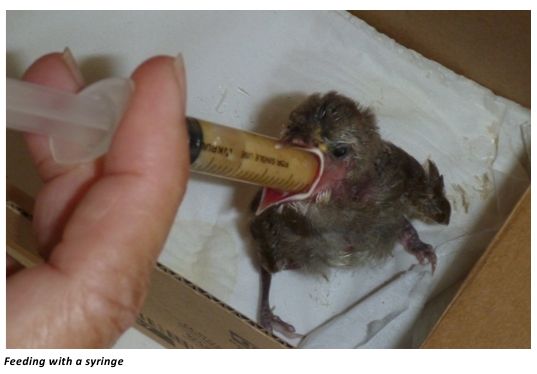
Feeding tools make feeding easier and safer. Use a small spoon or syringe for liquid or soft foods. A pair of tweezers can help give insects or small food bits. Warm the food to body temperature before feeding. Avoid sharp or metal tools that may hurt the bird. Clean all tools thoroughly after each feeding. Prepare the tools in advance to feed without delay.
Hydration Needs
Baby birds need more than just food to survive—they need water to stay healthy and strong. Hydration is crucial, especially for abandoned chicks that can’t get moisture from their parents. Without enough water, their tiny bodies can quickly weaken, making it essential for you to understand how to meet their hydration needs safely and effectively.
Providing Water Safely
Giving water to baby birds isn’t as simple as setting out a bowl. Their throats and digestive systems are delicate, so you must be careful to avoid choking or drowning. Use a small dropper or syringe to offer just a few drops at a time, gently placing the water near the side of their beak.
Do not force water directly down their throat. Instead, allow the bird to swallow at its own pace. This helps prevent aspiration, which can cause serious health problems.
Keep the water fresh and clean. Avoid giving cold water; room temperature is best to keep their bodies comfortable.
Signs Of Dehydration
How can you tell if a baby bird is dehydrated? Look closely at its skin and behavior. Dehydrated chicks often have wrinkled, dry skin and may appear weak or lethargic.
Another sign is sunken eyes, which indicates a lack of fluids. You might also notice that the bird’s mouth looks dry or sticky instead of moist.
If a baby bird seems restless or refuses food, dehydration could be the cause. Prompt hydration is key to preventing severe illness or death. Have you noticed any of these signs in the birds you’re caring for?
Creating A Safe Environment
Creating a safe environment is vital for the survival of abandoned baby birds. They need warmth, shelter, and protection from harm. Without these, their chances of survival drop sharply. Caregivers must prepare a cozy, secure place that mimics natural conditions. This helps the birds feel calm and supported during recovery.
Warmth And Shelter
Baby birds cannot regulate their body temperature well. They need constant warmth to stay healthy and grow. Use a soft cloth or small box lined with clean towels. A heating pad set on low or a warm water bottle wrapped in cloth provides gentle heat. Keep the shelter away from drafts, direct sunlight, and loud noises. Make sure the temperature stays steady, around 85°F (29°C), especially for very young birds.
Preventing Injuries
Abandoned baby birds are fragile and prone to injury. Place them in a secure container to stop falls or escapes. Avoid overcrowding by housing one or two birds per space. Use soft materials to cushion their bedding and prevent bruises. Handle the birds gently and as little as possible. Keep pets and children away to reduce stress and harm. Regularly check the shelter for hazards like sharp edges or loose threads.
When To Seek Wildlife Expert Help
Knowing when to seek help from a wildlife expert is vital for abandoned baby birds. Some situations need professional care to ensure the bird’s survival. Acting at the right time can make a big difference for their health and growth.
Not all baby birds can be cared for at home. Some need special attention due to injuries or illness. Understanding the signs that show a bird needs expert help is important for every caregiver.
Recognizing Medical Issues
Look for signs like:
- Visible wounds or bleeding
- Weakness or inability to stand
- Difficulty breathing or noisy breathing
- Unusual lethargy or unresponsiveness
- Missing feathers or skin problems
- Dehydration or sunken eyes
These symptoms usually mean the bird needs urgent care. Do not try to treat serious medical issues alone.
Finding Local Rehabilitation Centers
Wildlife rehab centers have the right tools and knowledge. They provide medical care, feeding, and a safe environment. Search for centers by:
- Contacting local animal control or wildlife agencies
- Checking online for licensed wildlife rehabilitators
- Visiting veterinary clinics with wildlife services
Call ahead to explain the situation and get advice. These centers are the best option for long-term care.
Frequently Asked Questions
What Should I Feed Abandoned Baby Birds?
Feed soft, protein-rich foods like soaked dog kibble, mealworms, or scrambled eggs. Avoid bread or milk, as they harm baby birds.
How Often Do I Feed A Baby Bird?
Feed baby birds every 15 to 20 minutes from dawn to dusk. Younger birds need more frequent feeding than older ones.
Can I Give Water Directly To Baby Birds?
Never give water directly; baby birds risk choking. Moisture comes from their food, so ensure food is adequately hydrated.
When Should I Contact A Wildlife Rehabilitator?
Contact a rehabilitator if the bird is injured, cold, or not eating properly. Experts ensure the best care and survival chances.
Conclusion
Feeding abandoned baby birds takes care and patience. Use soft, easy-to-digest foods like soaked dog food or insects. Avoid giving milk or bread, as they can harm the chicks. Keep feeding small amounts often to match their needs. Always try to contact a wildlife expert for help.
Baby birds need warmth and safety to grow strong. Your gentle care can help save a tiny life. Remember, every small step makes a big difference.