
Feeding birds in your backyard can be a delightful experience, bringing nature up close and filling the air with joyous chirping. But as spring unfolds, you might wonder if it’s time to stop.
What if your actions disrupt their natural behavior or diet? Understanding the right moment to pause your feeding efforts is crucial not only for the birds’ health but also for maintaining the balance of nature. You’ll discover the signs to look for and how to ensure that your feathered visitors continue to thrive.
Keep reading to learn how you can make a positive impact on your local bird population while still enjoying their vibrant presence.
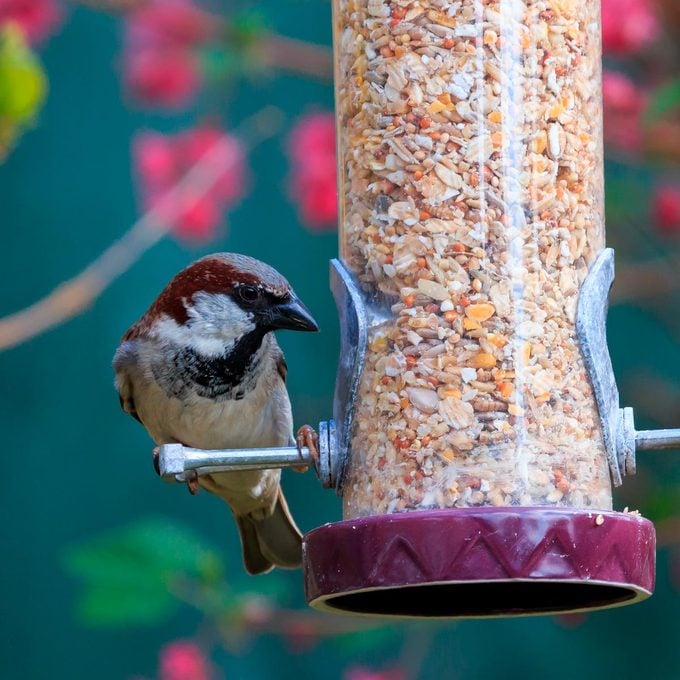
Credit: www.familyhandyman.com
Timing For Ending Bird Feeding
Knowing the right time to stop feeding birds in spring helps birds rely on natural food. It also supports their healthy growth and migration. Ending feeding too early or too late can affect birds’ habits and survival. Observe your feathered friends closely to decide the best time to stop providing food.
Signs That Birds Are Self-sufficient
Birds start finding food on their own as plants grow and insects appear. Watch for these signs:
- Birds spend more time foraging naturally.
- Juvenile birds practice flying and hunting skills.
- Fewer birds visit feeders regularly.
- Birds gather seeds and insects from the environment.
These signs show birds are ready to survive without extra help.
Typical Spring Feeding Periods
Feeding usually starts in late winter or early spring. It ends once birds find natural food easily. Most people feed birds from February to April or May. The exact period depends on weather and food availability. Pay attention to local conditions and bird behavior to adjust feeding times.
Regional Variations In Feeding Times
Feeding schedules differ by region due to climate and habitat. In colder areas, feeding lasts longer. In warmer places, natural food appears earlier. Coastal regions may have different patterns than inland. Check local birdwatching groups or nature centers for advice. Regional knowledge helps feed birds at the right time without harm.
Factors Influencing Feeding Duration
Knowing when to stop feeding birds in spring depends on many factors. These factors help decide the right time to end supplemental feeding. They ensure birds stay healthy and adapt well to nature’s food supply. Understanding these influences can help you support birds effectively without causing harm.
Climate And Weather Impact
Weather changes affect birds’ food needs. Cold, wet weather means birds need more energy. They rely on feeders longer during harsh conditions. Warm and stable weather allows birds to find food naturally. Sudden cold snaps might require temporary feeding. Watching local weather helps decide feeding duration.
Bird Species And Their Needs
Different bird species have unique diets and habits. Some birds eat seeds year-round. Others depend on insects that appear in spring. Migratory birds need feeding only during stops. Resident birds may need food until natural sources grow. Knowing species in your area guides feeding timing.
Availability Of Natural Food Sources
Spring brings new plants and insects. As natural food grows, birds need feeders less. Look for signs like blossoming flowers and insect activity. Birds will shift to natural food when it is enough. Ending feeding too early can starve young birds. Timing feeding end with nature’s cycle is best.
Effects Of Continued Feeding
Continuing to feed birds into spring can have both positive and negative effects. Understanding these impacts helps you decide the best time to stop feeding and support local bird populations responsibly.
Benefits For Bird Health
Providing food during early spring gives birds an easy energy source as natural food can still be scarce. This helps them maintain strong bodies and better resist diseases.
Some birds benefit from extra calories during nesting and raising their young. You might notice healthier feathers and more active behavior when you keep feeders stocked just a little longer.
Risks Of Overfeeding
Feeding birds too long can cause problems like dependency on human-provided food. Birds might stop foraging naturally, which reduces their survival skills.
Leftover food can attract pests and encourage mold or bacteria growth. This creates unhealthy conditions that may harm birds instead of helping them.
Impact On Bird Behavior
Birds may become aggressive around feeders if food is provided continuously. Dominant species might chase away smaller or less assertive birds, disrupting local bird diversity.
Extended feeding can also interfere with migration patterns and natural instincts. Have you noticed certain birds lingering longer near your feeders than before?

Credit: uk.news.yahoo.com
How To Transition Away From Feeding
Transitioning away from feeding birds in spring requires care and patience. Birds rely on feeders during winter when food is scarce. As natural food sources grow, birds should start foraging on their own. A sudden stop can confuse or harm them. Gradually reducing feeding helps birds adjust smoothly. It also encourages natural habits and supports their independence.
Gradual Reduction Techniques
Begin by offering less food each day. Reduce the amount and frequency of feedings slowly. Avoid emptying feeders all at once. Space out the feeding times to longer intervals. This helps birds search for food elsewhere without stress. Watch how birds respond and adjust the pace as needed. Gradual reduction protects their health and well-being.
Adjusting Feeders And Food Types
Switch to less preferred foods gradually. Replace high-energy seeds with natural options like berries or nuts. Use smaller feeder openings to limit food access. Move feeders to less visible locations. This encourages birds to explore other areas for food. Changing food types supports the shift to natural diets. These steps gently guide birds toward independence.
Encouraging Natural Foraging
Plant native shrubs and flowers that produce seeds and berries. Leave leaf litter and dead wood for insects to thrive. Birds find natural food in these places. Avoid cleaning up all natural debris in your yard. Provide water sources like birdbaths or shallow dishes. Natural foraging improves birds’ survival skills and health. Creating a bird-friendly habitat supports their needs year-round.
Maintaining Bird Habitats Year-round
Maintaining bird habitats throughout the year helps birds thrive and stay healthy. Birds need safe places to nest, food to eat, and water to drink. Supporting these needs beyond just feeding keeps local bird populations strong. Caring for habitats during all seasons supports nature’s balance and beauty.
Planting Native Flora
Native plants provide birds with natural food and shelter. They attract insects that birds eat and offer seeds and berries. Native flowers also supply nectar for hummingbirds and other pollinators. Choose plants that grow well in your area for best results. A garden with native flora creates a welcoming habitat for birds all year.
Providing Water Sources
Birds need fresh water for drinking and bathing. Place birdbaths or shallow dishes in your yard. Keep water clean and change it often to avoid disease. Moving water, like a small fountain, attracts more birds. Water sources help birds stay hydrated, especially in hot and dry months.
Avoiding Harmful Practices
Protect birds by avoiding pesticides and chemicals in your garden. These substances can poison birds and reduce their food supply. Keep cats indoors or supervised to prevent hunting birds. Avoid using window glass that birds can’t see. Creating a safe environment helps birds survive and flourish year-round.

Credit: www.allaboutbirds.org
Frequently Asked Questions
When Is The Best Time To Stop Feeding Birds In Spring?
Stop feeding birds when natural food sources increase. Typically, this happens late spring as insects and plants become abundant. Gradually reduce feeders to encourage natural foraging and support birds’ transition to their natural diet.
Why Should You Stop Feeding Birds In Spring?
Feeding birds in spring can delay their natural foraging habits. It may also attract predators or cause dependency. Stopping feeding helps birds adapt to seasonal food availability and promotes healthy, natural behaviors.
How Do Birds Find Food After Feeders Are Removed?
Birds rely on their instincts to find insects, seeds, and berries. By spring, these natural foods become plentiful. Gradual feeder removal helps birds learn to forage independently without sudden food shortages.
Can Feeding Birds In Spring Harm Their Health?
Continuous feeding in spring can lead to poor nutrition and disease. Artificial food may lack essential nutrients. Stopping feeding encourages birds to eat diverse, natural diets for better health.
Conclusion
Spring is the time when birds start finding natural food again. Stop feeding once you see them eating seeds, insects, or berries nearby. This helps birds learn to find their own food and stay healthy. Keep watching the birds’ behavior to know the right moment.
Feeding too long can make birds dependent on you. Enjoy watching them grow strong and free. Helping nature means knowing when to step back. Let the birds thrive on what spring naturally offers.