

Have you ever come across a baby bird with feathers and wondered what to feed it? You’re not alone.
Many people find themselves in this situation, eager to help but unsure where to start. Feeding a baby bird can be a delicate task, and it’s crucial to get it right to ensure the little one grows strong and healthy.
But don’t worry—you’re about to discover exactly what these feathered babies need. By the end of this article, you’ll feel confident in your ability to care for and nourish these tiny creatures. Let’s dive in and find out what should be on the menu for these precious fledglings.
Diet Needs For Feathered Nestlings
Feathered nestlings have unique diet needs that differ from fully grown birds. Their growing bodies require a balanced mix of nutrients to support feather development, muscle growth, and overall health. Understanding these needs helps you provide the right food that encourages strong feathers and active, healthy baby birds.
Protein Sources For Growth
Protein is essential for building feathers and muscles. Baby birds rely heavily on high-protein foods to fuel their rapid growth. You can offer small insects like mealworms, crickets, or finely chopped boiled eggs to meet their protein needs.
Remember, some birds prefer live insects while others accept soft, cooked options. Pay attention to what your feathered friends seem to enjoy and adjust accordingly. Have you noticed how quickly a baby bird responds after a protein-rich meal?
Importance Of Hydration
Water is as important as food for feathered nestlings. Dehydration can quickly harm their development and energy levels. Besides providing fresh water, many insects and soft fruits contain water that helps keep nestlings hydrated.
If you’re hand-feeding, mixing a bit of water with their food helps them swallow easily. Watch for signs like dry mouth or lethargy, which signal they need more fluids. How often do you check if your little birds are getting enough water?
Vitamins And Minerals
Vitamins and minerals support strong bones, feathers, and immune systems. Calcium is especially important for developing bones and feather strength. You can add crushed eggshells or a small pinch of calcium powder to their diet for a natural boost.
Vitamin A helps maintain healthy skin and feathers, so including foods like mashed carrots or sweet potatoes can be beneficial. Don’t forget trace minerals found in leafy greens or specially formulated supplements. What natural sources can you introduce to enrich your baby birds’ meals?
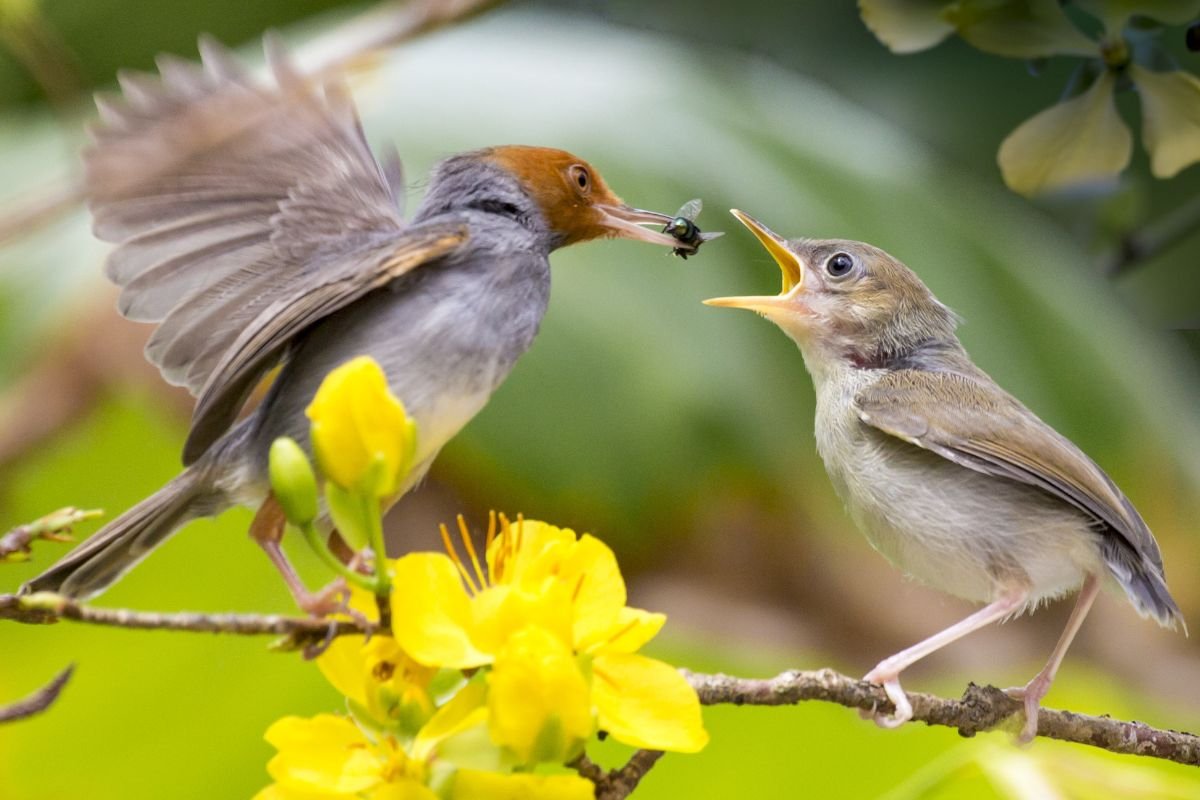
Credit: wildbloo.com
Safe Foods For Baby Birds
Feeding baby birds with feathers requires care and the right foods. Safe foods support their growth and feather development. These foods must provide protein, vitamins, and minerals. Some foods are natural, while others come from stores. Choose options that mimic what baby birds eat in the wild. Avoid anything that can harm their health or digestion.
Insects And Worms
Insects and worms are rich in protein. They help build strong muscles and feathers. Common choices include:
- Mealworms
- Crickets
- Earthworms
- Small caterpillars
These foods are easy to digest and full of nutrients. Avoid insects caught near pesticides or chemicals.
Fruits And Vegetables
Fruits and vegetables provide essential vitamins and hydration. Choose soft, easy-to-eat options like:
- Mashed bananas
- Chopped apples (without seeds)
- Soft berries
- Cooked peas and carrots
Cut into small pieces to prevent choking. Avoid citrus fruits and anything too sour or spicy.
Commercial Bird Food Options
Commercial foods offer balanced nutrition. Look for products made for baby birds or small songbirds. Options include:
- Specialized hand-feeding formulas
- Soft pellets
- Seed mixes with added nutrients
Follow package instructions carefully. These foods support healthy growth and feather quality.
Feeding Techniques For Young Birds
Feeding young birds with feathers requires gentle care and the right techniques. Their small size and delicate condition need special attention. Proper feeding helps them grow strong and healthy. Understanding feeding methods ensures you provide the best nutrition safely.
Hand-feeding Methods
Use a small, soft syringe or spoon to feed baby birds. Warm the food to body temperature before offering it. Place the food gently at the bird’s beak. Let the bird open its mouth naturally. Avoid forcing food inside to prevent choking. Keep the bird calm and still during feeding.
Frequency And Portion Sizes
Feed young birds often to meet their energy needs. Offer small amounts every 20 to 30 minutes during daylight. As birds grow, increase the time between feedings. Monitor how much the bird eats and adjust portions carefully. Overfeeding can cause health problems. Underfeeding slows growth and weakens the bird.
Avoiding Common Feeding Mistakes
- Do not feed cold or hot food; it can harm the bird.
- Avoid using sharp or rough tools for feeding.
- Never give milk or bread; these are unsafe for birds.
- Do not overfeed; watch the bird’s signals to stop.
- Keep feeding tools clean to prevent infections.
Monitoring Health And Development
Keeping a close eye on the health and growth of baby birds with feathers is essential for their survival. Feeding them properly is just one part of the care puzzle. Observing their behavior and physical changes gives you valuable clues about their well-being.
Signs Of Proper Nutrition
Healthy baby birds will have vibrant feathers and clear, bright eyes. You’ll notice steady weight gain and active movements as they grow stronger.
They should be alert and respond quickly when you approach or feed them. Regular eating habits and consistent begging sounds also signal they’re getting enough nutrients.
Identifying Malnutrition Symptoms
Watch out for dull, ruffled feathers and lethargy. These birds may appear weak and may stop begging for food as often.
Slow or halted weight gain is a major red flag. You might also see swelling around the abdomen or notice them breathing rapidly.
These signs suggest they aren’t getting the right balance of proteins, fats, and vitamins. Ignoring these symptoms can lead to serious health problems.
When To Seek Veterinary Help
If you spot any of the malnutrition symptoms, it’s important to get professional advice quickly. A vet can provide nutritional supplements or special care tailored to the bird’s needs.
Don’t hesitate to reach out if the bird shows signs of injury, persistent lethargy, or abnormal behavior. Early intervention often makes a big difference in recovery.
Have you ever wondered if your feeding routine is truly enough? Sometimes an expert’s input can save a fragile life.
Preparing For Fledging
Preparing for fledging is a crucial stage in a baby bird’s life. This period marks the transition from complete dependence to budding independence. Your role is to support this shift carefully, ensuring your feathered friend develops the skills needed to survive outside the nest.
Gradual Diet Changes
Start adjusting your baby bird’s diet by slowly adding more solid foods. If you’ve been feeding soft, mushy meals, introduce small pieces of insects, seeds, or fruits. This helps their digestive system adapt without causing stress.
Observe how your bird reacts to new foods. If it hesitates or refuses, don’t rush—offer familiar options alongside the new ones. This balance keeps nutrition steady while encouraging exploration.
Encouraging Independent Feeding
Encourage your baby bird to try feeding itself. Place small food pieces where it can reach but still requires effort to grab. This practice builds confidence and sharpens their coordination.
You might notice your bird pecking clumsily at first. That’s normal—patience here pays off. Celebrate small wins, like successfully picking up a seed or swallowing a piece of fruit.
Safe Environment For Flight Practice
Create a safe space where your bird can practice flying without risk. Clear away sharp objects and provide soft landing spots like cushions or low branches. This setup reduces injury and boosts confidence during flight attempts.
Have you noticed how baby birds hesitate before their first flight? They need reassurance and space to try repeatedly. Your calm presence and a secure environment can make all the difference in their progress.
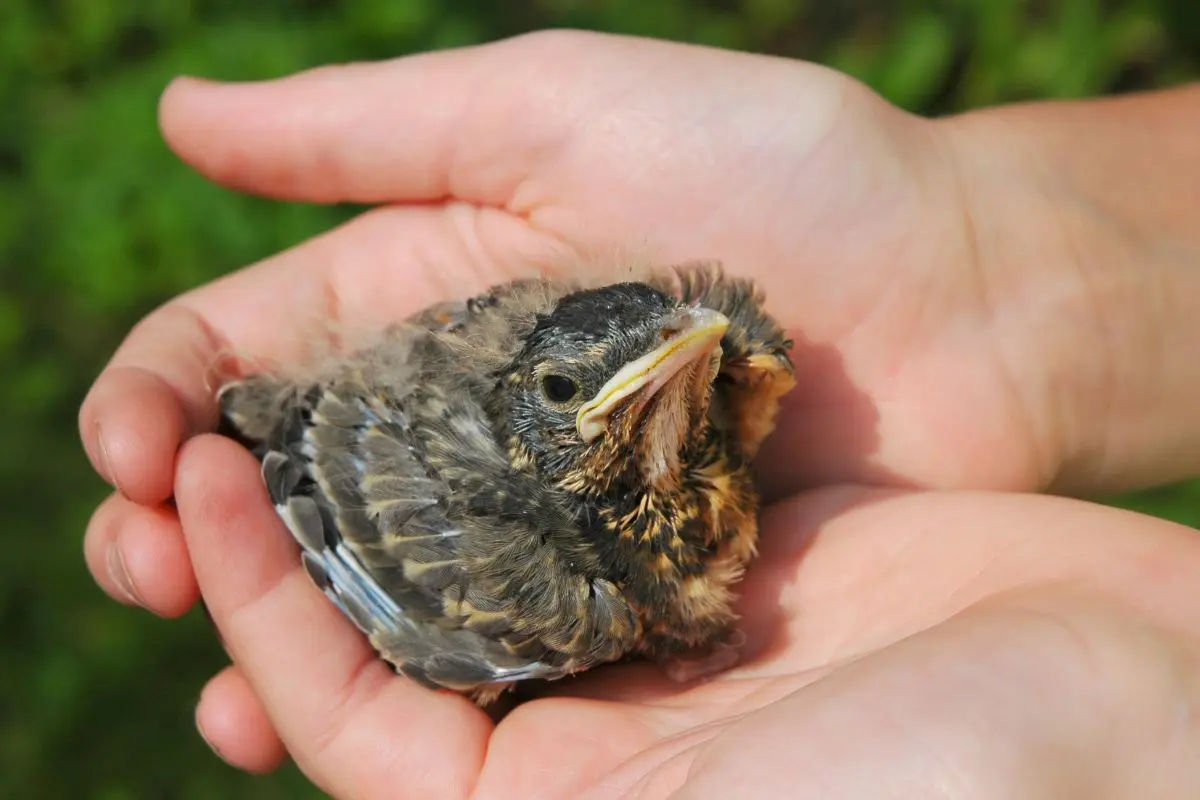
Credit: wildbloo.com

Credit: www.wmra.org
Frequently Asked Questions
What Should I Feed Baby Birds With Feathers?
Feed baby birds with soft, protein-rich foods like soaked dog kibble, mealworms, and finely chopped boiled eggs. Avoid bread or milk as they harm birds. Fresh water is essential for hydration. This diet supports their growth and feather development effectively.
Can Baby Birds Eat Seeds And Nuts?
Baby birds with feathers can eat small seeds and finely chopped nuts. These provide essential fats and proteins. However, seeds should be soaked or softened to prevent choking. Always ensure the size and type suit the bird species for safe feeding.
How Often Should I Feed Feathered Baby Birds?
Feed feathered baby birds every 2-3 hours during daylight. Young birds need frequent meals for energy and growth. Gradually reduce feeding frequency as they mature. Consistency in feeding times helps them develop natural eating habits and strengthens their health.
Is It Safe To Feed Baby Birds Human Food?
Avoid feeding baby birds processed human food. Some fruits like mashed bananas or apples are safe in small amounts. Do not give salt, sugar, or dairy products. Proper bird food ensures balanced nutrition and prevents health issues in baby birds.
Conclusion
Feeding baby birds with feathers shows care and helps them grow strong. Soft feathers keep them warm and safe from cold. Providing the right food supports their health and development. Watch the birds closely to learn their needs. Feeding them gently builds trust and helps them thrive.
Remember, patience is key to helping young birds survive. Small efforts can make a big difference for these fragile creatures. Care and attention help baby birds grow into healthy adults.