

Picture this: you’re walking through your garden and suddenly, you spot a tiny, helpless fledgling baby bird that has fallen from its nest. Your heart goes out to this little creature, and you feel an urge to help.
But then, the big question hits you—what exactly do you feed a fledgling baby bird? Feeding a young bird isn’t just about giving it food; it’s about providing the right nutrition for its growth and survival. You certainly don’t want to offer something that could harm it.
We’ll guide you through the essentials of what to feed these delicate creatures. You’ll learn how to make sure you’re giving them the best chance to thrive. With the right knowledge, you can become a hero to these little birds. Keep reading, and let’s give these fledglings the care they deserve.
Diet Needs Of Fledglings
Understanding the diet needs of fledgling baby birds is key to helping them grow strong and healthy. Their diet isn’t just about filling their tiny stomachs—it’s about providing the right balance of nutrients in the right form. Feeding a fledgling requires attention to what they need and how they can handle the food.
Nutritional Requirements
Fledglings need a diet rich in protein to support rapid growth and developing muscles. This means you should focus on foods like insects, worms, and high-protein bird formulas designed for young birds.
Calcium is another vital nutrient for strong bones and feathers, so including crushed eggshells or calcium supplements can make a real difference. Don’t forget small amounts of healthy fats and carbohydrates, which provide energy for their active little bodies.
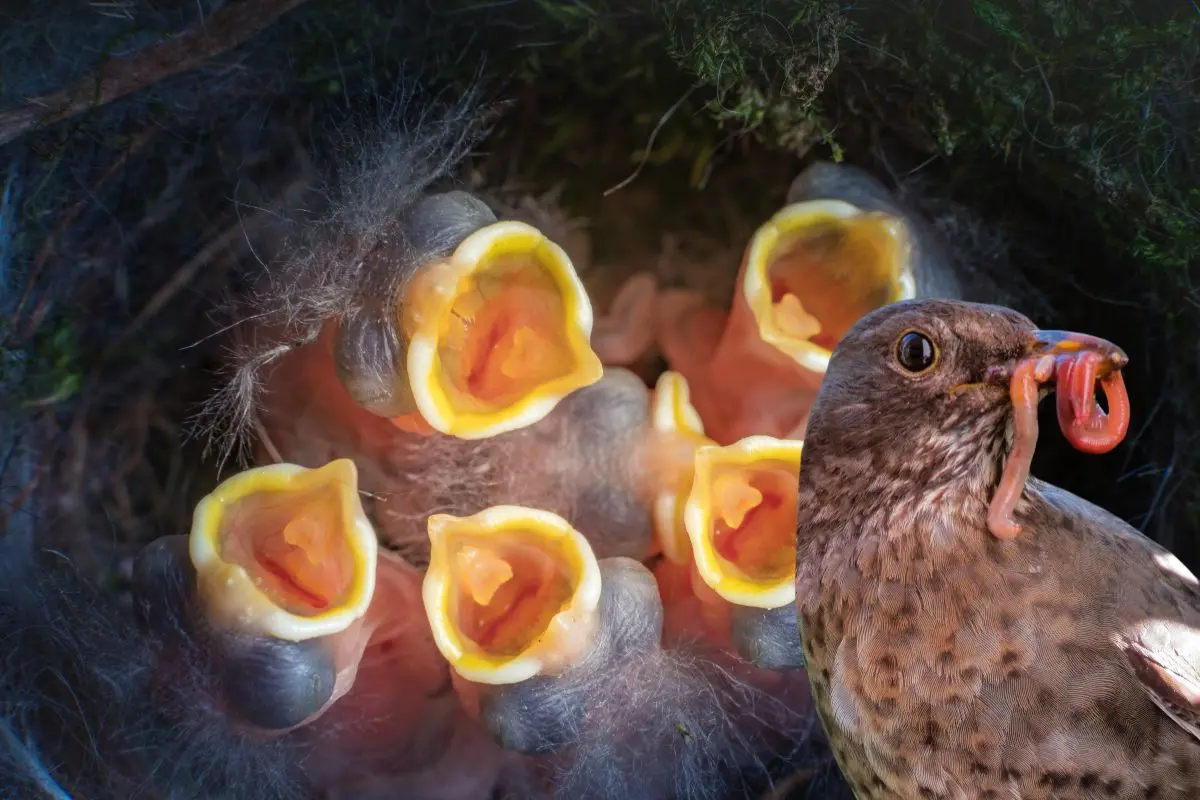
Have you noticed how adult birds often feed their young soft, protein-packed insects? Mimicking this natural diet helps ensure fledglings get everything they need to thrive.
Food Texture And Size
The texture and size of the food you offer matter as much as the nutrients inside. Fledglings aren’t ready to chew tough or large pieces, so food must be soft and small enough to swallow easily.
Chop or mash food into tiny bits—think of how a parent bird tears food into manageable pieces. Wetting dry food slightly can also make it easier for fledglings to eat without choking.
Remember, offering food that’s too hard or large can discourage fledglings from eating or cause them harm. How carefully are you preparing food for your little feathered friend?
Credit: wildbloo.com
Safe Food Options
Feeding a fledgling baby bird the right foods is crucial for its growth and survival. Safe food options provide the nutrients your young bird needs without causing harm. Knowing what to feed helps you avoid common mistakes that could affect their development.
Insects And Protein Sources
Protein is vital for baby birds, especially during their rapid growth phase. You can safely offer small insects like mealworms, crickets, or finely chopped cooked eggs. These options mimic the natural diet of many wild birds and support muscle and feather development.
Avoid feeding wild-caught insects, as they might carry pesticides or parasites. Instead, buy insects from pet stores or raise mealworms yourself. Have you noticed how quickly your baby bird responds to a protein-rich meal?
Fruits And Vegetables
Fresh fruits and vegetables add important vitamins and hydration. Soft options like mashed bananas, cooked carrots, or peeled apples work well. Always cut these into tiny pieces or mash them thoroughly to prevent choking.
Be cautious with citrus fruits and avoid anything acidic or sugary. You might be surprised how much a small taste of carrot or apple can brighten a fledgling’s energy. Offering a variety ensures your bird gets a balanced mix of nutrients.
Commercial Bird Foods
High-quality commercial baby bird formulas are designed to meet nutritional needs safely. These ready-made options are convenient and reduce the risk of unbalanced diets. Follow the package instructions carefully, and warm the food slightly before feeding.
Some brands offer specialized pellets or powders for different bird species. Have you tried mixing commercial food with natural ingredients to see if your bird prefers one over the other? This can help you find the perfect blend for your fledgling’s taste and health.
Feeding Techniques
Feeding fledgling baby birds requires careful attention and gentle handling. The right feeding techniques ensure the young bird grows strong and healthy without stress or injury. Let’s look at how often to feed, the best way to feed, and common mistakes to avoid.
Frequency And Portions
Fledglings need frequent meals because they burn energy fast. Feeding them every 20 to 30 minutes during daylight hours keeps them nourished. Overfeeding is a risk, so serve small amounts that the bird can finish comfortably.
Watch the bird’s crop to see if it’s full but not stretched. If you see the crop still empty after feeding, increase the portion slightly next time. If the crop feels too tight, reduce the food amount or space out feeding times.
Proper Feeding Methods
Use a small syringe or dropper for controlled feeding. Gently insert the tip at the side of the beak, not the center, to avoid choking. Let the bird open its mouth naturally before offering food.
Feed slowly to mimic how parent birds deliver food. Never force the food, and pause if the bird shows signs of distress. A calm feeding session helps the bird feel secure and encourages eating.
Avoiding Common Mistakes
- Never feed bread or milk:These can harm the bird’s digestive system.
- Don’t overfeed:It leads to crop infections and discomfort.
- Avoid using inappropriate tools:Sharp or large feeding implements can injure the bird.
- Keep food at the right temperature:Too cold or too hot food can cause shock or burns.
Have you ever noticed how a slight change in feeding technique affects a bird’s willingness to eat? Small adjustments make a big difference in their recovery and growth.
Credit: www.petsradar.com
Hydration Tips
Hydration is vital for the health of fledgling baby birds. They lose water quickly and need steady fluid intake. Proper hydration supports digestion and keeps their body temperature stable. Watch for signs of dehydration such as lethargy or dry skin. Providing the right amount of fluids helps them grow strong and active.
Water Needs
Baby birds need water frequently because their small bodies dry out fast. Their water should come mainly from their food. Many baby bird foods contain enough moisture. Still, offering extra water can prevent dehydration. Avoid giving too much water at once to stop choking or illness.
Safe Ways To Provide Fluids
- Use a small dropper or syringe to give tiny amounts of water gently.
- Mix water with soft foods like soaked dog kibble or baby bird formula.
- Never force water directly into the bird’s throat.
- Offer fluids in a shallow dish if the bird can drink safely.
- Keep water clean and fresh to avoid infections.
Signs Of Health And Growth
Recognizing signs of health and growth in fledgling baby birds is key to their proper care. Healthy chicks show steady progress in weight and behavior. Monitoring these signs helps ensure the bird develops well. It also guides feeding and care adjustments. Understanding these indicators supports a strong start for the young bird’s life.
Weight Monitoring
Tracking weight helps measure the bird’s growth accurately. Weigh the fledgling daily at the same time. Use a small, precise scale for best results. A steady increase in weight shows good health. Sudden weight loss or no gain can signal problems. Keep a simple chart to record daily weights. This practice helps spot issues early.
Behavioral Indicators
Healthy fledglings are active and alert. They respond quickly to sounds and movements. Look for steady wing flapping and strong leg movement. A baby bird that begs for food eagerly is usually healthy. Sleeping patterns matter too; the bird should rest peacefully. Watch for signs like lethargy or constant crying. These may indicate illness or stress.

Credit: scvbirdalliance.org
When To Seek Help
Knowing when to seek help for a fledgling baby bird is crucial. Sometimes, despite your best efforts, the bird may need expert care to survive and thrive. Understanding the signs of distress and knowing who to contact can make a big difference in the bird’s outcome.
Recognizing Distress
Watch closely for signs that the fledgling is struggling. If the bird is weak, shivering, or unresponsive, these are clear signals it needs help. A baby bird that is repeatedly falling or unable to perch properly may be injured or sick.
Also, listen for unusual quietness or constant crying; both can indicate distress. If the bird’s feathers look ruffled or dirty, or if it appears lethargic, don’t hesitate to act. Have you noticed any sudden changes in the bird’s behavior?
Contacting Wildlife Experts
Once you recognize the signs, reach out to professionals immediately. Wildlife rehabilitators and local animal rescue centers have the right knowledge and tools to care for baby birds. They can provide medical treatment and a safe environment for recovery.
Keep contact information for nearby wildlife experts handy before you find a bird in trouble. Many communities have organizations dedicated to helping injured wildlife, and they often offer advice over the phone. Have you checked if there’s a licensed rehabilitator near you?
- Call a local wildlife rehabilitator or animal control center.
- Follow their instructions carefully, especially about handling the bird.
- Transport the bird in a quiet, warm box if advised.
Remember, your quick response can save a life. Don’t wait and hope the bird recovers on its own—experts are your best resource in these situations.
Frequently Asked Questions
What Is The Best Food For A Fledgling Baby Bird?
The best food for fledglings includes soft, protein-rich items like insects, soaked dog food, and finely chopped fruits. Avoid bread or milk as they can harm the bird. Feeding frequent small meals mimics natural feeding by parent birds.
How Often Should I Feed A Baby Bird?
Feed fledgling birds every 20 to 30 minutes during daylight hours. Frequent feeding supports their rapid growth and energy needs. Avoid overfeeding and ensure the bird swallows each portion before offering more.
Can I Feed A Baby Bird Bread Or Milk?
No, bread and milk are harmful to baby birds. Bread offers no nutrition and can cause digestive issues. Milk can upset their stomachs since birds lack the enzyme to digest lactose.
What Should I Avoid Feeding Fledgling Birds?
Avoid feeding fledglings processed foods, salty snacks, bread, and milk. These can cause malnutrition or digestive problems. Stick to natural, protein-rich, and soft foods to ensure healthy development.
Conclusion
Feeding a fledgling baby bird takes care and attention. Use soft, easy-to-digest foods like insects and mashed fruits. Avoid giving bread or milk, as they can harm the bird. Offer small amounts often to keep the baby bird full. Watch the bird’s response and adjust feeding as needed.
Patience helps the baby bird grow strong and healthy. Remember, helping a baby bird is a kind and rewarding act. Keep learning and caring to support its journey to independence.