

Are you wondering what to feed baby starling birds? You’re not alone.
Many bird enthusiasts and new bird parents find themselves puzzled about providing the right nutrition for these tiny creatures. Feeding baby starlings correctly is crucial for their growth and survival. In this guide, you’ll discover simple and effective feeding strategies to ensure your feathered friend thrives.
By understanding their dietary needs, you can create a nurturing environment that supports their development. Ready to learn how to give your baby starlings the best start in life? Let’s dive in!
Diet Basics For Baby Starlings
Feeding baby starlings properly is crucial for their growth and survival. Their diet needs to meet specific nutritional demands to support their rapid development. Understanding the basics of what to feed them will help you raise healthy and strong birds.
Nutritional Needs
Baby starlings require a diet rich in protein to fuel their fast growth. Protein supports muscle development and overall health. They also need fats for energy and calcium for strong bones.
Vitamins and minerals play a key role in boosting their immune system. Without the right balance, baby starlings can become weak or prone to illness. Have you ever noticed how picky they can be? Meeting their nutritional needs means paying close attention to the food you offer.
Feeding Frequency
Young starlings eat frequently, often every 20 to 30 minutes during daylight hours. This frequent feeding mimics how their parents feed them in the wild. You should plan to feed your baby starling about 8-12 times a day.
As they grow, the feeding intervals can gradually extend. Too long without food can stress the bird and slow its growth. Are you ready to commit to this schedule? It’s demanding but essential for their well-being.
Suitable Food Types
Baby starlings thrive on a variety of foods that provide the nutrients they need. Some excellent options include:
- Soft insects like mealworms and crickets – great sources of protein.
- Soaked dog or cat kibble – easy to digest and protein-rich.
- Boiled eggs – packed with protein and fats.
- Fruit purees such as apples, pears, and berries – add vitamins and natural sugars.
- Specialized bird hand-feeding formula – designed for baby birds’ needs.
Make sure the food is soft and easy to swallow. Hard or dry foods can cause choking. Have you tried mixing different foods to see what your starling prefers? Variety helps ensure they get a balanced diet.
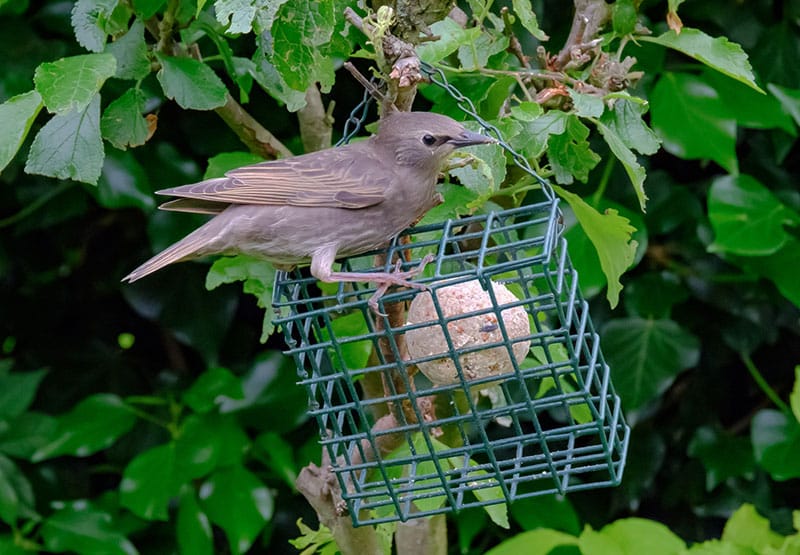
Credit: www.birdspot.co.uk
Homemade Food Options
Homemade food options for baby starling birds provide a natural and nutritious diet. Fresh ingredients help support their growth and energy. Preparing food at home allows control over quality and variety. It also mimics their natural feeding habits closely. This section explores simple homemade meals suitable for young starlings.
Insect-based Meals
Baby starlings need protein-rich foods like insects. Mealworms, crickets, and small larvae work well. These insects supply essential nutrients for strong bones and feathers.
- Chop insects finely for easy swallowing.
- Serve them live or softened with water.
- Ensure insects are pesticide-free and safe.
Offering a variety of insects keeps the diet balanced and interesting.
Fruit And Vegetable Choices
Soft fruits and vegetables add vitamins and minerals. Choose options with mild flavors and soft textures. Good choices include mashed apples, bananas, peas, and cooked carrots.
- Cut into small pieces or mash well.
- Avoid citrus fruits as they can upset digestion.
- Introduce one type at a time to watch for reactions.
Fresh produce supports digestion and boosts the immune system.
Protein Supplements
Protein supplements help fill nutritional gaps in homemade diets. Cottage cheese, boiled eggs, and plain yogurt are safe choices. These foods aid muscle and feather development.
- Offer small amounts mixed with other foods.
- Use fresh and unseasoned products only.
- Monitor for signs of intolerance or allergies.
Protein supplements ensure baby starlings get enough energy and nutrients daily.
Commercial Food Choices
Choosing the right commercial food for baby starling birds can make a big difference in their growth and health. You want to pick options that provide balanced nutrition and are easy for these young birds to digest. Let’s look at some reliable commercial food choices and how to make the best picks for your baby starlings.
Starling-specific Formulas
Starling-specific formulas are designed to meet the exact nutritional needs of these birds. These products usually come as powders or pellets that you mix with water to create a soft, easy-to-eat mash. I once tried a general baby bird formula, and the starlings didn’t thrive as well compared to when I switched to a starling-specific one.
Look for formulas that list protein sources like eggs or insects high on the ingredient list. These formulas often contain vitamins and minerals tailored for starlings, supporting healthy feather growth and strong bones. You can find these specialized foods at bird supply stores or online.
Safe Bird Seeds
While baby starlings mainly need soft food, introducing safe bird seeds gradually is important as they grow. Seeds like millet, safflower, and sunflower hearts are good choices because they are nutritious and easy to digest. Avoid large or hard seeds that the babies can choke on or struggle to eat.
Seeds should be fresh and free from mold or dust to prevent illness. I recommend soaking seeds briefly to soften them before offering, which mimics natural feeding in the wild. This step also helps your baby starlings transition smoothly to solid foods.
Avoiding Harmful Ingredients
Not all commercial bird foods are safe for baby starlings. Some contain fillers, artificial colors, or preservatives that can harm their delicate systems. Always read labels carefully and steer clear of products with added sugar, salt, or unknown chemicals.
Did you know that certain seeds like apple seeds or avocado pieces are toxic to starlings? Even in commercial mixes, double-check the ingredients to avoid these dangerous items. Protect your baby birds by choosing clean, natural, and trusted brands only.
Feeding Techniques
Feeding baby starling birds requires care and patience. Proper feeding techniques ensure these fragile birds grow healthy and strong. Using the right methods helps avoid stress and injury during feeding. Observing their behavior guides you to adjust feeding routines effectively.
Hand-feeding Tips
Use gentle and steady movements to avoid scaring the baby starling. Keep your hands clean to prevent infections. Warm the food to match the bird’s body temperature, around 100°F (38°C). Offer small amounts frequently to mimic natural feeding. Support the bird’s body gently but firmly during feeding. Watch for signs of fullness to avoid overfeeding.
Using Feeding Tools
Spoons, syringes, or small feeding tubes work well for baby starlings. Choose soft tools to protect their delicate beaks. Fill the tool with a smooth, easy-to-swallow formula or mashed insects. Feed slowly to prevent choking or aspiration. Clean all feeding tools thoroughly after each use. Replace tools regularly to maintain hygiene.
Monitoring Intake
Track how much food the baby starling eats daily. Keep a feeding log with times and amounts. Look for steady weight gain as a sign of good health. Note any refusal to eat or difficulty swallowing. Adjust feeding volume if the bird shows signs of hunger or fullness. Consult a vet if intake drops or health issues arise.
Common Feeding Mistakes
Feeding baby starling birds might seem straightforward, but there are common mistakes that can affect their health and growth. Understanding these errors helps you avoid problems early on, ensuring your feathered friends thrive. Let’s look at some typical feeding pitfalls you should watch out for.
Overfeeding Risks
Giving too much food can be harmful, not helpful. Baby starlings have small stomachs, so overfeeding can cause discomfort and digestive issues. It might surprise you, but overfeeding can lead to regurgitation or even aspiration pneumonia if the bird inhales food.
Watch the bird’s behavior closely after feeding. If you notice bloating or lethargy, you could be offering too much. Ask yourself: Is the bird finishing its meals quickly, or is there leftover food? Adjust the portion size accordingly to avoid these risks.
Inappropriate Food Items
Not all foods are safe or nutritious for baby starlings. Avoid giving bread, milk, or processed human snacks—they can upset the bird’s delicate digestive system. Even some insects found outdoors may carry parasites or pesticides, making them unsafe.
Stick to a diet of soft, protein-rich foods like soaked dog kibble, mealworms, and finely chopped fruits. Have you ever wondered why some baby birds fail to thrive despite regular feeding? Often, it’s because they’re given unsuitable food.
Signs Of Malnutrition
Malnutrition may not be obvious right away, but you can spot warning signs if you look carefully. Weakness, slow growth, and dull feathers often indicate a lack of essential nutrients. You might see the baby starling begging constantly or losing weight despite frequent feeding.
Keeping a feeding log can help you track the bird’s progress and spot issues early. Are you noticing any unusual behaviors or changes in appearance? Early detection allows you to adjust the diet and seek expert advice if needed.

Credit: www.pigeons.biz
Encouraging Natural Foraging
Encouraging natural foraging helps baby starling birds develop essential survival skills. It supports their growth and independence. This process mimics how they find food in the wild. Feeding techniques should gradually shift from hand-feeding to self-feeding. This change builds confidence and sharpens instincts.
Transition To Solid Food
Start by offering soft, easy-to-eat foods. Mash insects, fruits, and seeds into small pieces. Place food in shallow dishes to attract the baby birds. Gradually reduce the softness as they get used to solid textures. This step helps them learn to chew and swallow independently.
Introducing Outdoor Feeding
Move feeding sessions outside to a safe, quiet area. Scatter food on natural surfaces like soil or leaves. This encourages exploration and mimics their natural environment. Keep the amounts small to avoid waste. Watch closely to ensure they eat safely and adapt well.
Stimulating Hunting Behavior
Offer live food such as mealworms or crickets. Hide food under leaves or inside bark pieces. This challenges baby starlings to search and catch their meals. Use small sticks or twigs to create natural hiding spots. This activity improves their agility and sharpens hunting skills.
Health And Growth Monitoring
Monitoring the health and growth of baby starling birds is essential to ensure they thrive. Paying close attention to their development helps you spot potential problems early. This way, you can adjust their diet or seek help before issues become serious.
Weight Tracking
Weigh your baby starling daily using a small, precise scale. Keep a simple chart to record the numbers and look for steady weight gain. A sudden drop or no increase in weight could mean your bird isn’t getting enough nutrients.
Have you noticed any weight fluctuations in your baby starling? Tracking these details can help you make quick decisions about their feeding schedule or formula.
Behavioral Signs Of Health
Healthy baby starlings are alert and active. They should respond to sounds and movements around them. Watch for clear eyes, smooth feathers, and strong wing movements as signs of good health.
If your bird seems lethargic or unresponsive, that’s a red flag. Have you observed any unusual behavior that worries you? Early detection can save their life.
When To Consult A Vet
Don’t wait too long to get professional advice if you notice signs like persistent weight loss, difficulty breathing, or unusual droppings. These symptoms can indicate infections or nutritional issues.
Regular vet checkups can also help you prevent problems before they start. If you’re unsure about your baby starling’s condition, it’s safer to ask an expert. What questions will you bring to your vet next time?

Credit: medium.com
Frequently Asked Questions
What Is The Best Food For Baby Starling Birds?
Baby starlings thrive on soft, protein-rich foods like soaked dog food, mealworms, and finely chopped boiled eggs. These provide essential nutrients for growth and development.
How Often Should I Feed A Baby Starling?
Feed baby starlings every 20 to 30 minutes during daylight hours. Frequent feeding ensures they get enough energy to grow strong and healthy.
Can I Feed Baby Starlings Bread Or Milk?
Avoid feeding bread and milk to baby starlings. Bread lacks nutrients, and milk can cause digestive problems in young birds.
When Can Baby Starlings Eat Solid Foods?
Baby starlings can start eating soft solid foods at around two weeks old. Gradually introduce insects and fruits as they grow.
Conclusion
Feeding baby starling birds takes care and attention. Offer soft foods like soaked dog food or insects. Fresh water is just as important for their health. Avoid giving salty or sugary foods that harm them. Watch their eating habits to ensure they grow strong.
Patience helps baby starlings thrive and develop well. With the right food, they will soon fly and explore. Caring for these birds brings joy and satisfaction. Keep learning about their needs to provide the best care. Small steps make a big difference in their lives.