

Are you wondering what to feed a baby minor bird? You’re not alone.
Baby birds can be quite the mystery, especially when it comes to their diet. You want to ensure you’re providing the best nutrition to help them grow strong and healthy. But with so many opinions out there, it can be overwhelming to know where to start.
Imagine the peace of mind you’ll feel when you know exactly what to feed your feathered friend. In this guide, you’ll discover simple and effective feeding strategies that will make a big difference in your baby bird’s development. Keep reading to unlock the secrets to nurturing your baby minor bird with confidence and care.
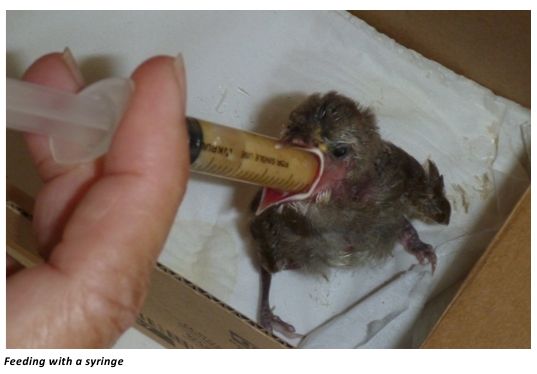
Credit: besgroup.org
Choosing The Right Food
Feeding a baby minor bird requires careful choice of food to ensure proper growth. The right food provides essential nutrients for strong bones and healthy feathers. It supports their immune system and energy levels. Choosing the correct diet helps prevent illness and promotes overall well-being. Understanding which foods suit baby birds is important for any bird caretaker.
Types Of Suitable Foods
- Soft fruits like mashed bananas and apples
- Cooked grains such as rice or oatmeal
- Insects like mealworms for protein
- Specialized hand-feeding formulas from pet stores
- Boiled eggs finely chopped for extra nutrients
- Small seeds soaked in water to soften
These foods provide balanced nutrition. They are easy to digest and safe for baby birds. Always prepare food fresh and clean.
Avoiding Harmful Ingredients
- No salt or sugar added to any food
- Avoid chocolate, caffeine, or alcohol completely
- No avocado or onion as they are toxic
- Do not feed raw beans or potatoes
- Avoid hard seeds that can cause choking
- No processed human food or junk snacks
These ingredients can cause serious health problems. Stick to natural and bird-safe foods only. Keep harmful items far from the feeding area.

Credit: www.youtube.com
Feeding Frequency And Portions
Feeding a baby minor bird requires careful attention to both how often you feed and the amount you offer each time. Getting these details right can make a huge difference in the bird’s growth and overall health. Let’s break down the essentials so you can confidently support your tiny feathered friend.
How Often To Feed
Baby minor birds need frequent feedings because their tiny stomachs can’t hold much food at once. In the first week, feeding every 15 to 20 minutes during daylight hours is common. This might sound intense, but it mimics how mother birds nurture their chicks.
As the bird grows, you can gradually stretch the time between feedings to 30 minutes, then 45 minutes, and eventually hourly. Watch your bird closely—if it seems restless or cries a lot, it might need more frequent meals.
Have you noticed how some birds seem to ask for food constantly? That’s your cue to adjust your schedule. Remember, consistency is key, so try to keep feeding times regular.
Determining The Right Amount
Figuring out how much to feed a baby minor bird depends on its size and age. A good rule is to fill the crop—the expandable part of the bird’s throat—without overfilling it. The crop should feel soft and round, not hard or swollen.
Start with small portions and observe if the bird finishes comfortably. If it leaves food or regurgitates, you might be giving too much. If it seems hungry soon after, increase the portion slightly.
Some caregivers find it helpful to keep a simple feeding log. Note the amount you give and how the bird responds. This way, you can quickly spot patterns and make adjustments.
Preparing Food Safely
Preparing food safely for a baby minor bird is essential to keep it healthy and thriving. You want to avoid any risks of contamination or spoilage that could harm your little feathered friend. Safe preparation not only protects the bird but also makes feeding time smoother and more enjoyable for you.
Proper Food Handling
Always wash your hands thoroughly before preparing food for your baby bird. This simple habit reduces the chance of transferring germs and bacteria.
Use fresh ingredients and avoid anything past its expiration date. If you’re mixing formulas or fresh foods, measure carefully to ensure the right balance of nutrients.
Be gentle when handling the food. Baby birds have delicate digestive systems, so avoid adding anything harsh or difficult to digest.
Maintaining Cleanliness
Clean all utensils, feeding syringes, and bowls with hot, soapy water before and after each feeding session. Rinse well to remove soap residue.
Disinfect feeding tools regularly using a bird-safe cleaner or a mild bleach solution. This step helps prevent bacteria growth that can make your bird sick.
Keep the feeding area tidy. A clean environment lowers the risk of contamination and makes it easier for you to spot any issues early.
Have you ever noticed how much cleaner your feeding routine becomes just by dedicating a few extra minutes to washing and disinfecting? It’s worth the effort when you see your baby bird thriving!
Hydration Needs
Hydration is vital for a baby minor bird’s health and growth. Young birds lose water quickly and need constant moisture. Providing the right amount of water supports digestion and body functions. Without enough water, their energy drops and illness risk rises.
Water Supply Tips
- Use a small, shallow dish for easy access.
- Change water twice daily to keep it fresh.
- Keep water at room temperature to avoid shock.
- Offer water through a dropper if the bird cannot drink alone.
- Mix water with soft food for extra hydration.
- Check water cleanliness to prevent germs.
Signs Of Dehydration
- Sunken eyes or dull appearance.
- Dry or wrinkled skin around the beak.
- Weakness or low energy levels.
- Less frequent swallowing or feeding.
- Sticky or dry mouth and throat.
- Cold extremities or slow movements.
Monitoring Growth And Health
Keeping a close eye on your baby minor bird’s growth and health is essential for raising a strong, happy bird. Monitoring helps you spot any issues early and adjust care to meet your bird’s unique needs. It also gives you peace of mind, knowing your feathered friend is thriving.
Tracking Weight And Development
Regularly weighing your baby minor bird is one of the best ways to track its growth. Use a small, accurate scale and weigh your bird at the same time each day to notice any changes.
Beyond weight, watch for milestones like feather growth, alertness, and activity levels. If your bird suddenly stops gaining weight or seems less active, it could be a warning sign.
Write down these observations. Keeping a simple chart or journal can help you detect patterns and share important info with your vet.
Common Health Issues
Baby minor birds can face several health challenges, especially if they aren’t fed or cared for properly.
- Respiratory Problems:Listen for wheezing or labored breathing, which might indicate an infection.
- Digestive Issues:Watch for diarrhea or changes in droppings; these often signal dietary problems or illness.
- Feather and Skin Problems:Bald spots or scaly skin can point to mites or nutritional deficiencies.
Noticing any of these signs means you should consult a vet immediately. Early action can prevent minor problems from becoming serious.
Have you ever caught a health issue early just by observing your bird’s behavior? Your careful attention can make all the difference in your baby bird’s life.
When To Transition To Solid Food
Knowing when to transition your baby minor bird to solid food is essential for its healthy growth and development. This change isn’t just about introducing new tastes; it’s about ensuring your bird can handle and benefit from a more varied diet. Timing this transition right can prevent digestive issues and help your bird build the strength it needs to eat independently.
Signs Of Readiness
Watch your baby bird closely for signs that it’s ready for solids. One clear indicator is increased beak strength—if your baby minor bird starts opening its mouth wider and pecking at soft foods, it’s a good sign. You might also notice less eagerness for hand feeding or regurgitated formula, signaling readiness for a change.
Another key sign is curiosity about your food or the environment around it. If your bird leans forward or tries to nibble on what you’re offering, it’s showing interest in solids. These behaviors usually appear around 3 to 4 weeks of age but can vary depending on the species.
Introducing New Foods
Start by offering soft, easy-to-digest options like soaked pellets or mashed fruits and vegetables. Use a shallow dish or your finger, allowing your bird to explore the new textures at its own pace. Avoid forcing food—patience is vital here, as rushing can cause stress or refusal.
Offer small amounts several times a day and observe how your bird reacts. You might notice initial hesitation, but consistent gentle encouragement helps build confidence. Remember, the goal is to complement the existing diet, not replace it immediately.
- Begin with soft foods like mashed bananas or soaked pellets
- Keep meals small and frequent to avoid overwhelming your bird
- Always monitor for any digestive upset or allergic reactions
Have you ever noticed your baby bird’s preferences change quickly? Keeping a food diary can help track what works best and when to introduce new options. This way, you tailor the feeding experience to your bird’s unique needs.
Consulting A Veterinarian
Feeding a baby minor bird requires special care and attention. Consulting a veterinarian ensures the bird gets the right nutrition. Experts can guide you on proper feeding techniques and diet. They also help identify any health issues early. Professional advice keeps the baby bird healthy and strong.
When To Seek Professional Help
Seek a veterinarian’s help if the baby bird shows signs of illness. Symptoms include lethargy, loss of appetite, or unusual droppings. Sudden changes in behavior or weight loss also need attention. A vet can diagnose problems and suggest the right treatment. Early intervention improves the bird’s chances of survival.
Regular Health Checkups
Schedule regular visits to a vet for ongoing care. Checkups help track the baby bird’s growth and health. The vet can adjust feeding plans as the bird grows. These visits prevent potential problems before they become serious. Routine exams support a healthy development process.

Credit: www.youtube.com
Frequently Asked Questions
What Is The Best Food For A Baby Minor Bird?
Baby minor birds thrive on a diet of soft, easily digestible foods. Offer soaked birdseed, mashed fruits, and finely chopped insects. These provide essential nutrients for growth and development. Avoid hard seeds until the bird matures and can handle tougher textures safely.
How Often Should I Feed A Baby Minor Bird?
Feed baby minor birds every 2 to 3 hours during daylight. Frequent feeding mimics natural care from parent birds. Ensure meals are small and fresh to prevent spoilage. Gradually extend feeding intervals as the bird grows and becomes more independent.
Can I Feed A Baby Minor Bird With Formula?
Yes, specialized avian hand-rearing formulas are ideal for baby minor birds. They offer balanced nutrition and are easy to digest. Avoid cow’s milk or human baby formula as they can cause digestive issues. Always prepare formula fresh and warm before feeding.
When Can A Baby Minor Bird Eat Solid Food?
Introduce soft solid foods when the baby bird is about two weeks old. Start with soaked seeds and finely chopped fruits or vegetables. Monitor its ability to swallow and digest solid food properly. Gradually increase the variety and texture as the bird matures.
Conclusion
Feeding a baby minor bird needs care and patience. Choose soft, easy-to-digest foods like mashed fruits and insects. Keep meals frequent but small to support healthy growth. Always provide fresh water for hydration. Watch the bird’s reaction to new foods closely.
A well-fed baby bird grows strong and healthy. Your gentle care makes a big difference. Keep learning and adjusting as the bird grows. Simple steps ensure your baby bird thrives every day.