

Have you ever paused to watch a Dark-eyed Junco fluttering around your backyard? These tiny birds, with their distinctive dark eyes and charming behavior, are a delightful sight for any bird watcher.
But have you ever wondered why they seem to captivate your attention so intensely? There’s something about their big, expressive eyes that draws you in, almost as if they’re telling a story. In this blog post, you’ll discover the fascinating ways in which these birds feed and interact, and how their captivating eyes play a crucial role in their survival and communication.
Unravel the secrets behind their mesmerizing gaze, and learn why understanding these little details can transform your bird-watching experience into something truly extraordinary. Stay with us, and let’s explore what makes the Dark-eyed Junco so special.
Credit: californiacurated.com
Dark Eyed Junco Basics
Understanding the basics of the Dark Eyed Junco can enhance your birdwatching experience and deepen your appreciation for this common yet fascinating bird. These small birds have unique characteristics and behaviors that make them stand out during feeding times, especially when their big eyes focus intently on their food. Let’s dive into what makes the Dark Eyed Junco special.
Physical Traits
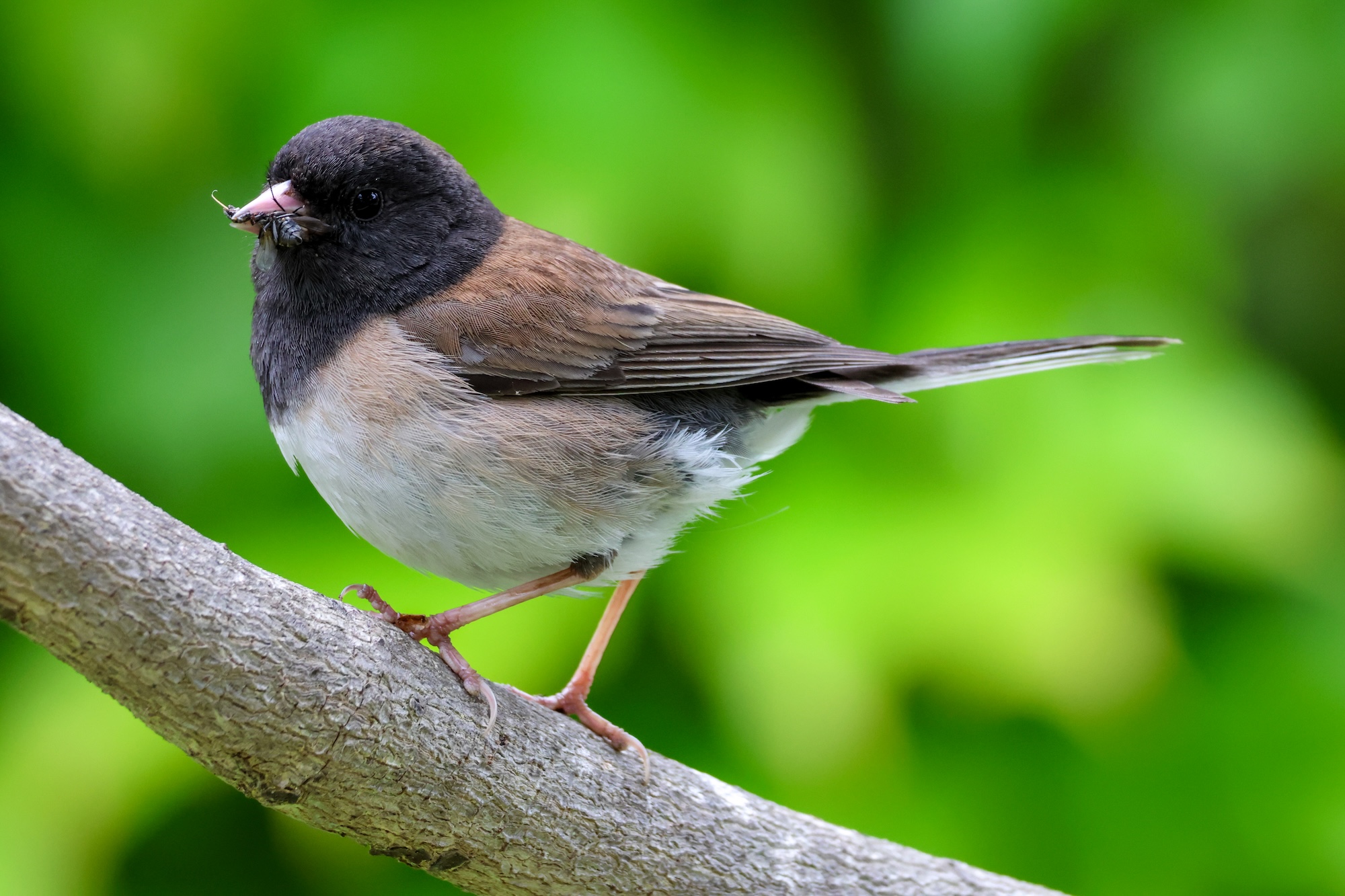
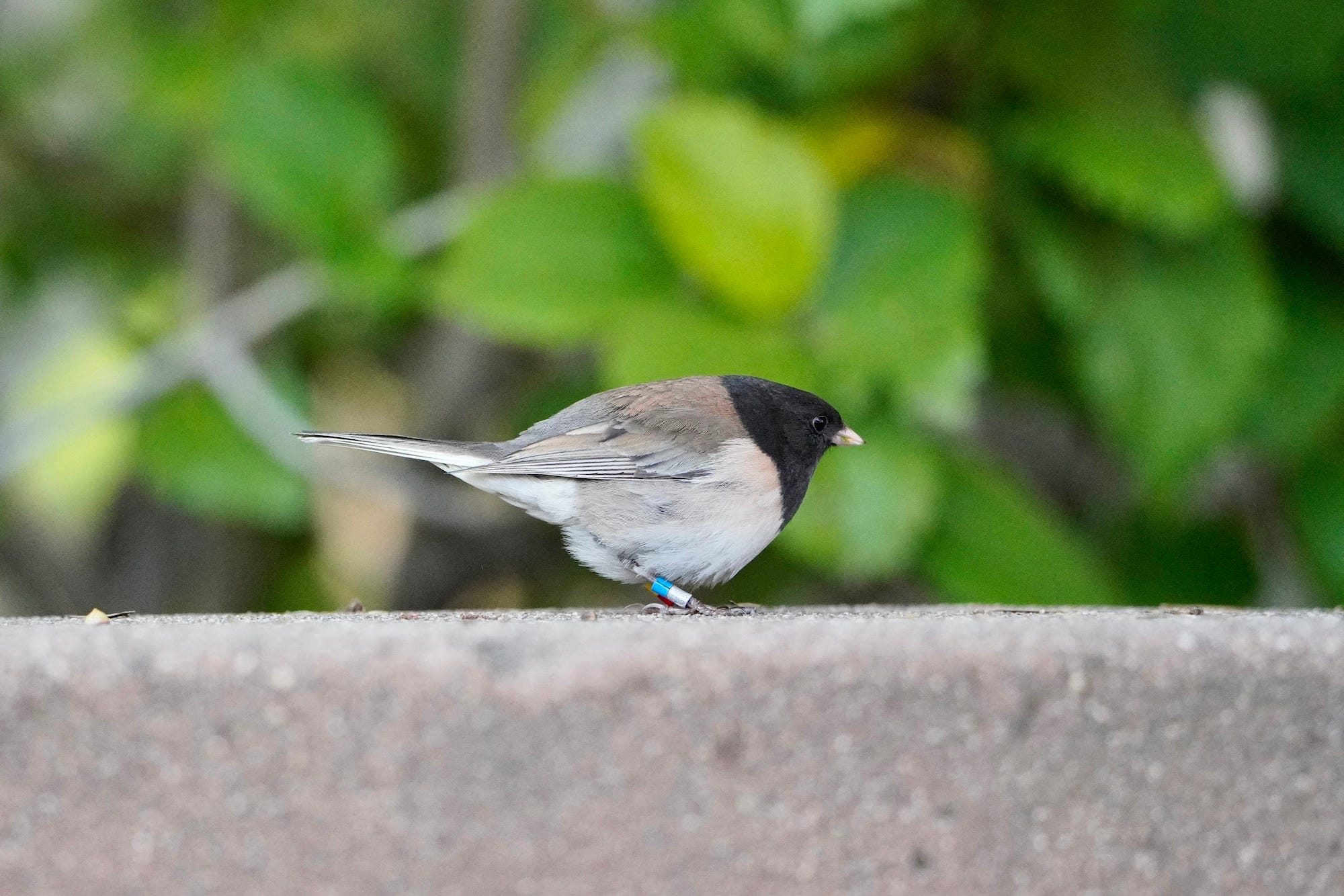
The Dark Eyed Junco is a small songbird with a round body and a short, stout beak perfect for cracking seeds. Their most notable feature is their large, dark eyes that give them an alert and curious look. Males typically have slate gray feathers while females lean towards a softer brown tone.
Have you noticed how their big eyes seem almost too large for their heads? This trait helps them spot predators and food quickly, giving them an advantage in the wild.
Habitat And Range
These birds are widespread across North America, commonly seen in forests, woodlands, and even your backyard during winter. They prefer areas with dense ground cover where they can forage safely. Their range shifts seasonally as they migrate to lower elevations or southern areas in colder months.
If you live in a temperate region, watch for them in your garden during winter—they often visit bird feeders and ground spots where fallen seeds accumulate.
Diet And Feeding Habits
Dark Eyed Juncos primarily eat seeds, but they also enjoy insects during breeding season for extra protein. Their feeding style is ground-focused; they hop along the forest floor or your lawn, scratching at leaves to uncover hidden food. You might see them flicking aside debris with quick, sharp movements.
- Seeds from grasses and weeds form the bulk of their diet.
- Insects like beetles and caterpillars are consumed when available.
- They often feed in flocks during colder months for safety.
Have you ever observed how they pause frequently, eyes wide open, scanning their surroundings before eating? This careful behavior helps them avoid predators and shows just how important their big eyes are during feeding.

Credit: www.onthewingphotography.com
Big Eye Phenomenon
The Big Eye Phenomenon in Dark Eyed Juncos is a fascinating sight. These small birds show unusually large eyes during feeding times. This feature draws attention and raises curiosity about its cause and role. Understanding this helps appreciate bird behavior and adaptation better.
What Causes Big Eyes?
Dark Eyed Juncos have naturally large eyes relative to their body size. This trait is genetic and important for their survival. Big eyes allow more light to enter, improving vision in low light. During feeding, their eyes may appear even larger due to alertness and focus. The contrast with their dark feathers also makes the eyes stand out more.
Role In Bird Behavior
Big eyes help these birds detect predators quickly. They provide a wide field of vision to spot danger from many angles. This increases the bird’s chance to escape and survive. During feeding, sharp vision helps locate food items efficiently. The Big Eye Phenomenon also signals alertness to other birds nearby, reducing conflict. It plays a key role in communication and safety within their group.
Feeding Interactions
Feeding interactions involving Dark-eyed Juncos reveal fascinating social and survival behaviors. Observing how these small birds receive and consume food can teach you a lot about their habits and needs. Understanding these interactions helps you create better environments to support them year-round.
Who Feeds The Juncos?
Adult Dark-eyed Juncos primarily feed themselves, especially outside the breeding season. However, during nesting, parent birds take full responsibility for feeding their chicks. These attentive parents often make frequent trips to gather food, ensuring their young grow strong and healthy.
You might notice other birds competing for the same food sources, but juncos tend to defend their feeding spots vigorously. Sometimes, juveniles learn feeding habits by watching their parents closely. This social learning is crucial for their survival in the wild.
Types Of Food Offered
Juncos have a varied diet that changes with the seasons. They mainly eat seeds, berries, and small insects. In winter, they rely heavily on seeds from grasses and weeds, while spring and summer bring more insects like caterpillars and beetles into their menu.
Offering a mix of sunflower seeds, millet, and cracked corn in your feeder can attract these birds to your yard. Have you ever tried providing fresh mealworms? Many bird watchers report that juncos eagerly accept this protein-rich treat, especially during nesting time.
Feeding Methods
Dark-eyed Juncos use a precise pecking technique to pick seeds from feeders or the ground. You may see them hopping quickly between spots, searching for the best morsels. Their sharp beaks help them crack open seed husks with ease.
When feeding chicks, parent juncos gently transfer food bill-to-bill. This careful method prevents injury and ensures the young receive nourishment efficiently. Watching this transfer can be a remarkable experience that highlights the connection between parent and offspring.
Surprising Feeding Behavior
Dark-eyed Juncos are small, lively birds that often surprise observers with their feeding habits. Their behavior can seem quite different from what you might expect, especially when you watch them closely. Understanding these feeding quirks offers a fresh perspective on how these birds interact with their environment and each other.
Unusual Feeding Patterns
Dark-eyed Juncos don’t just peck randomly at the ground; they follow a unique rhythm. They often feed in quick bursts, grabbing seeds and moving to a new spot within seconds. This fast-paced pattern helps them avoid predators while maximizing food intake.
You might notice they prefer feeding on the ground early in the morning and late afternoon, avoiding the hottest parts of the day. Have you ever watched how they flick small stones or leaves aside? This behavior uncovers hidden seeds and insects, showing how clever these little birds can be.
Social Dynamics During Feeding
Feeding is not just about food for Juncos; it’s also a social event. They often feed in small groups but maintain a clear pecking order. Dominant birds get the best spots and access to food, while others wait their turn or scavenge leftovers.
This hierarchy affects how you should set up your bird feeders. Placing multiple feeding stations can reduce competition and stress among visiting Juncos. Watching their interactions can teach you a lot about how social animals negotiate resources.
Impact On Junco Health
The way Dark-eyed Juncos feed directly influences their health and survival. Their selective feeding on nutrient-rich seeds boosts their energy, especially during colder months. If you provide a variety of seeds, you support their dietary needs better.
However, crowded feeding areas can spread disease quickly, so cleanliness matters. You might want to clean feeders regularly and space them out. How often do you check your feeders for signs of wear or mold? Small actions like these make a big difference for your feathered visitors.
Scientific Insights
Scientific insights reveal how Dark Eyed Juncos feed and use their distinct big eyes. Their vision plays a key role in finding food and avoiding danger. Studies show how these birds adapt their behavior to survive in changing environments.
Research Findings
Scientists observe that Dark Eyed Juncos rely heavily on their large eyes for spotting food. Their eyes help detect small seeds and insects from a distance. Research also shows their feeding patterns shift with seasons. This adaptability improves their chances of survival.
Behavioral Adaptations
Dark Eyed Juncos change feeding times based on light conditions. Their big eyes allow better vision in low light, such as dawn and dusk. They often forage on the ground, using quick movements to catch prey. These behaviors reduce competition and increase feeding success.
Comparisons With Other Birds
Compared to other small birds, Dark Eyed Juncos have proportionally larger eyes. This gives them an advantage in spotting hidden food. Birds like sparrows have smaller eyes and rely more on sound. The Junco’s visual edge helps it thrive in diverse habitats.
Observing Junco Feeding
Observing Dark Eyed Juncos as they feed offers a unique window into the quiet moments of nature. These small birds, with their distinctive markings and swift movements, are often easy to spot if you know where and when to look. Watching them can teach you about their habits, preferences, and even the environment they thrive in.
Best Locations And Times
You’re most likely to see Dark Eyed Juncos feeding in open woodland areas, forest edges, and suburban backyards with plenty of ground cover. They prefer spots where seeds and insects are abundant, so look near pine needles, leaf litter, or under bird feeders. Early morning and late afternoon are prime times because the birds are most active then, especially during colder months when they rely heavily on seeds.
Tips For Birdwatchers
- Wear muted colors to blend in and avoid startling the birds.
- Move slowly and keep your distance to observe natural feeding behavior.
- Use binoculars or a camera with a zoom lens to get a closer look without disturbing them.
- Bring a notebook to jot down interesting behaviors or feeding patterns you notice.
Have you ever noticed how juncos sometimes flick their tails rapidly while feeding? Paying attention to such small details makes watching more rewarding.
Ethical Considerations
Respecting the birds’ space is crucial. Avoid crowding or trying to touch them, as this can cause stress or disrupt their feeding. If you use feeders, keep them clean and stocked with appropriate food like millet or sunflower seeds, which juncos prefer.
Consider the impact of your presence on their natural habits. Could your actions unintentionally change how they find food or interact with other wildlife? Staying mindful helps ensure these moments remain natural and enjoyable for both you and the birds.
Credit: californiacurated.com
Frequently Asked Questions
When Do Birds Feed Dark Eyed Junco Big Eyes?
Birds typically feed Dark Eyed Junco Big Eyes during early mornings and late afternoons. This timing helps them avoid midday heat and predators, ensuring optimal feeding conditions.
What Food Do Dark Eyed Junco Big Eyes Prefer?
Dark Eyed Junco Big Eyes mainly eat seeds, insects, and berries. They favor sunflower seeds and small insects, which provide essential nutrients for energy and growth.
How Do Parent Birds Feed Their Young Juncos?
Parent birds feed young Juncos by regurgitating partially digested food. This method ensures the chicks receive soft, easy-to-digest meals rich in nutrients for healthy development.
Why Is Feeding Time Important For Dark Eyed Juncos?
Feeding time is crucial for energy replenishment and survival. Proper feeding supports growth, feather development, and prepares them for cold weather and migration.
Conclusion
Birds feeding Dark Eyed Junco Big Eyes show nature’s care. This behavior helps young birds grow strong and healthy. Watching these moments teaches us about patience and kindness. Feeding times are simple yet full of life lessons. Nature’s small acts often hold big meanings.
Keep observing birds to learn more every day. Their actions remind us to nurture and protect. Every bird tells a story worth noticing. Stay curious and enjoy the beauty around you.