

When you find yourself caring for bird chicks, it’s natural to wonder what to feed them to ensure they grow healthy and strong. These tiny creatures rely on you to meet their nutritional needs, and getting it right can make all the difference.
You might feel a mix of excitement and responsibility, and that’s perfectly normal. This guide is here to help you navigate the essentials of feeding bird chicks, so you can feel confident and prepared. Imagine the joy of watching them thrive under your care! Keep reading to discover the key nutrients and feeding practices that will help your little feathered friends flourish.
Choosing The Right Food
Choosing the right food for bird chicks is vital for their growth. Their young bodies need proper nutrition to develop strong bones and feathers. The food must be easy to digest and rich in proteins and vitamins. Feeding the wrong food can cause health problems and slow development. Understanding their natural diet and available food options helps ensure healthy chicks.
Natural Diet Of Bird Chicks
Most bird chicks eat insects and worms in the wild. These provide essential proteins and fats. Some species also eat small seeds and fruits. The diet changes as chicks grow older. Parents feed soft, easy-to-swallow food at first. Fresh and natural food supports their immune system and energy.
Commercial Feed Options
Specialized commercial feeds are made for bird chicks. These feeds contain balanced nutrients for healthy growth. They come as powders, pellets, or gels. Easy to prepare and store. Read labels carefully to choose age-appropriate feed. Avoid feeds with artificial colors or preservatives. Commercial feeds save time and provide consistent nutrition.
Homemade Food Recipes
Homemade food can be a good choice if made correctly. Use boiled eggs, mashed vegetables, and soaked grains. Mix finely chopped fruits for added vitamins. Avoid salt, sugar, and spices. Always prepare fresh food and offer small portions. Homemade meals allow control over ingredients and freshness. Experiment with textures suitable for chick size and age.

Credit: grubblyfarms.com
Feeding Schedule And Frequency
Setting a proper feeding schedule and frequency for bird chicks is crucial for their healthy growth. Your timing and consistency will directly affect their development and survival. Knowing when and how often to feed them helps you avoid overfeeding or underfeeding, which can cause serious problems.
Feeding Newborn Chicks
Newborn bird chicks need feeding every 15 to 20 minutes from dawn until dusk. Their tiny stomachs process food quickly, so they require frequent small meals. During this stage, you’ll often find yourself feeding them nearly non-stop, which can be tiring but is essential for their survival.
Use a syringe or a small dropper to gently feed the chicks. Make sure the food is warm but not hot. Keep the environment calm to avoid stressing the fragile newborns.
Adjusting Frequency As They Grow
As the chicks grow, their feeding frequency decreases. Around one week old, you can reduce feedings to every 30 minutes to an hour. By the time they reach two to three weeks, feeding three to four times a day is usually enough.
Watch their behavior and appetite closely. You might notice they start eating larger amounts less frequently. This shift helps their digestive system develop and prepares them for weaning.
Signs Of Hunger And Fullness
Recognizing hunger and fullness signs in bird chicks is key to feeding them right. Hungry chicks often open their mouths wide and chirp loudly, begging for food. They may also tilt their heads toward you or the feeding tool.
Full chicks will close their mouths and stop begging. They might even turn their heads away or become sleepy. Overfeeding can cause them to regurgitate or become lethargic, so watch for these warning signs carefully.
Nutritional Needs
Bird chicks need the right nutrients to grow strong and healthy. Their diet must cover all essential nutrients for development. Providing balanced food helps build feathers, muscles, and bones.
Understanding their nutritional needs ensures proper care and avoids health problems. Below are key nutrients every chick requires.
Protein Requirements
Protein is vital for bird chicks. It supports muscle growth and tissue repair. Young birds need more protein than adults. Offer foods rich in protein like:
- Insects such as mealworms or crickets
- Boiled eggs, finely chopped
- Softened pellets or commercial chick formulas
Protein sources should be fresh and easy to digest. Avoid hard or large pieces to prevent choking.
Vitamins And Minerals
Vitamins and minerals keep chicks healthy and active. They help the immune system and bone strength. Important vitamins include A, D, and E. Minerals like calcium and phosphorus support bone growth.
Include diverse foods like mashed fruits, vegetables, and fortified feeds. Use supplements only if recommended by a vet. Too much can cause harm.
Hydration Tips
Water is essential for bird chicks. Dehydration can quickly lead to serious health issues. Provide clean, fresh water daily. Use shallow dishes to avoid drowning risks.
For very young chicks, offer water mixed with a little sugar or electrolytes. Change water frequently to keep it fresh. Monitor chicks to ensure they drink enough.
Safe Feeding Practices
Feeding bird chicks safely requires more than just offering food—it demands careful attention to what you feed them and how you feed them. Ensuring their tiny bodies receive proper nourishment without risks is crucial for their survival and healthy growth. Let’s look at some key practices that keep feeding safe and effective.
Avoiding Harmful Foods
Not all human foods are safe for bird chicks. Avoid giving them anything seasoned, salty, or sugary as these can upset their digestion or cause poisoning.
Some common household items, like chocolate, caffeine, or avocado, are toxic to birds and must never be offered. Even fruits like citrus can be too acidic for their delicate systems.
Instead, stick to natural, bird-safe options such as mashed insects, soaked dog kibble, or specially formulated chick food. Have you checked the labels on pet foods to ensure they contain no harmful additives?
Preventing Choking And Aspiration
Chicks are tiny and fragile, so food size and texture matter a lot. Offer soft, finely chopped or mashed food to prevent choking.
Feeding with the right tools like a small syringe or tweezers helps control portion size and placement. Never force-feed or pour food too quickly—it can lead to aspiration, where food enters the lungs and causes serious health issues.
Watch how your chick swallows and pause if it starts coughing or struggling. Have you ever noticed a chick’s reaction that made you adjust your feeding method?
Maintaining Cleanliness
Cleanliness is your best defense against infections. Always wash your hands before and after feeding your chicks to avoid spreading germs.
Use sterilized feeding tools and fresh food each time. Leftover food can spoil quickly and harbor bacteria harmful to the chicks.
Keep the feeding area tidy and regularly clean the chick’s living space. This simple habit can make a huge difference in their health and growth.
Common Feeding Challenges
Feeding bird chicks isn’t always straightforward. You might face moments where the little ones refuse food, struggle with health issues, or resist moving on to solid meals. Understanding these challenges can help you respond quickly and keep your chicks thriving.
Dealing With Rejection
Sometimes chicks simply refuse to eat. This can happen if the food is too cold, the texture is off, or they’re stressed.
Try warming the food slightly to body temperature and offering smaller, more frequent feedings. Gently stimulating their beak with a soft brush or dropper can also encourage them to accept food.
Have you noticed your chicks turning away? Change the feeding technique or food consistency before assuming they’re unwell.
Feeding Weak Or Sick Chicks
Weak or sick chicks need extra care and patience. They might lack the strength to swallow or digest food properly.
Use a syringe or dropper to feed them slowly, giving small amounts at a time. Ensure the food is easy to digest, such as a diluted, high-protein formula.
Keep the chicks warm and hydrated—sometimes that’s just as important as nutrition. Watch for signs of improvement or worsening, and don’t hesitate to seek advice from a vet.
Transitioning To Solid Food
Moving chicks from liquid or mushy diets to solid food can be tricky. They may resist textures that feel unfamiliar.
Start by mixing soft solids with their regular feed, gradually increasing the solid content. Offer a variety of safe, easy-to-handle seeds and small insects to pique their interest.
Patience is key here. Are you giving them enough time to explore and accept new foods? Observe their preferences and adjust accordingly to make the transition smoother.
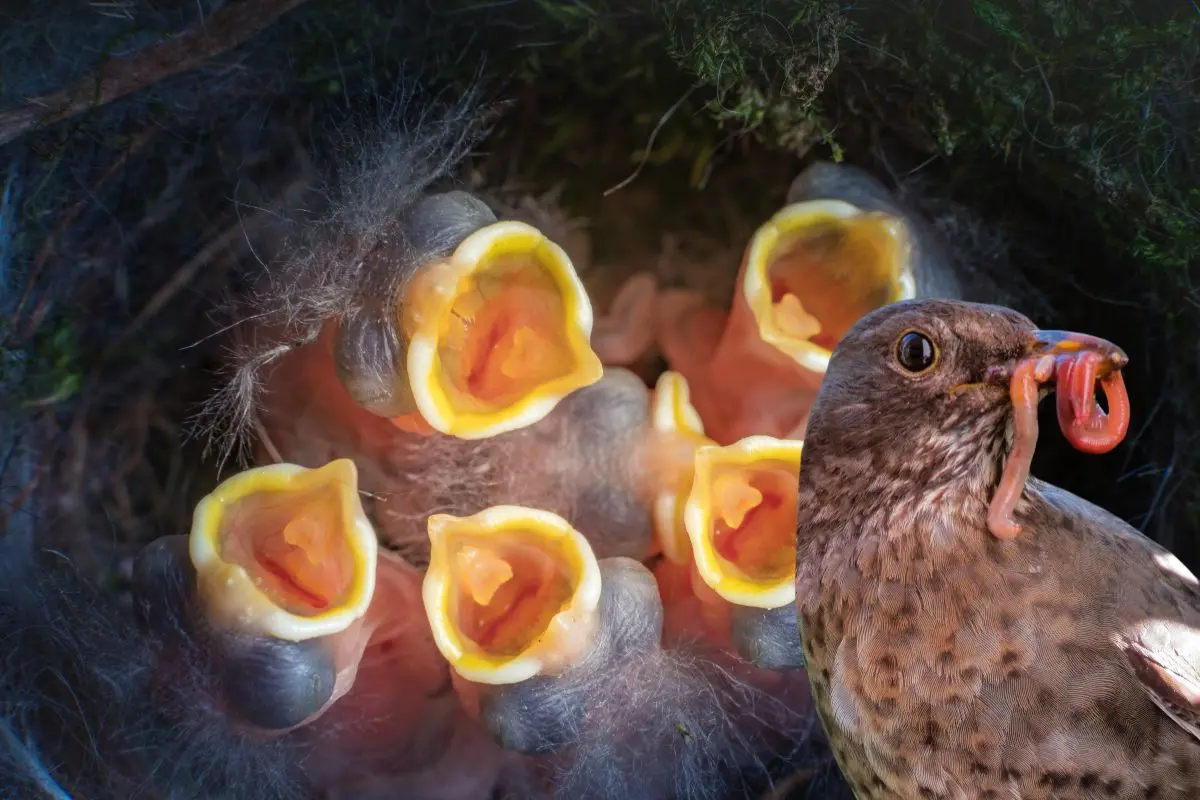
Credit: wildbloo.com
Monitoring Growth And Health
Keeping a close eye on your bird chicks’ growth and health is essential. It helps you spot any issues early and ensures they thrive. Monitoring isn’t just about weighing them; it’s also about observing their behavior and knowing when to get expert help.
Weight Tracking
Regularly weighing your chicks gives you a clear picture of their development. Use a small digital scale to measure their weight daily or every other day.
Track the numbers in a notebook or an app. Sudden drops or lack of weight gain can signal problems.
One time, I noticed a chick’s weight plateaued for three days. This prompted me to adjust its feeding schedule, which made a noticeable difference in just a few days.
Behavioral Indicators
Healthy chicks are active and responsive. Watch how they react when you approach or offer food.
Look for signs like:
- Bright eyes and alertness
- Steady breathing without wheezing
- Consistent begging for food
Changes like lethargy, excessive sleep, or loss of appetite can signal a problem. Have you ever noticed a chick suddenly stop calling for food? That’s a red flag you shouldn’t ignore.
When To Consult A Vet
If you spot persistent weight loss, unusual behavior, or any signs of illness such as discharge or swelling, it’s time to get a vet involved.
Don’t wait for symptoms to worsen. Early intervention can save your chick’s life.
Remember, your observations are valuable data for the vet. Share details about feeding, weight, and behavior to help them diagnose quickly.

Credit: www.youtube.com
Frequently Asked Questions
What Is The Best Food For Baby Bird Chicks?
Baby bird chicks thrive on a diet rich in protein. Offer soaked dog or cat kibble, boiled eggs, and mealworms. These foods provide essential nutrients for growth and development.
How Often Should You Feed Bird Chicks Daily?
Feed bird chicks every 15 to 20 minutes from dawn till dusk. Frequent feeding mimics natural parental care and ensures steady growth and energy.
Can Bird Chicks Eat Fruits And Vegetables?
Yes, but only soft, finely chopped fruits and vegetables. Suitable options include mashed bananas, apples, and cooked carrots. Avoid citrus and hard foods.
When Can Bird Chicks Start Eating Solid Food?
Introduce solid food gradually after two weeks. Start with soft, easy-to-digest items like soaked bread or softened seeds. Monitor their acceptance closely.
Conclusion
Feeding bird chicks the right food helps them grow strong and healthy. Offer soft, easy-to-eat meals often. Fresh water is important too. Avoid giving harmful or processed foods. Watch the chicks carefully to see if they like the food. Changing their diet slowly keeps them happy and safe.
Caring for young birds takes patience and attention. With proper feeding, chicks will thrive and learn to eat well. Keep their needs simple and consistent for the best results.