
Have you ever watched birds fluttering around your yard and wished you could invite more of them to stay? Placing a bird feeder is a simple yet delightful way to transform your outdoor space into a vibrant haven for our feathered friends.
But where exactly should you put that feeder to attract the most birds and enjoy their company up close? The answer might surprise you. By strategically placing your bird feeder, you can not only enhance your view but also create a safe and inviting environment for birds.
Get ready to uncover the secrets of optimal bird feeder placement, and learn how you can make your garden the go-to spot for birds in your neighborhood. Stick with us, and you’ll soon be enjoying a symphony of chirps and flutters right outside your window!
Ideal Placement For Bird Feeders
Choosing the right place for a bird feeder helps attract more birds to your yard. Proper placement makes birds feel safe and comfortable. It also improves your chances to enjoy bird watching up close. Some spots work better than others based on shelter, visibility, and safety.
Near Natural Shelter
Birds need shelter close to their food source. Placing feeders near trees or bushes offers cover from weather and predators. Shrubs and dense branches provide a quick hiding spot. This makes birds more likely to visit and stay longer.
Choose a spot with natural shelter on one or two sides. It protects birds from strong winds and rain. Avoid open areas where birds feel exposed and vulnerable.
Close To Windows
Feeding birds near windows lets you watch them easily. Position feeders within a few feet of a window. Use bird-friendly window decals to prevent collisions.
This placement gives clear views for photos and observation. It also brings nature closer to your home. Keep the feeder low enough for comfortable viewing but safe from pets.
Safe From Predators
Protecting birds from cats and other predators is key. Place feeders at least 10 feet away from places cats can hide. Avoid spots near tall fences or dense bushes where predators lurk.
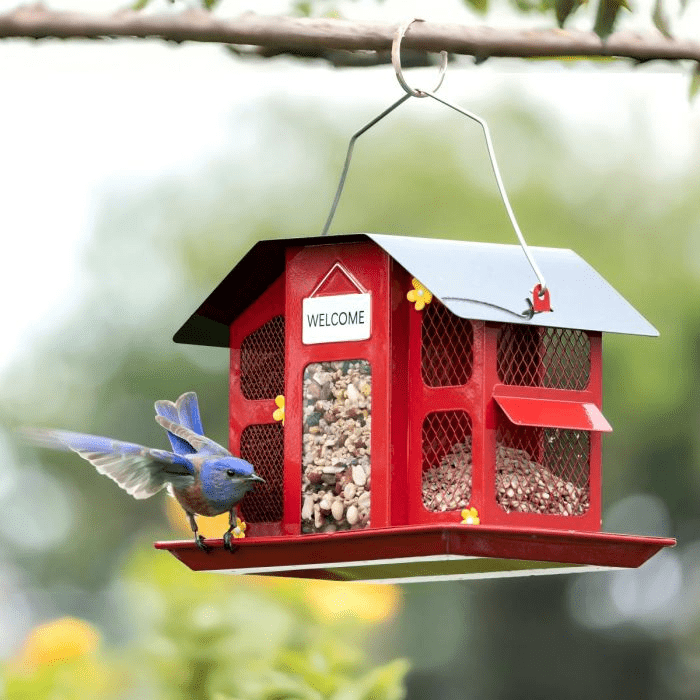
Use poles with baffles or hang feeders from thin branches. Keep feeders high enough that ground predators cannot reach them. Safety encourages more birds to visit regularly.
Credit: www.kingsyard.com
Best Yard Locations
Choosing the right spot for your bird feeder can make a big difference in attracting feathered visitors and keeping them safe. The best yard locations offer birds easy access to food while providing natural shelter and protection from predators. Think about spots that blend convenience for you and comfort for the birds.
In The Garden
Placing a feeder in your garden can bring colorful birds right to your favorite plants. Gardens often provide natural cover and a variety of insects, which birds appreciate alongside seeds. Position the feeder where you can enjoy watching the birds without disturbing them—near a window or a cozy seating area works well.
Remember to keep the feeder away from areas with heavy foot traffic to avoid scaring the birds. You might notice more species showing up when feeders are close to flowering plants or vegetable patches. Have you tried placing feeders near your herbs or flower beds? It often creates a lively bird-friendly corner.
On A Tree Branch
Hanging a feeder from a tree branch offers birds a natural perch and quick escape routes from predators. Choose a sturdy branch about 5 to 6 feet off the ground to keep squirrels and cats at bay. This spot also provides shade, which helps keep the bird food fresh longer during hot days.
Make sure the branch isn’t too close to windows to prevent birds from flying into glass. If you have a favorite tree that birds already visit, try adding a feeder there and watch your garden’s activity increase. How close do you think is safe enough without risking window collisions?
Near Shrubs And Bushes
Placing feeders near shrubs or bushes gives birds quick cover and a place to rest between feeding. Dense bushes provide protection from hawks and other predators, making birds feel safer when feeding. Choose low shrubs that don’t block your view but still offer a good hiding spot.
Keep the feeder about 3 to 5 feet from the bushes to prevent squirrels from jumping directly onto it. You might find this setup attracts smaller bird species that prefer staying close to cover. What types of birds visit your yard when you place feeders near bushes?
Avoiding Common Mistakes
Choosing the right spot for a bird feeder is key to attracting birds safely. Avoiding common mistakes helps keep birds comfortable and coming back.
Some mistakes make birds feel unsafe or stressed. Others reduce the feeder’s usefulness. Knowing what to avoid makes your feeder a favorite spot.
Too Much Sun Exposure
Placing feeders in direct sunlight all day can harm the birds. Seeds can spoil quickly under strong sun. Birds may avoid hot areas to stay cool. Choose spots with some shade to protect birds and food.
High Traffic Areas
Busy places with lots of people or pets scare birds away. Noise and movement make birds nervous. Place feeders in quiet, calm spots. A peaceful area encourages birds to visit often.
Places With Strong Winds
Strong winds can shake feeders and spill seeds. Birds find it hard to land on swaying feeders. Pick locations shielded from strong gusts. A stable feeder is easier and safer for birds.
Seasonal Considerations
Seasonal changes affect where to place a bird feeder for the best results. Birds need different environments based on the weather. Adjusting feeder spots can help birds stay safe and comfortable all year.
Winter Feeding Spots
Place feeders near shelter like evergreen trees or shrubs. They offer protection from cold winds and predators. Keep feeders away from open, icy areas to prevent bird injuries. Position feeders close to natural water sources, if possible. Birds need water even in freezing weather.
Choose locations with some sunlight to help keep seeds dry. Avoid spots where snow drifts could block access. Clearing snow regularly helps birds reach food easily.
Summer Shade Options
Put feeders in shaded areas to keep seeds fresh longer. Direct sunlight can spoil seeds quickly in warm weather. Shade also protects birds from heat stress while feeding. Trees or tall plants make good natural shade providers.
Ensure feeders are away from places with heavy foot traffic. Birds prefer quiet, calm spots to eat safely. Provide water nearby for drinking and bathing during hot days.
Types Of Feeders And Suitable Spots
Choosing the right bird feeder and placing it correctly helps attract different bird species. Each feeder type suits certain spots better. Placement affects bird safety and feeding success. Understanding feeder types and their ideal locations makes your garden bird-friendly.
Hanging Feeders
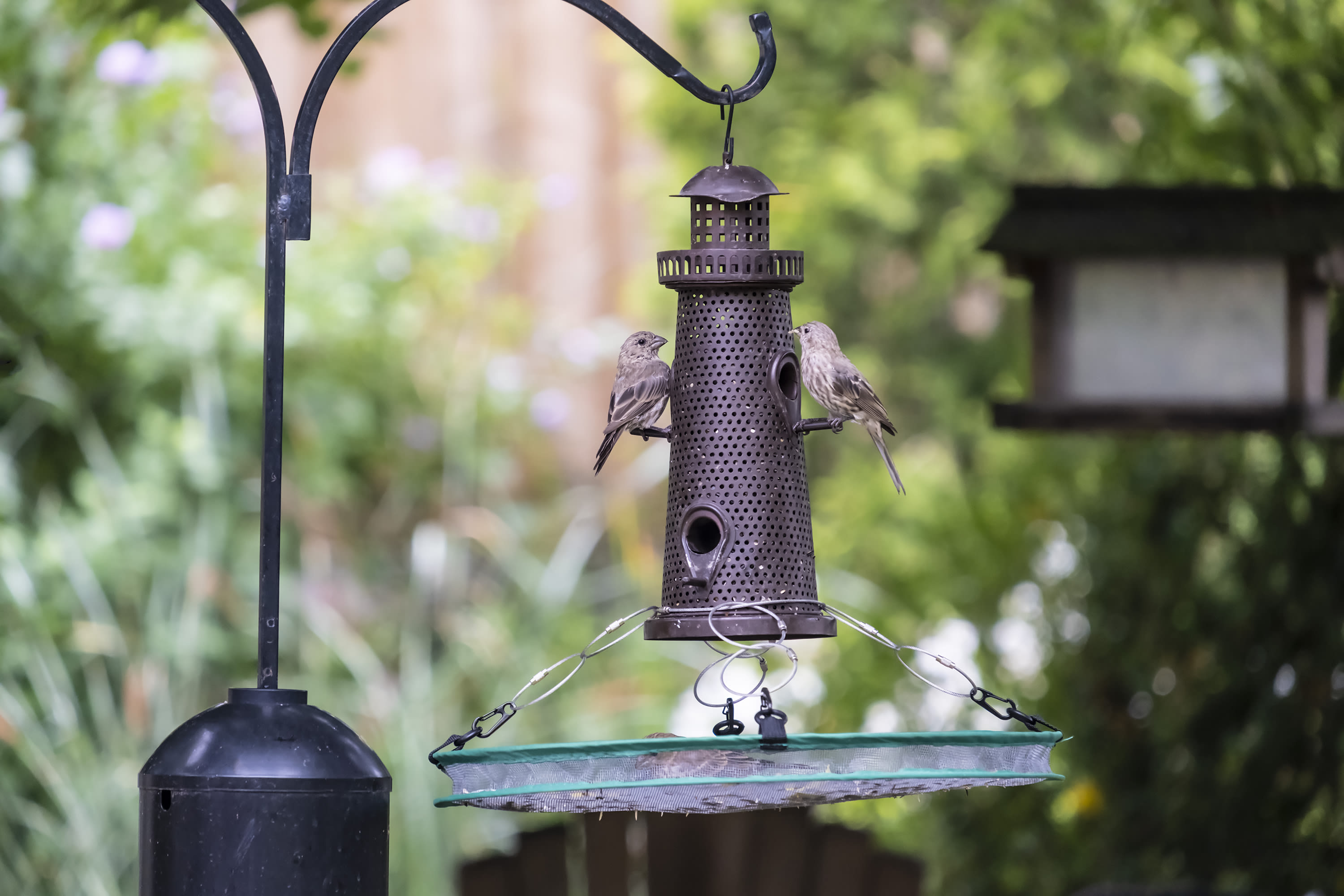
Hanging feeders are popular and easy to install. They work best on tree branches, hooks, or poles. Place them away from windows to avoid bird collisions. Keep them near shrubs or trees for quick cover from predators. Hanging feeders attract small birds like finches and chickadees.
Platform Feeders
Platform feeders offer an open space for various birds. Place them on the ground or on sturdy poles. Position them near natural cover like bushes or trees. This helps birds feel safe while eating. Platform feeders attract larger birds such as cardinals and doves. Clean them often to prevent mold and disease.
Window Feeders
Window feeders attach directly to glass using suction cups. They bring birds close to your view. Place them on windows with a clear view of trees or plants. Avoid busy areas with lots of noise or activity. Window feeders suit small birds like sparrows and nuthatches. Use bird-safe glass decals nearby to prevent collisions.
Credit: dengarden.com
Attracting Different Bird Species
Attracting different bird species requires placing feeders in spots that suit their habits. Each bird type prefers a unique environment. Knowing where to place feeders helps invite a variety of birds to your yard.
Feeders For Songbirds
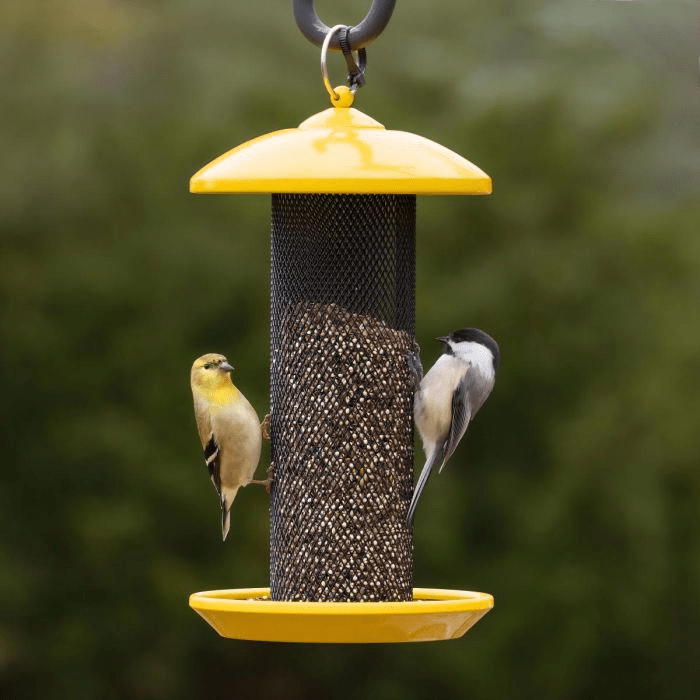
Songbirds like finches, cardinals, and chickadees enjoy seed feeders. Place these feeders near shrubs or trees. This gives birds cover from predators. A quiet corner of the yard works well. Keep feeders about 5 to 6 feet off the ground. It makes birds feel safe and comfortable.
Spots For Hummingbirds
Hummingbirds prefer nectar feeders. Hang them in sunny spots with flowers nearby. Bright colors like red attract hummingbirds quickly. Position feeders where they get some shade during hot parts of the day. Avoid windy places to keep nectar fresh. A spot near a window lets you watch them closely.
Places For Ground Feeders
Ground feeders attract birds like doves, sparrows, and juncos. Scatter seeds on flat, open ground. Choose areas with some nearby bushes for quick shelter. Avoid places with heavy foot traffic or pets. Keep the feeding spot clean to prevent disease. Use a tray feeder to keep seeds off the dirt.
Credit: www.kingsyard.com
Frequently Asked Questions
Where Is The Best Spot To Place A Bird Feeder?
Place bird feeders near trees or shrubs for shelter. Choose a visible, quiet area with some shade. Avoid windy or busy locations to keep birds safe and comfortable.
How Far Should A Bird Feeder Be From Windows?
Keep feeders at least 3 feet from windows to prevent bird collisions. Alternatively, place them 10 feet away to allow birds space to avoid glass.
Can I Put A Bird Feeder On My Balcony?
Yes, balconies can be great for bird feeders. Ensure it’s secure, safe from predators, and accessible for cleaning and refilling.
Should Bird Feeders Be Placed In Sunny Or Shady Areas?
A mix of sun and shade is ideal. Shade keeps seed fresh and birds cool, while sun encourages activity and visibility.
Conclusion
Placing a bird feeder in the right spot helps birds feel safe and welcome. Choose a location near trees or bushes for shelter and food nearby. Avoid busy areas with loud noises or too much human traffic. Make sure the feeder is easy for you to refill and clean.
Watching birds up close brings joy and peace. A good spot helps birds visit often and stay healthy. Simple steps lead to happy birds and a lively garden. Enjoy the beauty nature brings right to your window.