
Are you wondering what to feed small birds in summer? If you’re eager to attract these colorful creatures to your garden, you’re in the right place.
Summer is a time of abundance, yet knowing the right food can make your garden a lively hotspot for our feathered friends. As temperatures rise, the needs of small birds change, and providing them with the right nutrition becomes crucial.
Imagine your garden filled with chirps, flutters, and vibrant life. Doesn’t it sound delightful? Keep reading to discover the best foods to offer, ensuring that your garden becomes a summer paradise for small birds.

Credit: www.msn.com
Best Seeds For Small Birds
Choosing the right seeds can make a big difference in attracting and nourishing small birds during summer. The best seeds not only provide essential nutrients but also keep the birds coming back to your garden. Let’s look at three popular seed choices that are favorites among small birds and easy for you to offer.
Sunflower Seeds
Sunflower seeds are a top pick for many small birds like chickadees, finches, and nuthatches. Their high oil content gives birds the energy they need in hot weather. You can offer them shelled or unshelled, but black oil sunflower seeds are easier for small birds to crack open.
Have you noticed how quickly birds flock to sunflower feeders? It’s because these seeds are tasty and packed with nutrients. Adding sunflower seeds to your feeding station is a sure way to keep a variety of small birds interested.
Millet And Nyjer
Millet and nyjer seeds are tiny but mighty when it comes to feeding small birds. These seeds are especially loved by finches and sparrows. Nyjer, also known as thistle seed, is rich in oil and easy for small beaks to handle.
Using a feeder designed for nyjer will help prevent waste. Millet, on the other hand, is a great all-around seed that many ground-feeding birds enjoy. Offering a mix of these seeds can attract a wider range of birds to your yard.
Safflower Seeds
Safflower seeds are a smart choice if you want to keep squirrels away while feeding small birds. Birds like cardinals and chickadees enjoy these seeds, but squirrels often avoid them. This makes safflower a practical option for a less competitive feeding environment.
These seeds are also high in protein and fat, supporting birds’ health during summer. Have you tried mixing safflower with sunflower seeds? This combo often attracts even more bird species and keeps your feeders busy.
Fruits To Attract Birds
Fruits offer a fresh, natural treat for small birds during summer. They are full of water and nutrients birds need in hot weather. Providing a variety of fruits attracts different bird species to your garden. Fruits also encourage birds to stay longer and visit more often.
Berries And Grapes
Berries like strawberries, blueberries, and raspberries are perfect snacks. They are small, easy for birds to eat, and full of vitamins. Grapes are another favorite. Cut them in half for easy feeding. These fruits attract robins, finches, and warblers.
Chopped Apples And Pears
Apples and pears are great summer treats. Chop them into small pieces to help birds eat easily. Avoid seeds because they can be harmful. These fruits attract woodpeckers, chickadees, and sparrows. Their sweet taste is a big draw.
Melons And Citrus
Melons like cantaloupe and watermelon provide extra water for thirsty birds. Remove seeds and cut into bite-sized chunks. Citrus fruits, such as oranges, bring bright color and scent. They attract orioles, tanagers, and hummingbirds. These fruits add variety and hydration.
Vegetables And Greens
Vegetables and greens provide small birds with essential nutrients and hydration. These fresh foods help birds stay cool and energized during hot summer days. Offering a variety of vegetables can attract more bird species to your garden. Small birds enjoy crunchy textures and mild flavors. Always wash vegetables well and cut them into bite-sized pieces.
Leafy Greens
Leafy greens like spinach, kale, and lettuce are great for small birds. These greens are rich in vitamins and minerals. Birds love nibbling on fresh, tender leaves. Avoid bitter or tough greens, which birds may reject. Place small amounts on a clean feeding tray or scatter on the ground.
Peas And Corn
Peas and corn offer natural sugars and fiber. Fresh or frozen peas are sweet and easy for birds to eat. Corn can be served raw, cut into small pieces. Both peas and corn provide energy and hydration. These vegetables are popular among many small bird species.
Carrots And Cucumbers
Carrots and cucumbers add crunch and moisture to a bird’s diet. Cut carrots into thin slices or small chunks. Cucumbers are mostly water, perfect for hydration. Birds enjoy pecking at these fresh veggies during warm weather. Always offer fresh, pesticide-free pieces for safety.

Credit: feederwatch.org
Insects And Protein Sources
Small birds need protein to stay active and healthy during summer. Insects and other protein-rich foods help birds build strong muscles and feathers. These foods also support young birds as they grow fast in warm months.
Providing the right protein sources encourages birds to visit your garden often. It helps them stay nourished and ready for the challenges of summer.
Mealworms And Crickets
Mealworms and crickets are natural treats for many small birds. They are easy to find and full of protein. Birds like bluebirds, wrens, and chickadees enjoy eating them.
You can buy dried or live mealworms and crickets at pet stores. Place them in shallow dishes or feeders. Live insects stimulate birds’ hunting instincts and provide fresh nutrition.
Boiled Eggs
Boiled eggs are a simple, affordable protein source for birds. Chop the egg into small pieces to make it easy for birds to eat. Eggs supply essential nutrients like protein and fat.
Use only fresh eggs and remove any shells that are too hard. Place chopped eggs on a clean plate or tray outdoors. Many birds, including sparrows and robins, will enjoy this treat.
Suet And Nut Butters
Suet and nut butters offer high energy and protein to small birds. Suet is made from animal fat and is perfect for hot weather. Nut butters like peanut butter provide fats and protein that birds need.
Spread nut butter on tree bark or put suet in a special feeder. Avoid nut butters with added sugar or salt. These foods attract woodpeckers, nuthatches, and titmice.
Water Needs In Summer
Small birds need water to stay healthy, especially during hot summer days. Water helps them cool down and digest food. Providing water is as important as offering food. Birds drink often and enjoy splashing to clean their feathers. Keep water easy to reach and fresh to attract more birds to your garden.
Fresh Water Supply
Give birds fresh water every day. Warm weather makes water dry fast. Use shallow dishes or small bowls that birds can easily use. Place water in a quiet spot with some shade. This helps keep the water cool and safe from predators.
Bird Baths And Pools
Bird baths and small pools are perfect for birds to drink and bathe. Use a wide, shallow basin about 1 to 2 inches deep. Add stones or pebbles for birds to perch on safely. Keep baths near bushes or trees for quick hiding spots.
Keeping Water Clean
Clean water prevents diseases in birds. Change water daily, or more often in hot weather. Remove dirt, leaves, and droppings from the water. Use a brush and mild soap once a week to scrub baths. Rinse well before refilling with fresh water.
Foods To Avoid
Feeding small birds in summer requires care in choosing the right foods. Some items can harm their health or attract pests. Avoiding these foods keeps birds safe and happy. Always offer natural and bird-friendly options.
Processed Human Foods
Processed foods contain chemicals and additives harmful to birds. Avoid feeding bread, chips, or cooked leftovers. These foods lack essential nutrients and can cause illness. Birds need natural seeds, fruits, and insects instead.
Salty And Sugary Items
Salt and sugar upset birds’ digestion and water balance. Avoid salty snacks like pretzels or popcorn. Sugary foods such as candy or soda can cause health problems. Fresh water and natural foods are best for hydration and energy.
Toxic Plants And Seeds
Certain plants and seeds are poisonous to small birds. Avoid avocado, rhubarb leaves, and fruit pits. These contain toxins that can cause sickness or death. Always research plants before offering them to birds in your garden.
Feeding Tips For Hot Weather
Feeding small birds during hot weather needs a bit of extra care. The summer heat affects what and how often birds eat, so adjusting your feeding habits can make a big difference. You want to keep the food fresh and the birds safe as they cope with rising temperatures.
Timing And Frequency
Birds tend to be more active during the cooler parts of the day. Try to offer food early in the morning and again in the late afternoon or early evening. This helps ensure the food doesn’t spoil quickly under the sun and birds get energy when they need it most.
Watch how often birds visit your feeders. In hot weather, they might eat smaller amounts more frequently. Keeping food available during these times can support their hydration and energy needs.
Safe Feeding Stations
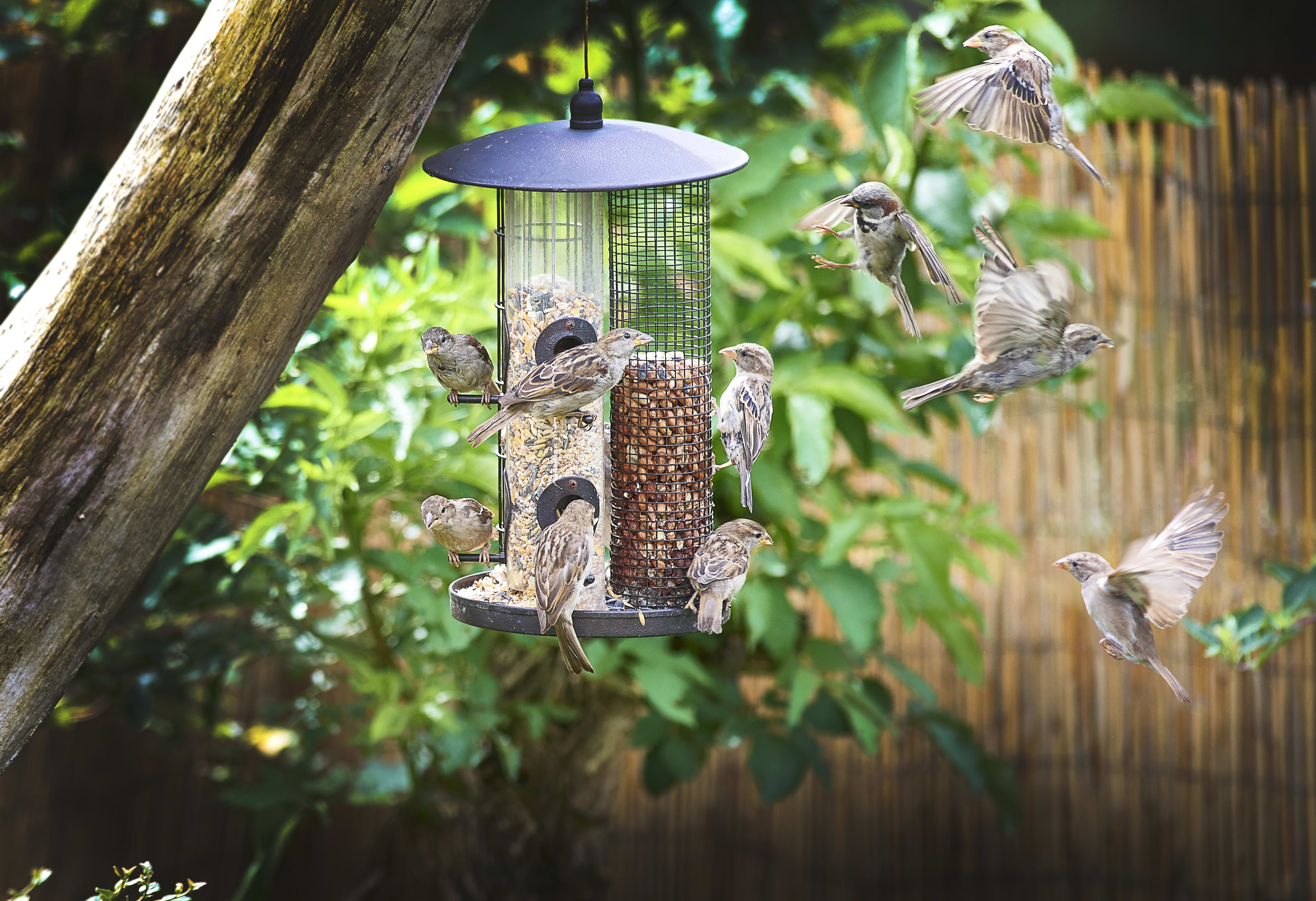
Place your feeders in shaded areas to protect the food from direct sunlight. This slows down spoilage and keeps the birds cooler while they eat. Avoid spots that trap heat or have poor airflow.
Use feeders that are easy to clean and allow for good drainage. Standing water in feeders can attract unwanted insects or bacteria, which are harmful to birds. A simple tip: a wire mesh platform feeder lets debris fall away and air circulate.
Preventing Food Spoilage
Heat speeds up the process of food going bad. Check your feeders daily and remove any moldy or wet food immediately. Fresh food encourages regular visits and helps prevent illness among birds.
Consider providing fresh fruits like watermelon or berries, but only in small amounts and replace them quickly. These offer hydration but spoil fast in the heat. Have you noticed birds avoiding stale food on hot days? That’s a clear sign to refresh their meals more often.
Credit: dengarden.com
Frequently Asked Questions
What Foods Are Best For Small Birds In Summer?
Small birds enjoy seeds, fruits, and insects in summer. Provide sunflower seeds, berries, and mealworms. Fresh water is essential for hydration and cooling.
Can I Feed Bread To Small Birds During Summer?
Bread is not recommended for small birds. It lacks nutrients and can cause digestive issues. Instead, offer natural foods like seeds and fruits.
How Often Should I Refill Bird Feeders In Summer?
Refill feeders daily to ensure fresh food availability. Summer heat spoils food faster, so clean and refill often to keep birds healthy.
Are Suet Cakes Suitable For Summer Feeding?
Suet cakes are high in fat and best for winter. In summer, offer lighter foods like fruits and insects to match birds’ needs.
Conclusion
Feeding small birds in summer helps them stay healthy and strong. Offer fresh water and seeds often to keep them happy. Fruits like berries and melon are tasty treats they enjoy. Avoid salty or processed foods that can harm their health.
Watching birds eat brings joy and teaches about nature’s care. Keep feeders clean to prevent illness and attract more birds. Simple steps make a big difference for your feathered friends. Enjoy the summer with lively birds visiting your garden.