

Are you wondering if you should keep feeding birds during the hot summer months? It’s a question many bird lovers ask themselves.
You want to help your feathered friends, but you might worry about doing more harm than good. Knowing the right time to stop feeding birds in the summer is important for their health and safety. Keep reading to find out when and why you should pause your bird feeding routine—and how this simple change can make a big difference for the birds you care about.

Credit: www.allaboutbirds.org
Benefits Of Summer Bird Feeding
Feeding birds during the summer offers unique rewards that go beyond simply watching colorful visitors at your window. It helps sustain birds when natural food can be scarce, and invites a variety of species right to your backyard. You might be surprised how much summer feeding supports the local ecosystem and encourages birds to thrive.
Supporting Local Bird Populations
Summer can be a challenging time for many birds. Natural food sources like insects and berries may become limited due to droughts or habitat changes.
By providing a reliable food source, you help birds maintain their energy levels and survive tough conditions. This support is especially important for young birds learning to find food on their own.
Have you noticed certain birds visiting your feeder more often in hot months? That’s a sign you’re playing a crucial role in their survival.
Attracting Diverse Species
When you feed birds in the summer, you often attract species that don’t visit your feeder in colder months. Warblers, orioles, and hummingbirds are examples of summer visitors that appreciate fresh nectar and fruit.
Offering a variety of foods like seeds, nectar, and fruit can invite a wider range of birds to your yard. This diversity makes your birdwatching experience richer and more exciting.
Which new bird species have you spotted at your feeder this summer? Trying different foods might bring even more surprises.
Encouraging Nesting And Breeding
Birds need extra energy for nesting and raising their young during the summer. Feeding them provides the calories required for these demanding tasks.
Reliable food sources near nesting sites can increase the chances of successful breeding. You may even witness birds feeding their chicks right outside your window.
Have you ever felt a deeper connection watching a family of birds grow? Your summer feeding can help make that possible.
Signs To Stop Feeding Birds
Knowing when to stop feeding birds during summer is just as important as starting the habit. There are clear signs that tell you it’s time to pause or end feeding to help birds thrive naturally. Paying attention to these signals ensures you support their health and natural behaviors effectively.
Natural Food Availability
Birds rely on insects, berries, and seeds that flourish in the summer months. When you notice an abundance of natural food sources around your yard—like blooming berry bushes or increased insect activity—it’s a strong indicator that birds can feed themselves.
Have you observed birds spending more time away from your feeders? This often means they are finding enough food on their own. Keeping feeders full when natural food is plentiful can disrupt their foraging habits and dependence on human feeding.
Changes In Bird Behavior
Watch how the birds behave around your feeders. If they start visiting less frequently or only for short moments, they might be shifting back to natural feeding. Aggression or competition at feeders can also signal overcrowding, suggesting it’s time to reduce or stop feeding.
One summer, I noticed sparrows getting unusually aggressive over my feeder. It was a clear sign they were relying too much on the feeder, so I gradually cut back. Soon, their visits became less frantic, and they began exploring other food sources.
Health Risks To Birds
Summer heat can cause birdseed to spoil quickly, leading to mold and bacteria growth. Feeding birds with contaminated food puts them at risk of illness. If you see moldy seeds or wet feeders, it’s safer to stop feeding until you can provide fresh, dry food again.
Birds can also gather too closely at feeders, increasing the risk of disease spread. If you spot sick birds or notice unusual feather loss and lethargy, stopping feeding helps reduce contact and protect their health.
Impact Of Weather On Feeding
Weather plays a big role in deciding when to stop feeding birds in summer. Birds rely on natural food sources more when conditions change. Feeding during certain weather can affect their health and habits. Watching the weather helps keep feeding safe and useful for birds.
Hot And Humid Conditions
High heat and humidity can spoil bird food quickly. Seeds and fruits can grow mold fast in wet, warm weather. Moldy food harms birds and can cause illness. Water in feeders can become a breeding ground for bacteria. Birds may avoid feeders if food smells bad or looks spoiled. Clean feeders often during hot, humid days. Offer fresh water more often as birds need extra hydration.
Preparing For Seasonal Changes
Summer ends, and birds prepare for fall and winter. Natural food starts to become scarce. Gradually reducing feeding helps birds adjust to finding food by themselves. Sudden stop can leave birds hungry and stressed. Watch the weather and bird behavior. Begin to taper off feeding as temperatures cool down. This helps birds stay healthy and ready for colder months.
Maintaining Feeders During Summer
Maintaining bird feeders during summer is essential to keep your feathered visitors healthy and happy. High temperatures and humidity create ideal conditions for bacteria and mold to grow, which can harm birds. Taking good care of your feeders not only protects the birds but also ensures you enjoy watching them without any unpleasant surprises.
Cleaning And Hygiene Tips
Clean your feeders regularly—at least once a week, or more often if you notice dirt or droppings. Use hot, soapy water to scrub all surfaces and rinse thoroughly to remove any soap residue. Avoid harsh chemicals that might leave harmful traces; a solution of one part white vinegar to four parts water works well and is safe for birds.
Dry feeders completely before refilling them. Wet feeders attract insects and encourage mold growth, which can make birds sick. Consider having multiple feeders so you can clean one while the others stay filled and ready.
Preventing Mold And Spoilage
Check birdseed daily for signs of mold or clumping caused by moisture. Discard any spoiled seed immediately to prevent birds from eating harmful fungi. Store your seed in a cool, dry place and use airtight containers to keep it fresh longer.
Have you noticed wet or soggy seed in your feeder after a rain shower? Covering feeders or placing them under shelter can reduce moisture exposure. Also, try to feed birds in smaller amounts during hot weather to avoid leftover seed sitting too long.
Alternatives To Feeding In Summer
Summer heat changes the way birds find food and water. Stopping feeding during this time helps birds learn to find natural sources. There are other ways to support birds without feeding them directly. These methods help birds stay healthy and safe while enjoying your outdoor space.
Providing Water Sources
Birds need water to drink and bathe, especially in hot weather. A clean water source attracts many types of birds. Use shallow dishes or birdbaths filled with fresh water. Change the water every day to prevent germs and mosquitoes.
- Place water in a shady spot to keep it cool.
- Add small stones for birds to perch on safely.
- Use a drip or fountain to keep water moving and fresh.
Water helps birds cool down and stay hydrated. It also supports their feathers and overall health.
Creating Bird-friendly Habitats
Natural habitats offer shelter, food, and nesting places. Plant native trees, shrubs, and flowers that produce berries and seeds. These plants attract insects, another food source for birds.
- Include a mix of tall trees and low bushes for cover.
- Leave some leaf litter and dead wood for insects.
- Provide safe nesting spots with birdhouses or dense plants.
Bird-friendly habitats make your yard a safe home. Birds will visit more often and stay longer when they find food and shelter nearby.
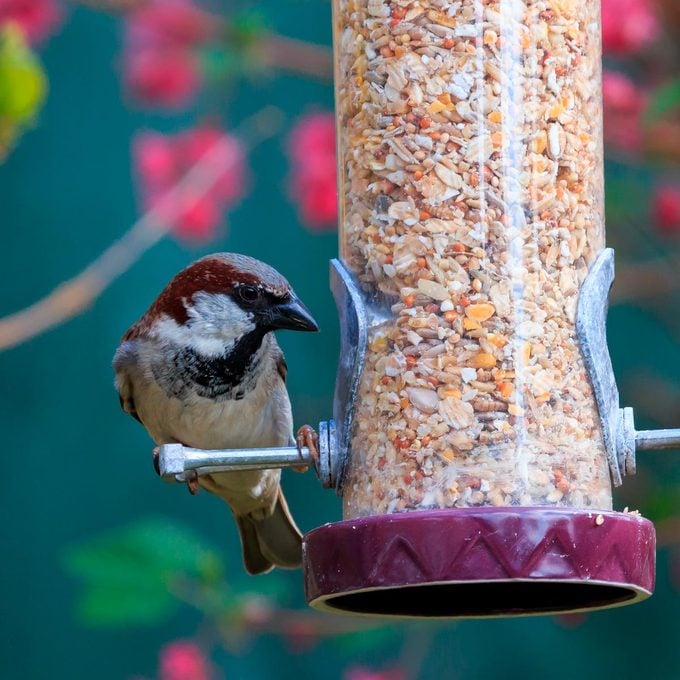
Credit: www.familyhandyman.com
Timing For Gradual Feeding Reduction
Knowing when to start reducing bird feeding in the summer is key to helping birds adjust naturally. Gradual reduction gives birds time to find food elsewhere without sudden hunger. This approach supports their health and encourages natural foraging habits as the seasons change.
Observing Bird Patterns
Watch how often birds visit your feeder and what types of birds come by. Are they eating less or more? Notice if young birds are still dependent on your feeder or starting to explore natural food sources.
Keep an eye on the variety of birds too. A decline in certain species might mean they’re finding food elsewhere. This helps you decide if it’s time to reduce feeding or keep it steady a bit longer.
Step-by-step Feeding Decrease
Start by cutting back the amount of food you offer each day instead of stopping all at once. For example, if you usually fill your feeder twice daily, reduce it to once a day for a week.
After that, try offering food every other day. This slow process encourages birds to search for natural food while still having some support. It also prevents them from becoming too dependent on your feeder.
Ask yourself: Are birds still coming to your feeder regularly during this reduction? If yes, continue with the gradual decrease. If visits drop sharply, pause the reduction to avoid harming the birds.

Credit: www.youtube.com
Frequently Asked Questions
When Is The Best Time To Stop Feeding Birds In Summer?
Stop feeding birds in late summer or early fall. Natural food sources increase, helping birds prepare for migration. Feeding beyond this can disrupt their natural foraging habits and migration patterns.
Can Feeding Birds In Summer Harm Their Health?
Yes, feeding birds in summer can cause health issues. Birds may become dependent on feeders, reducing their natural diet diversity. It can also attract pests and spread diseases if feeders are not cleaned regularly.
How Does Summer Feeding Affect Bird Migration?
Feeding birds in summer may delay migration. Birds rely on natural cues and food availability to time their journey. Artificial feeding can confuse them, impacting their survival and breeding success.
Should You Change Bird Food Types In Summer?
Yes, adjust bird food types in summer. Offer natural foods like fruits, seeds, and insects. Avoid high-fat winter mixes, as birds need lighter, natural diets during warmer months.
Conclusion
Feeding birds in summer needs careful thought. Birds find natural food. But extra help boosts their energy. Watch local bird patterns. Notice their food needs. Stop feeding when they can find enough themselves. It helps their survival skills. Enjoy watching them thrive.
Your actions support their natural balance. Nature thanks you for your care. Keep your feeders clean, though. It keeps birds healthy. Remember, small actions make a big difference. Be a mindful bird lover always. Your love for birds shines through your thoughtful actions.