
Ever stood in your garden, gazing at a lonely bird feeder, wondering how to attract those beautiful winged visitors? You’re not alone.
Many people struggle with filling their liquid bird feeders with the right concoctions to entice a parade of vibrant birds. The truth is, it’s not just about pouring sugar water and hoping for the best. There’s an art and a science to creating the perfect blend that will make your garden the go-to spot for birds.
In this guide, you’ll discover exactly what to put in your liquid bird feeder to transform your backyard into a lively sanctuary. Imagine the thrill of watching hummingbirds and other fascinating species flutter joyfully around your feeder. By the end of this article, you’ll have all the knowledge you need to make it happen. Curious to learn the secret recipe? Keep reading, and let’s dive into the world of liquid bird feeding.
Choosing The Right Liquid
Choosing the right liquid is crucial for attracting and feeding birds safely. The liquid must provide energy and nutrients without harming the birds. It should also be easy to prepare and keep fresh in the feeder. Selecting the best liquid ensures birds stay healthy and visit often.
Types Of Nectar Suitable For Birds
Simple sugar water is the most common nectar for liquid feeders. Mix four parts water with one part white granulated sugar. Boil the water first, then add sugar and stir until it dissolves. Let it cool before filling the feeder.
Some people use commercial nectar mixes designed for hummingbirds. These contain the right sugar balance and sometimes vitamins. Avoid homemade recipes with honey or artificial sweeteners, as they can harm birds.
Avoiding Harmful Ingredients
Avoid using honey, artificial sweeteners, or food coloring in nectar. Honey can promote harmful mold growth. Artificial sweeteners offer no energy and may be toxic. Food coloring is unnecessary and can be dangerous.
Never add red dye to nectar. Natural nectar is clear, and birds are attracted by the feeder’s bright colors, not the liquid color. Keeping the nectar clean and simple protects birds from illness.
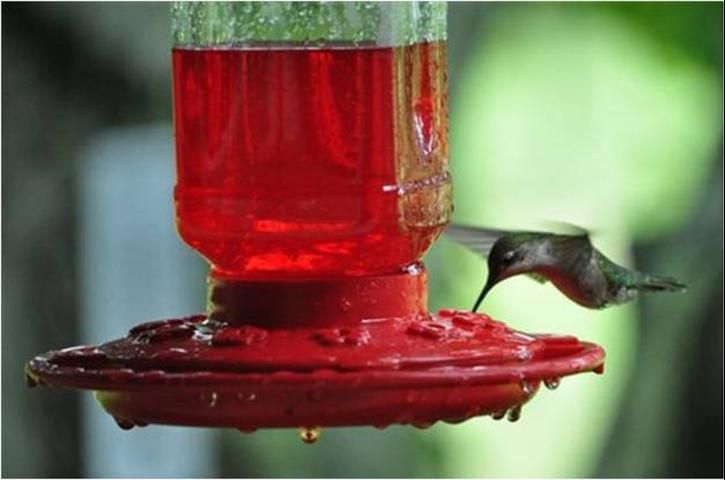
Credit: edis.ifas.ufl.edu
Preparing Homemade Nectar
Making your own nectar for a liquid bird feeder is easier than you might think. It lets you control exactly what goes into the feeder, keeping it safe and healthy for your feathered visitors. Plus, it can save you money and reduce waste from packaged products.
Simple Sugar Water Recipe
The basic homemade nectar recipe is just sugar and water. Use four parts water to one part white granulated sugar. Boil the water first to kill any impurities, then stir in the sugar until it dissolves completely.
Let the mixture cool before filling your feeder. Avoid using honey or artificial sweeteners—they can harm birds or encourage mold growth. This simple recipe closely mimics the natural nectar many birds seek.
Adjusting Ratios For Different Seasons
Your nectar recipe doesn’t have to stay the same year-round. In hotter months, slightly increase the water to sugar ratio to prevent fermentation and spoilage. A 5:1 ratio works well during summer heat.
During cooler seasons, you can go back to the standard 4:1 ratio or even make it a bit sweeter to help birds fuel up for colder weather. Have you noticed how birds seem more active when the nectar is richer? Adjusting sweetness helps them get the energy they need.
Best Store-bought Options
Choosing the right liquid to fill your bird feeder can make a huge difference in attracting vibrant, healthy birds to your yard. Store-bought options offer convenience and are often formulated to meet the specific nutritional needs of various bird species. But not all products are created equal, so knowing what to pick up at the store is key to creating a welcoming environment for your feathered visitors.
What To Look For On Labels
Check the ingredients list carefully. Look for products that contain simple sugars like sucrose or glucose, which birds digest easily. Avoid feeders filled with artificial colors, flavors, or preservatives, as these can harm birds.
Nutrition matters. Some brands add vitamins or minerals that support bird health, which can be a bonus if you want to give your birds an extra boost. Also, make sure the product is designed specifically for birds, not for human consumption, as formulations differ.
Expiration dates are important. Freshness affects taste and safety, so pick products with a longer shelf life and store them properly once opened. You want your feeder to always offer a fresh, safe treat.
Popular Brands And Their Benefits
| Brand | Key Benefits | Ideal For |
|---|---|---|
| Oriole Nectar | Contains natural sugars, free of artificial dyes, designed for orioles and hummingbirds | Orioles, Hummingbirds |
| Audubon Sugar Water | Enhanced with vitamins, easy to dissolve, no preservatives | General liquid feeder use |
| Songbird Essentials Nectar | Organic ingredients, supports immune health, non-GMO | Health-conscious bird lovers |
| EcoFeeder Liquid Mix | Eco-friendly packaging, natural sweeteners, suitable for multiple bird species | Eco-minded feeders |
Have you ever noticed how some liquid feeders attract more birds than others? Sometimes, the secret lies in the quality and composition of the liquid. Trying different brands and observing your local birds’ preferences can help you find the perfect match for your feeder.

Credit: www.allaboutbirds.org
Maintaining Feeder Cleanliness
Keeping a liquid bird feeder clean is vital for bird health. Dirty feeders can grow mold and bacteria. These harmful substances can make birds sick. Clean feeders also attract more birds. It shows you care about their well-being. Regular maintenance keeps nectar fresh and safe. Follow simple steps for best results.
How Often To Change Nectar
Change nectar every two to three days. In hot weather, change it daily. Warm temperatures speed up fermentation and mold growth. Old nectar smells bad and looks cloudy. Birds avoid stale nectar. Fresh nectar keeps birds healthy and happy. Never reuse leftover nectar. Always prepare a new batch.
Cleaning Techniques To Prevent Mold
Rinse the feeder with warm water after emptying. Use a brush to scrub all surfaces. Avoid harsh chemicals that can harm birds. A mild soap solution works well. Rinse thoroughly to remove soap residue. Dry the feeder completely before refilling. This stops mold from forming. Repeat cleaning weekly or more often if needed.
Attracting Different Bird Species
Attracting different bird species to your liquid bird feeder depends on the type of nectar you offer. Birds have varied tastes and nutritional needs. Knowing these preferences helps create a welcoming environment. This encourages more birds to visit your feeder regularly. A diverse selection of nectar can draw colorful and charming visitors to your garden or backyard.
Nectar Preferences By Bird Type
Each bird species prefers a specific nectar mix. Here are common types and their favorite nectar:
| Bird Species | Nectar Preference | Notes |
|---|---|---|
| Hummingbirds | 4 parts water, 1 part white sugar | Use no red dye; natural color works best |
| Orioles | 3 parts water, 1 part sugar | May enjoy orange juice mixed in |
| Sunbirds | 4 parts water, 1 part sugar | Similar to hummingbirds, prefer fresh nectar |
| Butterflies (bonus visitors) | Fresh fruit juice or diluted sugar water | Use feeders designed for butterflies |
Additional Tips To Lure More Birds
- Clean feeders often to prevent mold and bacteria.
- Place feeders near shrubs or trees for cover.
- Use bright colors like red to catch attention.
- Refill nectar regularly to keep it fresh.
- Avoid pesticides on nearby plants to protect birds.
- Offer water sources nearby for drinking and bathing.
- Provide feeders at different heights for various species.
Common Mistakes To Avoid
Knowing what to put in a liquid bird feeder is essential, but just as important is avoiding common mistakes that can harm your feathered visitors or make your feeder less effective. These errors often come from good intentions but can lead to problems like spoiled nectar or discouraged birds. Let’s look closely at some pitfalls you should watch out for to keep your feeder safe and attractive.
Using Honey Or Artificial Sweeteners
Many people think adding honey or artificial sweeteners to the nectar will make it more appealing to birds. However, honey can ferment quickly and promote harmful bacteria growth. This can be dangerous for hummingbirds and other nectar feeders.
Artificial sweeteners don’t provide any nutritional value for birds. They may even discourage them from visiting your feeder. Stick to a simple sugar-water mix—four parts water to one part white granulated sugar—to keep your nectar fresh and safe.
Overfilling And Spillage Issues
It’s tempting to fill your feeder to the brim to avoid frequent refills, but overfilling can cause spillage. Spilled nectar attracts unwanted insects like ants and wasps, which can scare away birds. It also creates sticky messes that are hard to clean.
Keep your feeder at a manageable level so you can change the nectar regularly—ideally every two to three days. This practice prevents fermentation and keeps the feeding area clean. Have you noticed ants swarming your feeder? It might be time to check for leaks or overfilling.

Credit: www.reddit.com
Frequently Asked Questions
What Liquid Is Best For Bird Feeders?
The best liquid for bird feeders is a sugar-water solution. Use four parts water to one part white granulated sugar. Avoid honey or artificial sweeteners, as they can harm birds. Fresh nectar should be replaced every few days to prevent fermentation and mold growth.
Can I Put Fruit Juice In Liquid Feeders?
No, fruit juice is not recommended for liquid bird feeders. Fruit juices ferment quickly and promote harmful bacteria. They can cause illness in birds. Always stick to clean water or a sugar-water mix for safe feeding.
How Often Should I Clean Liquid Bird Feeders?
Clean liquid bird feeders every 3 to 4 days. Use hot water and a mild soap to prevent mold and bacteria. Rinse thoroughly before refilling. Regular cleaning keeps birds healthy and encourages more visits.
Is It Safe To Add Vitamins To Liquid Feeders?
Adding vitamins to liquid feeders is generally unnecessary and can be harmful. Birds get nutrients from their natural diet. Over-supplementing may disrupt their health. Focus on providing fresh, clean sugar water instead.
Conclusion
Choosing the right liquids for your bird feeder helps attract many birds. Fresh sugar water works best for hummingbirds and orioles. Avoid using honey or artificial sweeteners to keep birds safe. Clean your feeder often to stop mold and bugs.
Watching birds enjoy your feeder brings joy and peace. Small efforts make a big difference for wild birds nearby. Keep your feeder full and clean for happy visitors. Simple care helps birds stay healthy and visit often.