

Are you wondering what to feed your baby bird to help it grow strong and healthy? Feeding a baby bird can feel tricky, especially if you want to give it the best start in life.
The right food at the right time makes all the difference for your little feathered friend’s survival and happiness. Keep reading, and you’ll discover simple, effective tips that will make feeding your baby bird easier than you ever thought possible.
Your bird’s wellbeing depends on what you feed it—let’s get it right together.
Credit: besgroup.org
Choosing The Right Food
Feeding a baby bird requires soft, easy-to-digest foods like soaked seeds or specialized formulas. Fresh water and small portions help keep the bird healthy and strong. Choose foods that mimic its natural diet for best growth.
Choosing the right food for your baby bird is crucial. It ensures their healthy growth and development. Young birds have different nutritional needs than adults. Their diet impacts their health and behavior. Understanding what to feed them can make a big difference.Types Of Baby Bird Food
There are various types of food for baby birds. Soft foods are essential. They are easier for chicks to digest. Common options include soaked dog biscuits and boiled eggs. Some birds enjoy mashed fruits. Ensure the food is fresh and moist. Dry food can choke them.Commercial Vs. Homemade Options
Commercial baby bird food is convenient. It is formulated to meet nutritional needs. These foods are balanced and easy to prepare. Homemade options offer flexibility. You can control the ingredients. Fresh vegetables and grains are popular choices. Always ensure they are safe for birds.Nutritional Needs By Species
Each bird species has unique dietary needs. Some require high protein. Others need more carbohydrates. Research your bird’s species. Understand their specific requirements. This helps in choosing suitable food. For instance, insect-eating birds need protein. Seed-eating birds need different nutrition. Always provide a varied diet. It ensures a balanced intake.
Credit: wildbloo.com
Feeding Techniques
Feeding a baby bird requires gentle care and the right techniques. Proper feeding helps your bird grow healthy and strong. Understanding how to feed, how often, and how much is very important. Watch for signs that tell you if your baby bird is eating well or not. This guide covers essential feeding techniques to help your baby bird thrive.
Hand-feeding Basics
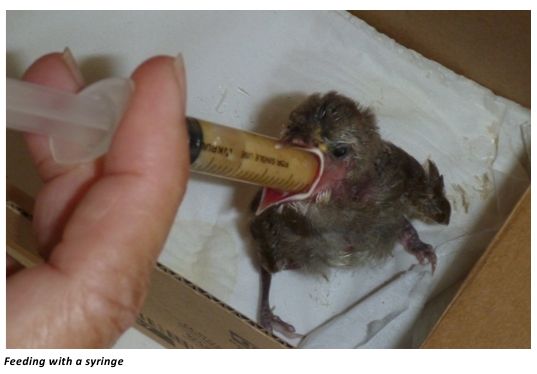
Use a small, soft syringe or spoon to feed the baby bird. Warm the food to about body temperature before feeding. Hold the bird gently and steady. Offer food slowly to avoid choking. Keep the feeding area clean to prevent infections. Make sure the food has the right texture, not too thick or thin.
Feeding Frequency And Amount
Feed baby birds often, usually every 2 to 3 hours. Younger birds need more frequent feedings. Watch the crop (the bird’s throat pouch) to see if it is full. Feed small amounts at each feeding to avoid overfeeding. As the bird grows, reduce feeding times but increase the amount slightly.
Signs Of Overfeeding Or Underfeeding
Look for a swollen or hard crop; it may mean overfeeding. A crop that stays empty or shrinks fast can mean underfeeding. If the bird is weak or not gaining weight, check feeding habits. Overfed birds may become sick or have breathing issues. Underfed birds may be quiet, weak, or lose feathers.
Preparing Food Safely
Preparing food safely for your baby bird is very important. Cleanliness and proper handling keep your bird healthy. Baby birds have delicate immune systems. Unsafe food can cause sickness quickly. Taking care during food preparation prevents many problems. It also helps your baby bird grow strong and happy.
Sanitation Tips
- Wash your hands with soap and water before feeding.
- Clean all utensils and bowls with hot water.
- Use a separate cutting board for bird food.
- Disinfect surfaces to avoid germs spreading.
- Replace feeding tools regularly to keep them fresh.
Proper Food Storage
- Store bird food in airtight containers.
- Keep food in a cool, dry place away from sunlight.
- Refrigerate perishable items like fruits or cooked food.
- Use food within recommended time to avoid spoilage.
- Label containers with preparation dates for safety.
Avoiding Harmful Ingredients
- Never feed baby birds chocolate or caffeine.
- Avoid salty, sugary, or spicy foods.
- Do not give avocado, onion, or garlic.
- Check all food for pesticides or chemicals.
- Offer only fresh, bird-safe fruits and vegetables.
Monitoring Growth And Health
Keeping a close eye on your baby bird’s growth and health is essential for its survival and happiness. It’s not just about feeding; it’s about understanding how your little feathered friend is developing day by day. Regular monitoring helps you catch early signs of trouble and ensures your bird is on the right track.
Tracking Weight And Development
Weigh your baby bird daily using a small digital scale. Keep a simple chart to record the weight and note any changes in feather growth or activity levels. A steady weight gain and bright eyes usually mean your bird is thriving.
Think about how you track your own progress when learning something new. Wouldn’t you want to see clear signs that you’re improving? Your baby bird deserves that same attention to detail.
Recognizing Health Issues
Watch for signs like lethargy, fluffed-up feathers, or refusal to eat. These can indicate illness or stress. Sudden weight loss or irregular droppings also signal that something’s wrong.
It’s easy to miss subtle signs if you’re not paying close attention. Have you noticed any unusual behavior or physical changes in your bird recently? Catching these early can make a huge difference.
When To Consult A Vet
Don’t wait if you see persistent symptoms like breathing difficulty, swelling, or changes in droppings. Immediate vet consultation can prevent serious complications. Regular check-ups can also help maintain your bird’s health.
Imagine how much faster problems can be solved with professional help. Are you prepared to call your vet if your baby bird shows worrying signs? Knowing when to act can save your bird’s life.
Transitioning To Solid Foods
Transitioning your baby bird to solid foods is an important stage. It helps the bird develop strong eating habits and good health. This process requires patience and careful observation of your bird’s readiness. Gradually offering solid foods alongside soft meals makes the change easier.
Timing The Weaning Process
Start weaning when your baby bird shows interest in solid foods. Signs include pecking at food or sitting near adults during feeding. Usually, this begins around four to six weeks old. Avoid rushing the process; too early can cause stress or health issues. Watch the bird’s weight and behavior to ensure proper growth.
Introducing New Textures
Offer soft, easy-to-digest foods at first. Examples include mashed fruits, cooked vegetables, and soaked pellets. Slowly change the texture to firmer foods as the bird grows. Mixing textures helps the bird adapt and learn to chew. Avoid hard or sharp foods that may hurt the baby bird’s mouth.
Encouraging Independent Eating
Place small amounts of food in a shallow dish. Let the baby bird explore and peck at food on its own. Praise and gentle encouragement help build confidence. Remove hand-feeding gradually to support independence. Keep water clean and fresh for the bird to drink freely.
Credit: www.petsmart.ca
Frequently Asked Questions
What Is The Best Food For A Baby Bird?
The best food for baby birds depends on species. Generally, soft, protein-rich foods like insects, soaked pellets, or specialized formula work well. Avoid bread or milk. Fresh water should always be accessible. Consult a vet for species-specific diets.
How Often Should You Feed A Baby Bird?
Feed a baby bird every 15 to 20 minutes during daylight hours. As it grows, reduce feeding frequency to every 30-60 minutes. Proper feeding intervals help maintain their energy and growth. Monitor hunger cues closely for best results.
Can I Feed A Baby Bird Human Food?
Most human foods are unsafe for baby birds. Avoid processed, salty, or sugary foods. Some fruits and vegetables like apples or peas are acceptable in small amounts. Stick to bird-safe foods or a vet-recommended formula for best health.
How Do I Prepare Food For A Baby Bird?
Prepare baby bird food by softening dry pellets or mixing specialized formula with warm water. Mash fruits or insects finely if used. Always ensure the food is lukewarm, not hot. Use clean utensils to prevent contamination.
Conclusion
Feeding a baby bird takes care and attention. Choose fresh, safe foods that match its needs. Offer small portions often to keep it healthy. Watch how the bird reacts to new foods. Clean dishes and feeding tools prevent sickness. Patience helps the baby bird grow strong.
Every bird is different—learn what it likes best. Feeding well helps it thrive and fly one day. Keep learning and enjoy watching your bird grow.