

Have you ever found a tiny wild baby bird and wondered what to feed it? You want to help, but you’re not sure what’s safe or healthy.
Giving the wrong food can hurt more than help. Imagine the relief of knowing exactly what to offer that little bird so it can grow strong and healthy. In this guide, you’ll discover simple, effective ways to care for a wild baby bird when it needs you most.
Keep reading—you might just save a life.
Credit: wildbloo.com
Identifying A Wild Baby Bird
Spotting a wild baby bird can stir a mix of curiosity and concern. Before rushing to help, it’s key to understand what you’re dealing with. Identifying the type of baby bird and assessing its situation ensures you respond in the best way possible for its survival.
Types Of Baby Birds
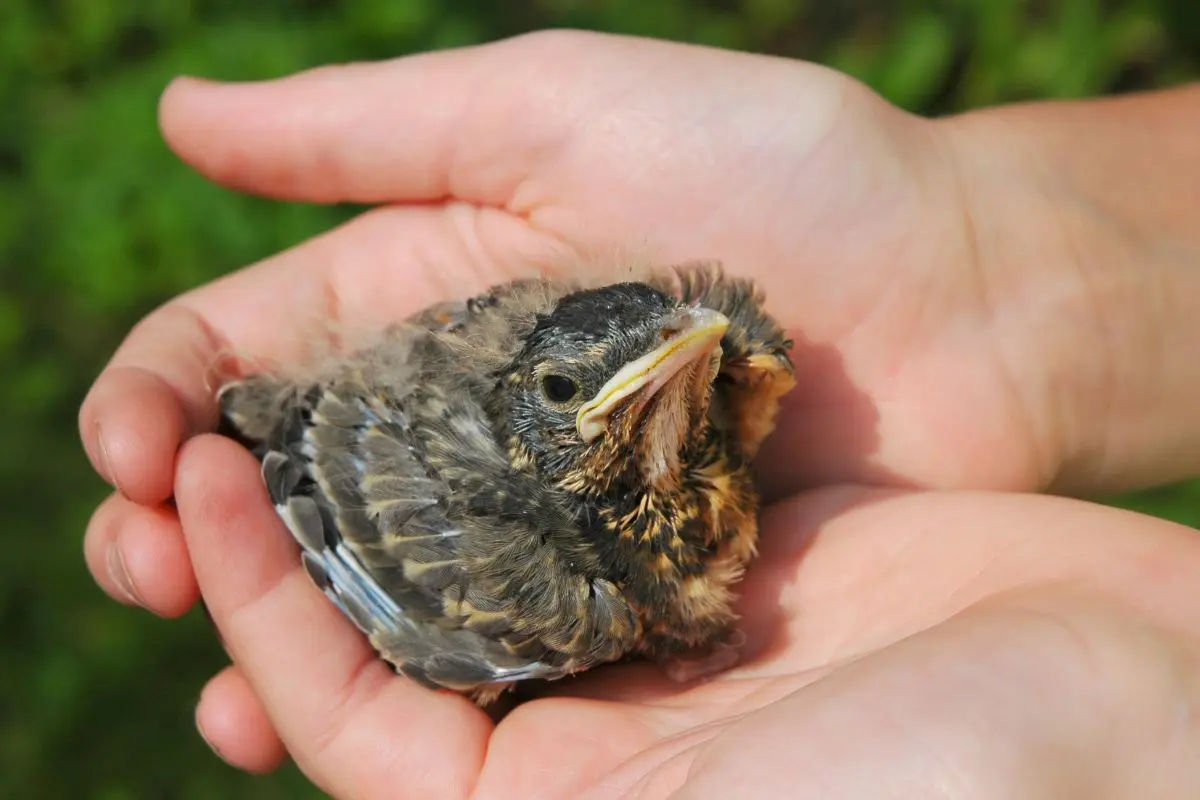
Baby birds generally fall into two categories: nestlingsand fledglings. Nestlings are very young, mostly featherless, and depend entirely on their parents. Fledglings have feathers and are learning to fly but still need some care.
Recognizing these types helps you decide if the bird truly needs help or is just in a vulnerable stage. Have you ever mistaken a fledgling for an abandoned baby? Understanding this difference can prevent unnecessary interference.
Signs Of Abandonment
It’s natural to worry when you find a baby bird alone, but not all alone birds are abandoned. Look for these signs:
- Visible injuries or weakness
- Parents are absent for more than a few hours
- Cold to the touch or shivering
Sometimes parent birds stay away to avoid attracting predators. I once watched a parent bird return after I thought the baby was abandoned. Patience and observation are your best tools here.
When To Intervene
Deciding to step in can be tough. If the bird is injured, in immediate danger, or clearly abandoned, intervention is necessary. However, if it’s a fledgling exploring nearby, your best move might be to keep pets and people away and let nature take its course.
Ask yourself: Is your help improving the bird’s chances or unintentionally causing harm? Your actions can make a difference, but knowing when to act is just as important as how you act.
Safe Feeding Practices
Wild baby birds need soft, easy-to-digest foods like soaked dog food or mealworms. Avoid giving bread or milk, as these can harm them. Always feed small amounts carefully to keep them safe and healthy.
Safe Feeding Practices Feeding a wild baby bird can be a delicate task. It’s crucial to understand that these young creatures have specific needs different from adult birds. Proper feeding practices ensure their survival and growth.How Often To Feed
Baby birds require frequent meals due to their fast metabolism. In general, you might need to feed them every 15 to 20 minutes from dawn till dusk. This may sound demanding, but it’s vital for their development.Appropriate Feeding Tools
Using the right tools can prevent injuries to the baby bird. A small syringe or a dropper is often ideal. They mimic the parent bird’s feeding action and help control the food amount.Feeding Techniques
Gently approach the bird to avoid startling it. Place a small amount of food at the tip of its beak. Wait for the bird to open its mouth; don’t force it. Do you ever wonder how parent birds manage this delicate task so efficiently? Observing nature can teach us so much about gentleness and precision. Always remember to be patient and attentive as you feed.Suitable Foods For Baby Birds
Feeding a wild baby bird requires careful attention to its dietary needs. Providing the right food helps the bird grow strong and increases its chances of survival. Understanding what baby birds eat naturally and how you can mimic that with safe homemade options is crucial.
Natural Diets By Species
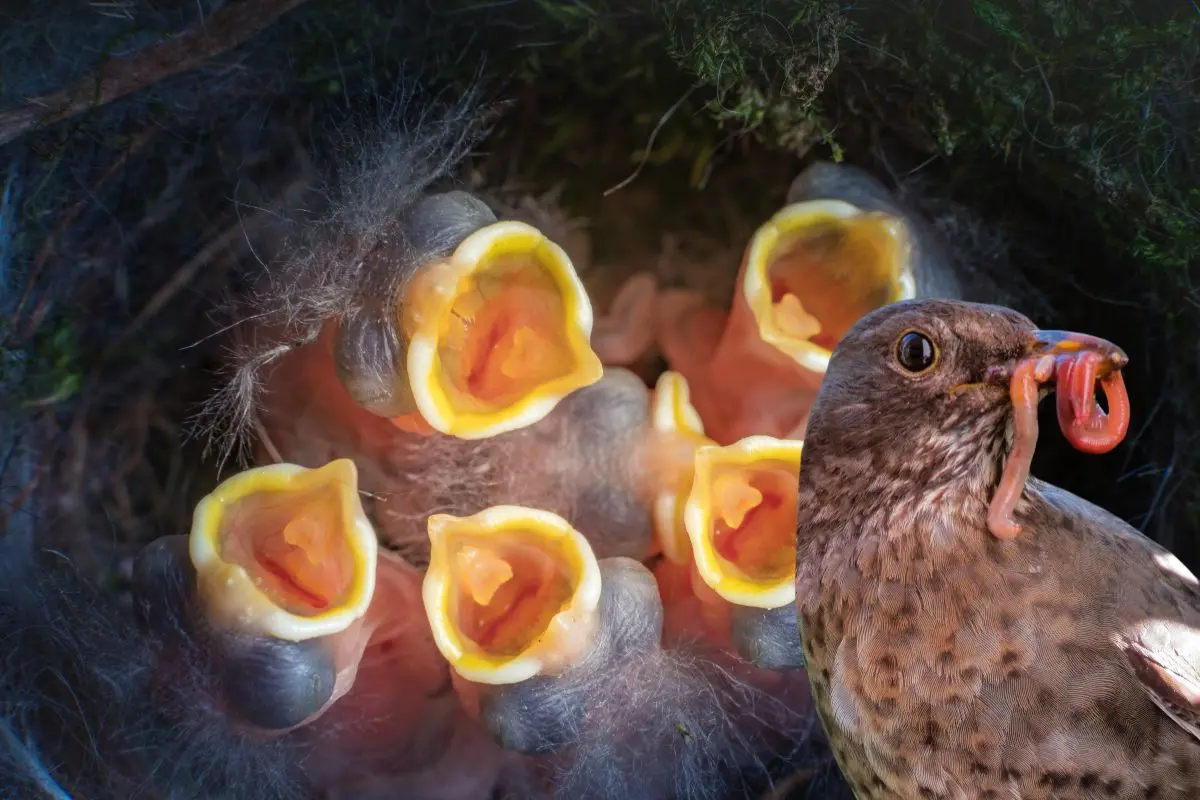
Different species of baby birds have different natural diets. For example, insectivorous birds like robins and bluebirds mainly eat soft-bodied insects and worms. Seed-eating birds, such as finches and sparrows, depend on softened seeds and small grains.
Knowing the species helps you identify what to feed. A baby hummingbird needs a sugar-water mix, while a fledgling crow requires a mix of insects and small fruits. Have you ever noticed how birds’ diets change as they grow? That’s why matching the natural diet is important.
Homemade Food Options
When you can’t provide natural food, homemade options work well. A mix of soaked dog food or cat food, mashed hard-boiled eggs, and finely chopped insects can be a good start. You can also use baby cereal mixed with water for some species.
Make sure the food is soft and easy to swallow. Avoid giving dry or hard pieces that can choke the baby bird. Have you tried blending foods to get the right texture? It’s easier than you think and makes feeding simpler.
Foods To Avoid
Not all human foods are safe for baby birds. Avoid bread, milk, salt, and processed foods as they offer no nutrition and can harm the bird. Also, never feed honey or anything sticky since it can cause digestive problems.
Some fruits and vegetables are too acidic or tough for baby birds. Citrus fruits and onions should be off the list. Always think twice before offering something new—your choices can affect the bird’s health significantly.
Credit: wildbloo.com
Hydration Needs
Wild baby birds need water just like adults. Hydration keeps their bodies working well. It helps them digest food and stay healthy. Young birds cannot drink from a water bowl easily. Careful steps are needed to give them water safely. Observing signs of dehydration is also important to protect their health.
Providing Water Safely
Use a small dropper or syringe to offer water. Give tiny drops slowly to avoid choking. Never force water into their throat. Use clean, room-temperature water only. Avoid sugary or flavored drinks. Offer water between feeding times, not with food. Keep the baby bird warm during hydration. Place a few drops near the beak to encourage drinking.
Signs Of Dehydration
- Dry or sticky mouth and tongue
- Sunken eyes
- Weakness or lethargy
- Cold body or pale skin
- Fluffed feathers that stay puffed up
Notice these signs quickly. Dehydration can harm young birds fast. Seek help from a wildlife expert if you see these symptoms.
Handling And Care Tips
Handling a wild baby bird requires a gentle and careful approach to ensure its safety and well-being. You want to provide the best care without causing unnecessary stress or harm. Here are some key tips to help you manage this delicate task effectively.
Minimizing Stress
Wild baby birds are easily stressed by loud noises, sudden movements, or excessive handling. Keep your environment quiet and calm while caring for the bird.
Limit the time you hold or interact with it. Use soft, slow motions to avoid startling the bird. Remember, too much stress can weaken its immune system and delay recovery.
Keeping Warm
Baby birds cannot regulate their body temperature well, so warmth is crucial. Use a heating pad set on low or a warm water bottle wrapped in a towel to provide gentle heat.
Place the heat source under half of the bird’s container, allowing it to move away if it gets too warm. This simple step can make a big difference in survival chances.
When To Seek Professional Help
Knowing when to call a wildlife rehabilitator or vet can save the bird’s life. If the bird is injured, lethargic, or not eating properly, don’t hesitate to get expert help.
Also, if you’re unsure about what to feed or how to care for the bird, professionals have the experience and resources to offer the best support.
Credit: wildbloo.com
Preparing For Release
Preparing a wild baby bird for release demands care and patience. This stage is vital to help the bird survive on its own outside. The process aims to build strength, skills, and confidence for life in the wild.
Assessing Readiness
Check if the bird can feed itself without help. Observe if it can fly short distances or flap its wings strongly. Look for alertness and natural behavior like preening feathers. Healthy weight and full feather growth are good signs. Avoid releasing birds too early or too late.
Gradual Independence
Let the bird practice finding food on its own. Provide natural foods similar to what it will eat outside. Reduce hand feeding slowly to encourage self-feeding. Create a safe outdoor space where it can explore. Short supervised outings help build confidence.
Safe Release Practices
Choose a quiet, safe place with shelter and food sources. Release during daylight to allow time for adjustment. Put the bird on a tree branch or bush, not on the ground. Stay nearby but don’t interfere to let it adapt. Monitor from a distance for a few days if possible.
Frequently Asked Questions
What Do Wild Baby Birds Eat In Nature?
Wild baby birds eat insects, worms, and regurgitated food from parents. Their diet varies by species and habitat. Protein-rich foods help their growth. Feeding them appropriate natural foods is crucial for survival and development.
Can I Feed Milk Or Bread To A Baby Bird?
No, milk and bread are harmful to baby birds. Bread lacks nutrients and can cause malnutrition. Milk can upset their digestive system. Always provide protein-rich, soft foods like insects or specialized bird formulas.
How Often Should I Feed A Wild Baby Bird?
Feed wild baby birds every 15-20 minutes during daylight hours. They need frequent feeding due to fast metabolism. Avoid feeding at night to mimic natural parental care. Proper feeding intervals support healthy growth.
Is It Safe To Handle And Feed A Wild Baby Bird?
Handling wild baby birds should be minimal to reduce stress. Only intervene if the bird is injured or orphaned. Use clean hands and gentle techniques when feeding. Contact wildlife rehabilitators for guidance and support.
Conclusion
Feeding a wild baby bird takes care and attention. Always offer soft, natural foods like insects or soaked dog food. Avoid giving bread, milk, or human snacks. Keep the bird warm and safe while helping it grow. Remember, wild birds need their mother’s care most.
Your help can make a big difference but only for a short time. Stay calm and patient. Watching a baby bird grow is a special experience. Small steps help them return to the wild, healthy and strong.