

Have you ever wondered what to feed wild birds in your garden to keep them coming back? Choosing the right food can turn your outdoor space into a lively haven full of colorful visitors.
Not only will you enjoy their cheerful songs and graceful flights, but you’ll also help support local wildlife. You’ll discover simple, effective ways to attract and nourish wild birds, making your garden a natural paradise. Keep reading to learn exactly what to offer and when, so your feathered friends feel right at home.
Best Seeds For Wild Birds
Choosing the best seeds for wild birds can transform your garden into a lively sanctuary. Different bird species prefer different types of seeds, so offering a variety can attract a wider range of feathered visitors. Here’s a closer look at some of the most popular and effective seeds to add to your bird feeders.
Sunflower Seeds
Sunflower seeds are a top favorite for many wild birds. They are rich in fat and nutrients, providing essential energy for birds, especially during colder months.
Black oil sunflower seeds, in particular, have thin shells that are easy for small birds like chickadees and finches to crack open. You might notice your garden filling up with vibrant cardinals and nuthatches when you add these seeds.
Millet And Sorghum
Small ground-feeding birds love millet and sorghum. These tiny seeds are perfect for sparrows, doves, and juncos who prefer to feed on the ground.
White proso millet is especially popular among ground feeders and is often included in mixed seed blends. If you’ve struggled to attract these species before, scattering millet on the ground can make a big difference.
Nyjer Seeds
Nyjer seeds are tiny, oil-rich seeds that attract finches like goldfinches and siskins. Their small size requires a special feeder with tiny holes to prevent seed spillage.
Many bird watchers notice that once they start offering nyjer seeds, their garden hosts a lively crowd of colorful finches. It’s a great option if you want to see more of these delicate birds up close.
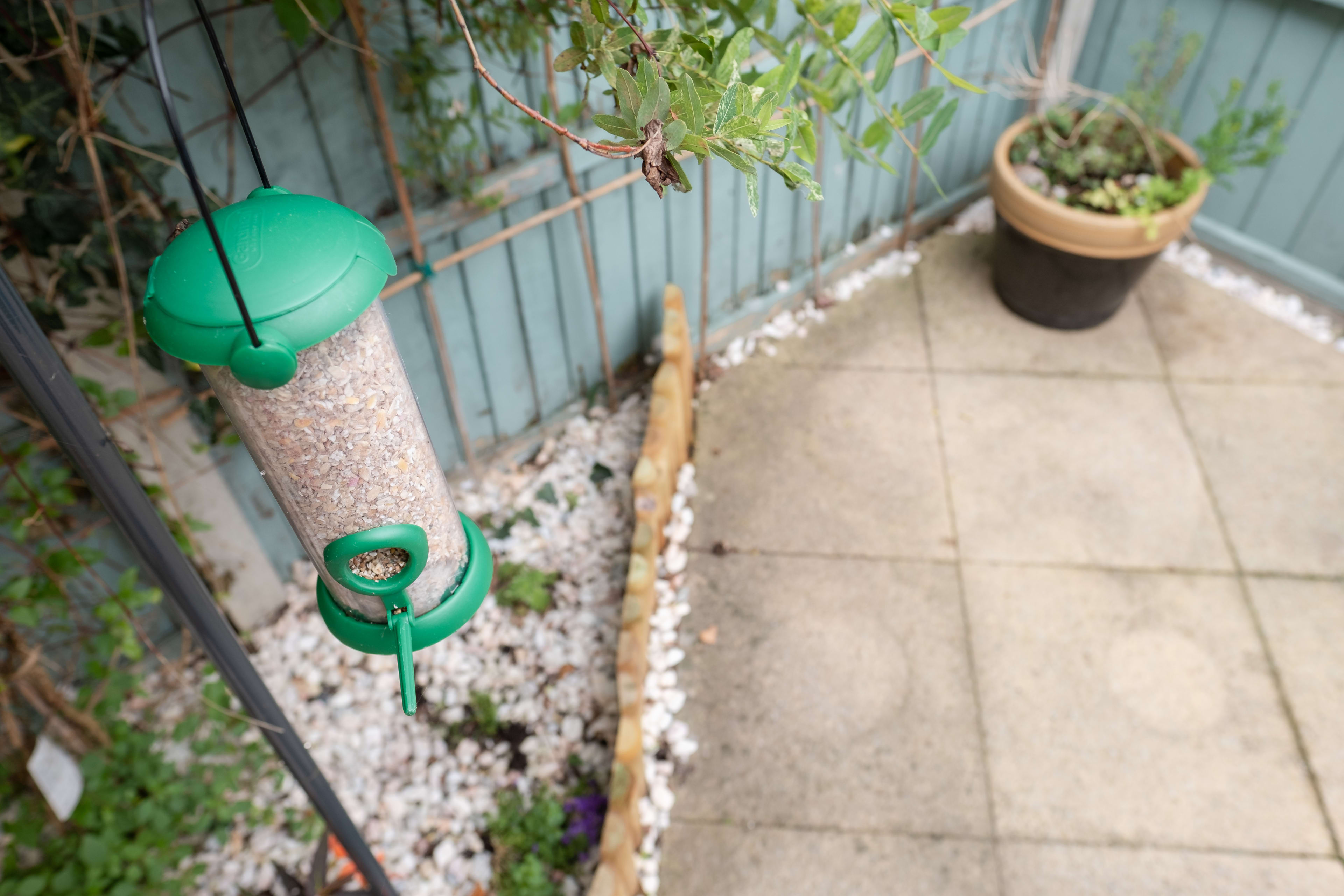
Credit: dengarden.com
Nuts That Attract Birds
Wild birds enjoy a variety of nuts like peanuts and almonds in your garden. These nuts provide good energy and attract many bird species. Offering unsalted, shelled nuts helps keep birds healthy and happy.
Nuts provide essential nutrients for wild birds in your garden. They offer proteins, healthy fats, and energy to birds, especially during colder months. Birds are naturally attracted to the rich flavors and textures of nuts. Let’s explore some popular nuts that can attract a variety of birds to your garden.Peanuts
Peanuts are a favorite among many bird species. They are rich in protein and fat. You can offer them shelled or unshelled. Blue jays and woodpeckers especially love peanuts. Always ensure they are unsalted and unseasoned.Almonds
Almonds are another excellent choice for bird feeding. They are packed with vitamins and minerals. Birds like chickadees and nuthatches enjoy almonds. Offer them chopped or sliced for easier consumption.Walnuts
Walnuts are nutritious and high in energy. They attract birds such as grosbeaks and titmice. Chop walnuts into smaller pieces. This makes it easier for birds to eat. Ensure they are raw and unsalted for safety. These nuts not only nourish but also encourage a vibrant bird community. Enjoy observing the lively activity in your garden.Fruits To Feed Wild Birds
Fruits make a tasty and healthy treat for wild birds in your garden. They are full of vitamins, water, and natural sugars that birds need. Offering a variety of fruits will attract different bird species. Keep fruits fresh and clean to avoid harming the birds. Some fruits are better suited for wild birds than others.
Berries And Grapes
Berries and grapes are favorites for many garden birds. They are small, juicy, and easy to eat. Birds like robins, thrushes, and waxwings enjoy berries. Safe choices include:
- Blueberries
- Blackberries
- Raspberries
- Grapes (cut in half for smaller birds)
Avoid wild berries that you don’t recognize. Some berries can be toxic to birds.
Apples And Pears
Apples and pears offer a good source of hydration and energy. Cut them into small pieces to help birds eat easily. Many birds like woodpeckers, starlings, and thrushes enjoy these fruits. Remove seeds and cores before feeding. The skin is safe and often contains nutrients.
Other Seasonal Fruits
Wild birds also enjoy a variety of seasonal fruits. These include:
- Peaches (without pits)
- Plums (pitted)
- Cherries (pitted)
- Melons (seedless or seeds removed)
Offer seasonal fruits in moderation to prevent spoilage. These fruits attract fruit-eating birds and add variety to their diet.
Vegetables And Other Treats
Vegetables and other treats can make a big difference in attracting wild birds to your garden. These foods offer essential nutrients and variety. Birds enjoy fresh, natural options alongside seeds and nuts. Providing a mix of vegetables and protein-rich snacks helps keep birds healthy and active. It also supports different species with diverse diets.
Corn And Peas
Corn is a favorite for many wild birds. Offer it fresh, dried, or cracked. Peas also provide good nutrition and are easy for birds to eat. Both corn and peas supply energy and vitamins. These vegetables attract species like pigeons, doves, and sparrows. Avoid salted or cooked versions. Fresh or natural forms work best for bird health.
Mealworms And Insects
Mealworms are excellent protein sources. Birds love them during breeding and cold seasons. You can buy dried or live mealworms. Insects like crickets and waxworms also attract insect-eating birds. These treats boost energy and help young birds grow. Place them in shallow dishes or feeders designed for insects. Keep the area clean to avoid spoilage.
Suet And Fat Balls
Suet provides high energy from animal fat. Fat balls mix suet with seeds and grains. These are perfect for cold weather feeding. Many birds, including woodpeckers and tits, rely on suet for survival. Hang fat balls in mesh feeders or suet cages. Avoid suet with added salt or artificial ingredients. Natural suet supports bird health and activity.
Safe Feeding Practices
Feeding wild birds in your garden is a rewarding experience, but it requires careful attention to their safety. Safe feeding practices ensure that the birds stay healthy and continue to visit your outdoor space. Let’s look at key ways you can protect these feathered friends while offering them tasty treats.
Avoiding Harmful Foods
Not all foods are safe for wild birds. Avoid feeding them bread, as it lacks nutrients and can cause health problems. Also, steer clear of salty, sugary, or processed snacks that can harm their delicate systems.
Some fruits and seeds can be toxic, like avocado or raw beans. Instead, choose bird-friendly options such as sunflower seeds, unsalted peanuts, and fresh berries. Have you ever noticed how birds ignore certain foods? They know what’s good for them instinctively.
Maintaining Clean Feeders
Dirty feeders can spread diseases quickly among birds. Clean your feeders at least once a week using hot water and mild soap. Rinse thoroughly to remove all soap residue before refilling.
Check regularly for moldy or clumped food and remove it immediately. You’ll see more birds visiting if they feel safe and healthy at your feeder. Have you ever watched birds avoid a feeder after a rainstorm? Cleanliness matters more than you might think.
Seasonal Feeding Tips
Bird feeding needs change with the seasons. In winter, offer high-energy foods like suet or peanuts to help birds stay warm. During spring and summer, provide fresh fruits and insects to support nesting and raising chicks.
Consider reducing feeding in the fall when natural food sources become abundant again. This balance helps birds maintain their natural foraging habits. What seasonal changes do you notice in your garden’s bird visitors?

Credit: wildbloo.com
Feeding Tips For Different Bird Species
Different bird species prefer different foods. Feeding them the right type helps keep them healthy and happy. It also attracts a variety of birds to your garden. Understanding each bird’s favorite foods makes feeding easier and more effective.
Songbirds
Songbirds enjoy a mix of seeds and fruits. Black oil sunflower seeds are their top choice. They also like suet and mealworms, especially in colder months.
- Offer a variety of seeds to attract more species.
- Use feeders that keep seeds dry and clean.
- Place feeders in safe, visible spots.
Woodpeckers
Woodpeckers prefer suet and nuts. Suet provides energy, especially in winter. Peanuts and sunflower seeds are also favorites.
- Use suet cages or mesh feeders for nuts.
- Hang feeders on tree trunks or sturdy posts.
- Avoid salty or flavored nuts that can harm birds.
Finches And Sparrows
Finches and sparrows like small seeds like millet and nyjer. Nyjer seed attracts finches especially. Sparrows enjoy cracked corn and sunflower seeds too.
- Use tube feeders with small holes for nyjer seed.
- Provide a ground feeder for sparrows.
- Keep feeders clean to prevent disease.
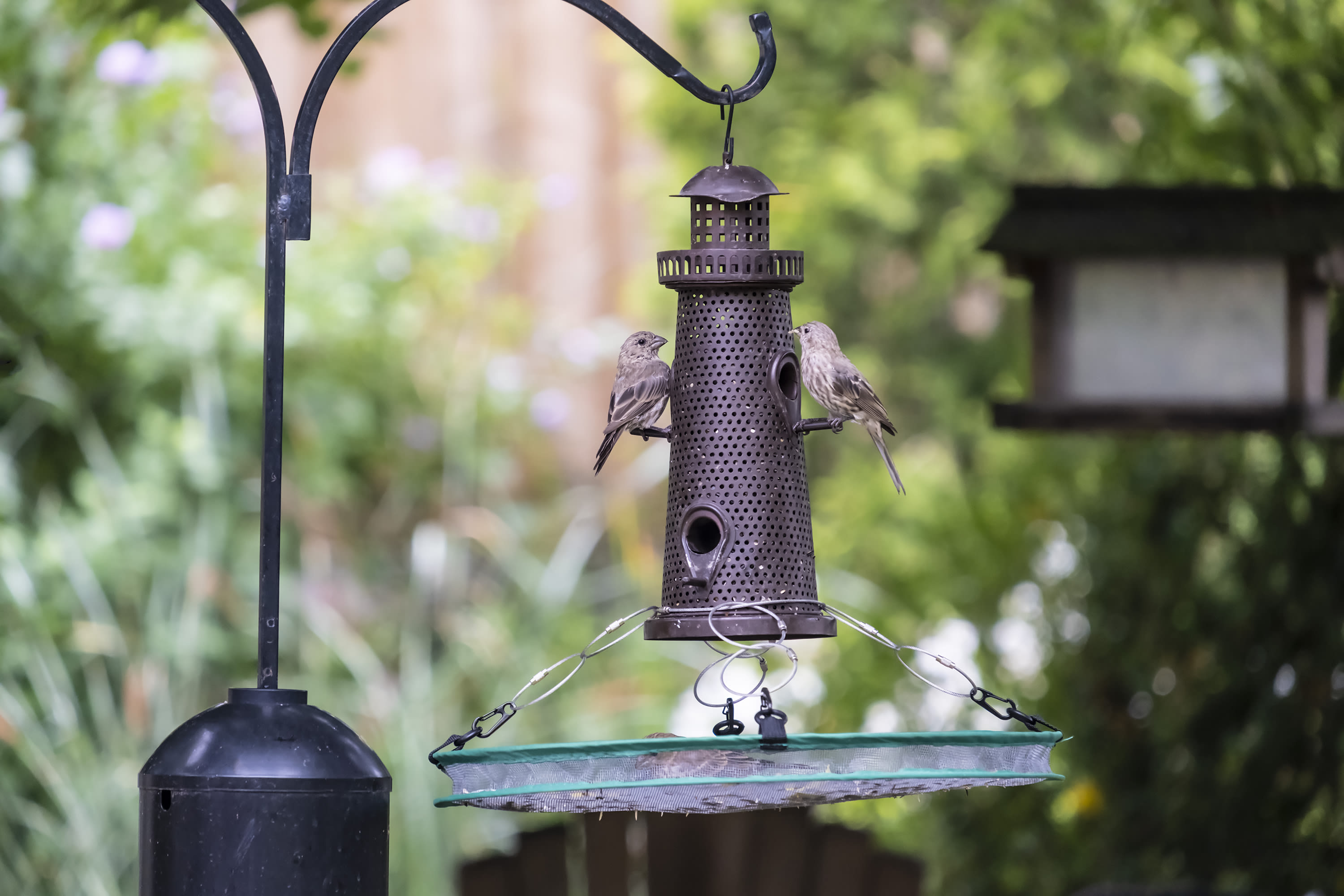
Credit: dengarden.com
Frequently Asked Questions
What Types Of Seeds Attract Wild Birds To Gardens?
Black oil sunflower seeds are highly popular among many wild birds. Millet, nyjer, and cracked corn also attract diverse species. Offering a mix increases the variety of birds visiting your garden.
Can I Feed Wild Birds Bread Or Leftovers?
No, bread and leftovers lack proper nutrients and can harm birds. Stick to birdseed, nuts, fruits, and suet for healthy feeding.
How Often Should I Refill Bird Feeders In My Garden?
Refill feeders every few days to keep food fresh and prevent spoilage. Consistent feeding encourages birds to return regularly.
What Foods Should I Avoid Feeding Wild Birds?
Avoid salty, sugary, or processed foods. Also, do not feed moldy or spoiled items, as these can cause illness in birds.
Conclusion
Feeding wild birds brings life to your garden. Seeds like sunflower and millet attract many birds. Clean water and safe feeders help them stay healthy. Avoid bread or salty foods that harm birds. Watch them enjoy natural, nutritious treats each day.
Small steps make a big difference for local wildlife. Enjoy the peaceful sounds and colors they bring. Start feeding wild birds and see your garden come alive.