

Are you ready to welcome more small birds to your yard? Choosing the right bird feeder can make all the difference in attracting those delicate, colorful visitors you love.
But with so many options out there, how do you know which one is best for your feathered friends? You’ll discover the perfect type of bird feeder designed specifically for small birds. By the end, you’ll have the confidence to pick a feeder that keeps your garden lively and full of happy chirps.
Keep reading, because your backyard birdwatching is about to get a whole lot better!

Credit: www.amazon.com
Choosing Feeders For Small Birds
Choosing the right feeder for small birds can transform your backyard into a lively sanctuary. Small birds have unique needs that larger feeders might not meet. Selecting feeders designed specifically for them helps you attract a variety of charming little visitors and keep them safe while they eat.
Key Features To Consider
Look for feeders with small perches or no perches at all. This limits access to larger birds, giving small birds a chance to feed comfortably. Also, ensure the feeding ports are small enough to dispense seeds suitable for tiny beaks, like millet or nyjer seeds.
Durability matters too. Choose feeders made from weather-resistant materials like metal or thick plastic to withstand rain and wind. Easy cleaning is another must-have feature—you don’t want mold or bacteria to harm your feathered friends.
Benefits Of Size-specific Feeders
Feeders designed for small birds help reduce competition and bullying by bigger birds. This creates a peaceful feeding spot where timid species can thrive. You’ll likely notice more visits from finches, chickadees, and wrens, adding delightful variety to your birdwatching.
Besides attracting more small birds, these feeders reduce seed waste. Since seeds are tailored to smaller birds, less gets spilled or ignored. This keeps your feeding area cleaner and less attractive to pests like squirrels.
Popular Feeder Styles
Tube feeders with small perches attract tiny birds like finches and chickadees. Hopper feeders offer seed in a covered space, ideal for sparrows and nuthatches. Platform feeders provide an open area, perfect for ground-feeding birds that prefer small seeds.
Bird watching is a delightful hobby that brings nature right to your doorstep. Choosing the right type of bird feeder can greatly impact your experience, especially if you’re keen on attracting small birds. Let’s explore some popular feeder styles that cater to our feathered friends.Tube Feeders
Tube feeders are a favorite among small birds like finches and chickadees. They consist of a clear, cylindrical tube with multiple feeding ports. These feeders keep seeds fresh and dry while offering easy access for small birds. The design prevents larger birds from hogging the food, ensuring that tiny visitors get their share. If you’re aiming for a lively flock of small birds, tube feeders are a great choice.Platform Feeders
Platform feeders are versatile and attract a variety of birds, including small species. These open trays allow birds to perch comfortably while they eat. They’re perfect for seeds, fruits, and even mealworms, inviting an array of birds to your garden. However, be mindful that they don’t offer much protection from the elements or squirrels.Hopper Feeders
Hopper feeders combine the benefits of tube and platform feeders. They feature a covered reservoir to keep seeds dry and a tray-like base for feeding. This style is excellent for mixed seed blends and appeals to small birds like sparrows and titmice. With their larger capacity, you won’t need to refill them as often, making them a convenient option.Nyjer Seed Feeders
Specially designed for small birds, nyjer seed feeders cater to species like goldfinches and siskins. These feeders have tiny feeding ports to dispense the fine nyjer seeds. Their construction prevents seed spillage and waste, making them both economical and effective. If you desire a splash of vibrant yellow in your yard, these feeders are your ticket. Which feeder will best suit your backyard oasis? The choice is yours, but remember, the right feeder can transform your space into a bustling hub of bird activity.Materials And Durability
Choosing the right material for your bird feeder can make a huge difference in how long it lasts and how well it serves the small birds visiting your garden. Durability is key, especially if you want to avoid constant replacements and keep your feathered friends happy year-round. Let’s look at common materials and how they stand up to the elements and daily use.
Plastic Vs Metal
Plastic feeders tend to be lightweight and affordable. They often come in bright colors that attract small birds, but they can crack or fade under strong sunlight or cold weather.
Metal feeders, especially those made of stainless steel or aluminum, offer superior durability. They resist chewing by squirrels and other pests better than plastic. However, metal feeders can get hot under direct sun, which might affect the seeds inside.
Have you noticed how some plastic feeders become brittle after a season? That’s a sign to consider metal if you want something tougher.
Weather Resistance
Think about your local climate when picking a feeder material. Rain, snow, and intense sun can all wear down feeders quickly if they’re not weather-resistant.
Plastic feeders may warp or discolor after heavy rains and UV exposure. Metal feeders often come with powder-coated finishes that protect against rust and corrosion.
Can your feeder handle a wet winter or a scorching summer? Choosing materials designed for your weather can save you money and hassle.
Ease Of Cleaning
Cleaning your feeder is essential to keep birds healthy and prevent mold or disease. Smooth surfaces are easier to clean thoroughly.
Plastic feeders can trap dirt and seed residue in scratches or crevices. Metal feeders usually have smoother finishes, making them easier to wipe down.
Have you ever struggled to clean a feeder with tiny nooks? Opt for designs and materials that make cleaning quick and effective.
Credit: www.kingsyard.com
Attracting Small Birds
Attracting small birds to your feeder requires thoughtful choices. Small birds prefer certain seeds and feeder types. They also need safe, comfortable spots to feed. Understanding these needs helps create a welcoming space for them.
Seed Choices For Small Birds
Small birds enjoy seeds that fit their size and beak shape. Black oil sunflower seeds are a favorite. They are easy to crack and full of oil. Nyjer seeds attract finches and siskins. Millet is good for sparrows and doves. Avoid large seeds that small birds cannot eat.
Placement Tips
Place feeders in quiet, sheltered areas. Near bushes or trees is ideal for cover. Keep feeders away from busy walkways and noisy spots. Small birds feel safer with nearby hiding places. Position feeders at different heights to attract various species.
Avoiding Larger Bird Dominance
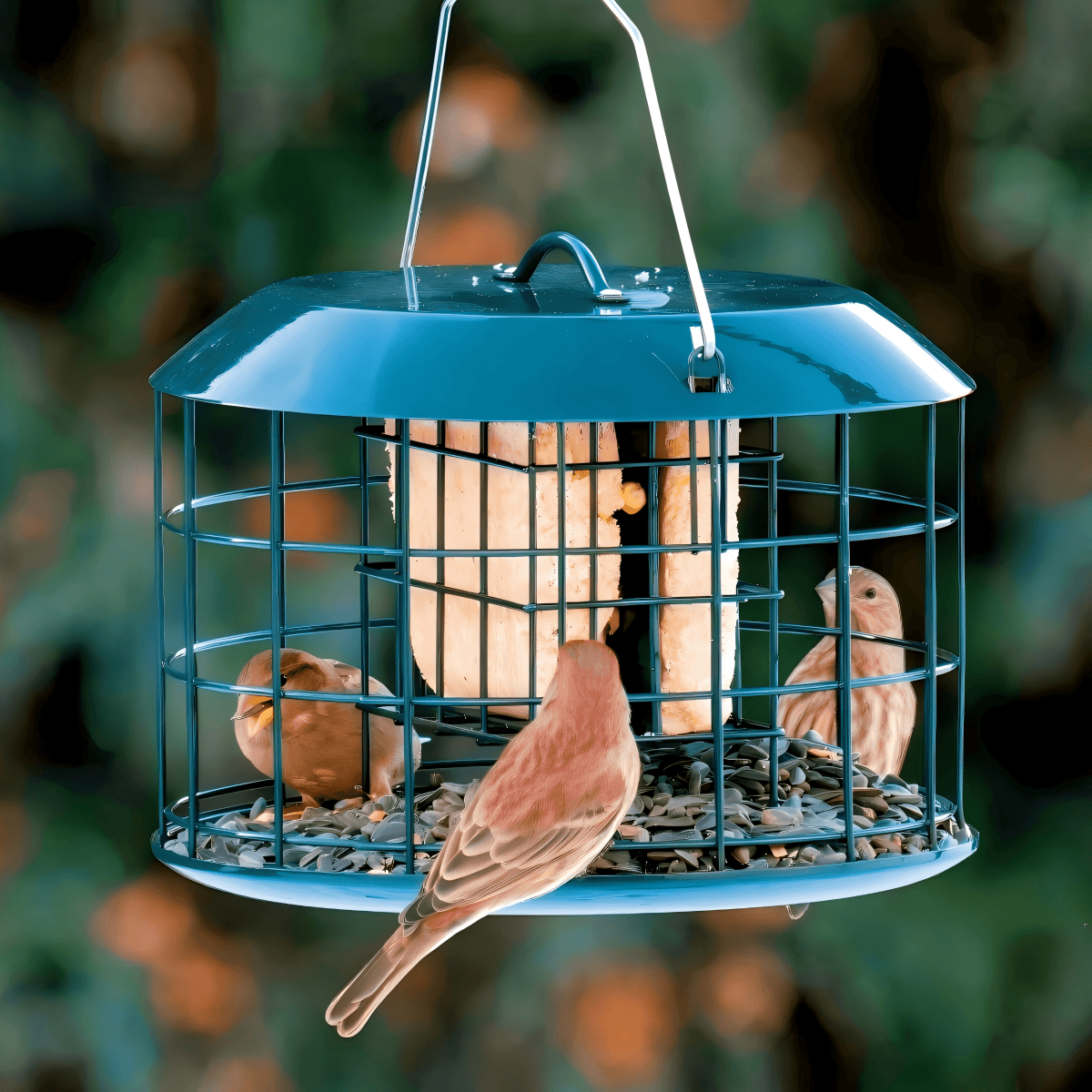
Larger birds can scare small birds away. Use feeders with small openings or weight limits. Tube feeders with narrow ports help keep out big birds. Add cages around feeders to block larger birds. Refill feeders regularly to reduce competition and stress.
Maintenance And Upkeep
Keeping your bird feeder clean and well-maintained is essential for attracting healthy, happy small birds to your garden. Neglecting upkeep can lead to clogged feeding ports, spoiled seed, and even the spread of disease among your feathered visitors. Let’s look at how you can keep your feeder in top shape to enjoy vibrant bird activity all season long.
Regular Cleaning Routine
Bird feeders need cleaning at least once every two weeks, but more often in wet or humid weather. Use warm, soapy water and a brush to scrub all surfaces, including feeding ports and trays. Rinse thoroughly and let the feeder dry completely before refilling to prevent bacteria growth.
Have you noticed sticky residue or seed husks building up? Ignoring this can discourage birds from visiting. A clean feeder signals safety and freshness to your small bird guests.
Refilling Strategies
Refill your feeder when the seed supply gets low, but avoid overfilling. Fresh seed attracts birds better and reduces waste. Try topping up in the morning when birds are most active to give them a fresh start to the day.
Consider using smaller quantities of seed more frequently instead of dumping a large amount all at once. This method keeps the seed fresher and cuts down on spoilage.
Preventing Mold And Spoilage
Moisture is the enemy of bird seed. Store extra seed in a cool, dry place and check your feeder daily after rain or heavy dew. Remove any damp or clumped seed immediately to prevent mold from spreading.
Have you ever seen birds avoid your feeder altogether? Moldy or spoiled seed could be the reason. Protecting your feeder from moisture not only keeps the seed fresh but also safeguards the birds’ health.

Credit: www.allaboutbirds.org
Top Feeder Picks
Choosing the right bird feeder can make a big difference in attracting small birds to your garden. The variety of feeders available can be overwhelming, but focusing on specific features helps narrow your options. Here, you’ll find top picks that suit different budgets and preferences without compromising on quality or effectiveness.
Best Overall Feeder
The best overall feeder balances durability, ease of cleaning, and bird-friendly design. One standout model features multiple perches and a seed guard to keep squirrels at bay. Its transparent reservoir lets you easily monitor seed levels, so you never run out unexpectedly.
Many bird lovers appreciate this feeder because it attracts a wide range of small birds like chickadees and finches. It’s also built with weather-resistant materials, so it holds up well year-round. Have you noticed how a well-designed feeder can keep birds coming back consistently?
Budget-friendly Options
If you want a feeder that works well but doesn’t break the bank, look for simple tube feeders or platform feeders. These models often use lightweight plastic and have straightforward designs that small birds find easy to use. A basic tube feeder with metal ports is a reliable choice for seed dispensing without fuss.
Despite their affordability, some budget feeders still come with features like easy refill tops and removable trays for cleaning. You might be surprised how much enjoyment you can get from a feeder that costs less than a coffee outing. What’s your favorite way to keep costs low while still supporting local wildlife?
Premium Quality Choices
For those ready to invest in a feeder that offers both style and superior function, premium options deliver on all fronts. High-end feeders often use stainless steel or heavy-duty wood, giving them a beautiful finish and long life. Some include innovative features like seed sifters or ant moats, which keep seeds fresh and pests away.
Bird enthusiasts who try these feeders often comment on how much more active their feathered visitors become. A premium feeder can also be a conversation piece in your yard, combining aesthetics with practicality. Would you consider upgrading your setup to see a noticeable difference in bird activity?
Frequently Asked Questions
What Bird Feeder Suits Small Birds Best?
Tube feeders with small perches work well for small birds. They keep seeds dry and limit access to larger birds, ensuring small birds can feed comfortably and safely.
Which Seeds Attract Small Birds To Feeders?
Nyjer (thistle) and sunflower seeds attract many small birds. These seeds are rich in nutrients and preferred by finches, chickadees, and other small species.
How To Keep Bird Feeders Safe For Small Birds?
Place feeders away from predators and use squirrel guards. Regularly clean feeders to prevent disease and ensure safe feeding for small birds.
What Feeder Placement Attracts More Small Birds?
Place feeders near shrubs or trees for cover. Small birds feel safer feeding near natural shelter, increasing feeder visits.
Conclusion
Choosing the right bird feeder helps small birds visit your yard often. Tube feeders, hopper feeders, and platform feeders each attract different birds. Seed choice matters too, so pick what small birds enjoy. Keep feeders clean and filled to keep birds healthy and happy.
Watching small birds up close brings joy and peace. A simple feeder can create a lively, beautiful garden space. Start with one type and see which birds come by. Enjoy the quiet moments with nature right outside your window.