
Have you ever wondered what types of plants attract those tiny, dazzling hummingbirds to your garden? If you want to see these amazing little birds up close, knowing what they love to feed on is key.
By choosing the right plants, you can turn your outdoor space into a hummingbird paradise. You’ll discover exactly which flowers and plants will bring these speedy visitors fluttering to your yard. Keep reading to unlock the secret to attracting hummingbirds and enjoy their magical presence every day.
Hummingbird Feeding Habits
Hummingbirds have unique feeding habits that suit their small size and high energy needs. These tiny birds rely mainly on liquid food to fuel their rapid wing beats and active lifestyle. Their feeding behavior is closely linked to the types of plants they visit.
Nectar Preferences
Hummingbirds prefer nectar from flowers that are rich in sugar. They seek out bright, tubular flowers that hold deep nectar pools. Sugar concentration in nectar varies, but hummingbirds favor nectar with about 20-25% sugar content. This gives them quick energy without heavy digestion.
They also visit feeders filled with specially made nectar solutions. These mimic natural flower nectar by mixing four parts water to one part sugar. Hummingbirds avoid nectar with artificial colors or additives.
Role Of Flowers In Diet
Flowers provide more than just nectar for hummingbirds. They offer pollen and small insects, which supply protein and nutrients. Hummingbirds play a key role in pollination by moving pollen between flowers.
Flower shape and color influence hummingbird visits. Red, orange, and pink flowers attract them the most. Tubular shapes fit their long beaks and tongues, making feeding easier and faster.
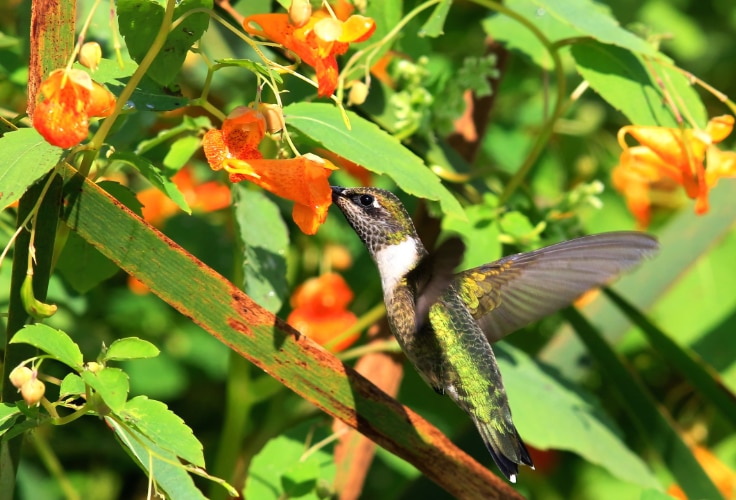
Credit: avibirds.com
Top Nectar Plants For Hummingbirds
Hummingbirds are attracted to vibrant, nectar-rich plants. These tiny birds require high-energy food sources. Planting the right flowers can draw them into your garden. Let’s explore some top nectar plants for hummingbirds.
Trumpet Vine
Trumpet Vine is a favorite among hummingbirds. Its bright orange-red flowers provide abundant nectar. This climbing plant can cover fences or trellises. It blooms from summer to fall, offering a long feeding season.
Bee Balm
Bee Balm features tubular flowers perfect for hummingbirds. The plant produces red, pink, and purple blooms. It thrives in sunny spots with well-drained soil. Bee Balm also attracts bees and butterflies, enriching your garden’s ecosystem.
Salvia
Salvia plants are known for their vibrant colors. They offer rich nectar, ideal for hummingbirds. These plants come in various shades, including red and blue. Salvia is drought-tolerant and grows well in sunny gardens.
Columbine
Columbine features unique, spurred flowers. Hummingbirds find its nectar irresistible. This plant blooms in early spring, providing an early food source. Columbine grows well in partial shade and well-drained soil.
Fuchsia
Fuchsia’s pendulous flowers attract hummingbirds with ease. The plant blooms in shades of red, pink, and purple. It thrives in shaded areas, adding color to less sunny spots. Fuchsia needs regular watering to keep its blooms vibrant.
Native Vs. Non-native Nectar Sources
Choosing between native and non-native plants for hummingbird feeders can shape your garden’s ecosystem in surprising ways. Native plants have evolved alongside local hummingbirds, creating a natural relationship that supports their feeding habits. On the other hand, non-native plants often add vibrant colors and unique shapes that also attract these tiny birds, but their impact on the environment and hummingbird health varies.
Benefits Of Native Plants
Native plants provide hummingbirds with nectar that perfectly matches their nutritional needs. Their flowers tend to bloom at the right times, ensuring a steady food supply throughout the hummingbird season.
Because native plants grow naturally in your area, they require less water and care, making your garden more sustainable. You might notice more hummingbirds visiting regularly, as these plants offer shelter and attract insects that hummingbirds also feed on.
Have you ever seen a hummingbird linger longer at a flower? That’s often a sign native plants are meeting their energy needs better than others.
Popular Non-native Options
Non-native plants like trumpet vine, fuchsias, and certain hibiscus species are favorites for their bright colors and large, tubular flowers. These features can be irresistible to hummingbirds looking for a quick nectar fix.
However, some non-native plants may bloom out of sync with the local hummingbird migration or require more water and care. It’s important to pick varieties known to be safe and beneficial, avoiding those that might harm local pollinators or spread aggressively.
Could adding a few well-chosen non-native plants create a vibrant hummingbird buffet without disrupting your garden’s balance? Many gardeners find a mix offers the best of both worlds.
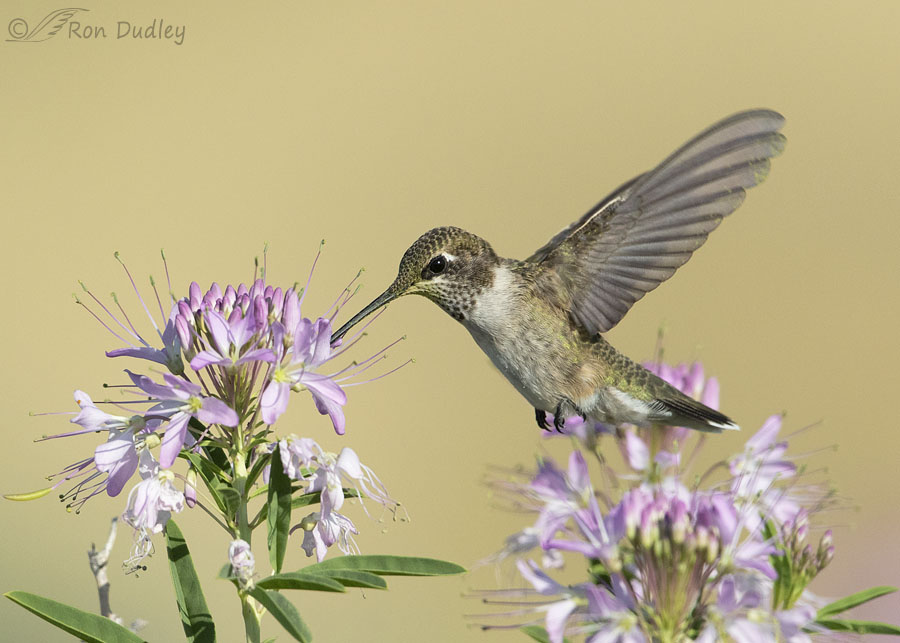
Credit: www.featheredphotography.com
Flower Characteristics That Attract Hummingbirds
Hummingbirds are drawn to flowers with special features. These features help them find food quickly and easily. Flowers that attract hummingbirds share some common traits. Understanding these traits helps gardeners choose plants that bring hummingbirds to their yards.
Color Preferences
Hummingbirds love bright colors. Red is their favorite. They also like orange, pink, and purple. These colors stand out well to hummingbirds. They can see these colors from far away. Flowers with these colors get more visits.
Shape And Size
Tube-shaped flowers suit hummingbirds best. Their long beaks fit inside these flowers easily. Small to medium sizes work well. Flowers too big or too small are harder for them to feed on. Tubular shapes hold nectar deep inside, perfect for hummingbirds.
Nectar Quantity And Quality
Hummingbirds need plenty of nectar. Flowers that produce a lot of sweet nectar attract them. Nectar with more sugar gives hummingbirds more energy. They prefer flowers that refill nectar often. Fresh, sweet nectar keeps them coming back.
Creating A Hummingbird-friendly Garden
Creating a hummingbird-friendly garden invites these tiny birds to visit often. It means planting flowers and providing resources that hummingbirds love. Such a garden supports their feeding habits and attracts them throughout the year.
Plant Selection Tips
Choose plants with bright colors like red, orange, and pink. Hummingbirds prefer tubular flowers because their long beaks fit well inside. Native plants attract more hummingbirds as they are adapted to the local environment.
- Trumpet vine
- Bee balm
- Cardinal flower
- Salvia
- Columbine
Avoid flowers that are too large or flat. These do not provide easy access to nectar for hummingbirds.
Seasonal Blooming Considerations
Select plants that bloom at different times of the year. This ensures a continuous food supply for hummingbirds. Early bloomers support them in spring, while late bloomers help in fall.
| Season | Example Plants |
|---|---|
| Spring | Columbine, Penstemon |
| Summer | Bee balm, Trumpet vine |
| Fall | Salvia, Goldenrod |
Mix annuals and perennials to keep your garden lively and full of nectar.
Additional Food Sources
Hummingbirds also feed on insects and spiders for protein. Place feeders with sugar water to supplement natural nectar. Use a simple recipe of four parts water to one part sugar.
- Change feeder water every few days
- Keep feeders clean to avoid mold
- Place feeders near flowers for easy access
Provide small water features or misters for drinking and bathing. These details make your garden a safe haven for hummingbirds.

Credit: www.birdwatchingdaily.com
Avoiding Harmful Plants And Practices
Creating a safe feeding space for hummingbirds means avoiding harmful plants and harmful practices. Some plants can poison these tiny birds. Chemicals used in gardens also pose risks. Protecting hummingbirds starts with choosing the right plants and caring for them properly.
Toxic Plants To Hummingbirds
Some common garden plants are toxic to hummingbirds. These plants may contain harmful substances in their nectar or pollen. Avoid planting:
- Oleander
- Foxglove
- Lilies
- Azaleas
- Rhododendrons
These plants can cause illness or death if hummingbirds feed on them. Choose native, hummingbird-friendly flowers instead. Bright, tubular flowers like trumpet vine and bee balm are safer options.
Pesticide Use
Garden pesticides harm hummingbirds directly and indirectly. Chemicals can poison birds or reduce insect prey they eat. Avoid using insecticides, herbicides, and fungicides near hummingbird feeders or flowers. Opt for natural pest control methods like hand-picking pests or using neem oil. Safe gardens keep hummingbirds healthy and thriving.
Frequently Asked Questions
What Flowers Attract Hummingbirds The Most?
Hummingbirds prefer brightly colored, tubular flowers like trumpet vine, bee balm, and salvia. These flowers provide easy access to nectar, their primary food source.
Do Hummingbirds Feed On Specific Plant Types?
Yes, hummingbirds feed mainly on nectar from flowering plants with tubular shapes. They favor native plants rich in nectar and bright colors.
Can Hummingbirds Eat Plants Besides Flowers?
Hummingbirds also consume small insects and spiders for protein. However, nectar from flowers remains their main energy source.
Why Do Hummingbirds Prefer Red Flowers?
Red flowers stand out to hummingbirds as they have excellent color vision. These flowers often signal a rich nectar supply, attracting hummingbirds effectively.
Conclusion
Hummingbirds love bright, tubular flowers that hold lots of nectar. Plants like trumpet vine, bee balm, and salvia attract them easily. These flowers provide the energy hummingbirds need for their fast wings. Planting these types can bring hummingbirds to your garden often.
Watching them feed is a joyful and peaceful sight. Choose flowers with red, orange, or pink colors for best results. Simple choices help support these small, busy birds every day. Enjoy the beauty and life hummingbirds bring to your outdoor space.