
Are you wondering when to stop feeding the birds as spring arrives? You want to help your feathered friends, but you might be unsure if continuing to feed them is good or bad.
Knowing the right time to pause can protect the birds and keep your garden healthy. You’ll discover exactly when and why to stop feeding birds in spring, so you can make the best choice for your backyard visitors. Keep reading to learn how to support birds without causing harm.

Credit: uk.news.yahoo.com
Benefits Of Spring Bird Feeding
Spring bird feeding helps birds stay strong as natural food becomes scarce. Stopping feeding when birds find enough food encourages healthy habits and migration. Knowing the right time supports bird health and your local ecosystem.
Feeding birds in the spring offers numerous benefits that extend beyond just providing food. It’s a rewarding practice that supports the vibrant ecosystem in your backyard and contributes to the well-being of various bird species. As you hang those feeders and watch the flurry of activity, you might wonder about the specific advantages of keeping those feeders stocked during springtime. Let’s explore some of these benefits.Supporting Bird Energy Needs
Spring is a critical time for birds as they migrate back to their breeding grounds. They often travel long distances and arrive exhausted and hungry. Providing food helps replenish their energy reserves swiftly. Imagine a tired traveler finding a rest stop after hours on the road. Your feeder is that haven for birds. By ensuring they have access to food, you’re directly supporting their survival and strength during these taxing journeys.Encouraging Nesting And Breeding
Spring is also the season of nesting and breeding. Birds are on the lookout for suitable places to raise their young. When you provide a reliable food source, you make your garden an attractive spot for nesting. This can lead to more frequent bird visits and allow you to observe various stages of bird family life. Supporting nesting and breeding not only enriches your garden but also boosts local bird populations. Have you considered how your small actions could nurture the next generation of birds? By feeding birds in the spring, you’re playing a crucial role in their lifecycle and enhancing biodiversity right from your backyard.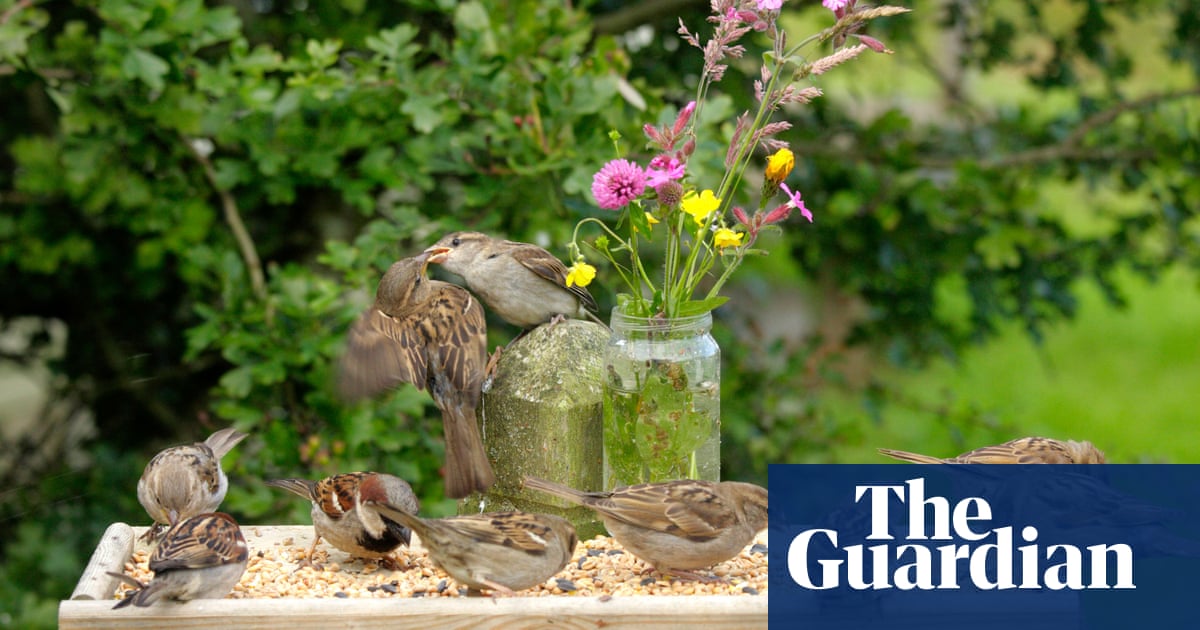
Credit: www.theguardian.com
Signs To Stop Feeding
Knowing when to stop feeding birds in the spring helps them transition back to natural food sources and supports their health. Watching for clear signs in your backyard can guide you to make the right choice. Here are key indicators to watch for before you put away the feeders.
Increased Natural Food Availability
As spring progresses, seeds, berries, and insects become more plentiful. You might notice birds spending more time searching for food on the ground or in trees instead of visiting your feeder. This shift means they are finding enough natural food to meet their needs.
If you see blossoms and new leaves emerging, it’s a strong sign that natural food sources are growing. You can even check local gardening updates or nature reports to confirm if the environment is producing enough food. Have you observed birds turning away from your feeder lately?
Changes In Bird Behavior
Birds may start visiting your feeders less often or only briefly. Some species might focus more on nesting activities, gathering twigs and insects rather than seeds. These behavior changes indicate they are preparing for breeding season and relying less on supplemental feeding.
Pay attention to whether birds are more vocal or active in other parts of your yard. This often shows they are busy with natural routines instead of feeding alone. Noticing these patterns can help you decide it’s time to reduce feeding gradually.
Warmer Weather Indicators
Consistently warmer temperatures signal the arrival of spring’s full bloom. When daytime highs stay above freezing and nights are mild, birds don’t need extra energy to keep warm. This reduces their dependence on high-calorie feeder foods.
Look for signs like melting snow, dew on plants, or insects buzzing around. These clues mean the environment is supportive enough for birds to find food naturally. Could the weather changes you see now mean it’s time to stop your feeding routine?
Risks Of Prolonged Feeding
Feeding birds in spring feels rewarding but can cause problems if done too long. Birds rely on natural food to stay healthy and grow. Feeding them past early spring may stop their natural habits. This can lead to risks for both birds and your environment. Understanding these risks helps decide when to stop feeding.
Dependency On Human Food
Birds fed for a long time can stop searching for natural food. They may depend only on feeders for meals. This weakens their survival skills. Without natural food, birds may miss important nutrients. Their ability to forage and adapt reduces. Dependency makes birds vulnerable if feeders are removed suddenly.
Attracting Predators And Pests
Leftover seeds and food attract unwanted animals. Rats, squirrels, and larger predators come near feeders. These animals can harm birds or spread diseases. The area around feeders can become messy and unsafe. Predators learn to hunt near feeders, risking bird safety. Pests can also damage your garden and home.
Health Issues For Birds
Prolonged feeding can cause health problems for birds. Old or wet food grows mold and bacteria. Birds eating spoiled food can get sick. Overfeeding leads to obesity and poor fitness. Feeding the wrong types of food harms digestion. Clean feeders and natural diets keep birds healthy and strong.

Credit: www.allaboutbirds.org
Safe Feeding Practices
Feeding birds in the spring can be a joyful experience, but it’s important to follow safe feeding practices to protect both the birds and your garden. Knowing how to choose the right feeders, keep them clean, and adjust feeding routines with the changing seasons helps prevent disease and supports local wildlife effectively.
Choosing Appropriate Feeders
Pick feeders that suit the types of birds visiting your yard. Tube feeders are great for small songbirds, while platform feeders attract a variety of species. Avoid feeders that hold wet seed or create mold easily, as these can harm birds.
Think about placement too. Place feeders away from windows to reduce collisions, and near shrubs or trees for quick shelter. Have you noticed which feeders your feathered friends prefer?
Cleaning And Maintenance Tips
Regular cleaning of feeders is crucial to stop the spread of diseases. Wash feeders every two weeks with a mild bleach solution (one part bleach to nine parts water), then rinse thoroughly. Wet seeds can lead to mold, so always remove old or damp feed.
Keep an eye on any buildup of droppings or mold around the feeding area. It’s a small task that makes a big difference in bird health. Have you ever seen how quickly a dirty feeder can turn away visitors?
Seasonal Feeding Adjustments
Spring is a time of natural food abundance, so gradually reduce feeding as wild food sources increase. Stop feeding once birds start relying more on natural insects and berries. This encourages them to develop natural foraging skills.
Continue fresh water supply even when you stop feeding seeds. Birds need water for drinking and bathing as temperatures rise. How do you balance helping birds without making them dependent on your feeders?
Alternatives To Feeding
Stopping bird feeding in spring doesn’t mean you have to stop supporting your feathered friends. There are many ways to help birds thrive naturally as they shift from relying on feeders to foraging in the wild. Alternatives to feeding can create a healthier environment for birds and encourage them to find their own food sources.
Creating Natural Habitats
Instead of offering seeds or suet, focus on making your yard a bird-friendly space. Planting dense shrubs and trees provides safe places for birds to nest and hide from predators. You’ll notice more bird activity when they have natural cover and nesting spots nearby.
Think about adding native plants that attract insects, which many birds feed on during spring. This supports their diet and helps maintain balance in your garden’s ecosystem. Have you considered how much a few bushes or a small thicket could change your backyard’s bird population?
Planting Native Food Sources
Native plants offer fruits, seeds, and nectar that birds recognize and rely on throughout the year. Including species like serviceberry, elderberry, or coneflower can provide natural meals as feeders become less necessary. These plants also attract pollinators and insects, adding more food options for birds.
Try planting a mix of trees, shrubs, and flowers that bloom at different times. This ensures a continuous food supply for birds as seasons change. How might your garden look with a variety of native plants buzzing with bird life?
Providing Water And Shelter
Birds need more than food to thrive. Fresh water sources like birdbaths or shallow dishes encourage birds to visit and stay longer. Moving water, such as a small fountain, can attract even more species by catching their attention.
Offering shelter through birdhouses or brush piles creates safe resting spots. These shelters protect birds from harsh weather and predators during breeding season. Have you noticed how birds linger around water and shelter just as much as food?
Frequently Asked Questions
When Is The Best Time To Stop Feeding Birds In Spring?
Stop feeding birds once natural food sources return, usually late spring. This helps birds rely on their natural diet and prevents dependency on feeders.
Why Should I Stop Feeding Birds In Spring?
Feeding birds in spring can disrupt their natural foraging habits. It may also attract unwanted pests and cause overcrowding at feeders.
How Does Stopping Feeding Affect Bird Migration?
Stopping feeding encourages birds to migrate naturally. It helps them build strength by foraging for natural food during migration season.
Can Feeding Birds In Spring Harm Their Health?
Yes, feeding birds in spring can spread diseases. It may also provide inadequate nutrition compared to natural food sources.
Conclusion
Feeding birds in spring helps them during cold days. Watch for signs they find natural food more often. Stop feeding when they eat seeds and insects outside. This helps birds stay healthy and strong. Keep your feeder clean until you stop.
Enjoy watching birds grow and prepare for summer. Feeding at the right time supports their natural habits. A simple act can make a big difference for birds. Careful timing means happy birds and a healthy garden.