
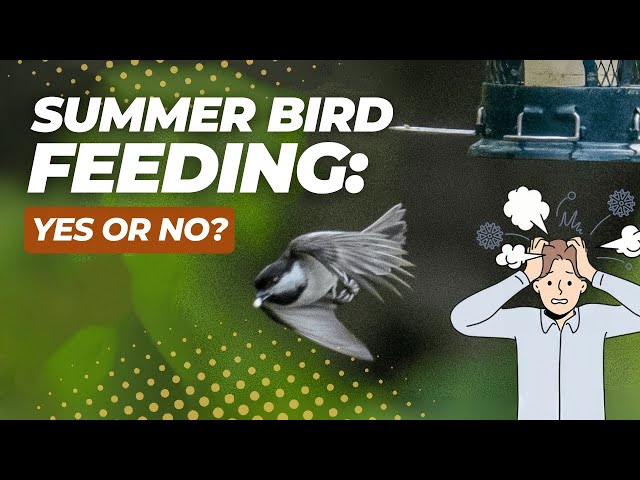
Are you wondering when you should stop feeding wild birds? It’s a question many bird lovers face.
You want to help your feathered friends, but you also don’t want to harm them or disrupt their natural habits. Knowing the right time to pause can make a big difference for their health and safety. Keep reading to discover simple, clear signs that will guide you on when to stop feeding wild birds—so you can support them the right way all year round.
Reasons To Stop Feeding
Feeding wild birds can bring joy and a closer connection to nature. But there are important reasons why you might need to stop, even if it feels like a kindness. Knowing when to pause or end feeding helps protect birds and the environment.
Seasonal Changes
Birds’ natural food sources fluctuate with the seasons. During spring and summer, insects, berries, and seeds are plentiful, so birds don’t rely as much on feeders. Continuing to feed during these times can disrupt their natural foraging habits.
Stopping feeding when natural food is available encourages birds to find their own resources. Have you noticed your local birds becoming less active at feeders in warmer months? That’s a sign they’re adjusting to seasonal food abundance.
Bird Migration Patterns
Many birds migrate to warmer areas as seasons change. Feeding birds when they are about to migrate can interfere with their natural instincts and energy use. It might also attract species that don’t belong in your area, causing imbalances.
Stopping feeding before migration helps birds prepare properly for their journey. Have you ever wondered if your backyard feeder impacts a bird’s decision to stay or leave? Timing your feeding schedule around migration is key.
Health Concerns
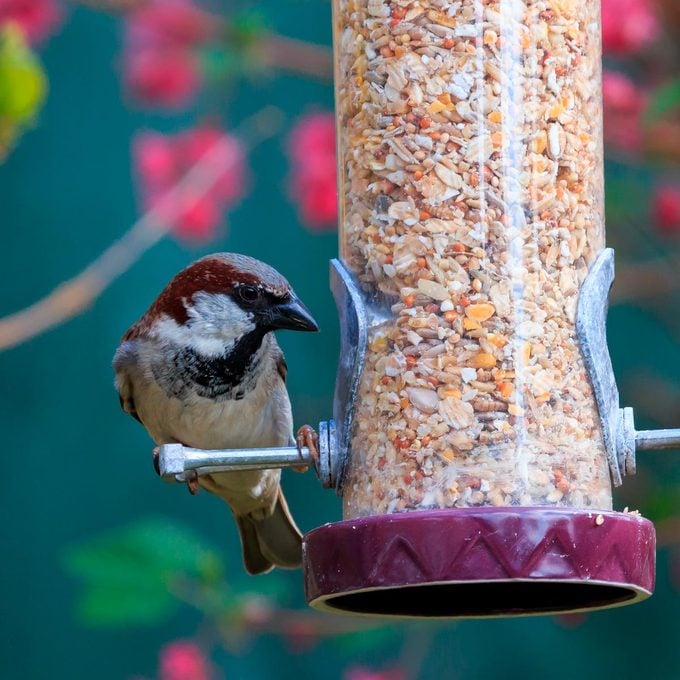
Feeding birds continuously can lead to health issues. Old or moldy food can spread disease quickly among wild bird populations. Overcrowding at feeders also increases the risk of infections.
It’s important to stop feeding if you notice dirty feeders or sick birds nearby. You can help maintain healthy bird communities by cleaning feeders regularly and pausing feeding when needed. Do you clean your feeders often enough to keep birds safe?
Credit: www.familyhandyman.com
Signs It’s Time To Stop
Knowing when to stop feeding wild birds is just as important as knowing when to start. Watching for clear signs helps ensure you’re supporting their natural habits without causing dependency. Being attentive to these signals lets you make the right choice for both your feathered visitors and the environment.
Decline In Bird Visits
If you notice fewer birds coming to your feeder, it might mean they’re finding enough food elsewhere. This natural drop often happens as seasons change and insects or berries become more available.
Pay attention to the types of birds too. If smaller songbirds start to disappear while larger birds remain, it could indicate shifts in local food sources. Have you seen your feeder become less popular lately? That’s a clear sign to pause feeding.
Natural Food Availability
Wild birds rely on natural food whenever possible, like seeds, insects, and fruits. When these foods become abundant, your feeder becomes less necessary.
Look around your yard or local park—are berries ripe? Are insects buzzing? If yes, it’s a good idea to gradually stop feeding. This encourages birds to forage naturally and maintain their survival skills.
Behavioral Changes In Birds
Sometimes birds change their behavior when feeders are out for too long. They might become aggressive or overly dependent on your food supply.
Have you noticed birds waiting impatiently or fighting over the feeder? Such behavior suggests they may be losing their natural instincts. Stopping feeding helps them regain independence and balance in their ecosystem.
Safe Feeding Practices
Feeding wild birds can be a joyful experience, but it’s important to do so responsibly to keep the birds healthy and safe. Safe feeding practices help you support local wildlife without causing harm or dependency. Let’s look at how you can make your bird feeding habits both enjoyable and safe.
Gradual Reduction
Stopping bird feeding suddenly can leave birds struggling to find food, especially during colder months. Instead, reduce the amount of food you offer little by little over several weeks. This gentle approach encourages birds to return to natural food sources without risking starvation.
Think about your own habits—when you stop something abruptly, it’s tough to adjust. Birds feel the same way. Gradual reduction gives them time to adapt and stay healthy.
Cleaning Feeders
Dirty feeders can spread disease among birds. Clean your feeders at least once every two weeks with hot, soapy water and rinse thoroughly. This simple step prevents harmful bacteria and mold from building up, protecting your feathered friends.
Remember, a clean feeder attracts more birds and helps keep your backyard a safe feeding spot. Have you checked your feeders recently?
Avoiding Overdependence
Feeding birds should supplement their diet, not replace their natural foraging. If birds become too dependent on feeders, they may lose essential survival skills. Offer a variety of foods and remove feeders occasionally to encourage natural behaviors.
Ask yourself: Is your feeding routine helping birds thrive independently? Encouraging self-sufficiency benefits both the birds and your local ecosystem.
Impact On Local Ecosystem
Feeding wild birds affects the local ecosystem in many ways. It changes bird behavior, food habits, and interactions with other animals. These changes can impact the balance of nature around your home or garden.
Effects On Bird Populations
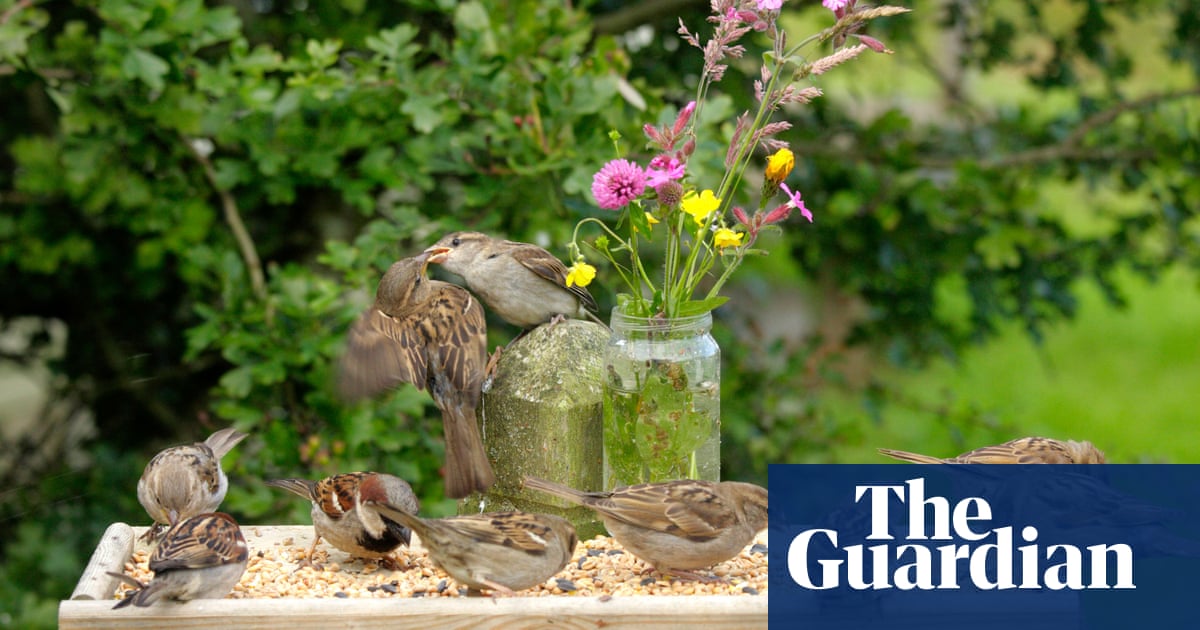
Feeding can cause some bird species to gather in large numbers. This may lead to overcrowding and stress among birds. Birds might rely too much on feeders and stop searching for natural food. This dependence can reduce their survival skills. Some species may outcompete others, harming local diversity.
Predator Attraction
Bird feeders attract not only birds but also predators. Cats, raccoons, and hawks may come near feeders to hunt. This raises the risk of bird attacks and deaths. Predators can also scare smaller birds away from their natural habitats. Feeding sites may create unsafe spots for birds.
Spread Of Diseases
Birds gather closely at feeders, increasing disease risks. Droppings and leftover food can carry germs and parasites. Sick birds can spread illness to healthy ones quickly. Dirty feeders become breeding grounds for harmful bacteria. Regular cleaning is essential to reduce disease spread.
Alternatives To Feeding
Stopping feeding wild birds does not mean leaving them without support. There are natural ways to help birds thrive around your home. These alternatives create a safe and healthy environment for birds year-round. They also encourage birds to find food and shelter naturally.
Planting Native Vegetation
Native plants provide food and shelter for many bird species. They attract insects, seeds, and berries that birds love. Planting shrubs, trees, and flowers native to your area helps birds find natural food sources. These plants also offer safe places for nesting and resting. Choosing native vegetation supports the local ecosystem and keeps birds healthy.
Providing Water Sources
Birds need fresh water for drinking and bathing. A clean water source attracts birds to your yard. You can place a birdbath or shallow dish with fresh water. Change the water often to prevent disease. Water helps birds stay hydrated and clean their feathers. In winter, heated birdbaths can offer water when natural sources freeze.
Creating Bird Habitats
Birds need shelter to hide from predators and bad weather. You can create habitats by adding birdhouses or nesting boxes. Leaving dead trees or brush piles can provide natural shelter. These spots give birds safe places to raise their young. A variety of habitats supports different bird species. Creating a bird-friendly space helps birds feel secure and encourages them to stay.
Credit: www.theguardian.com

Credit: www.allaboutbirds.org
Frequently Asked Questions
When Is The Best Time To Stop Feeding Wild Birds?
Stop feeding wild birds when natural food sources return in spring. This helps birds adapt to seasonal changes and prevents dependency on feeders.
Can Feeding Birds Year-round Harm Their Health?
Feeding year-round may cause birds to rely too much on feeders. It can reduce their natural foraging skills and immune strength.
How Does Weather Affect Feeding Wild Birds?
Cold winters require more feeding as natural food is scarce. In warmer months, birds find food easily, so feeding can be reduced.
Should I Clean Feeders When I Stop Feeding Birds?
Yes, clean feeders thoroughly before storing or restarting. This prevents mold, bacteria, and diseases that can harm wild birds.
Conclusion
Feeding wild birds brings joy and helps them survive harsh times. Stop feeding when natural food grows again in spring. Too much feeding can make birds dependent and less healthy. Watch the weather and local bird activity closely. Clean feeders regularly to keep birds safe and happy.
Enjoy watching birds but respect their natural habits. This balance helps birds thrive all year long. Keep your garden bird-friendly without overfeeding. Simple care makes a big difference for wild birds.