
Have you noticed your bird feeder sitting quietly, without the usual flutter of wings and cheerful chirps? You might be wondering, “Where are all the feeder birds?”
It’s frustrating when you expect a lively gathering, but instead, it feels empty and still. You’re not alone in this—many bird lovers face the same mystery. You’ll discover the surprising reasons why those feathered visitors might be missing and learn simple ways to bring your backyard birds back.
Keep reading, because your peaceful, vibrant feeder spot is just a few steps away.
Feeder Bird Trends
Birdwatchers often wonder why their feeders are less busy sometimes. Feeder bird trends can vary due to several factors. Understanding these trends helps create a more bird-friendly environment.
Popular Feeder Species
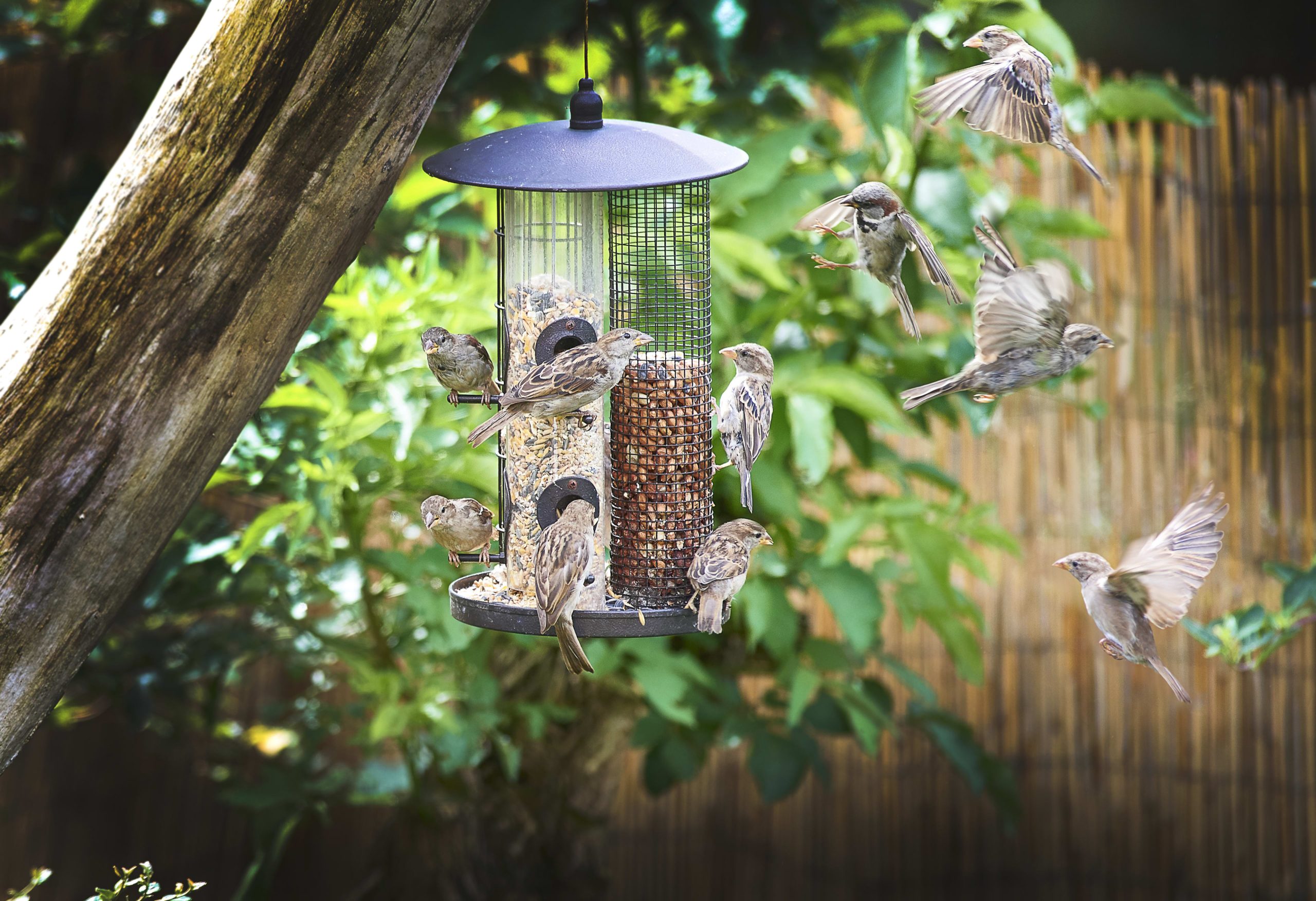
Several bird species are common at feeders. These include finches, sparrows, and chickadees. Each has unique feeding habits and preferences. Finches love sunflower seeds. Sparrows often pick at millet. Chickadees enjoy a mix of seeds and suet. Observing these habits can be fascinating.
Seasonal Variations
Bird activity at feeders changes with the seasons. During spring, many birds migrate north. Feeders might see fewer visitors then. In summer, birds find natural food easily. Fall and winter bring birds back to feeders. Food is scarce, making feeders essential. Knowing these patterns helps in planning.
Regional Differences
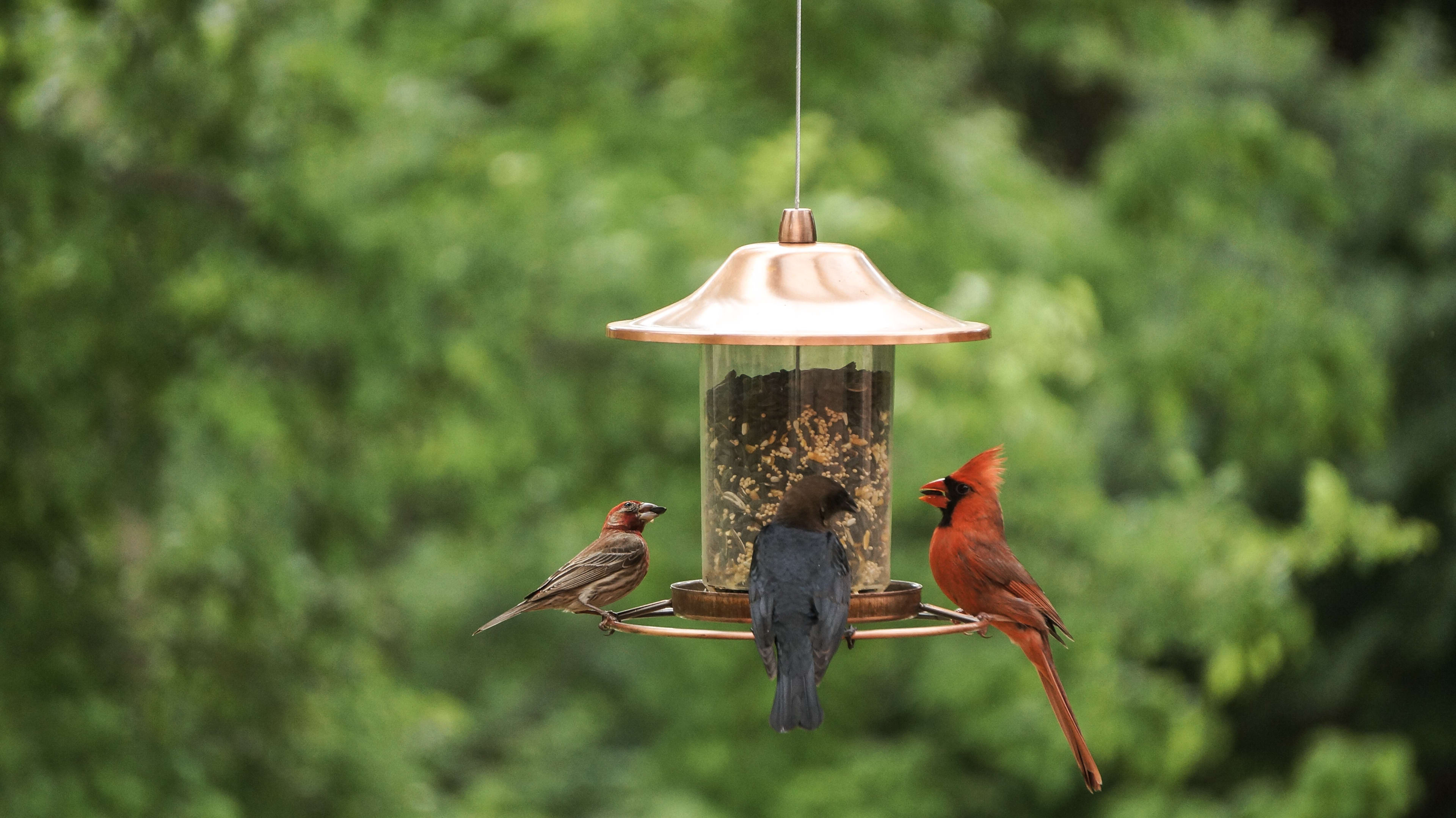
Feeder bird species vary by region. In the north, you might see more juncos. Southern feeders attract cardinals. Coastal regions might have different species than inland areas. Understanding regional differences enriches birdwatching experiences. It also helps in choosing the right feed.

Credit: www.istoma.com
Factors Affecting Feeder Birds
Many people wonder why feeder birds seem fewer or missing. Various factors influence their presence and behavior. Understanding these helps us create better bird-friendly spaces.
Habitat Changes
Birds depend on natural habitats for food, shelter, and nesting. Urban growth and deforestation reduce these areas. Loss of trees and plants means fewer places for birds to live and hide. This forces birds to move elsewhere or struggle to survive.
Food Availability
Birds visit feeders for easy food. If natural food is scarce, feeders become vital. Seasonal changes affect food sources like seeds, insects, and berries. Poor food supply reduces bird visits. Clean and well-stocked feeders attract more birds.
Climate Impact
Weather shifts change bird migration and feeding habits. Warmer winters may keep birds from migrating. Extreme weather can destroy habitats and food sources. Birds must adapt quickly or move to survive these changes.
Human Influence
Human activities shape the places where feeder birds live and visit. Changes in the environment affect their numbers and habits. Understanding these influences helps explain why some feeders seem empty.
Urbanization Effects
Building cities removes natural habitats for birds. Trees and shrubs disappear, reducing food and shelter. Noise and light pollution disturb birds’ daily routines. Birds may avoid busy areas with many people and cars. Some species adapt, but many struggle to survive in urban spaces.
Feeding Practices
People feed birds in different ways. Some use bird feeders with seeds or suet. Others leave food scraps outside. Not all food is good for birds. Poor feeding can lead to illness or attract pests. Clean feeders and proper food help birds stay healthy and return often.
Predator Presence
Predators like cats and hawks hunt near feeders. Birds sense danger and may stop visiting. Urban areas often have more predators close to homes. Safe spots with bushes or trees help birds escape threats. Without protection, birds avoid open feeder areas.
Credit: dengarden.com
Scientific Insights
Scientific research sheds light on why feeder birds seem to vanish at times. Scientists study bird patterns and behaviors closely. This helps explain changes in bird visits to feeders.
Research Findings
Studies show feeder bird numbers vary with seasons and food availability. Birds may skip feeders during times of natural abundance. Weather also affects their feeding habits and presence. Research highlights how human activity influences bird behavior. For example, urban noise can reduce bird visits to feeders.
Tracking Bird Movements
Scientists use tracking devices to follow bird movements. Tiny GPS tags reveal migration routes and daily travels. These tools show birds often explore wide areas beyond feeders. Tracking helps identify safe habitats and feeding grounds. It also explains sudden drops in feeder bird numbers.
Behavioral Adaptations
Birds adapt their feeding habits to survive environmental changes. Some become more cautious or shift feeding times. Others learn to rely on natural food sources more than feeders. These changes help birds avoid predators and harsh weather. Understanding these behaviors helps improve feeder designs and placement.
Encouraging Feeder Visits
Encouraging birds to visit your feeders takes more than just hanging a random feeder outside. You need to think about what attracts birds and what keeps them coming back. Small changes to your feeding setup can make a big difference in the number and variety of birds you see.
Choosing The Right Feeders
The type of feeder you use affects which birds will visit. Tube feeders work well for small songbirds like finches and chickadees. Platform feeders attract larger birds such as cardinals and jays.
Think about your local bird species. If you see more woodpeckers, try a suet feeder. For hummingbirds, a nectar feeder is a must.
Keep your feeders clean and place them where birds feel safe—near shrubs or trees but away from predators like cats.
Best Bird Foods
Different birds prefer different foods. Black oil sunflower seeds are a favorite for many species because they are easy to eat and high in fat. Peanuts and suet attract woodpeckers and nuthatches.
Have you tried mixing seeds with dried mealworms? Mealworms can bring in insect-eating birds that don’t visit typical seed feeders.
Remember, fresh food is key. Old or moldy seeds will turn birds away quickly.
Creating Bird-friendly Spaces
Birds need more than just food to feel comfortable. Offering water sources like a shallow birdbath encourages visits, especially during hot or dry weather.
Planting native shrubs and flowers nearby provides shelter and natural food, making your yard more inviting. Ever noticed how birds linger longer where they can hide?
Try to reduce yard clutter and avoid pesticides. A safe, natural space keeps birds coming back day after day.
Common Myths
Many people wonder why their bird feeders seem emptier than expected. There are several common myths that can cloud your understanding of feeder birds. Let’s clear up these misunderstandings so you can enjoy watching your feathered visitors again.
Feeder Birds Always Decline
It’s easy to think that bird populations are always shrinking around feeders, but that’s not necessarily true. Bird numbers can fluctuate due to seasons, weather, and food availability. I’ve noticed my feeders get busier in early spring and late fall, showing that birds come and go rather than disappear.
Have you tracked your feeder activity over time? Observing patterns can reveal that declines are often temporary, not permanent losses.
All Birds Eat The Same
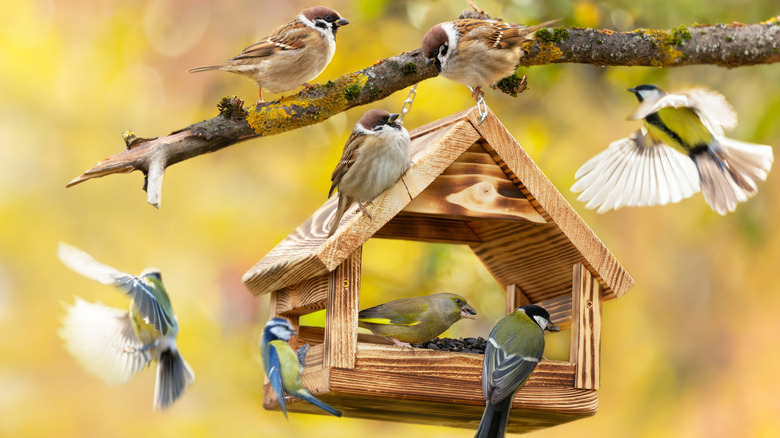
Not all birds are interested in the same food. While some love sunflower seeds, others prefer suet, nectar, or fruit. I once tried feeding only one type of seed and saw only a handful of species visit. Adding variety brought in woodpeckers, hummingbirds, and even orioles.
Think about your local birds’ diets. Offering a mix of food types can attract a wider range of visitors and keep your feeders lively.
Feeding Birds Harms Them
Some believe feeding birds makes them dependent or unhealthy. However, when done right, feeding supports birds during tough times like winter. I’ve helped local chickadees survive harsh winters by consistently providing fresh seed.
Clean feeders regularly and provide natural, species-appropriate food. This helps birds stay healthy and avoids risks of disease.
Credit: www.housedigest.com
Frequently Asked Questions
Why Are Feeder Birds Missing From My Backyard?
Feeder birds may be missing due to seasonal migration or habitat changes. Lack of food variety, weather, or nearby predators also affects their visits.
When Do Feeder Birds Usually Visit Feeders?
Feeder birds typically visit early morning or late afternoon. These times offer safer feeding conditions and less competition from other animals.
What Types Of Food Attract More Feeder Birds?
Seeds like sunflower, millet, and nyjer attract many feeder birds. Fresh water and suet also increase feeder bird visits.
How Can I Make My Feeder Bird Habitat Safer?
Place feeders away from windows and predators. Clean feeders regularly and provide natural shelter with trees or bushes nearby.
Conclusion
Feeder birds seem fewer, but they are still around. Changes in weather, food, and habitats affect their visits. Planting native flowers and offering fresh food helps attract them back. Watching birds teaches us about nature’s balance and beauty. Small efforts in your garden can bring these birds closer.
Keep feeding, stay patient, and enjoy the quiet visits. Birds will return when conditions feel right for them. Nature’s rhythms take time but always bring hope.