

Feeling frustrated with how some people feed birds in your neighborhood? You’re not alone.
Whether it’s attracting too many birds, causing a mess, or even harming the birds themselves, improper feeding practices can be a real nuisance. But where do you turn when you need to voice your concerns? In this guide, you’ll discover the right channels to file your complaints effectively.
You’ll learn how to make your voice heard and bring about positive change for both your community and the feathered friends we all cherish. Dive in to find out how you can help create a better environment for everyone involved.
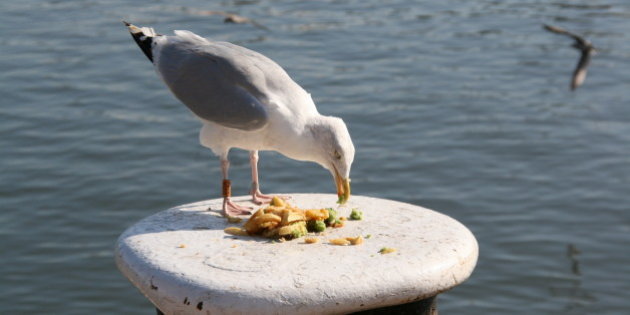
Credit: www.skedaddlewildlife.com
Why Reporting Matters
Reporting complaints about feeding birds plays a key role in protecting the environment. It helps control negative effects on wildlife and community health. Sharing concerns allows local authorities to act quickly and manage problems effectively.
Impact On Local Wildlife
Feeding birds can harm local wildlife by disturbing natural habits. Birds may become dependent on human food and stop searching for natural food sources. This change affects their health and survival skills.
Overfeeding attracts too many birds to one place. Crowds increase disease risks and fights among birds. It can also harm other animals and plants nearby.
Community Health Concerns
Bird feeding can create health risks for people. Leftover food attracts pests like rats and insects. These pests spread germs and cause property damage.
Bird droppings build up in feeding areas. They carry bacteria and fungi harmful to humans. Reporting problems helps keep neighborhoods clean and safe.

Credit: www.aol.com
Common Complaints About Feeding Birds
Feeding birds is a common hobby enjoyed by many. Yet, it sometimes causes issues in neighborhoods. People often raise concerns about the effects of feeding birds near homes and public places. These concerns usually relate to noise, damage, and unwanted pests. Understanding these complaints helps manage bird feeding in a balanced way.
Noise And Disturbance
Birds can create loud noises, especially in large groups. Early morning chirping may disturb neighbors’ sleep. Squawking and fluttering add to the noise level. This disturbance can cause stress and reduce comfort in quiet areas.
Property Damage
Birds may cause damage to buildings and gardens. Pecking on windows or roofs can lead to costly repairs. Droppings stain walls and outdoor furniture. Nests built in gutters or vents block water flow and air circulation.
Attracting Pests
Feeding birds can attract unwanted pests like rats and insects. Leftover food on the ground invites these pests. They can carry diseases and create hygiene problems. Pests also harm plants and damage property.
Who To Contact
Knowing who to contact about complaints related to feeding birds helps solve issues quickly. Different authorities manage different concerns. Reaching out to the right place ensures your complaint is handled properly. Below are key contacts to report problems with bird feeding.
Local Animal Control
Local animal control officers handle complaints about wildlife and pets. They enforce laws about feeding wild birds in public places. Contact them if bird feeding causes health or safety risks. Animal control can investigate and advise on proper feeding practices.
City Or Municipal Authorities
City or municipal offices regulate public parks and neighborhood rules. They manage complaints about bird feeding on public property. These authorities can issue fines or warnings if feeding violates local codes. Reporting to them helps keep community spaces clean and safe.
Wildlife Rehabilitation Centers
Wildlife rehabilitation centers care for injured or sick animals, including birds. They offer guidance about feeding wild birds properly. Contact them if feeding harms bird health or disrupts natural behavior. These centers educate the public on supporting wildlife safely.
How To File A Complaint
Filing a complaint about feeding birds helps protect local wildlife and communities. It ensures responsible behavior around natural habitats. Complaints can be made through different channels, depending on your preference and urgency. Understanding how to file a complaint makes the process simple and effective.
Online Reporting Tools
Many areas offer websites dedicated to reporting wildlife issues. These sites allow quick submission of complaints about feeding birds. You can fill out forms, upload photos, and describe the problem clearly. Online reports often get faster attention from authorities.
Look for local government or wildlife agency websites. Some apps also specialize in environmental complaints. Keep records of your submission for follow-up.
Phone And In-person Options
Phone calls provide direct contact with local officials or animal control. It helps if the situation needs urgent response. Officials can offer advice or schedule an inspection. Visiting a local office is another option for detailed complaints. Face-to-face talks can clarify complex issues quickly.
Have contact numbers ready for city councils, parks departments, or wildlife services. Be polite and clear during your call or visit.
What Information To Provide
Clear details help authorities act on complaints faster. Include the exact location where feeding occurs. Describe the type of birds and the feeding behavior noticed. Mention any signs of harm or nuisance caused by feeding. Add dates and times to show how often it happens.
Attach photos or videos if possible. Your name and contact info may be required for follow-up. Keep your report factual and respectful for best results.
Tips For Effective Complaints
When you decide to raise a complaint about feeding birds, making your concerns heard effectively is crucial. A well-crafted complaint stands a better chance of being addressed promptly and seriously. It’s not just about what you say, but how you say it and the evidence you provide.
Documenting The Issue
Start by gathering clear evidence of the problem. Take photos or videos showing the feeding activity and any resulting mess or disturbances.
Note down dates, times, and specific locations where the issue occurs. This detailed information helps authorities understand the scope and frequency of the problem.
Have you ever noticed how a complaint with solid proof gets faster responses? That’s because it removes doubt and shows you’re serious.
Staying Polite And Clear
Your tone can make a big difference. Write your complaint in a calm and respectful way, even if you’re frustrated.
Avoid emotional language and stick to the facts. Clear and concise descriptions help the reader grasp the issue quickly.
Think about how you would want to receive a complaint. Would you respond faster to a polite message or a harsh one?
Following Up
After submitting your complaint, don’t just wait silently. Mark your calendar to follow up if you don’t get a response within a week or two.
Keep your follow-up messages polite and refer to your original complaint. This shows persistence without being pushy.
Sometimes, a friendly nudge is what moves things forward. How often do you think follow-ups get overlooked?
Alternatives To Complaining
Complaining about bird feeding can create tension between neighbors. Finding positive alternatives helps build understanding and respect. These options encourage cooperation and protect local wildlife peacefully.
Educating Neighbors
Sharing clear facts about bird feeding can change minds. Explain how feeding affects bird health and local ecosystems. Offer simple tips to feed birds safely and responsibly. Friendly conversations can turn complaints into learning moments.
Creating Bird-friendly Zones
Designate specific areas for bird feeding to reduce conflicts. Use signs to mark these zones and inform neighbors. Place feeders in safe spots away from busy walkways. This approach balances enjoyment and neighborhood harmony.
Supporting Local Wildlife Groups
Join or support groups focused on bird care and habitat. These organizations provide advice and resources for proper feeding. Attend community meetings to discuss bird-related concerns. Working together strengthens local efforts and awareness.

Credit: www.youtube.com
Frequently Asked Questions
Where Can I Report Illegal Bird Feeding In Public Areas?
You can report illegal bird feeding to your local animal control or wildlife department. Many cities have dedicated hotlines or online forms for complaints. Contacting municipal authorities ensures proper enforcement of local feeding regulations and protects wildlife.
Who Handles Complaints About Feeding Birds In Parks?
Park rangers or municipal park authorities typically handle complaints about feeding birds. You can call the park office or visit their website to submit concerns. They monitor feeding activities to maintain park cleanliness and wildlife health.
What Are The Consequences Of Feeding Birds Illegally?
Illegal bird feeding can lead to fines or penalties depending on local laws. It may also cause harm to birds and disrupt ecosystems. Authorities enforce rules to prevent overcrowding, disease spread, and environmental damage caused by improper feeding.
How Do I Find Local Rules On Feeding Birds?
Check your city or county’s official website for wildlife or animal control guidelines. Local ordinances often outline feeding restrictions and complaint procedures. Contacting local environmental agencies can also provide specific feeding regulations.
Conclusion
Complaints about feeding birds help keep communities safe and clean. Contact local authorities or wildlife organizations to report issues. Clear information makes your complaint effective and quick to handle. Sharing concerns protects birds and your neighborhood’s well-being. Everyone benefits when feeding rules are followed.
Act responsibly and encourage others to do the same. Together, you can support healthy habits for birds and people. Stay informed and take action when needed. Small steps make a big difference in your community.