

Are you wondering where to put your hummingbird feeder to attract these mesmerizing creatures to your garden? You’re not alone.
Many bird enthusiasts and nature lovers often ponder the best spot to hang their feeders for optimal bird-watching. The right placement can mean the difference between an empty feeder and a flurry of colorful visitors. Imagine sipping your morning coffee while watching these tiny acrobats hover and dart around.
Intrigued? Read on to discover the best strategies to create a hummingbird haven right in your backyard.
Best Locations Around Your Yard
Choosing the right spot for your hummingbird feeder can make all the difference in attracting these tiny visitors. The best locations around your yard offer the birds safety, comfort, and easy access to food. Placing feeders thoughtfully also enhances your enjoyment by bringing hummingbirds closer to your favorite outdoor spaces.
Near Flower Beds
Hummingbirds are naturally drawn to flowers, so placing feeders near flower beds creates a welcoming environment. The mix of real nectar and the feeder’s offering encourages them to linger longer. You might notice that hummingbirds visit more frequently when feeders are close to colorful, nectar-rich blooms.
Consider planting flowers like bee balm or salvia nearby to complement the feeder. This setup not only helps the birds but also adds beauty to your yard. Have you tried positioning feeders near your garden’s busiest flower clusters?
Close To Trees And Shrubs
Trees and shrubs provide hummingbirds with shelter and a place to perch between feedings. Hanging feeders near these natural structures can make birds feel safer from predators. You’ll often see them darting to a branch nearby after sipping nectar.
Choose spots that offer some shade to keep the nectar cool and slow down spoilage. A quiet corner behind a shrub can also protect feeders from strong winds. Does your yard have a cozy nook like this where a feeder could thrive?
By Windows For Easy Viewing
Placing feeders near windows lets you watch hummingbirds up close without disturbing them. Attach a feeder with suction cups to the glass or hang one just outside. This setup turns your everyday view into an exciting birdwatching experience.
Make sure to keep the feeder clean and refill it regularly to keep the birds coming back. Have you ever caught a hummingbird hovering just inches from your window? It’s a simple joy that can brighten your day.
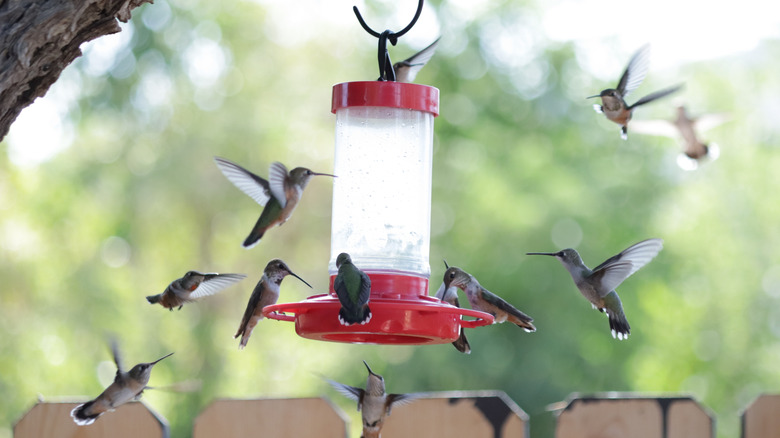
Credit: www.outdoorguide.com
Choosing Safe And Comfortable Spots
Choosing the right spot for your hummingbird feeder is more than just a convenience for you—it’s about creating a safe and inviting space for the birds. A well-placed feeder keeps hummingbirds comfortable and encourages frequent visits. Think about what would make you feel secure and at ease if you were the one stopping by for a meal.
Shaded Areas To Prevent Overheating
Hummingbirds are tiny creatures that can easily overheat in direct sunlight. Placing your feeder in a shaded area helps keep the nectar cool and fresh longer. You might notice more visits during hot afternoons if your feeder is tucked under a tree or a porch roof.
Have you ever left a sugary drink in the sun and found it spoiled quickly? Nectar behaves the same way. Shade isn’t just comfort; it’s essential for keeping the food safe for your hummingbird guests.
Away From Predators
Safety is key. Position your feeder where cats, squirrels, and larger birds can’t easily reach it. Hummingbirds need to feel secure as they feed, so avoid placing feeders too close to dense shrubs or places where predators might hide.
Consider hanging the feeder on a thin pole or from a wire stretched between trees. This makes it harder for predators to ambush. Have you noticed how hummingbirds quickly dart away when something moves nearby? Their safety depends on quick escapes.
Protected From Harsh Weather
Wind and rain can disturb hummingbirds while they feed. Setting your feeder in a spot shielded from strong winds and heavy rain improves their comfort. A corner near your house, a porch, or behind a bush can provide natural protection.
Think about how much you dislike eating in the rain or wind. The same applies to hummingbirds. You want to give them a calm, safe place to pause and recharge during their busy days.
Ideal Height And Placement Tips
Placing a hummingbird feeder at the right height and spot is key to attracting these tiny birds. Proper placement helps protect the feeder and keeps hummingbirds comfortable. Choosing the right height and avoiding windy or hard-to-reach areas improves your chances of regular visits.
Recommended Feeder Height
Place the feeder between 4 to 6 feet above the ground. This height is easy for hummingbirds to spot and reach. It also keeps the feeder safe from pets or small animals. Avoid placing it too high, which makes refilling and cleaning difficult.
Avoiding Windy Spots
Choose a location sheltered from strong winds. Wind can spill nectar and scare hummingbirds away. Look for spots near shrubs or trees that block the wind but don’t block sunlight. Calm areas help keep the nectar fresh longer.
Easy Access For Refilling And Cleaning
Place the feeder where you can reach it easily. You will need to refill and clean it often. Avoid placing it too high or behind obstacles. A clear path helps maintain the feeder and keeps it safe from mold or bugs.
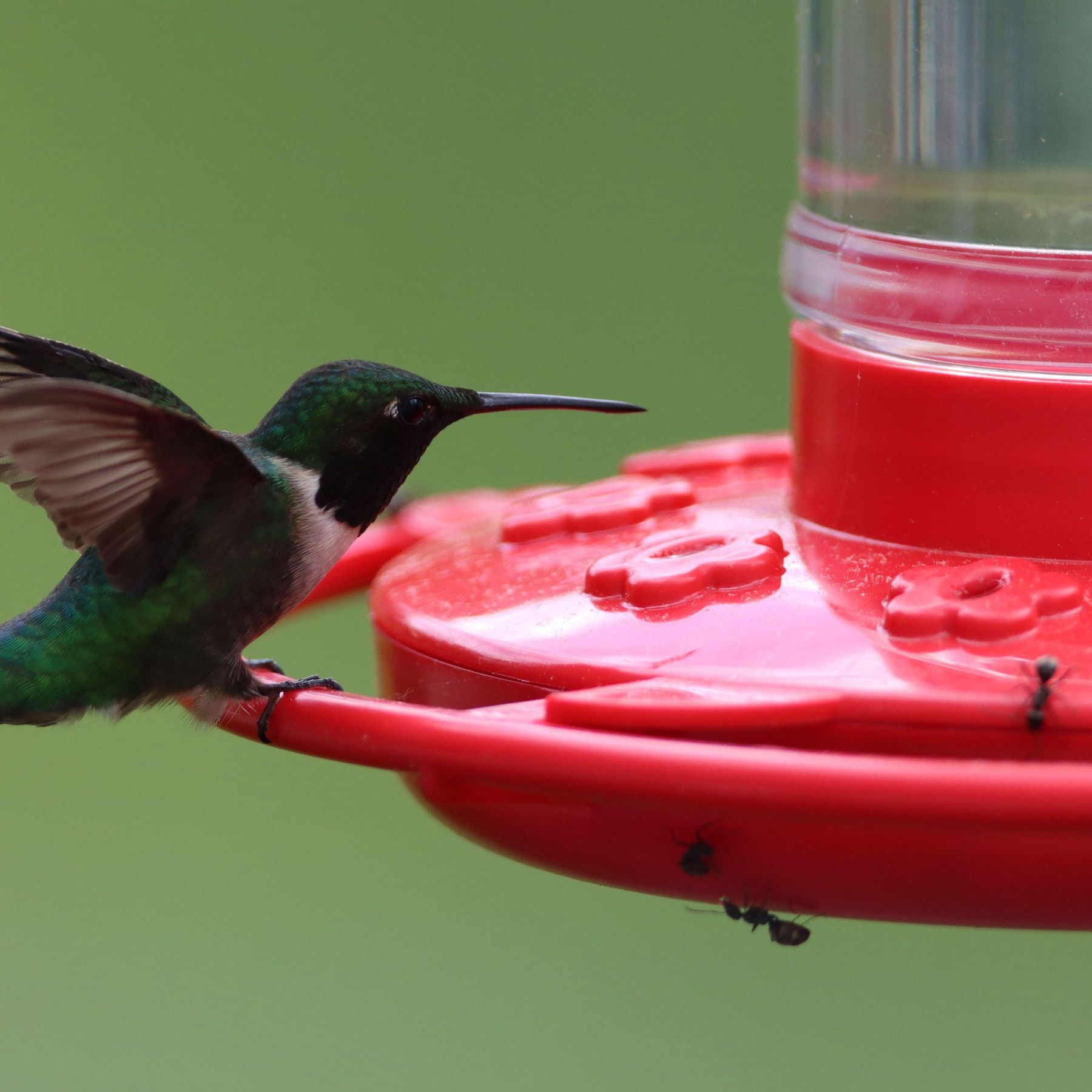
Credit: www.homesandgardens.com
Attracting More Hummingbirds
Attracting more hummingbirds to your garden requires thoughtful placement of feeders and creating a welcoming environment. Hummingbirds are drawn to areas that offer food, shelter, and safety. Small changes can make your space a hummingbird hotspot.
Using Multiple Feeders
Place several feeders in different spots around your yard. This reduces competition and lets more birds feed comfortably. Space feeders at least 10 feet apart to avoid conflicts. Multiple feeders also increase the chances of attracting hummingbirds from various directions.
Adding Native Plants Nearby
Plant flowers that hummingbirds love near your feeders. Native plants provide natural nectar and attract insects for extra food. Choose bright colors like red, orange, or pink to catch their attention. Native plants also offer shelter and safe places to rest.
Maintaining Fresh Nectar
Change the nectar every two to three days, especially in warm weather. Fresh nectar keeps hummingbirds healthy and coming back. Clean feeders thoroughly to prevent mold and bacteria. Use a simple mixture of four parts water to one part sugar for the best results.
Avoiding Common Mistakes
Placing a hummingbird feeder might seem straightforward, but there are common mistakes that can reduce its effectiveness and even harm the birds you want to attract. Avoiding these errors will help you create a safer, more inviting spot for hummingbirds to visit regularly. Let’s look at some pitfalls you should steer clear of when deciding where to put your feeder.
Placing Feeders Too Close Together
It might seem like adding multiple feeders close together would attract more hummingbirds, but it often causes more harm than good. Hummingbirds are territorial and can become aggressive if feeders are too close, chasing away visitors rather than inviting them.
Spacing your feeders at least 10 to 15 feet apart gives each bird room to feed without stress. Have you noticed how a single feeder at a distance attracts more visitors than a crowded cluster? Giving them space encourages peaceful feeding and more frequent visits.
Ignoring Feeder Hygiene
Dirty feeders are a big no-no. Mold and bacteria can grow quickly in nectar, making birds sick. It’s tempting to fill and forget, but cleaning your feeder every few days is crucial.
Use hot water and a bottle brush to scrub all parts thoroughly. Avoid harsh chemicals that could leave harmful residues. Think of it like keeping your kitchen clean—would you want to eat from a dirty plate? The same goes for hummingbirds and their feeders.
Choosing Unsafe Locations
Placing your feeder in a spot that’s too exposed can put hummingbirds at risk from predators like cats or hawks. Avoid placing feeders near windows where birds might fly into glass or where they’re easy targets for predators.
Look for locations with some natural cover nearby, like shrubs or trees, to give birds a quick escape route. Have you checked your yard for safe spots that provide both visibility for you and safety for the birds? A little thought here can save lives and keep your visitors coming back.
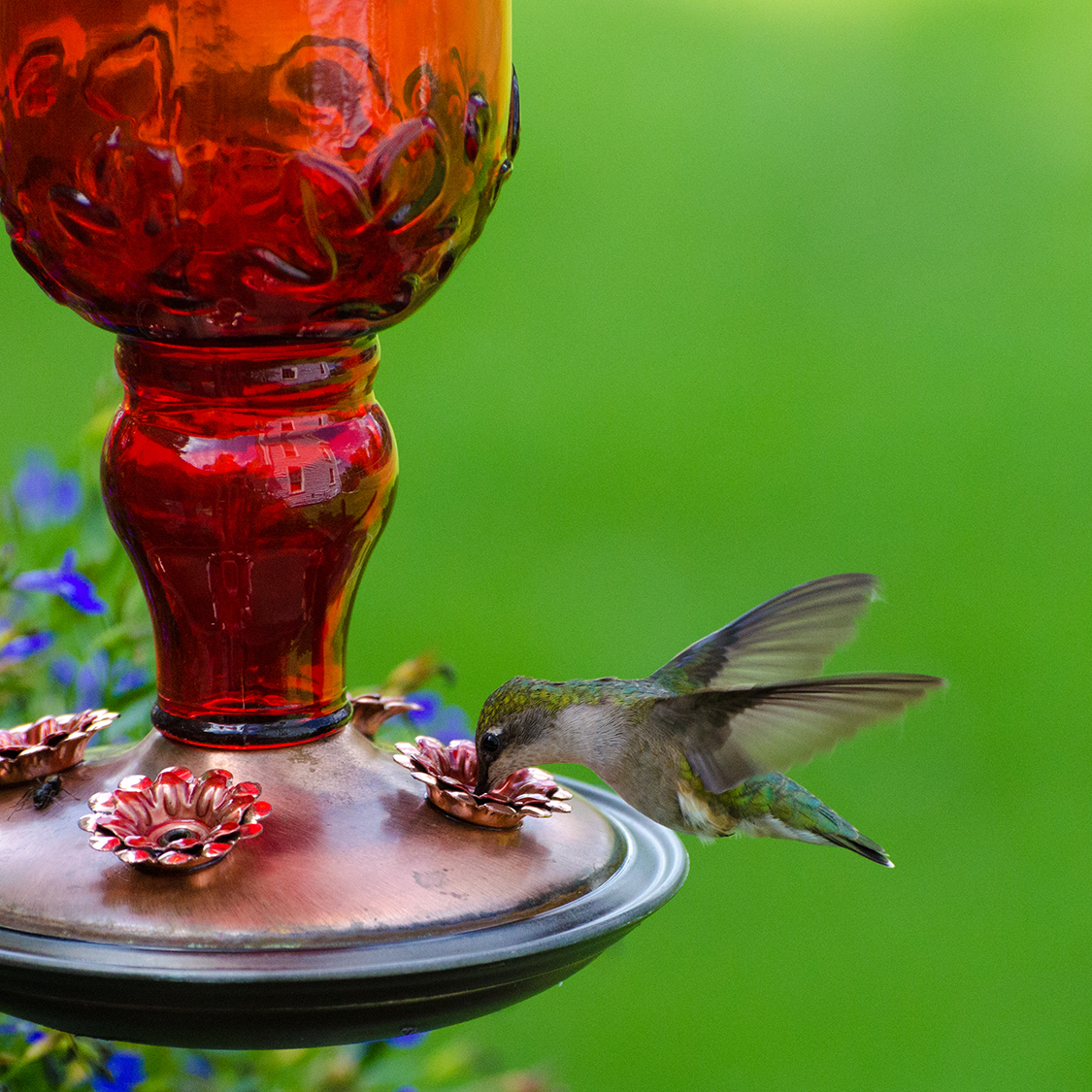
Credit: www.tomsguide.com
Frequently Asked Questions
Where Is The Best Location To Hang A Hummingbird Feeder?
The best location is a shaded, quiet spot near flowers. It should be visible to hummingbirds but safe from predators. Avoid direct sunlight to keep nectar fresh longer. Place it where you can enjoy watching the birds easily.
How High Should I Hang My Hummingbird Feeder?
Hang the feeder about 4 to 6 feet above the ground. This height keeps it safe from cats and allows easy access for hummingbirds. It also makes refilling and cleaning convenient for you.
Should A Hummingbird Feeder Be Near Flowers?
Yes, placing feeders near flowers attracts more hummingbirds. Flowers provide natural food and encourage birds to stay longer. This proximity creates a welcoming environment and supports local pollinators.
Can I Put My Hummingbird Feeder In Direct Sunlight?
Avoid direct sunlight as it heats nectar quickly. Warm nectar spoils faster, which can harm hummingbirds. Place the feeder in partial shade to keep nectar fresh and birds comfortable.
Conclusion
Place your hummingbird feeder where birds feel safe and calm. Choose a spot with some shade to keep nectar fresh longer. Near flowers is great for attracting more hummingbirds. Keep it away from busy areas and strong winds. Clean the feeder often to keep birds healthy.
Watch and enjoy these tiny birds visit your garden. Small changes in placement can bring more hummingbirds to you. Happy bird watching!