

Looking to add a new bird feeder but unsure where to put it? The right spot can make all the difference in attracting colorful birds to your yard.
You want a place that keeps the birds safe, lets you enjoy their visits, and fits smoothly into your outdoor space. You’ll discover simple tips to choose the perfect location for your bird feeder—so you can start watching your feathered friends come back again and again.
Keep reading, and turn your yard into a lively bird haven!
Choosing The Right Location
Place the bird feeder where birds feel safe and can easily find food. Choose a spot with some nearby trees or bushes for shelter. Avoid busy areas to keep birds calm and encourage visits.
Choosing the right location for your new bird feeder can make all the difference in attracting a vibrant variety of birds to your garden. The right spot ensures birds feel safe, that the feeder is protected from harsh weather, and that it’s easy for you to maintain. Let’s dive into some crucial factors to consider when placing your feeder.Balancing Safety And Visibility
Your feathered friends need to feel secure while they feast. Place the feeder where birds can easily spot predators yet have nearby bushes or trees to retreat to. This balance between safety and visibility will encourage more visits. Ensure that the feeder is at least 10-12 feet away from potential hiding spots for predators like cats. This distance gives birds a safe space to escape if needed.Considering Weather Exposure
Birds appreciate a feeder that shields them from harsh weather. Position the feeder where it gets some protection from strong winds and heavy rain. A sheltered spot will keep the birdseed dry and fresh. Think about the sun’s path. Placing the feeder in a spot that receives morning sunlight can help dry dew and prevent mold growth.Accessibility For Refilling And Cleaning
You’ll want a location that makes it easy for you to refill the feeder and clean it regularly. This helps maintain a healthy environment for the birds. A convenient spot close to your home or garden path can save you time and effort. Consider how you will access the feeder in different weather conditions. If the feeder is easily accessible, you’re more likely to maintain it regularly, ensuring a steady flow of visitors.
Credit: avibirds.com
Ideal Yard Spots
Choosing the right spot for a new bird feeder helps attract more birds. It also keeps the feeder safe and easy to watch. The ideal yard spots offer shelter, safety, and good visibility. Think about places that provide food and comfort to birds.
Near Trees And Shrubs
Trees and shrubs offer birds shelter from predators and bad weather. They make birds feel safe while feeding. Place the feeder close enough for birds to fly quickly to cover. Avoid spots too close to busy areas or windows.
Open Areas With Clear Sightlines
Open spaces let birds see danger from far away. Clear sightlines help birds spot you and other animals. This reduces surprise attacks and keeps birds calm. Avoid placing feeders where branches block the view.
Close To Water Sources
Birds need water for drinking and bathing every day. A feeder near a birdbath or pond draws more visitors. Water helps birds stay healthy and clean. Make sure water sources are clean and refreshed often.
Avoiding Common Pitfalls
Choosing the right spot for your bird feeder involves more than just finding a visible place. Avoiding common pitfalls ensures your feeder becomes a safe and inviting haven for birds. Simple mistakes can turn your feeder into a hazard, so let’s look at key areas to watch out for.
Steering Clear Of Predators
Placing your feeder too close to dense bushes or low branches can invite predators like cats or squirrels. Birds need a quick escape route, so position feeders at least 10 feet away from places where predators can hide. I once put a feeder near my garden fence, and cats quickly made it their hunting ground—moving it higher and away solved the issue.
Keeping Feeders Away From Busy Walkways
Feeders near busy paths might scare birds away due to constant human activity. Placing your feeder in quieter corners of your yard gives birds a peaceful feeding spot. You want to enjoy watching the birds, but they won’t stick around if they feel threatened by passing feet or pets.
Minimizing Window Collision Risks
Windows reflect the sky and surrounding trees, confusing birds and causing collisions. Position feeders either very close (within 3 feet) or far away (more than 30 feet) from windows to reduce this risk. Adding decals or screens can help, but thoughtful placement makes the biggest difference in keeping your feathered visitors safe.
Credit: dengarden.com
Types Of Feeders And Placement Tips
Choosing the right feeder and placing it correctly helps attract more birds. Different feeders suit various types of birds and environments. Proper placement keeps the birds safe and comfortable. Here are common feeder types and tips for placing them well.
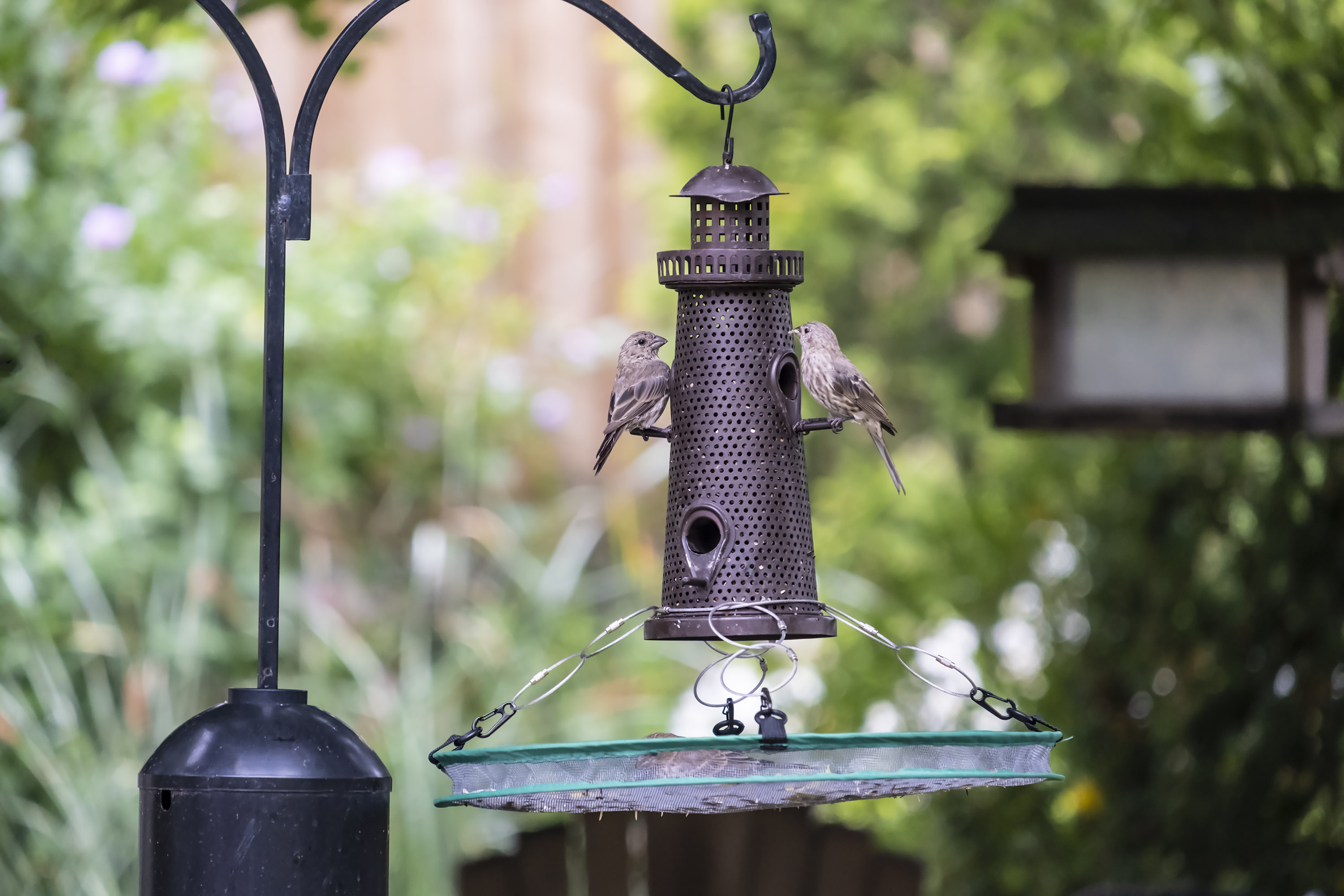
Hanging Feeders: Height And Support
Hang feeders 5 to 6 feet above the ground. This height keeps birds safe from cats and other predators. Use strong hooks or brackets to support the feeder’s weight. Avoid placing feeders near windows to prevent bird collisions. Keep feeders away from dense bushes to reduce predator hiding spots.
Pole-mounted Feeders: Stability And Safety
Mount feeders on sturdy poles about 4 to 5 feet tall. Use poles with baffles to stop squirrels and other animals from climbing. Place poles in open areas for easy bird access and clear views. Secure the pole firmly to prevent tipping in wind or by animals. Make sure the area around the pole is clear of tall plants or structures.
Platform Feeders: Ground-level Considerations
Place platform feeders at least 3 feet off the ground to avoid some predators. Keep them in open spaces for better bird visibility. Clean platform feeders often to prevent disease. Watch for signs of local wildlife that might disturb the feeder. Consider adding a roof or cover to shield food from rain and snow.
Enhancing Bird Activity
To boost bird activity around your new feeder, think beyond just hanging it in an open spot. Birds feel safer and more comfortable when their feeding area mimics natural environments. Creating a welcoming space encourages more visits and longer stays, giving you a better chance to observe their behaviors.
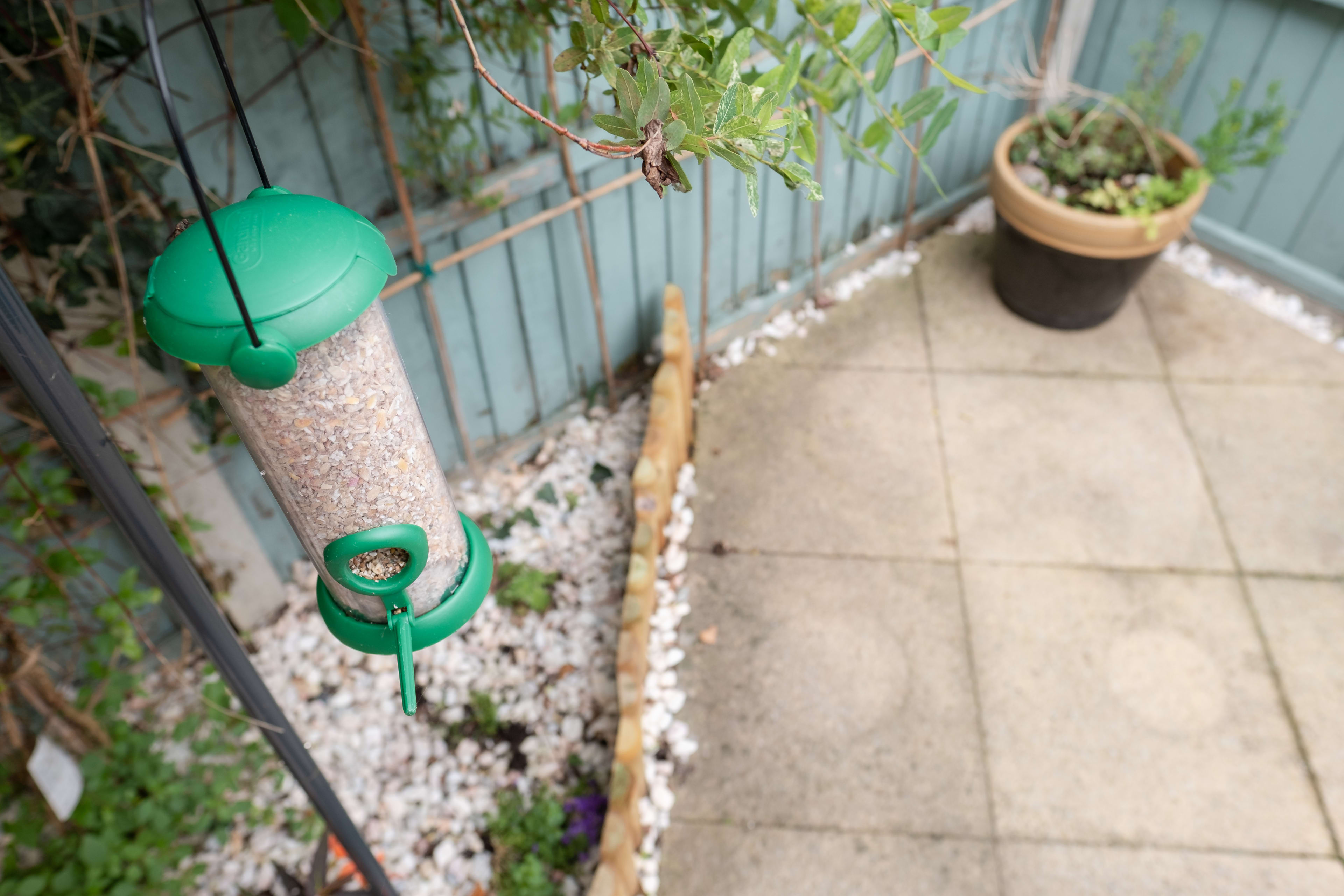
Using Natural Cover
Placing your feeder near trees or shrubs provides birds with quick escape routes from predators. These natural covers act like safe zones, making birds more willing to approach the feeder. I once placed a feeder too far from bushes and noticed fewer visitors; moving it closer to a dense hedge changed that dramatically.
Try to avoid placing feeders too close to windows to prevent collisions, but close enough to natural cover for protection. Even a small cluster of bushes or tall grasses can make a difference in attracting shy species.
Providing Multiple Feeding Stations
Setting up several feeders in different locations can reduce competition among birds. This strategy attracts a wider variety of species, as some prefer ground feeding while others like perches. You might notice cardinals at one feeder and finches at another, all active in your yard.
Multiple stations also keep birds coming back, as they explore different food sources. Think about spacing feeders at least 10 feet apart to give birds enough room to feel secure.
Incorporating Bird-friendly Plants
Adding native plants around your feeder creates a natural habitat that birds recognize and trust. Plants like sunflowers, coneflowers, and berry bushes provide extra food and shelter. I planted a few berry-producing shrubs near my feeders, and it quickly became a hotspot for thrushes and waxwings.
Besides food, these plants offer perching spots and nesting materials, encouraging birds to stay longer in your yard. What plants do birds in your area prefer? Observing local flora can guide your choices for a thriving bird-friendly space.
Credit: dengarden.com
Frequently Asked Questions
Where Is The Best Location For A New Bird Feeder?
Place your bird feeder 5 to 10 feet from trees or shrubs. This offers birds shelter and protection from predators. Avoid areas with heavy foot traffic to keep birds comfortable and safe.
How High Should I Hang A Bird Feeder?
Hang your bird feeder about 5 to 6 feet above the ground. This height keeps birds safe from ground predators while making the feeder accessible for refilling and cleaning.
Should I Place Bird Feeders Near Windows?
Avoid placing feeders too close to windows to prevent bird collisions. Keep feeders at least 3 feet away or more than 30 feet from windows to protect birds.
How Far Should Bird Feeders Be From Predators?
Keep feeders at least 10 feet away from places where cats or other predators hide. This distance helps protect visiting birds and encourages frequent visits.
Conclusion
Placing a bird feeder in the right spot makes a big difference. Choose a quiet place with some shelter from wind and predators. Keep it near trees or bushes for birds to feel safe. Avoid busy or noisy areas to attract more birds.
Check the feeder often to keep it clean and full. A good spot helps birds visit more often and stay healthy. Enjoy watching colorful birds come close to your home. Simple care brings nature right to your window.