
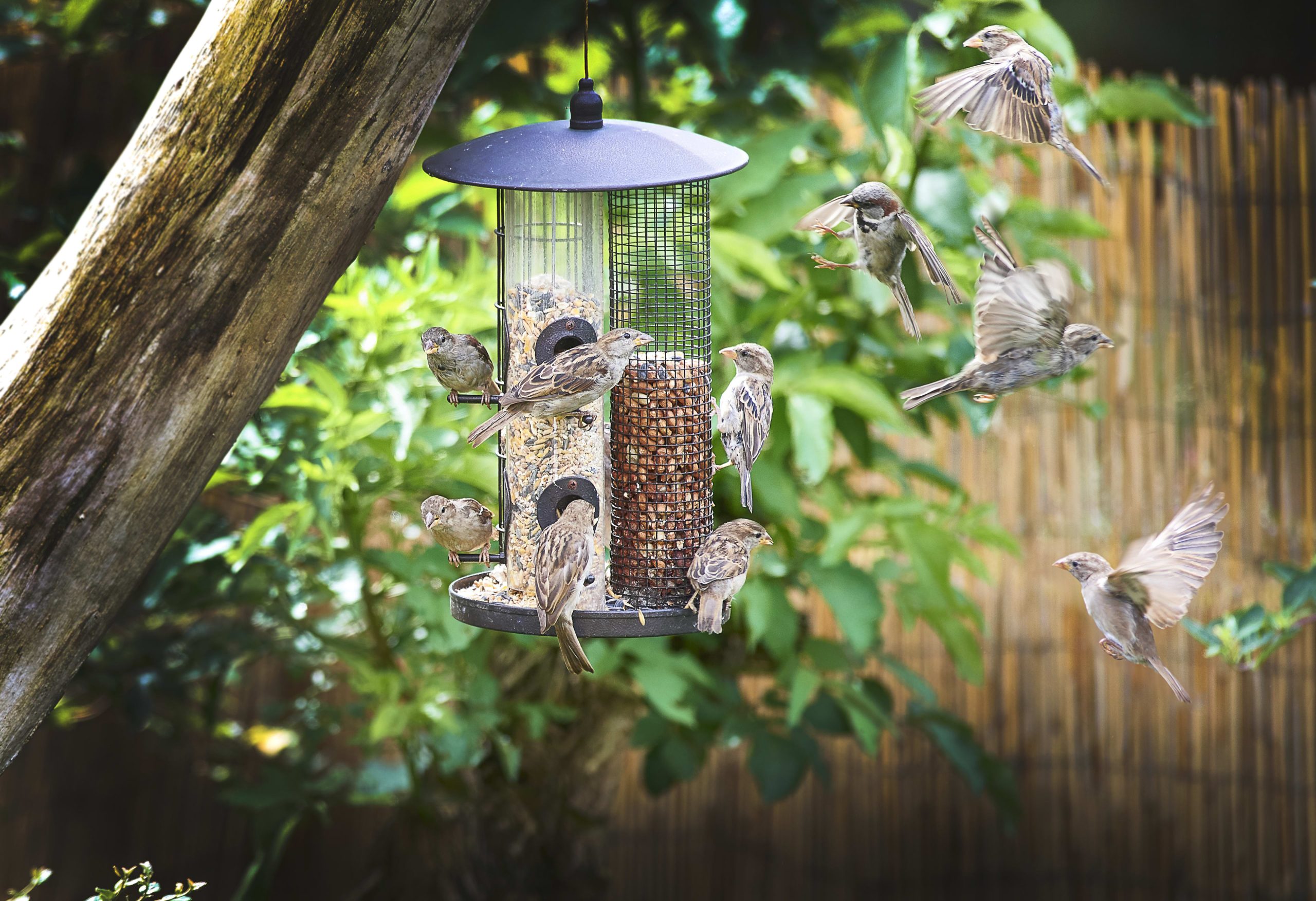
Are you wondering where to put your bird feeder to attract the most beautiful birds to your yard? Choosing the right spot is more important than you might think.
The perfect location can turn your outdoor space into a lively haven filled with colorful feathers and cheerful songs. But placing it in the wrong place could mean fewer visitors and missed moments of joy. You’ll discover simple tips that make your bird feeder a magnet for birds, helping you enjoy nature up close like never before.
Keep reading to find out how to create the ideal bird-friendly environment right outside your door.
Credit: dengarden.com
Choosing The Right Location
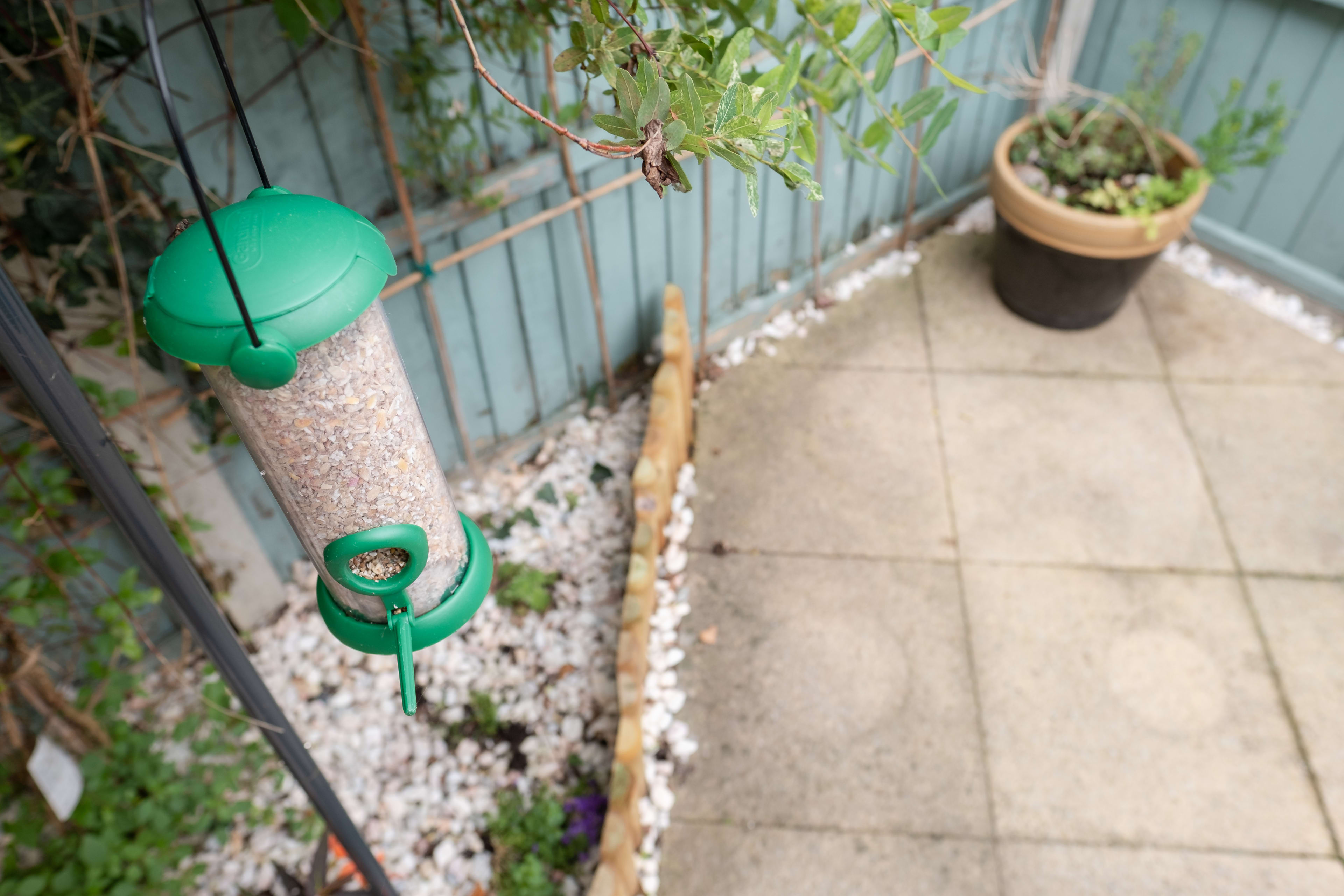
Choosing the right location for your bird feeder is key to attracting birds safely and keeping them happy. The spot you pick affects how often birds visit and how well you can watch them. Consider safety, visibility, and weather protection to make a smart choice.
Safety From Predators
Place the feeder where birds can spot danger early. Keep it away from places where cats or squirrels can hide and pounce. A good rule is to put the feeder at least 10 feet from bushes or trees that predators use for cover. Also, hang feeders high enough to keep ground predators away. Safety helps birds feel secure and visit often.
Visibility For Enjoyment
Pick a spot you can see clearly from windows or your favorite outdoor seat. This way, you enjoy watching birds without disturbing them. Avoid placing the feeder too close to busy areas or noisy machines. Birds prefer calm and quiet places. Clear views also help you identify different bird species easily.
Protection From Weather
Choose a location sheltered from strong winds and heavy rain. Birds stay longer when they feel protected from bad weather. Near a wall or under tree branches works well. Avoid full sun spots that get too hot. A shaded area keeps food fresh and birds comfortable during warm days.
Ideal Placement For Different Bird Types
Finding the right spot for your bird feeder can make a big difference in attracting the birds you want to see. Different bird species prefer different feeding environments. Placing feeders where birds feel safe and comfortable encourages frequent visits and longer stays.
Ground Feeders
Ground feeders attract birds that prefer to eat on or near the ground, like sparrows, doves, and juncos. Choose a spot with some open space but near low shrubs or bushes for quick cover from predators.
Avoid areas with heavy foot traffic to keep birds relaxed. Scattering seeds on bare soil or using a platform feeder close to the ground works well. Have you noticed how juncos flock to your garden floor after a fresh seed drop?
Tree And Shrub Feeders
Many birds prefer feeders near trees and shrubs, such as chickadees, finches, and cardinals. Trees provide shelter and perching spots close to the feeder, making birds feel secure.
Hang feeders from sturdy branches or place them on poles surrounded by leafy plants. Ensure the feeder is at least 10 feet away from windows to prevent collisions. Have you tried positioning feeders near native plants that produce berries or seeds? Birds often visit these spots first.
Window Feeders
Window feeders let you watch birds up close from indoors. Small birds like titmice and nuthatches enjoy these feeders, especially if you offer sunflower seeds or suet.
Attach the feeder securely to a clean window with suction cups. Place it away from busy areas and direct sunlight to avoid overheating the seeds. Do you find that birds quickly learn where your window feeder is and return regularly?
Balancing Accessibility And Privacy
Finding the perfect spot for your bird feeder means striking a balance between easy access for you and a peaceful environment for the birds. You want a place where refilling the feeder won’t be a hassle, but also somewhere that offers birds a sense of safety and quiet. This balance keeps your feathered visitors coming back without feeling threatened or disturbed.
Easy Refilling Spots
Choose a location close to your door or patio for quick and convenient refills. This saves you from trekking across your yard with heavy seed bags, especially in bad weather. A spot near a window also lets you watch the birds while you refill, adding to the enjoyment.
Think about placing the feeder on a sturdy pole or hanging it from a hook that’s easy to reach. Avoid spots that require ladders or awkward angles, as these can discourage regular maintenance. Keeping refilling simple means your feeder stays full and inviting.
Quiet Areas For Birds
Birds prefer feeders located in calm, sheltered spots away from loud noises and heavy foot traffic. Trees or bushes nearby provide natural cover and perching spots, making birds feel more secure. This setup encourages longer visits and more bird activity.
Consider the direction of prevailing winds and sunlight too. A spot shielded from harsh weather and bright midday sun helps keep birds comfortable. Where have you noticed birds lingering longer in your yard? That’s usually a good clue.
Avoiding Human Disturbance
Place your feeder where people and pets don’t constantly pass by. Frequent disturbances can scare birds away before they settle in. A quiet corner of the garden or a spot behind some shrubs often works well.
Remember, even children playing nearby can cause stress to visiting birds. If you have a busy household, try setting up the feeder in a less trafficked area. How often do you see birds return after a sudden noise or movement? Minimizing this can make a big difference.
Credit: dengarden.com
Seasonal Considerations
Choosing where to place your bird feeder changes with the seasons. Each time of year brings different challenges and opportunities for feeding birds effectively. Paying attention to seasonal factors helps you keep birds safe and happy while maximizing your chances of enjoying their visits.
Winter Feeding Locations
In winter, birds need protection from harsh weather and predators. Place feeders near evergreen trees or dense shrubs to provide shelter from wind and cold. These natural barriers also offer quick escape routes if a hawk or cat appears.
Keep feeders away from areas where snow drifts or ice build up to avoid blocking access. A spot near a sunny window can warm up the feeder and attract more birds on cold days. Have you noticed how birds flock to feeders close to sheltered spots during a snowstorm?
Summer Shelter Spots
Summer heat and storms require a different strategy. Position your feeder in shaded areas to prevent seed spoilage and keep birds comfortable. Avoid open areas exposed to direct afternoon sun, which can cause seeds to mold quickly.
Placing feeders near leafy trees or tall plants offers birds shade and a place to cool down. You might see more hummingbirds and warblers visiting if you add a water source nearby for bathing. Have you tried moving your feeder closer to shade and noticed more summer visitors?
Adjusting For Migration
Migration periods are critical for feeding birds on their long journeys. During spring and fall, place feeders in spots that provide easy access and nearby cover. Migrating birds need quick rest stops where they feel safe from predators.
Try positioning feeders along natural flight paths, such as near edges of forests or wetlands. Pay attention to local migration patterns and adjust your feeder height or seed types accordingly. What changes can you make to turn your yard into a welcoming rest stop for migrating birds?
Common Mistakes To Avoid
Choosing the right spot for your bird feeder can make a huge difference in attracting birds safely and effectively. Many bird lovers unknowingly place feeders where birds are at risk or where feeding is less successful. Avoiding these common mistakes will help you enjoy vibrant bird visits and keep your feathered friends safe.
Placing Feeders Too Close To Windows
Have you ever seen a bird suddenly crash into a window? This happens when feeders are placed too close to glass, creating a dangerous illusion of open space. Keep feeders at least 3 feet away from windows, or within 30 feet but very close to the glass to minimize collisions.
Adding decals or screens on windows near feeders can reduce reflection, but moving the feeder is often the simplest solution. Think about your window’s position and how birds might approach—it’s a small change that saves lives.
Ignoring Predator Paths
Predators like cats and hawks often use familiar routes to hunt near feeders. Placing your feeder in open areas without considering these paths puts birds at constant risk. Watch where predators tend to appear in your yard and avoid those zones.
Try to position feeders near shrubs or trees that provide quick cover but not so close that predators can hide unnoticed. Have you noticed a cat lurking near your feeder? Adjusting the feeder’s location can disrupt their hunting routine and protect your birds.
Overcrowding Feeders
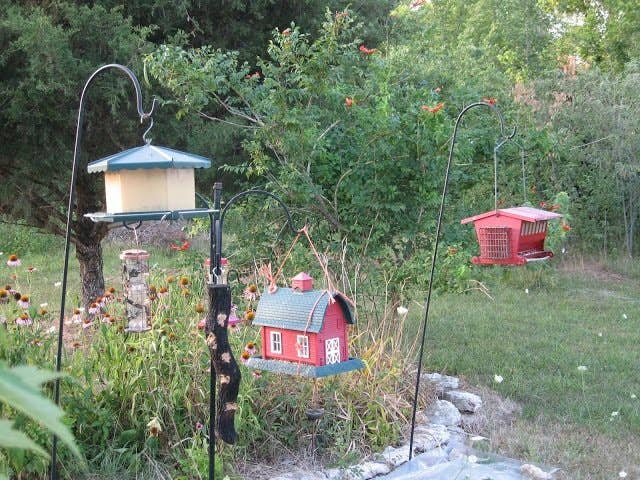
It’s tempting to put multiple feeders close together to attract more birds, but overcrowding can cause stress and aggressive behavior. Birds need space to feed comfortably and feel safe. Spread out feeders to reduce competition and make feeding time more peaceful.
Different species prefer different feeder types, so spacing them out also encourages a variety of birds to visit. Next time you set up feeders, ask yourself: Are these birds crowding each other, or do they have enough room to enjoy the meal?
Credit: dengarden.com
Enhancing The Feeding Area
Enhancing the feeding area creates a safe and inviting space for birds. It helps birds feel comfortable and encourages frequent visits. A well-planned feeding area supports bird health and attracts a variety of species.
Adding Natural Cover
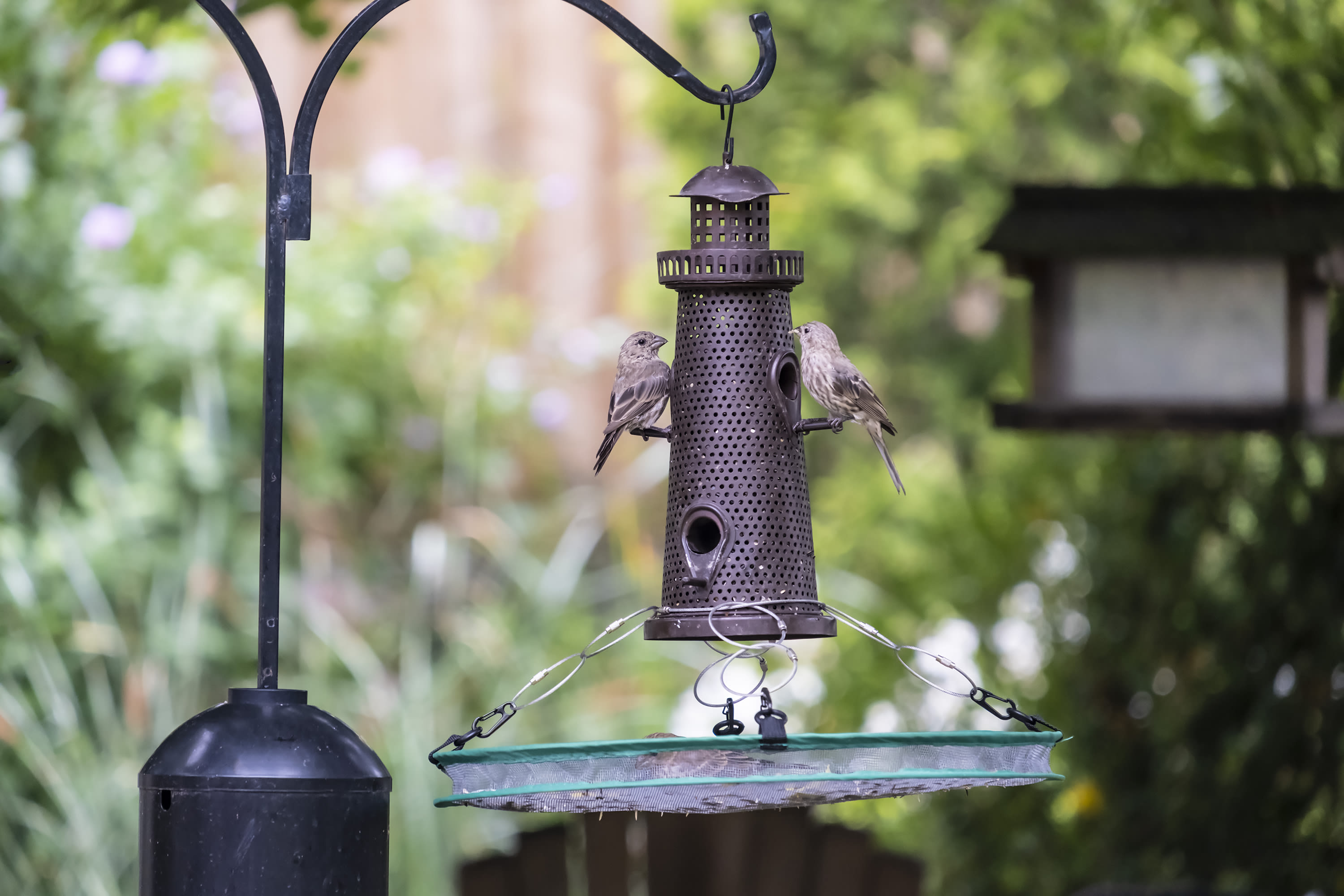
Place feeders near shrubs or trees. Natural cover provides shelter from predators and harsh weather. It also offers birds a place to rest and hide. Avoid dense cover that blocks visibility. Birds need clear sightlines to watch for danger. A mix of open space and cover is ideal.
Using Multiple Feeders
Set up several feeders at different heights and locations. This reduces crowding and competition among birds. It also attracts more types of birds. Use different feeder styles to hold various seeds. Spread feeders apart to avoid aggressive behavior. Multiple feeding spots keep birds calm and safe.
Incorporating Water Sources
Include a birdbath or shallow water dish near feeders. Birds need water for drinking and bathing. Clean water attracts more visitors and helps birds stay healthy. Change water regularly to prevent mosquitoes and bacteria. Position water sources where birds can see predators easily.
Frequently Asked Questions
Where Is The Best Location To Hang A Bird Feeder?
Hang your bird feeder 5-10 feet from windows to prevent collisions. Choose a quiet, sheltered spot with nearby trees or shrubs for bird safety and shelter.
How Far Should A Bird Feeder Be From The House?
Place the bird feeder at least 5 feet away from your house. This reduces window strikes and gives birds space to feed comfortably without disturbance.
Can I Put A Bird Feeder Near My Garden Plants?
Yes, placing a feeder near garden plants attracts birds that help control pests. Ensure it’s not too close to protect plants from bird droppings.
What Height Is Ideal For A Bird Feeder?
Position your bird feeder 4-6 feet above the ground. This height keeps birds safe from predators and makes feeder maintenance easy.
Conclusion
Choosing the perfect spot for your bird feeder is important. Birds need a safe, quiet place to eat. Place the feeder away from predators. Near trees or shrubs is ideal. This provides a natural escape. Ensure easy access for cleaning and refilling.
Keep it visible from your window. Enjoy the beauty of visiting birds. A well-placed feeder attracts more birds. It creates a lively, enjoyable backyard. Remember, your birds deserve the best spot. Happy birdwatching!