
Finding a baby bird that can’t fly can be both exciting and worrying. You want to help, but you might wonder, “What should I feed it?” Giving the right food at the right time is crucial for its survival and growth.
If you feed it the wrong things, you could harm the little bird without realizing it. In this guide, you’ll discover simple, clear steps to nourish that helpless baby bird and give it the best chance to thrive. Keep reading to learn exactly what your new feathered friend needs!

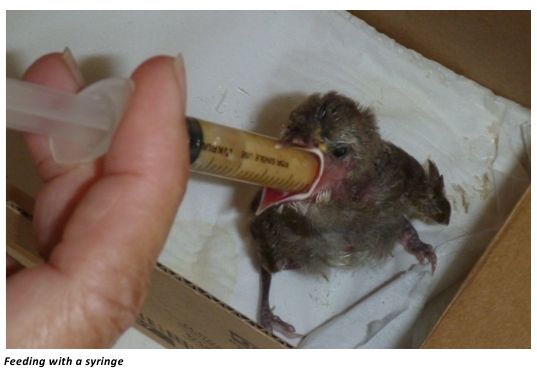
Credit: www.petsradar.com
Identifying A Baby Bird That Can’t Fly
Recognizing a baby bird that cannot fly helps provide the right care. Birds at this stage need special attention and feeding. Knowing their age and condition avoids harm and supports their growth.
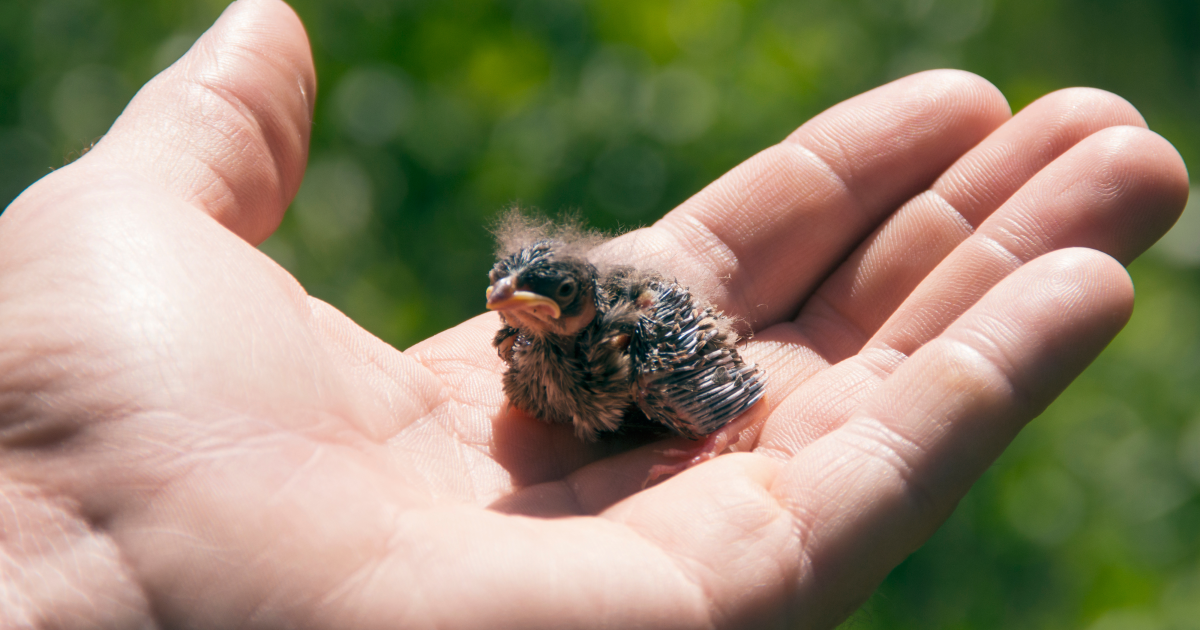
Signs Of A Nestling Vs. Fledgling
- Nestlingshave closed or barely open eyes.
- They lack feathers or have sparse, downy fluff.
- Nestlings cannot grip or perch on their own.
- Fledglingshave more feathers and open eyes.
- They can hop or flutter but cannot fly well.
- Fledglings often explore on the ground near the nest.
Common Species Found On The Ground
Many baby birds fall out of nests or leave before flight. Common species seen on the ground include:
| Species | Characteristics |
|---|---|
| American Robin | Orange belly, speckled chest, common in yards |
| House Sparrow | Small, brown and gray feathers, social birds |
| Blue Jay | Blue and white feathers, loud calls |
| Mourning Dove | Soft gray feathers, gentle cooing sounds |
Assessing The Bird’s Condition
Before feeding a baby bird that cannot fly, it is important to assess its condition carefully. This helps determine the type of care and food needed. Observing the bird closely reveals signs of injury, hunger, or dehydration. These factors affect how you should handle and feed the bird. Proper assessment increases the chances of the bird’s survival and recovery.
Checking For Injuries
Look for visible wounds on the bird’s body. Check the wings, legs, and head for cuts or swelling. Notice if the bird moves any part of its body or tries to stand. A bird that cannot move well may be seriously hurt. Avoid touching the injured areas too much. If injuries appear severe, contact a wildlife rehabilitator immediately.
Evaluating Hunger And Dehydration
Hungry birds often open their mouths wide and chirp loudly. A weak or silent bird may be dehydrated or very tired. Gently touch the bird’s skin on the chest. If the skin feels loose or stays raised after pinching, dehydration is likely. Check for dry eyes or sunken appearance around the face. Provide water carefully using a dropper if dehydration signs exist, but avoid forcing the bird to drink.
Safe Feeding Practices
Feeding a baby bird that can’t fly requires extra care to keep it safe and healthy. Safe feeding practices prevent harm and help the bird grow strong. Paying close attention to what and how you feed can make all the difference in its recovery.
Using Appropriate Feeding Tools
Choosing the right tools is key to avoid injury. Use small, soft-tipped syringes or droppers to control the amount of food given. Avoid sharp or hard objects that could hurt the bird’s delicate mouth.
Many rescuers find that eye dropper tips work well because they fit comfortably inside the bird’s beak. You want to mimic how a mother bird feeds, so slow and gentle is best. Have you ever tried feeding a tiny bird with a spoon? It’s tricky and often too large for their small mouths.
Feeding Frequency And Portion Sizes
Baby birds need frequent, small meals because their stomachs are tiny. Feeding too much or too little can cause serious problems. A good rule is to offer food every 20 to 30 minutes during daylight hours.
Start with tiny portions, about the size of the bird’s eye, and watch how it reacts. If it swallows easily, you can gradually increase the amount. Does your baby bird seem restless or refuses to eat? That could signal a health issue or that the portion size needs adjusting.
Suitable Foods For Baby Birds
Feeding a baby bird that cannot fly requires careful attention to its diet. The right foods support healthy growth and energy. Baby birds need food that is easy to digest and rich in nutrients. Their small bodies cannot handle hard or complex foods. Choosing suitable foods helps them develop strong wings and muscles. It also aids their immune system and overall health.
Insect-based Diet Options
Insects are a natural and vital part of many baby birds’ diets. They provide protein and essential fats. Suitable insects include:
- Mealworms
- Crickets
- Small caterpillars
- Ants
These insects should be soft and easy to swallow. Avoid wild insects that may carry pesticides or parasites. Feeding live insects encourages natural hunting instincts. Chopped insects work well for very young birds.
Soft Fruits And Vegetables
Soft fruits and vegetables offer vitamins and moisture. Suitable choices include:
- Mashed bananas
- Cooked peas
- Soft berries
- Grated carrots
These foods should be fresh and free from seeds or skins. Cut into small pieces to prevent choking. Avoid citrus fruits because they can upset the bird’s stomach.
Avoiding Harmful Foods
Some foods can harm baby birds and must be avoided. These include:
- Milk and dairy products
- Salted or seasoned foods
- Raw potatoes
- Onions and garlic
- Chocolate and caffeine
Never feed bread or junk food. These lack nutrients and can cause illness. Always provide clean water alongside their meals.
Hydration Needs
Hydration is crucial for a baby bird that can’t fly. Without proper water intake, their small bodies can quickly become weak or even face life-threatening issues. Ensuring your feathered friend stays hydrated supports their growth and helps their recovery.
How To Provide Water Safely
Giving water to a baby bird requires care to avoid choking or aspiration. Never offer water directly from a bowl or bottle. Instead, use a clean dropper or syringe to place tiny drops of water at the side of their beak.
Make sure the water is at room temperature—not too cold or hot. You can also moisten their food slightly if you’re feeding them soft pellets or mashed insects. This helps keep them hydrated without the risk of drowning.
Signs Of Dehydration
How can you tell if your baby bird is dehydrated? Look for dry, wrinkled skin, especially around the eyes and beak. The bird may also appear lethargic or weak, showing less interest in food or movement.
Another clear sign is sunken eyes or a dry mouth. If you notice these symptoms, it’s important to increase hydration carefully and consult a wildlife expert or vet as soon as possible. Have you checked your little bird’s hydration today?
Creating A Temporary Nest Environment
Creating a temporary nest environment is essential to keep a baby bird that can’t fly safe and comfortable. This space acts as a substitute for the natural nest, giving the bird the support it needs to recover and grow stronger. Paying attention to warmth, shelter, and stress levels can make a big difference in your little feathered friend’s health.
Warmth And Shelter Tips
Baby birds can’t regulate their body temperature well, so keeping them warm is critical. Use a small box or container lined with soft cloth or paper towels to create a cozy spot. Avoid using materials that shed fibers, as they might cause harm.
Add a heating pad set on low under half of the box or a warm water bottle wrapped in a towel. This lets the bird move to a cooler side if needed. Check the temperature often—aim for a gentle warmth similar to a mother bird’s body heat.
Position the nest away from drafts, direct sunlight, or loud noises. Quiet, dim places help the baby bird feel safe and secure, reducing energy spent on stress and helping it heal faster.
Minimizing Stress
Stress can seriously affect a baby bird’s chances of recovery. Keep handling to a minimum and avoid sudden movements around the nest. Speak softly if you need to approach, so you don’t startle the bird.
Limit exposure to pets and household activity. You want to create a calm environment that mimics the safety of a natural nest. Have you noticed how birds in the wild stay hidden and still when frightened? That’s the kind of peace your temporary nest should offer.
Also, try to maintain a consistent feeding and care schedule. Predictability helps the bird feel secure. Your patience here is key—each small step you take supports the bird’s journey back to strength.
When To Seek Professional Help
Knowing when to seek professional help is crucial for a baby bird that cannot fly. Some situations require expert care beyond home feeding. Recognizing signs that indicate the need for a specialist can save the bird’s life.
Injuries, illness, or extreme weakness often need immediate attention. Attempting to care for these birds without the right knowledge can cause harm. Experts have the tools and skills to provide proper treatment and rehabilitation.
Wildlife Rehabilitators And Vets
Wildlife rehabilitators specialize in caring for injured or orphaned wild birds. They have experience in feeding, housing, and medical care. These professionals work to prepare birds for release back into the wild.
Veterinarians with wildlife or avian experience can diagnose and treat medical issues. They offer care that goes beyond simple feeding. Their help is vital for birds with broken wings, infections, or parasites.
Contacting a rehabilitator or vet ensures the baby bird receives expert attention. They provide safe environments and specialized diets tailored to each bird’s needs.
Legal Considerations For Wildlife Care
Laws protect many wild birds and their habitats. Handling, feeding, or keeping wild birds without permission may be illegal. Wildlife rehabilitators often have permits to care for these birds legally.
Before attempting care, check local regulations about wildlife. Many regions require permits or licenses for wildlife care. Violating these laws can lead to fines or other penalties.
Working with licensed professionals helps follow legal rules. It also ensures the baby bird has the best chance to survive and return to nature.
Credit: pethelpful.com
Credit: www.petsradar.com
Frequently Asked Questions
What Should I Feed A Baby Bird That Can’t Fly?
Feed soft, protein-rich foods like soaked dog kibble, mealworms, or finely chopped boiled eggs. Avoid milk or bread, as they harm baby birds. Use a small syringe or dropper to gently feed them every 15-20 minutes during daylight.
Can I Use Baby Bird Formula For Feeding?
Yes, commercial baby bird formulas are ideal and nutritionally balanced. Prepare it as per instructions and feed with a syringe. These formulas help ensure the bird gets all necessary nutrients for growth and development.
How Often Should I Feed A Baby Bird That Can’t Fly?
Feed the baby bird every 15-20 minutes from dawn to dusk. Young birds require frequent feeding to maintain energy and growth. As they grow, gradually increase feeding intervals and reduce frequency.
Is It Safe To Give Water To A Baby Bird?
Baby birds get water from their food, so direct water feeding is risky. Too much water can cause choking or aspiration. Ensure the food is moist enough to provide hydration.
Conclusion
Feeding a baby bird requires care and attention. Ensure you provide safe and nutritious food. Avoid feeding them bread or milk. Stick to insects, seeds, and bird-specific formula. Always check the bird’s health regularly. Observe signs of hunger or discomfort.
Consult a vet for any concerns. Patience is vital for their growth and recovery. Your efforts help them gain strength and eventually fly. Remember, every small step counts in their journey. Keep learning and supporting these young birds. Your contribution makes a difference.