
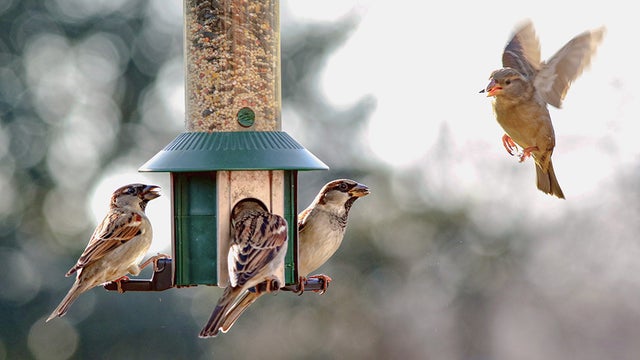
Are you wondering if it’s safe to feed birds again in Massachusetts? You’re not alone.
Many bird lovers like you have paused their feeding routines because of recent concerns. But now, the big question is—can you bring back those feeders without putting the birds or yourself at risk? This article will guide you through the latest information, so you can feel confident about welcoming feathered friends back to your yard safely.
Keep reading to discover what experts say and how you can protect your local birds while enjoying their beauty once more.

Credit: lafeber.com
Current Bird Feeding Guidelines
Feeding birds in Massachusetts requires following current guidelines to keep birds safe. These rules help prevent the spread of diseases and protect local wildlife. Knowing the right practices ensures birds stay healthy and visitors enjoy birdwatching safely.
State Regulations In Massachusetts
Massachusetts has rules to control bird feeding. These rules focus on stopping disease outbreaks. The state may ask people to stop feeding birds during certain times. This helps reduce crowding and illness among birds.
Local authorities may also set specific rules. These can vary by city or town. It is important to check local notices before feeding birds. This ensures compliance with all regulations.
Seasonal Feeding Restrictions
Seasonal restrictions limit bird feeding during high-risk periods. These periods often occur in winter and early spring. Diseases like avian flu spread more easily then. Feeding bans reduce contact between birds and limit disease spread.
Bird feeders should be cleaned regularly if feeding is allowed. Clean feeders reduce the risk of spreading germs. Following seasonal rules helps protect bird populations year-round.
Common Risks Of Bird Feeding
Feeding birds is a popular activity in Massachusetts. It brings joy and helps support local wildlife. Despite good intentions, feeding birds carries some risks. Understanding these risks helps keep birds safe and healthy. It also protects the environment and maintains natural bird behavior.
Disease Transmission Among Birds
Bird feeders can gather many birds in one place. This close contact spreads diseases quickly. Common illnesses include avian pox, salmonella, and conjunctivitis. Dirty feeders and uneaten food increase the risk. Regular cleaning of feeders is essential to reduce disease spread.
Impact On Bird Behavior
Feeding birds can change their natural habits. Birds may rely too much on feeders instead of finding food. This dependence affects migration patterns and breeding behaviors. Aggressive behavior may increase as birds compete for food. Keeping feeding consistent and limited helps minimize these effects.
Environmental Concerns
Bird feeding can impact the local environment. Leftover seeds attract unwanted pests like rodents and insects. Excess food can cause mold and damage plants. Feeding near windows increases the risk of bird collisions. Placing feeders carefully and cleaning up spilled food reduces these problems.
Expert Recommendations
Experts emphasize careful feeding habits to protect both birds and people in Massachusetts. Following their advice helps maintain healthy bird populations while preventing the spread of diseases. Let’s look at what specialists recommend to keep your backyard birds safe and thriving.
Safe Feeding Practices
Keep your bird feeding simple and stress-free. Place feeders in areas away from heavy foot traffic to reduce bird stress and avoid attracting unwanted pests. It’s best to feed birds during dry weather to prevent mold growth on leftover seeds.
Limit the amount of food you put out at one time. Birds can quickly eat fresh food, which reduces waste and lowers the chance of spreading illness. Have you noticed birds abandoning feeders that are too crowded or dirty?
Sanitation Tips For Feeders
Clean feeders regularly—about once every two weeks or more often in wet weather. Use a mild bleach solution (one part bleach to nine parts water) to scrub feeders, then rinse thoroughly and dry before refilling.
Remove old or moldy food daily. Dirty feeders can harbor bacteria and fungi that harm birds. Simple habits like placing feeders on a platform or tray can also help you spot and clean spoiled seeds quickly.
Best Types Of Bird Food
Choose foods that attract healthy birds and discourage pests. Black oil sunflower seeds are a favorite because they provide good nutrition and attract many species. Suet cakes offer energy during colder months but avoid ones with added fillers.
Avoid bread or foods with salt and sugar—they can harm birds. Instead, try millet, cracked corn, or nyjer seeds depending on the bird species you want to attract. What types of birds visit your feeder, and what foods do they prefer?
Signs To Stop Feeding Temporarily
Knowing when to pause feeding birds in Massachusetts is crucial for their health and safety. Sometimes, stopping for a short time can prevent the spread of illness among local bird populations. Paying attention to clear signs helps you make the right choice for your feathered visitors.
Symptoms Of Bird Illness
Watch closely for unusual behavior or physical signs in the birds around your feeder. Symptoms such as puffed-up feathers, lethargy, or difficulty flying often indicate sickness.
Other signs include:
- Discharge from eyes or beak
- Swollen eyes or closed eyelids
- Visible wounds or missing feathers
- Repeated sneezing or coughing sounds
If you notice several birds showing these symptoms, it’s wise to stop feeding immediately. This reduces the chance of spreading disease through shared feeders.
Local Outbreak Alerts
Stay informed about bird health in Massachusetts by checking updates from wildlife agencies or local birdwatching groups. They often issue alerts if there’s an outbreak of diseases like avian flu or salmonella.
These alerts are your best guide to know when it’s unsafe to feed. Ignoring them can unintentionally harm the birds you want to help.
Have you ever noticed a sudden drop in bird visits or sick birds around your feeder? That might be a sign to pause feeding until things improve.
Benefits Of Feeding Birds Responsibly
Feeding birds responsibly in Massachusetts offers more than just the joy of watching feathered visitors up close. It creates a positive impact on the environment and helps maintain a healthy balance in your local ecosystem. When you feed birds thoughtfully, you support their survival and contribute to a thriving natural community right in your backyard.
Supporting Local Wildlife
Providing food in your yard helps birds survive harsh seasons, especially during cold Massachusetts winters. It’s not just about offering seeds; it’s about giving them a reliable source of nutrition when natural food is scarce.
When I started feeding birds during a tough winter, I noticed species I rarely saw before. It felt rewarding knowing I was making a difference in their survival. Are you ready to become a vital part of your local wildlife’s support system?
Enhancing Backyard Biodiversity
Feeding birds encourages a variety of species to visit your yard, increasing biodiversity. Different birds bring different benefits, such as pest control and pollination, which help your garden thrive naturally.
Think about this: a diverse bird population means a healthier, more balanced ecosystem around your home. Have you considered how your feeding habits might attract not only common sparrows but also less frequent visitors that add life and color to your outdoor space?

Credit: www.wildcarecapecod.org
Resources For Massachusetts Bird Enthusiasts
Massachusetts offers many resources for bird lovers who want to feed birds safely. These resources help protect birds and keep them healthy. They also provide guidance and support for all bird enthusiasts.
Knowing where to get information and help is very important. It keeps the bird feeding experience safe and enjoyable for both people and birds.
Local Wildlife Organizations
Many local groups care for birds and wildlife in Massachusetts. They offer advice on safe feeding practices. These organizations also run rescue and rehabilitation programs for injured birds. Joining or contacting them connects you with experts who understand local bird needs.
- Mass Audubon
- Mass Wildlife
- Local bird clubs and nature centers
Reporting Sick Birds
Spotting sick birds early helps control disease spread. Massachusetts has specific ways to report sick or dead birds. Reporting helps wildlife officials track bird health and respond quickly. If you see a sick bird, report it through the right channels.
- Use the Massachusetts Division of Fisheries and Wildlife website
- Call local wildlife authorities
- Follow guidance from local wildlife organizations
Educational Programs
Many programs teach safe bird feeding and bird identification. These programs suit all ages and skill levels. They often include workshops, talks, and guided walks. Learning about birds helps you feed them correctly and enjoy their presence.
- School programs and community classes
- Workshops by wildlife groups
- Online webinars and resources
Credit: www.capecod.gov
Frequently Asked Questions
Is It Safe To Feed Birds Again In Massachusetts?
Yes, it is generally safe to feed birds in Massachusetts now. Make sure to clean feeders regularly to prevent disease. Use fresh birdseed and avoid feeding during harsh weather to support bird health.
When Should I Stop Feeding Birds In Massachusetts?
Stop feeding birds during late spring and summer to avoid attracting predators. Feeding is most helpful in winter when natural food is scarce. Resume feeding in fall to prepare birds for cold months.
How Can I Prevent Bird Diseases While Feeding?
Clean feeders weekly with mild soap and water to prevent disease. Remove moldy or wet seed immediately. Avoid overcrowding feeders to reduce the spread of infections among birds.
What Types Of Food Are Best For Massachusetts Birds?
Offer black oil sunflower seeds, millet, and nyjer for most local birds. Avoid bread or processed foods as they lack nutrients. Fresh water near feeders also helps birds stay healthy.
Conclusion
Bird feeding in Massachusetts seems safe again. Experts suggest careful observation. Watch for any signs of sick birds. Clean feeders regularly to prevent disease. Always use fresh and healthy bird seed. Enjoy the presence of birds in your garden. They bring joy and beauty.
Stay informed about local bird health updates. This helps in making safe choices. Encourage others to join in bird feeding. It supports bird conservation efforts. Appreciate nature’s wonders right in your backyard. Remember, a little care goes a long way.
Happy bird watching!