
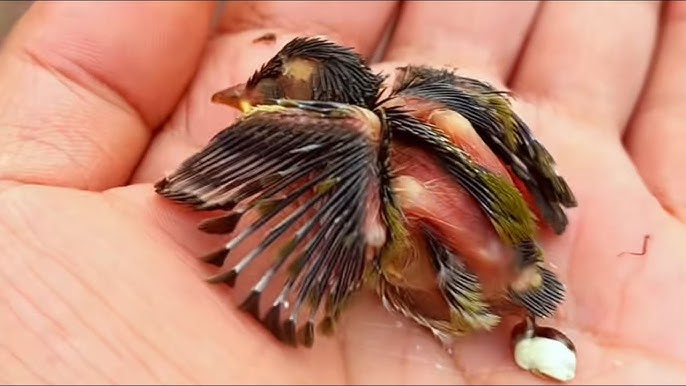
If you’ve found a baby bird and want to help it survive, you’re probably wondering, “What should I feed it at home?” Feeding a baby bird isn’t as simple as it seems. Giving the wrong food can harm your little feathered friend.
But don’t worry—you can learn exactly what your baby bird needs to grow strong and healthy. Keep reading, and you’ll discover easy, safe feeding tips that anyone can follow. Your care could make all the difference in saving a life.
Choosing The Right Food
Choosing the right food for a baby bird is very important. Baby birds need special nutrients to grow strong and healthy. Their diet must be easy to digest and full of energy. Feeding the wrong food can cause health problems or slow growth. Understanding what foods suit baby birds helps you care for them properly.
Types Of Suitable Bird Food
- Softened seeds: Soak seeds to make them soft and easy to eat.
- Commercial baby bird formula: Available at pet stores, made for young birds.
- Boiled eggs: Mash eggs finely to provide protein and fats.
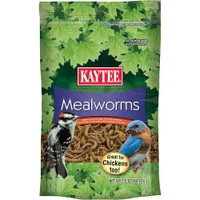
- Small insects: Live or dried mealworms offer natural protein.
- Fruits and vegetables: Offer tiny pieces of apple, carrot, or peas.
Each food type provides key nutrients needed by baby birds. Variety helps meet all their dietary needs.
Avoiding Harmful Ingredients
- No salt or sugar: These harm baby birds’ delicate systems.
- Avoid dairy products: Birds cannot digest milk or cheese properly.
- No honey: It may contain harmful bacteria for birds.
- Stay away from processed human food: It lacks proper nutrients.
- Never feed bread alone: It offers little nutrition and can cause choking.
Always give fresh, clean food and water. Keep feeding areas clean to prevent illness.
Credit: www.petsradar.com
Feeding Frequency And Amounts
Knowing how often and how much to feed your baby bird is crucial for its growth and survival. Feeding too little can stunt development, while overfeeding may cause health issues. It’s important to adjust feeding based on the bird’s age and monitor its reactions closely.
Age-based Feeding Schedule
Baby birds’ feeding needs change quickly as they grow. In the first week, they usually require feeding every 15 to 20 minutes from dawn until dusk. That’s roughly 8 to 12 times per hour, which can feel overwhelming but is necessary.
By the second week, the intervals stretch to about every 30 minutes. The amounts increase slightly as their stomachs get bigger. Around the third week, feedings slow to every 45 minutes or so, and you can start reducing the quantity gradually as they prepare to eat on their own.
| Age | Feeding Frequency | Amount per Feeding |
|---|---|---|
| 0-7 days | Every 15-20 minutes | Small drops, increasing gradually |
| 8-14 days | Every 30 minutes | Moderate portions |
| 15-21 days | Every 45 minutes to 1 hour | Larger portions, start reducing frequency |
| 22+ days | Every 1-2 hours | Feeding less, encouraging self-feeding |
Signs Of Proper Feeding
How do you know if your feeding routine is working? Watch the baby bird’s crop, a small pouch in its throat that stores food. It should feel full but not overly stretched after feeding and empty before the next meal.
Look for steady weight gain and alert behavior—these are good signs your bird is getting enough nutrition. If the baby bird remains lethargic or cries excessively, it might be hungry or uncomfortable.
Have you noticed a pattern in your bird’s eating habits that helped you adjust feeding times? Paying attention to these cues will help you fine-tune your approach and keep your baby bird healthy and happy.
Preparing Bird Food At Home
Preparing bird food at home helps control ingredients and ensures safety. It allows you to provide fresh, nutritious meals tailored to baby birds’ needs. Homemade food can mimic the diet birds get in the wild. This practice supports their growth and health during early life stages.
Safe Homemade Recipes
Choose ingredients that are easy to digest and rich in nutrients. Avoid salt, sugar, and artificial additives. Use soft fruits like mashed bananas or apples without seeds. Cooked grains such as rice or oats are gentle and energy-rich. Protein sources include finely chopped hard-boiled eggs or insects like mealworms. Mix these ingredients to create a smooth, soft blend. The consistency should be like thick porridge for easy feeding.
Storage Tips For Freshness
Store homemade bird food in clean, airtight containers. Keep it in the refrigerator to prevent spoilage. Use within 24 to 48 hours for best freshness. Always check for smell or color changes before feeding. Avoid freezing, as it can alter texture and reduce nutrient value. Prepare small batches to reduce waste and keep food fresh.
Hydration Needs
Keeping a baby bird hydrated is just as important as feeding it. Without enough water, a baby bird can quickly become weak and dehydrated, which might lead to serious health issues. Understanding their hydration needs helps you care for your feathered friend more effectively.
Water Requirements
Baby birds need a consistent supply of clean water to stay healthy. Unlike adult birds, their water intake is closely tied to the moisture in their food. If you feed them dry food, you must provide extra water to compensate.
Watch for signs of dehydration like lethargy or sunken eyes. These warning signs mean your baby bird needs immediate hydration support. Typically, young birds require small, frequent amounts of water rather than large quantities at once.
How To Offer Water Safely
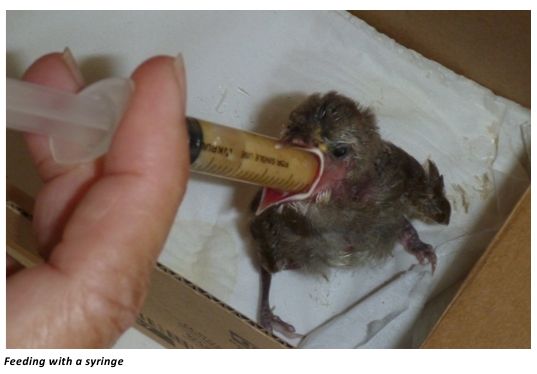
Offering water to a baby bird requires careful attention to avoid choking or drowning. Never place a bowl of water directly in the nest; the bird could accidentally fall in. Instead, use a dropper or syringe to give water slowly, drop by drop.
Make sure the water is at room temperature, not too cold or hot. Gently drip water onto the side of the beak to encourage drinking. This method mimics how parent birds feed their young and reduces the risk of inhaling water.
Have you noticed how small changes in your feeding routine can improve your baby bird’s health? Paying close attention to hydration can make a big difference in their growth and survival.
Monitoring Growth And Health
Keeping a close eye on your baby bird’s growth and health is key to raising a strong, happy bird. Regular monitoring helps you catch any problems early and adjust care as needed. It’s not just about feeding; it’s about understanding how your baby bird is thriving day by day.
Tracking Weight And Development
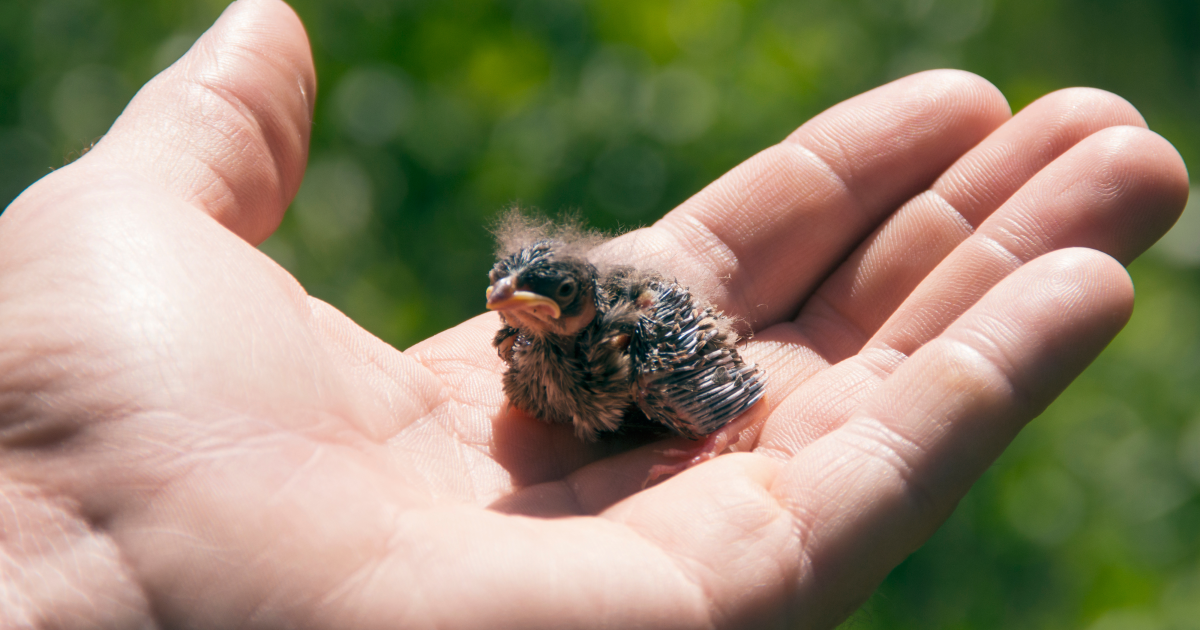
Weigh your baby bird daily using a small, accurate scale. Record the weight to spot trends—steady gains usually mean good health. Sudden drops or stagnation in weight can signal illness or feeding issues that need attention.
Watch for developmental milestones like feather growth and alertness. Is your bird becoming more active? Are the feathers coming in evenly? These signs reveal how well your bird is progressing beyond just numbers on a scale.
- Use a notebook or app to log daily weight and observations.
- Compare growth patterns with species-specific charts available online.
- Note behavior changes such as feeding eagerness or sleeping patterns.
When To Consult A Vet
If you notice your bird losing weight, staying lethargic, or showing abnormal droppings, don’t wait to seek professional help. Early vet visits can prevent minor issues from becoming serious.
Also, if your baby bird refuses to eat or vomits, these are clear signs to get expert advice. Vets can guide you on adjusting diet or treating illnesses, ensuring your bird gets the best care possible.
As someone who once overlooked subtle signs of illness, I learned that timely vet consultation can save a life. Don’t hesitate to ask questions or request a check-up even if you’re unsure.
Credit: pethelpful.com
Handling And Feeding Techniques
Handling and feeding a baby bird at home requires patience and care. Your gentle touch can make a big difference in the bird’s comfort and health. Learning the right techniques helps avoid injuries and encourages the bird to eat well.
Proper Feeding Tools
Using the right tools makes feeding easier and safer for both you and the baby bird. Small syringes or eyedroppers work well to control the flow of food. Choose soft-tipped tools to prevent hurting the bird’s delicate beak and mouth.
Some bird owners use tiny spoons or specialized feeding tubes designed for baby birds. Keep your tools clean and sterilized to avoid infections. Have a small bowl or container ready to mix the bird’s formula or mashed food.
Minimizing Stress During Feeding
Stress can stop a baby bird from eating, which is dangerous. Hold the bird gently but firmly, supporting its body without squeezing. Speak softly or stay quiet, as loud noises can scare the bird away from feeding.
Feed the bird in a warm, calm environment free from distractions. Watch the bird’s reactions closely—if it struggles or refuses to eat, pause and try again later. Have you noticed how your own calmness can influence the bird’s willingness to eat?
Credit: besgroup.org
Frequently Asked Questions
What Is The Best Food For A Baby Bird At Home?
The best food for baby birds is a soft, protein-rich diet. Use commercial hand-feeding formula or mashed boiled eggs mixed with water. Avoid bread or milk, as they can harm the bird. Ensure food is warm and fed in small amounts frequently.
How Often Should I Feed A Baby Bird Daily?
Feed a baby bird every 15 to 30 minutes during daylight hours. Newborns need frequent feeding for proper growth. As they grow, gradually increase feeding intervals. Always monitor their hunger cues and avoid overfeeding to prevent health issues.
Can I Feed A Baby Bird With Milk Or Bread?
No, milk and bread are harmful to baby birds. Milk can cause digestive problems, and bread lacks necessary nutrients. Stick to specialized bird formulas or natural protein sources like insects or eggs for safe and healthy feeding.
How Do I Prepare Homemade Food For Baby Birds?
Prepare homemade food by mashing boiled eggs and mixing them with warm water. You can also blend soaked dog or cat kibble with water for protein. Avoid adding salt or seasoning. Feed with a small syringe or dropper carefully.
Conclusion
Feeding baby birds at home requires care and attention. Provide them with a balanced diet. Fresh fruits and vegetables are essential. Protein from insects or boiled eggs helps growth. Avoid giving milk or bread. Offer clean water always. Observe their eating habits closely.
Adjust portions based on their needs. Consult a vet if unsure about their diet. Proper nutrition ensures their healthy development. Keep a calm environment for feeding time. Patience and consistency are key. Your efforts will support their well-being.