
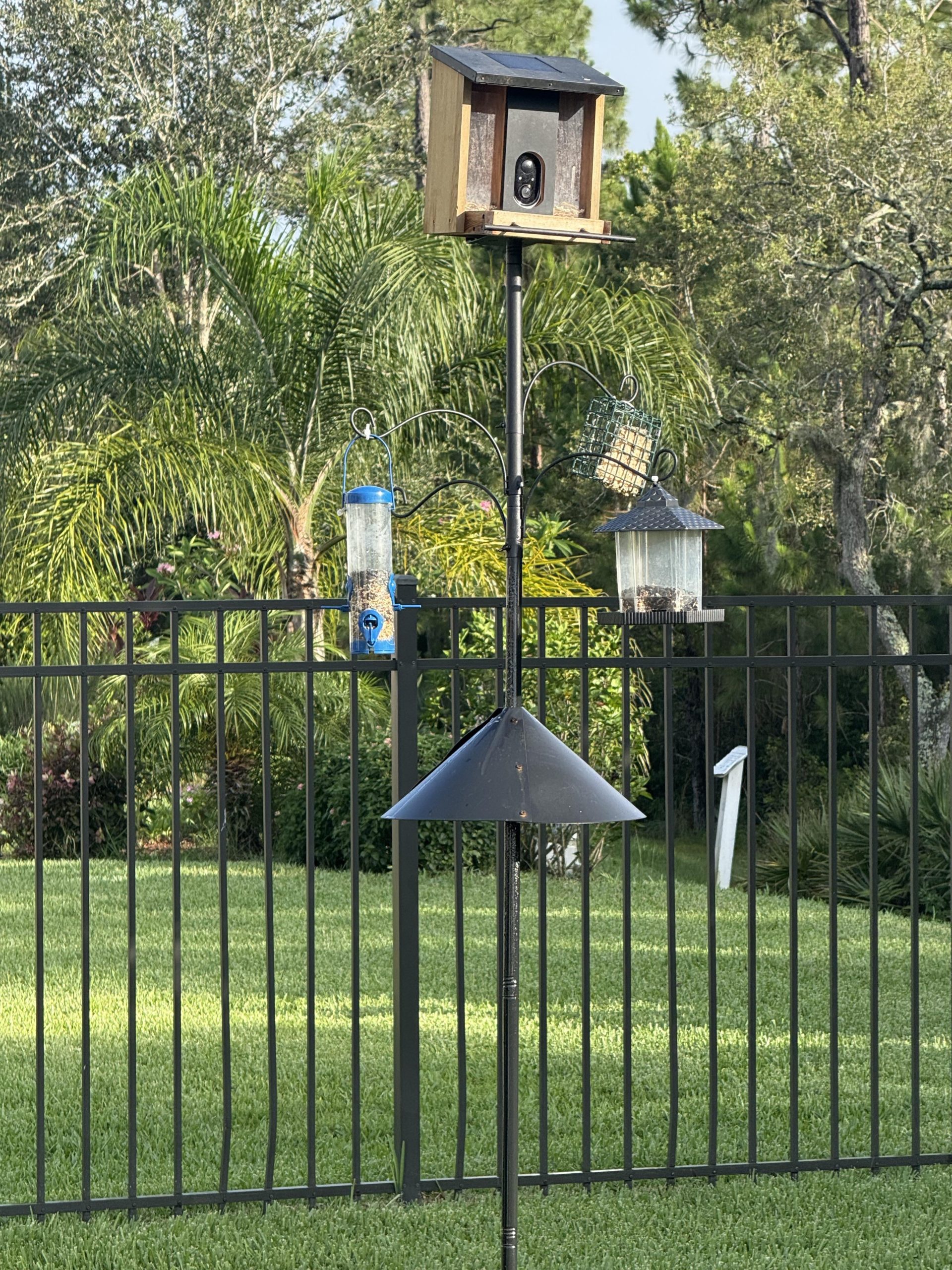
Are you tired of squirrels and raccoons stealing the birdseed from your feeder? You’re not alone.
These clever critters can quickly empty your feeder, leaving little for the birds you want to attract. But what if there was a simple, effective way to keep them out? You’ll learn how to make a squirrel and raccoon bird feeder baffle that really works.
Imagine enjoying peaceful birdwatching without constant interruptions. Keep reading, and you’ll discover easy steps to protect your feeder and enjoy more visits from your feathered friends.

Credit: www.reddit.com
Choosing The Right Materials
Choosing the right materials for your squirrel and raccoon bird feeder baffle is essential to ensure it lasts and functions well. The materials you select will affect durability, weather resistance, and safety for the animals and birds visiting your feeder. Let’s break down what works best and why it matters.
Durable Options
Look for materials that can stand up to constant use and animal interference. Metals like aluminum or stainless steel are excellent choices because they resist chewing and scratching. Thick, high-quality plastic can also work, but it must be sturdy enough to avoid cracking.
I once tried using thin wood for my baffle, but squirrels quickly gnawed through it. Switching to metal made a huge difference, cutting down on damage and saving me time and money.
Weather Resistance
Your baffle will face rain, snow, sun, and wind, so it needs to hold up without warping or rusting. Powder-coated metals offer strong protection against rust and corrosion. If you prefer wood, opt for treated or sealed varieties to prevent rotting.
Consider how often you’re willing to maintain the baffle. Choosing weather-resistant materials means less upkeep and a feeder that works longer without constant repairs.
Safety Considerations
Materials should be safe for both the animals and the environment. Avoid sharp edges or toxic paints that might harm birds or curious wildlife. Smooth finishes and non-toxic coatings keep everyone protected.
Have you noticed birds avoiding feeders with rough or sharp surfaces? Their comfort matters, so choose materials that provide a safe, inviting space for them to feed without risk.
Tools You’ll Need
Gathering the right tools is the first step toward building an effective squirrel and raccoon bird feeder baffle. Having everything at hand saves you time and makes the process smoother. Let’s look at the essential tools you’ll need to get started.
Basic Hand Tools
- Measuring Tape:Accurate measurements ensure your baffle fits perfectly around your feeder.
- Screwdriver:A Phillips-head screwdriver works best for assembling parts.
- Hammer:Useful for securing nails or tapping pieces into place gently.
- Pliers:Handy for bending wires or gripping small parts firmly.
- Utility Knife:Essential for cutting materials like plastic or trimming edges cleanly.
Having these basic tools ready means you can quickly adjust and fix things as you build.
Power Tools
- Drill:A cordless drill speeds up making holes and driving screws with precision.
- Jigsaw:Perfect for cutting curved shapes or trimming metal and plastic smoothly.
- Sander:Helps smooth rough edges for a professional finish and safer handling.
If you don’t own these power tools, consider borrowing from a friend or renting. They make a huge difference in the quality and ease of your project.
Safety Gear
- Safety Glasses:Protect your eyes from flying debris when cutting or drilling.
- Work Gloves:Prevent splinters and improve your grip on tools and materials.
- Ear Protection:Useful if you are using loud power tools to avoid hearing damage.
Never skip safety gear. Your hands and eyes are worth the extra caution. Have you ever had a project delayed because of a small injury? Proper gear helps avoid that.
Designing The Baffle
Designing a squirrel and raccoon bird feeder baffle is key to protecting your feeder. A well-designed baffle stops these clever animals from reaching the birdseed. It also ensures birds can feed without disturbance. The design balances size, shape, and placement to block unwanted visitors.
Shape And Size
The shape of the baffle affects how well it blocks animals. Round or dome-shaped baffles work best. They prevent squirrels and raccoons from gaining a grip. The size should be large enough to cover the feeder completely. Usually, a diameter of 18 to 24 inches fits most feeders. The height should allow space for birds but block bigger animals.
Placement Strategies
Place the baffle at the right height and distance from the feeder. Mount it 3 to 4 feet below the feeder for hanging types. For pole-mounted feeders, install the baffle 2 to 3 feet above the ground. Keep it far from trees or branches. Squirrels and raccoons can jump from nearby surfaces. Clear space around the feeder to reduce access points.
Common Baffle Types
- Dome Baffles:Shaped like an umbrella, they slip over feeder poles.
- Cone Baffles:Tapered and fit below feeders on poles.
- Tube Baffles:Cylindrical and block climbing from the pole.
- Plate Baffles:Flat and mounted under the feeder to stop climbing.
Choosing the right type depends on your feeder setup and local wildlife. Each type offers different protection levels and ease of installation.
Step-by-step Construction
Building a squirrel and raccoon bird feeder baffle requires clear steps. Each part must fit well to keep pests away from your bird feeder. Follow these instructions carefully to create a sturdy and effective baffle.
Cutting The Materials
Start with durable materials like metal or heavy plastic. Measure the size needed to surround your bird feeder pole. Cut the sheet into a wide circular shape or a cone form. Smooth any rough edges with sandpaper or a file. Precise cuts ensure the baffle fits securely and works properly.
Assembling The Parts
Attach the cut pieces with screws or strong adhesive. For a cone shape, join edges evenly to form a smooth surface. Make sure the opening is wide enough for birds but too small for squirrels and raccoons. Check that the baffle moves freely on the pole without falling off.
Finishing Touches
Paint the baffle with weatherproof paint to protect it from rain and sun. Use colors that blend with your garden to avoid scaring birds. Test the baffle by placing it on your feeder pole. Watch for any signs of pests bypassing the barrier and adjust if needed.
Installing The Baffle
Installing the squirrel and raccoon bird feeder baffle properly helps keep unwanted animals away. A well-installed baffle protects bird food and ensures birds can feed safely. This part focuses on where to mount the baffle, how to secure it, and how to check its stability.
Mounting Locations
Choose a spot high enough to stop animals from jumping onto the feeder. Avoid places near trees or fences that animals can climb. Clear, open areas work best to block squirrels and raccoons.
Mount the baffle above or below the bird feeder. Above works well for feeders hung from poles or branches. Below is good for feeders attached to poles or stands. Make sure the baffle covers the feeder completely.
Securing The Baffle
Use strong screws or heavy-duty zip ties to attach the baffle. Tighten all fasteners firmly to avoid movement. Check that the baffle does not wobble or shift when touched.
For pole-mounted baffles, wrap metal straps around the pole for extra grip. Use rubber pads between the baffle and pole to prevent slipping. Double-check all connections before finishing.
Testing Stability
Gently push the baffle from different sides to test its strength. It should stay firmly in place without tilting or shaking. Watch for gaps or loose spots where animals could enter.
After installation, observe the feeder for a few days. Notice if squirrels or raccoons can bypass the baffle. Adjust or tighten the baffle if needed to improve protection.

Credit: riteacademy.com
Tips To Keep Squirrels And Raccoons Away
Keeping squirrels and raccoons away from your bird feeder can feel like a constant battle. These clever critters are determined and resourceful, but with the right approach, you can protect your bird feeder and enjoy watching the birds in peace. Here are some practical tips to help you discourage unwanted visitors effectively.
Feeder Placement
Where you place your bird feeder matters a lot. Position it at least 10 feet away from trees, fences, or any structures that squirrels or raccoons can use as a launching pad. This distance makes it harder for them to jump onto the feeder.
Think about hanging the feeder from a thin, smooth pole. Squirrels struggle to climb poles without rough surfaces. You can also install a baffle—a dome or cone-shaped barrier—on the pole to block their way.
Food Choices
What you put in your feeder can attract or repel certain animals. Squirrels love peanuts and sunflower seeds, but you can switch to safflower seeds, which birds enjoy but squirrels tend to avoid. Suet cakes with hot peppers are another good option; birds don’t mind the heat, but squirrels do.
Have you noticed how some feeders spill seeds onto the ground? This can attract raccoons. Use feeders designed to minimize seed spillage or clean up regularly to avoid inviting unwanted guests.
Additional Deterrents
Sometimes you need extra help beyond placement and food. Try using natural repellents like cayenne pepper sprinkled around the feeder area. It’s safe for birds but unpleasant for mammals.
Motion-activated sprinklers or lights can startle raccoons and squirrels, discouraging them from approaching. If you’ve tried everything and still struggle, consider adding a cage around your feeder to physically block these clever animals.
Maintenance And Troubleshooting
Keeping your squirrel and raccoon bird feeder baffle in top shape requires regular attention. Maintenance and troubleshooting help ensure your feeder stays effective and lasts longer. You’ll avoid frustrating visits from unwanted critters and keep your feathered friends happy.
Regular Cleaning
Dirt, seed hulls, and sticky residue can build up on your baffle, making it less slippery and easier for animals to climb. Clean your baffle every couple of weeks using warm, soapy water and a soft brush. Rinse it well and let it dry completely before putting it back.
Don’t forget to check the mounting area too. Leaves or spider webs can give squirrels and raccoons extra grip. Keeping the whole setup clean makes a huge difference.
Repairing Damage
Even the toughest baffles can get scratched or bent after a determined raccoon or squirrel attack. Inspect your baffle regularly for cracks, dents, or loose parts. Small cracks can be sealed with waterproof glue, while bent metal may need gentle straightening with pliers.
If the damage is severe, consider replacing parts rather than risking failure. A broken baffle won’t stop pests, and you’ll only invite more trouble. Have you noticed any weak spots in your design after a storm or a wildlife encounter?
Adjusting For Effectiveness
Your first baffle setup might not be perfect. Watch how the animals approach your feeder. Are squirrels finding a way around it? Is the raccoon managing to hang from nearby branches? Adjust the height and placement accordingly.
Sometimes moving the baffle a few inches higher or adding a smooth metal plate can block clever climbers. Experiment with spacing and angles until the baffle becomes a true barrier. How much effort are you willing to put into outsmarting these persistent visitors?
Credit: www.walmart.com
Frequently Asked Questions
How Does A Squirrel And Raccoon Baffle Work?
A baffle blocks squirrels and raccoons from reaching bird feeders. It creates a physical barrier. This keeps birds safe and food secure.
What Materials Are Best For Making A Baffle?
Use durable materials like metal or sturdy plastic. They withstand weather and animal damage. Smooth surfaces prevent animals from climbing.
Where Should I Install The Bird Feeder Baffle?
Place the baffle above or below the feeder. Ensure it is at least 4 feet off the ground. This placement stops animals from jumping or climbing.
Can I Make A Baffle With Household Items?
Yes, you can use items like plastic bottles or metal bowls. Modify them to create a dome shape. This DIY option is cost-effective and practical.
Conclusion
Crafting a squirrel and raccoon baffle is rewarding. It protects your bird feeder. Enjoy watching birds without pesky interruptions. The process is simple. Gather materials, follow steps, and your garden will thrive. A little effort goes a long way. Birds stay happy and safe.
You gain peace of mind. Nature’s beauty becomes more accessible. A baffle is a smart investment for bird lovers. Your backyard transforms into a sanctuary. Now, sit back and enjoy the birdwatching experience. You’ve earned it.