
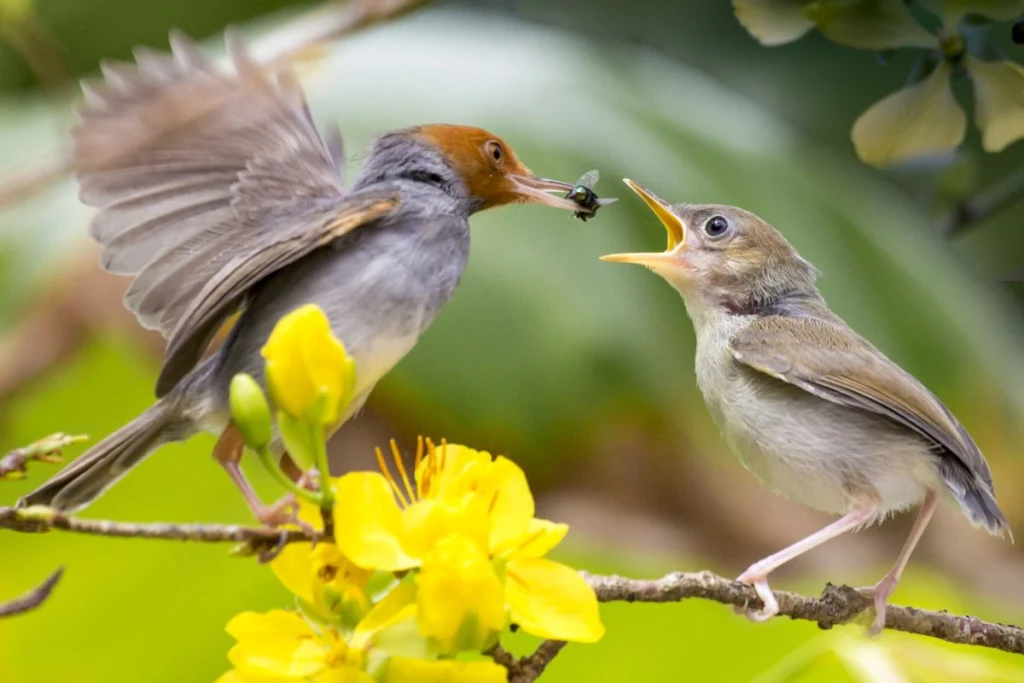
Finding an orphaned baby bird can be heartbreaking, and you might feel unsure about what to do next. Feeding these tiny creatures the right food is crucial for their survival and growth.
If you give them the wrong food, it could harm them instead of helping. In this guide, you’ll discover exactly what to feed baby orphaned birds to keep them healthy and strong. Keep reading—you have the power to make a real difference in their little lives.
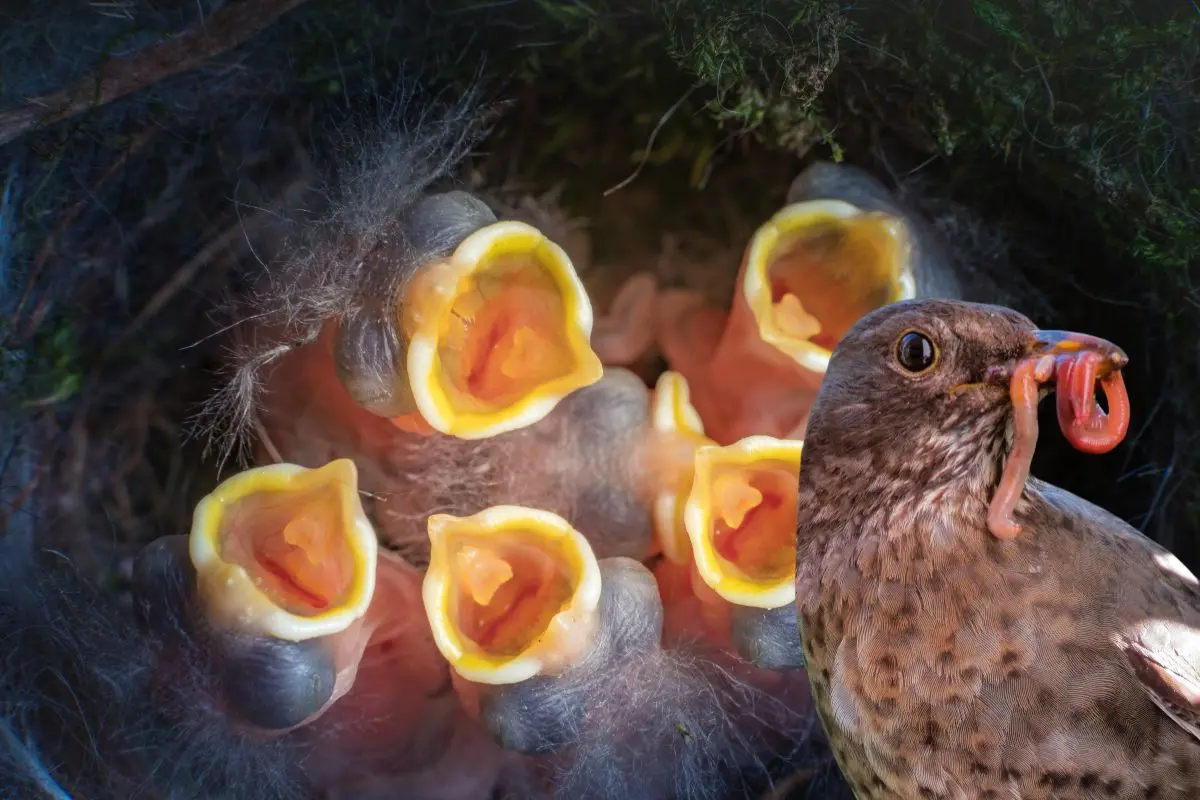
Credit: wildbloo.com
Identifying Orphaned Baby Birds
Knowing how to identify orphaned baby birds is crucial before you decide to feed or care for them. Not every small bird you find alone needs your help. Sometimes, parent birds leave their young temporarily while searching for food or teaching them to fly.
However, if you spot a baby bird that truly needs assistance, recognizing the signs early can make all the difference. This knowledge helps prevent unnecessary interference and ensures real orphans get the care they require.
Signs A Baby Bird Needs Help
- Feather Development:Nestlings usually have few feathers and are mostly bare-skinned, while fledglings have more feathers but may still be awkward at flying. If a baby bird is featherless or looks weak and stays on the ground for hours, it may need help.
- Injury or Illness:Look for visible wounds, lethargy, or abnormal breathing. These signs indicate the bird can’t survive without intervention.
- Abandonment Duration:If you observe the bird alone for several hours without any parent returning, it’s likely orphaned.
- Location:Birds found in unsafe spots like busy roads or where predators roam could be at risk and require rescue.
Common Species Of Orphaned Birds
You might find different types of baby birds needing help, depending on your region. Some species are more commonly orphaned due to their nesting habits or threats they face.
| Species | Typical Nesting Location | Common Signs of Orphaning |
|---|---|---|
| American Robin | Tree branches or shrubs | Fledglings on the ground, feathered but unable to fly |
| Mourning Dove | Low shrubs or ledges | Featherless or partially feathered nestlings found alone |
| House Sparrow | Building ledges, nest boxes | Small featherless chicks abandoned or fallen from nests |
| Blue Jay | Tree nests high in branches | Young birds found on ground, unable to fly or call for parents |
Have you ever wondered whether a baby bird you found really needs your help or if it’s just learning to be independent? Paying close attention to these signs can guide you in making the right decision for the bird’s safety and future.
Safe Handling Techniques
Handling orphaned baby birds requires extra care to keep them safe and calm. Rough handling can cause injuries or stress. Gentle techniques help protect these fragile creatures. It also makes feeding and caring easier.
How To Gently Pick Up Baby Birds
Use clean hands or soft gloves to avoid harming the bird. Approach slowly and calmly. Place your hand underneath the bird’s body, supporting its chest and feet. Avoid squeezing the bird’s wings or legs. Lift it gently and steadily. Keep movements smooth to prevent sudden fright. Keep the bird close to your body for warmth and security.
Creating A Temporary Nest
Use a small box or container lined with soft cloth or paper towels. The lining should be warm and dry. Make the sides high enough to prevent the bird from falling out. Add a small heat source like a warm water bottle wrapped in cloth. Keep the temperature steady but not too hot. Place the nest in a quiet, dim area to reduce stress. Check the bird often but handle it minimally to allow rest.
Feeding Requirements
Feeding orphaned baby birds correctly is crucial for their survival and growth. Their tiny bodies need specific nutrients to develop strong bones, feathers, and muscles. Providing the right food helps prevent illness and supports their immune system. Understanding their feeding requirements ensures they get the care they need during this vulnerable stage.
Nutritional Needs By Bird Age
Baby birds have different nutritional needs as they grow. Very young hatchlings require high-protein, easy-to-digest food. Their diet mainly consists of soft, warm, and watery substances. As they age, their food should include more solid components with balanced proteins and fats. Older fledglings need food that mimics what adult birds eat to prepare them for independence.
- Newborns (0-5 days):High protein, watery food, frequent feeding.
- Nestlings (6-14 days):Soft solids, mix of protein and fats, slightly less frequent feeding.
- Fledglings (15+ days):More solid food, varied diet similar to adult birds.
Suitable Food Options For Orphaned Birds
Choosing the right food depends on the bird species and age. Many baby birds thrive on specialized commercial formulas. These formulas provide balanced nutrients and are easy to prepare. For some species, mashed boiled eggs or soaked dog kibble can work temporarily. Avoid feeding bread, milk, or seeds alone, as they lack essential nutrients.
- Commercial hand-feeding formula designed for baby birds
- Mashed boiled egg yolk for protein boost
- Soaked and softened dog or cat kibble (unsalted)
- Small insects like mealworms for insect-eating species

Credit: www.youtube.com
Homemade Feeding Recipes
Feeding baby orphaned birds requires special care and attention. Homemade feeding recipes offer a safe way to nourish these fragile creatures. These recipes mimic the natural diet of baby birds and provide essential nutrients. Preparing food at home ensures freshness and control over ingredients.
Each bird species needs different nutrients, but basic recipes work well for many types. The goal is to keep the mixture smooth and easy to digest. Proper feeding helps baby birds grow strong and healthy.
Simple Formulas For Baby Birds
Here are easy homemade formulas to feed baby orphaned birds. These recipes use common ingredients and provide balanced nutrition.
- Egg and Baby Cereal Mix:Mix one hard-boiled egg yolk with 2 tablespoons of baby cereal. Add warm water to make a smooth paste.
- Moistened Dog or Cat Food:Use high-quality dry dog or cat food. Soak it in warm water until soft. Mash to a fine texture.
- Cooked Rice and Vegetables:Combine cooked white rice with finely chopped boiled vegetables. Add warm water to create a soft mash.
Feed small amounts frequently. Keep the food warm but not hot. Always prepare fresh batches daily.
Avoiding Harmful Ingredients
Some foods can harm baby birds. Avoid these to keep them safe and healthy.
- Salt and Sugar:These can cause dehydration and serious health problems.
- Milk and Dairy:Birds cannot digest dairy properly. Avoid giving milk or cheese.
- Raw Meat or Fish:These may contain bacteria and parasites. Cook meat thoroughly before use.
- Spices and Seasonings:Strong spices can upset a bird’s stomach.
- Honey:It may contain bacteria harmful to young birds.
Stick to natural, simple ingredients for the best care. Clean feeding tools regularly to prevent infections.
Feeding Schedule And Methods
Feeding orphaned baby birds requires a careful balance of timing and technique to ensure they receive the right nutrition for healthy growth. A well-planned feeding schedule helps mimic natural feeding patterns and supports their fragile digestive systems. Alongside knowing when to feed, mastering proper feeding methods is essential to prevent injury and promote comfort.
Frequency Of Feeding
Newborn birds need feeding every 15 to 20 minutes from dawn until dusk. As they grow, you can gradually space out the feedings to every 30 to 45 minutes. By the time they are about two weeks old, feeding four to six times daily is usually enough.
It’s easy to get overwhelmed by the demands, but consistency is key. Ask yourself: how can I keep track of feeding times to avoid overfeeding or underfeeding? Using a timer or a simple checklist can help you stay on schedule and watch the baby’s response carefully.
Proper Feeding Techniques
Feeding baby birds requires gentle handling and the right tools. Use a small syringe or dropper with a soft tip to deliver food slowly and carefully. Never force the food or pour it directly into their throats; this can cause choking or aspiration.
Hold the bird upright and steady, supporting its head to avoid injury. Observe how the bird swallows, and stop feeding if it shows signs of distress. Remember, your goal is to simulate a natural feeding experience, which means patience and attentiveness.
Hydration Tips
Hydration is crucial for the health of orphaned baby birds. Without enough water, they can become weak and sick quickly. Keeping them hydrated helps their bodies work properly and supports growth. Water must be given carefully to avoid harm.
Providing Water Safely
Use a small dropper or syringe to offer water. Place tiny drops on the bird’s beak edge. Let the bird swallow slowly. Avoid pouring water directly into the throat to prevent choking. Use clean, fresh water at room temperature. Do not use cold or hot water. Offer water often, especially in warm weather or after feeding formula.
Signs Of Dehydration
Look for these signs to catch dehydration early:
- Sunken eyes
- Dry or wrinkled skin
- Weakness and low energy
- Sticky mouth or lack of saliva
- Rapid breathing
If you notice these, increase water supply gently. Consult a wildlife expert if dehydration is severe or persists.
When To Seek Professional Help
Knowing when to seek professional help is crucial for the survival of orphaned baby birds. Some problems are too serious for home care and need expert attention. Acting quickly can make a huge difference in the bird’s recovery.
Recognizing Health Issues
Not all signs of distress are obvious. Watch for unusual behavior like constant crying, weakness, or difficulty breathing. If the bird is fluffed up and lethargic, it may be sick or starving.
Injuries such as broken wings or bleeding require immediate help. Even if the bird looks active, changes in appetite or droppings can signal internal problems. Can you confidently tell if the bird’s condition is improving or worsening? If not, it’s time to call a professional.
Finding Wildlife Rehabilitators
Locating the right help might feel overwhelming, but there are resources to guide you. Local animal shelters, veterinary clinics, and bird rescue organizations often know licensed wildlife rehabilitators. Many areas have specific hotlines for injured or orphaned wildlife.
Reach out quickly and describe the bird’s condition in detail. A rehabilitator will advise you on immediate care and may take the bird in for treatment. Have you saved a bird before and wondered where to turn? Keeping a list of contacts ready can save precious time.
Preparing For Release
Preparing orphaned baby birds for release is a careful process. It requires patience and proper care. The goal is to help them survive independently in the wild. This phase bridges the gap between rescue and freedom. Focus on building their strength and survival skills.
Helping Birds Gain Independence
Young birds need to learn how to find food and stay safe. Start by reducing hand feeding gradually. Encourage natural behaviors like foraging by offering live food or treats. Create a small outdoor space to let them explore safely. Socialize them with other birds if possible. This builds confidence and teaches important survival skills. Monitor their progress daily. Adjust care based on their growth and behavior.
Safe Release Practices
Choose a release site with plenty of shelter and food. Avoid busy roads or areas with many predators. Release during calm weather and daylight hours. Place the birds near trees or bushes for quick cover. Stay nearby but avoid direct contact to encourage independence. Observe from a distance to ensure they adapt well. Have a backup plan in case they need help again.

Credit: www.reddit.com
Frequently Asked Questions
What Do Orphaned Baby Birds Eat First?
Orphaned baby birds eat protein-rich foods like soaked dog kibble or mealworms. Soft, easy-to-digest meals help their growth and development. Avoid feeding bread or milk, as they harm birds.
Can I Feed Baby Birds With Milk Or Bread?
No, milk and bread can harm baby birds. Milk causes digestive issues, while bread lacks nutrients. Instead, use specialized bird formula or soaked dog food for safe feeding.
How Often Should I Feed Orphaned Baby Birds?
Feed orphaned baby birds every 15-20 minutes from dawn to dusk. Young birds need frequent meals to maintain energy and grow properly. Adjust feeding intervals as they mature.
What Is The Best Homemade Food For Baby Birds?
A good homemade mix includes soaked dog kibble, hard-boiled egg yolk, and finely chopped mealworms. Ensure the food is moist, soft, and protein-rich to support healthy growth.
Conclusion
Caring for baby orphaned birds requires patience and love. Choose appropriate food options to ensure their health. Soft, moist food works best for young birds. Remember to feed them frequently, as they need constant nourishment. Observe their growth and adjust the diet as needed.
Always keep their feeding area clean to prevent diseases. Consult a local wildlife expert if unsure about feeding methods. Proper nutrition plays a crucial role in their survival and development. With dedication, you can nurture these tiny creatures back to health.