

Are you ready to discover the best spots where you can watch birds in Gloucestershire? Whether you’re a seasoned birdwatcher or just starting out, this beautiful county offers some incredible places to connect with nature.
Imagine standing quietly as a flash of color catches your eye, or hearing the gentle songs of rare birds nearby. You’ll find the top locations that promise unforgettable birdwatching experiences. Keep reading to uncover hidden gems and tips that will help you make the most of your time in Gloucestershire’s great outdoors.

Credit: theglosterbirder.co.uk
Cotswold Water Park
The Cotswold Water Park is a vast network of over 150 lakes spread across the Gloucestershire and Wiltshire border. It offers a unique habitat for a wide range of bird species, making it a prime spot for birdwatchers of all levels. Whether you’re a seasoned birder or just starting out, this area promises rewarding sightings throughout the year.
Seasonal Highlights
Each season brings something special to the Cotswold Water Park. In spring, you’ll spot nesting pairs of little ringed plovers and sand martins darting over the lakes. Summer often attracts large numbers of warblers and swallows, filling the air with activity and sound.
During autumn, keep an eye out for migrating ducks like teal and wigeon arriving in impressive flocks. Winter transforms the park into a haven for wintering wildfowl, including impressive gatherings of pochard and goldeneye. Have you ever watched the shifting colors of a flock of ducks against a frosty morning sky? It’s an unforgettable experience here.
Best Viewing Points
To make the most of your visit, head to popular spots like Lake 60 near South Cerney, where hides offer excellent close-up views without disturbing the birds. The Northwick Warth bird hide is another favorite, especially for spotting rare waders and raptors.
For those who enjoy a bit of walking, the trails around Lake 95 provide varied landscapes, from reedbeds to open water, increasing your chances to see diverse species. Don’t forget to bring binoculars and a field guide—sometimes the best sightings are just beyond the reeds, waiting for you to spot them.
Credit: www.birdguides.com
Forest Of Dean
The Forest of Dean is a large, ancient woodland in Gloucestershire. It covers over 42 square miles of mixed trees and open spaces. This area is rich in wildlife and offers excellent birdwatching opportunities. Visitors can explore many trails and quiet spots to see birds in their natural habitat.
Popular Bird Species
The forest is home to many bird species. Birdwatchers often spot:
- Great Spotted Woodpecker
- Nuthatch
- Jay
- Buzzard
- Treecreeper
- Goldcrest
- Wood Warblers during spring and summer
These birds thrive among the tall trees and dense undergrowth. The mix of old trees and new growth creates perfect habitats.
Guided Tours
Guided birdwatching tours offer a great way to learn about the forest’s birds. Expert guides help spot and identify species.
Tours vary by season and skill level. Some focus on early morning bird songs. Others explore hidden parts of the forest.
Booking a tour helps visitors see rare birds. Guides share tips on bird calls and behavior. It is a great choice for beginners and families.
Slimbridge Wetland Centre
The Slimbridge Wetland Centre is a top spot for bird watchers in Gloucestershire. It offers a peaceful environment where many types of birds gather. The centre is part of the Wildfowl & Wetlands Trust. It helps protect wetland habitats and wildlife. Visitors can see birds close up in their natural surroundings. The centre is great for families and nature lovers. It provides a chance to learn about birds and conservation efforts.
Rare Sightings
Slimbridge is famous for rare bird sightings. Visitors often spot species not common in the UK. Birds like the bittern, marsh harrier, and avocet appear here. Winter brings large flocks of wild swans and geese. Migratory birds stop at the wetlands during spring and autumn. These rare appearances excite bird watchers and photographers alike.
Visitor Facilities
The centre has many facilities to make visits easy. Bird hides and viewing towers offer great watching spots. There are walking trails through reed beds and ponds. The visitor centre includes interactive exhibits and a café. Families find the play area and picnic spots perfect for breaks. Accessibility features help everyone enjoy the site comfortably.
Credit: theglosterbirder.co.uk
Gloucestershire Wildlife Trust Reserves
The Gloucestershire Wildlife Trust manages several nature reserves that are perfect for birdwatching enthusiasts. These reserves offer a chance to see a wide variety of birds in their natural habitats. Whether you’re a seasoned birder or just starting, these spots provide excellent opportunities to connect with nature.
Notable Reserves
Each reserve offers something unique. At Slimbridge Wetland Centre, you can spot rare waterfowl and migratory birds up close. Coombe Hill Meadow is known for its vibrant meadow birds during spring and summer.
Another gem is Crickley Hill, where woodland birds thrive. These reserves have well-marked trails and hides, making it easier for you to observe without disturbing the wildlife. Have you noticed how the early morning hours reveal the most bird activity?
Conservation Efforts
The Trust focuses on protecting habitats that support diverse bird populations. They manage woodlands, wetlands, and meadows to maintain the delicate balance birds need to thrive. This includes controlling invasive species and restoring native plants.
Volunteers often help monitor bird numbers and nest sites, giving you a chance to contribute if you visit. How does knowing about these efforts change your experience of watching birds in these reserves? It deepens your connection and respect for the environment you’re enjoying.
Severn Estuary
The Severn Estuary is one of the best birdwatching spots in Gloucestershire. It is where the River Severn meets the Bristol Channel. This area has wide mudflats, salt marshes, and tidal waters. These features create a perfect home for many bird species. Visitors can see a variety of birds throughout the year.
Migratory Patterns
The Severn Estuary serves as a crucial stop for migrating birds. Many species travel long distances across Europe and Africa. They rest here to feed and regain strength. Some common migratory visitors include:
- Redshanks
- Curlews
- Shelducks
- Oystercatchers
Birds arrive in autumn and stay until spring. During these months, the estuary is full of life and movement. Watching these migrants offers a rare and exciting experience.
Tidal Influences
The estuary’s tides have a strong impact on bird activity. Twice daily, water levels change dramatically. Low tide exposes mudflats rich in worms and shellfish. Birds gather in large numbers to feed on this food source.
High tide pushes birds to roost in safe areas nearby. This cycle repeats every day, creating predictable patterns. Birdwatchers can plan visits around the tides for the best sightings. The dynamic tides make the Severn Estuary a lively birdwatching destination.
Wye Valley
The Wye Valley offers a stunning landscape for birdwatching in Gloucestershire. Its mix of woodlands, riverbanks, and cliffs attract many bird species. This area provides a peaceful escape for nature lovers and bird enthusiasts. You can spot rare and common birds throughout the year. The changing seasons bring diverse birdlife, making every visit unique.
Birdwatching Trails
Several trails run along the Wye Valley, perfect for birdwatchers. These paths pass through different habitats, increasing your chances to see varied birds. Trails like the River Wye Walk and Symonds Yat offer easy access to bird-rich areas. Look out for kingfishers by the river and woodpeckers in the forest. Many trails have viewing points and benches for resting and watching quietly.
Photography Opportunities
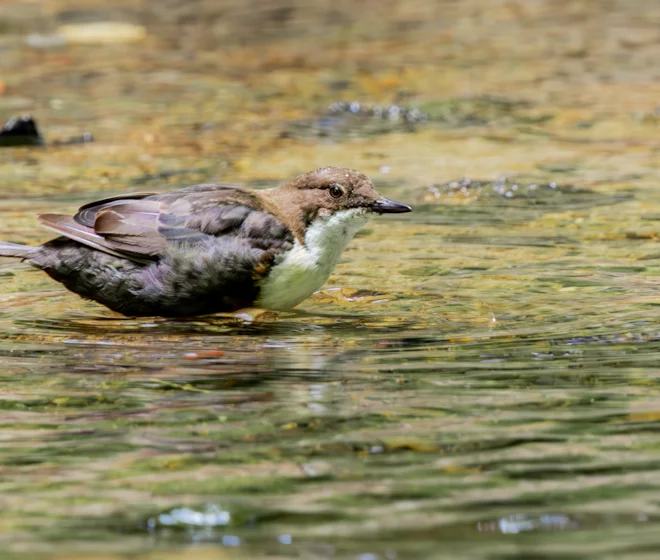
The Wye Valley is ideal for bird photography. The natural light near the river enhances photo quality. Quiet spots allow photographers to capture birds without disturbance. Early mornings and late afternoons provide soft, golden light. Use hides and blinds available at some sites to get close shots. Expect to photograph species like dippers, herons, and buzzards in action.
Birdwatching Tips
Birdwatching in Gloucestershire offers a chance to connect with nature in a quiet, rewarding way. To make the most of your time spotting feathered friends, a few simple tips can improve your experience. Paying attention to timing and gear will help you see more birds and enjoy your outing comfortably.
Best Time To Visit
Early mornings are usually the best time to catch birds when they are most active. The calm and cooler hours just after sunrise bring out a variety of species. You might notice the air filled with birdsong as you walk through woodlands or wetlands.
Season matters too. Spring and autumn attract migratory birds passing through Gloucestershire, offering a chance to spot rare or unusual species. Have you ever wondered why some birds seem to vanish in winter? Many move to warmer places, but others stay, making winter visits quieter but still rewarding.
Essential Gear
Comfort and preparation matter. Bring binoculars with good magnification to get clear views without disturbing the birds. A field guide or bird identification app on your phone can help you name the species you see, making the experience more satisfying.
Wear layers and waterproof clothing to stay comfortable in changing weather. Sturdy walking shoes will protect your feet on muddy paths or uneven ground. Don’t forget a notebook or voice recorder to jot down your observations—sometimes, you’ll spot something worth remembering.
Frequently Asked Questions
What Are The Best Birdwatching Spots In Gloucestershire?
Top birdwatching spots include Slimbridge Wetland Centre, Cotswold Water Park, and WWT Slimbridge. These sites host diverse bird species year-round.
When Is The Ideal Time To Watch Birds In Gloucestershire?
Spring and autumn offer the best birdwatching opportunities. Migratory birds pass through, and resident species are active during these seasons.
Which Rare Birds Can Be Seen In Gloucestershire?
You can spot bitterns, marsh harriers, and bearded tits. Gloucestershire is known for its diverse habitats attracting rare birds.
Are There Guided Birdwatching Tours Available In Gloucestershire?
Yes, several organizations offer guided tours. These tours enhance birdwatching with expert knowledge and help locate elusive species.
Conclusion
Gloucestershire offers many great spots to watch birds. You can enjoy peaceful walks in nature reserves and parks. Different birds appear in each season, making visits exciting. Bring binoculars and a notebook to spot and record birds. Watching birds helps you relax and connect with nature.
Plan trips to these places for fresh air and fun. Discover the beauty of Gloucestershire’s birdlife close to home.