
Have you ever wondered which birds take to the skies first when migration season begins? Understanding which birds migrate early can reveal surprising facts about nature’s timing and survival strategies.
You’ll discover the species that lead the migration race and why their early departure matters. Get ready to see the skies in a whole new way and learn how these feathered travelers set the stage for the seasons ahead. Keep reading—your next birdwatching adventure starts here.

Credit: www.natureswaybirds.com
Bird Migration Patterns
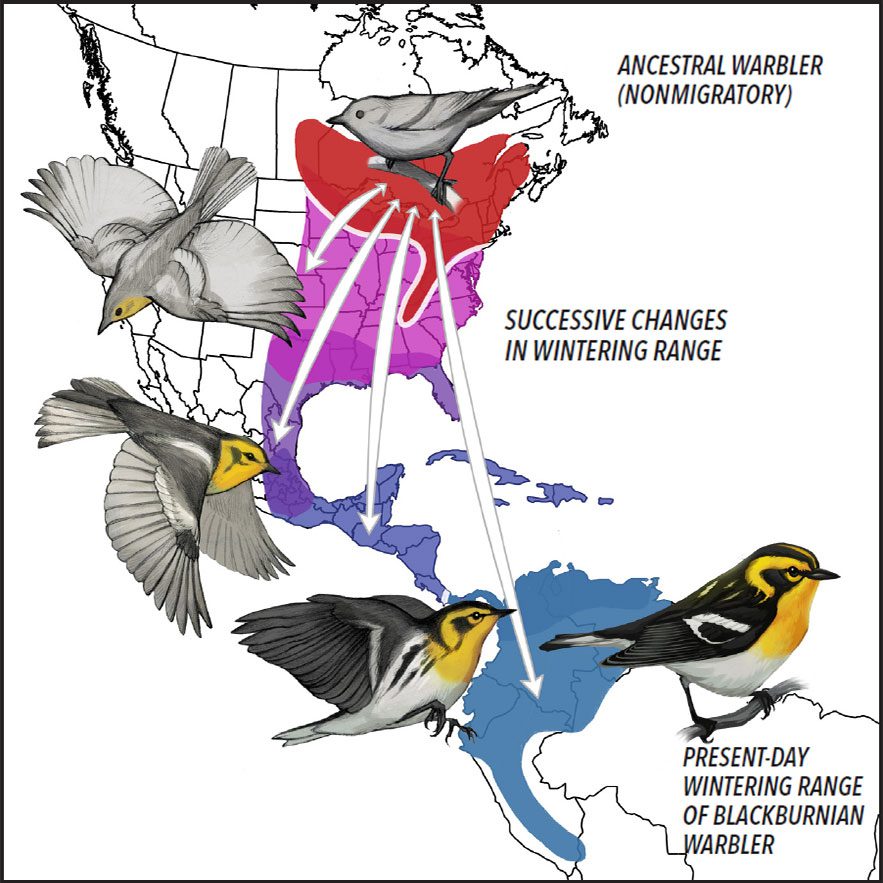
Bird migration patterns reveal which species travel first during seasonal changes. These patterns depend on factors like climate, food availability, and breeding needs. Birds follow specific routes and timings each year. Understanding these helps us know why some birds leave earlier than others.
Early Migrators And Their Reasons
Some birds start migration early to secure the best breeding spots. They need time to build nests and raise young. Early migrators often include small songbirds and waterfowl. These birds face risks like cold weather but gain advantages in territory and food.
Influence Of Temperature And Food Supply
Temperature changes signal birds to begin their journey. Food availability also guides migration timing. Birds follow insect hatches or plant growth cycles. Warm weather prompts early starters, while others wait for stable conditions.
Day Length And Internal Clocks
Birds sense day length changes using internal clocks. Longer or shorter days trigger hormonal changes. These changes prepare birds for flight and rest stops. Day length helps synchronize migration across species.
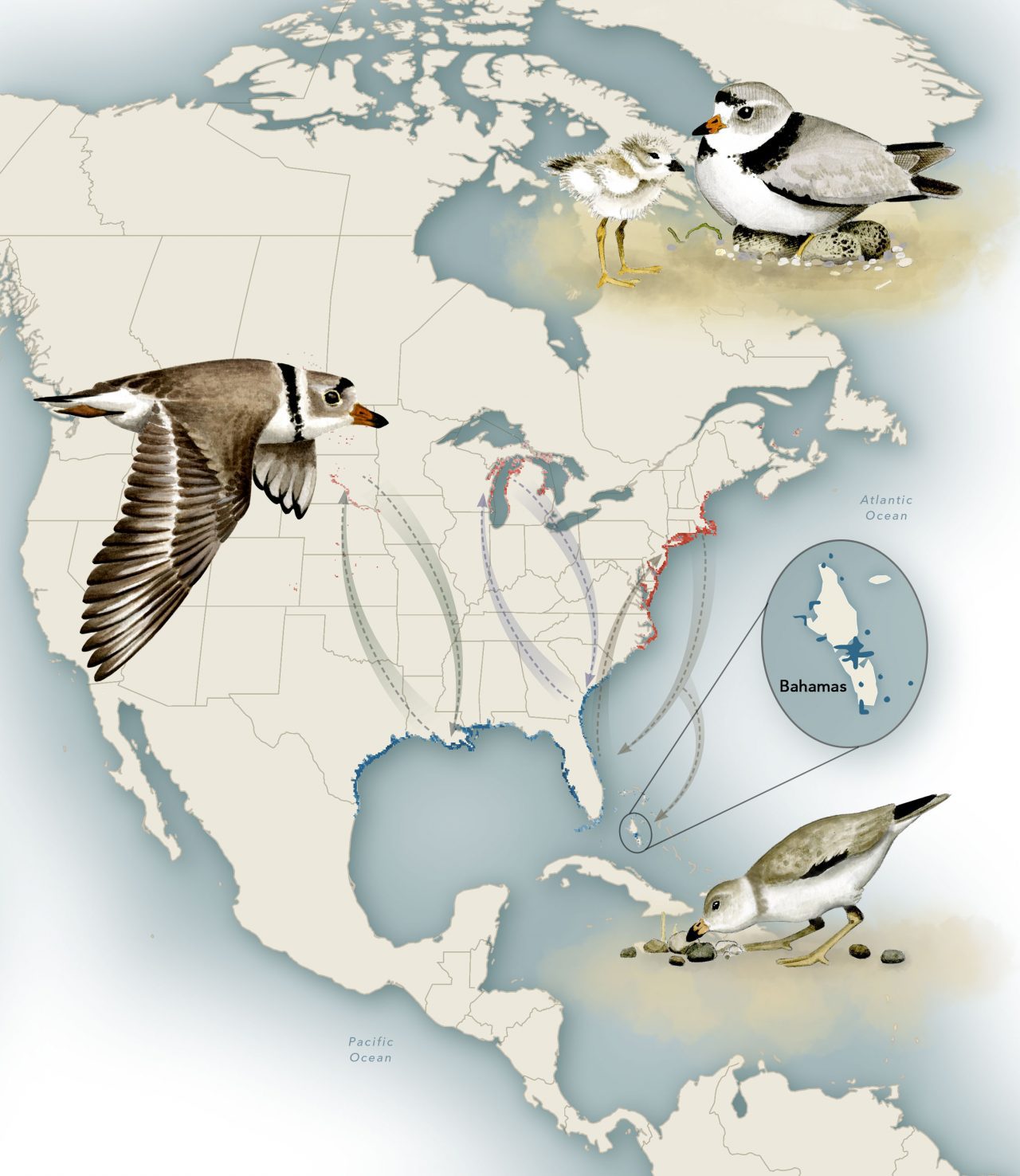
Migration Routes And Stopover Sites
Birds use traditional routes passed down through generations. Stopover sites provide rest and food during long flights. Early migrators may choose different routes to avoid harsh conditions. Safe stopovers increase chances of survival.

Credit: www.wildlifenomads.com
Factors Influencing Early Migration
Understanding why some birds take to the skies before others can reveal a lot about nature’s timing and survival strategies. Early migration isn’t random; it’s shaped by several critical factors that influence a bird’s decision to leave at just the right moment. Let’s look closely at what drives these early travelers.
Climate And Weather Conditions
Birds are incredibly sensitive to changes in climate and weather. Sudden drops in temperature or shifts in wind patterns often signal it’s time to move.
Strong tailwinds, for example, can give birds a boost, making early departure easier and more energy-efficient. Have you ever noticed how a clear, chilly morning might prompt flocks to form overhead? That’s nature’s cue, pushing some species to migrate ahead of others.
Food Availability
Food scarcity is a powerful motivator. When insects, seeds, or berries start to dwindle, birds know their survival depends on finding new sources.
Some birds begin their journey early because the food they rely on disappears faster than expected. Think about the warblers that feed on emerging insects — if those insects hatch early or get eaten quickly, the birds must follow suit and migrate sooner.
Breeding Cycles
Breeding schedules dictate migration timing more than you might think. Birds that nest early in the season often migrate first to secure the best territories and mates.
This early start gives them an edge in raising their young when food becomes abundant again. If you pay attention, you’ll see that species with tight breeding windows rarely linger; their migration is a race against time and competition.
Early Migrating Bird Species
Early migrating bird species begin their journey before most others. These birds respond to changes in daylight and temperature. They leave breeding grounds early to secure better habitats. Their early departure helps avoid harsh weather and scarce food.
Waterfowl And Shorebirds
Waterfowl like ducks and geese start migration early. Many leave northern lakes by late summer. Shorebirds also move early, traveling long distances. They stop at wetlands to rest and feed. Early travel ensures they reach warmer places before winter.
Songbirds
Small songbirds begin migrating soon after breeding. Some species like warblers and sparrows head out early. They often migrate at night to avoid predators. Early migration helps them find food and nesting sites. They rely on stored energy for long flights.
Raptors
Birds of prey such as hawks and eagles migrate early too. They use thermal air currents to soar long distances. Early migration helps them catch migrating prey. Raptors often travel alone or in small groups. Their strong flight skills support early travel.
Tracking Migration Timelines
Tracking migration timelines reveals which birds take to the skies first each season. Understanding these patterns helps you anticipate when to spot early migrators in your area. It also sheds light on how changing climates affect migration schedules, a crucial insight for bird lovers and conservationists alike.
Technological Advances
Technology has transformed how we track bird migration. Tiny GPS trackers and satellite tags now provide real-time data on bird movements. This means you can follow the journey of a single bird across continents.
Radars and automated recording stations add another layer of detail. They detect large flocks and record migration timing with precision. These tools give you a clearer picture of when species like swallows or warblers begin their travels.
Imagine knowing exactly when the first sandhill cranes leave their winter grounds. This kind of information wasn’t accessible just a decade ago. Technology makes migration timelines more accurate and easier to study.
Citizen Science Contributions
You don’t need expensive equipment to help track bird migrations. Citizen science projects invite you to record sightings and submit data online. Platforms like eBird collect millions of observations from everyday bird watchers worldwide.
This collective effort fills gaps in scientific data, especially in remote or less-studied areas. When you report an early sighting of a particular species, you contribute to a global timeline. It’s a rewarding way to connect with a larger community and support migration research.
Have you noticed birds arriving earlier or later than usual near your home? Sharing these observations can help detect shifts caused by climate or habitat changes. Your simple act of watching and reporting could influence conservation strategies.
Challenges Faced By Early Migrants
Early migrating birds face many challenges on their journey. Starting migration before others means they meet tough conditions. These challenges affect their survival and success.
Early migrants often travel when weather is still cold. Food sources may be scarce. Safe resting places might not be ready yet. These factors make their trip risky and hard.
Habitat Loss
Many birds rely on specific habitats for rest and food during migration. Habitat loss reduces these crucial spots. Urban growth, farming, and deforestation destroy natural areas.
Early migrants find fewer places to stop. This forces longer flights without rest. It increases exhaustion and lowers chances of survival.
Climate Change Impacts
Climate change alters weather patterns and seasons. Early migrants may leave at the wrong time. They might face storms, cold snaps, or lack of food.
Changing temperatures also shift the availability of insects and plants. Birds may arrive before food is ready. This mismatch affects their energy and breeding success.
Credit: www.allaboutbirds.org
Conservation Efforts
Conservation efforts play a vital role in protecting migratory birds. These birds face many challenges during their long journeys. Threats include habitat loss, climate change, and hunting. Protecting their routes and resting spots helps their survival. Many organizations and governments work hard to keep these birds safe. Their efforts focus on preserving habitats and promoting global cooperation.
Protected Areas And Reserves
Creating protected areas helps preserve critical habitats for migrating birds. These areas offer safe places to rest and feed. Wetlands, forests, and grasslands are common spots set aside for birds. Reserves limit human activities like farming, logging, and development. This reduces disturbance and habitat destruction. Many reserves also support scientific research and monitoring. This research guides better protection strategies.
International Cooperation
Migratory birds cross many countries during their journeys. Cooperation between nations is essential to protect these species. Treaties and agreements help coordinate conservation actions. Countries share data on bird populations and migration patterns. Joint efforts address threats like illegal hunting and habitat loss. International groups organize campaigns to raise awareness globally. Working together increases the chance of successful bird conservation.
Frequently Asked Questions
Which Birds Migrate First In Spring?
Swallows and geese are among the first birds to migrate in spring. They begin their journey early to reach breeding grounds on time.
Why Do Some Birds Migrate Earlier Than Others?
Early migrants leave to secure the best nesting sites and food sources. This timing helps them raise healthy offspring successfully.
How Do Birds Know When To Start Migrating?
Birds use environmental cues like daylight length and temperature changes to time migration. Internal biological clocks also guide their departure.
What Factors Influence The Timing Of Bird Migration?
Weather conditions, food availability, and genetic traits influence migration timing. Birds adjust their schedules to ensure survival and reproduction.
Conclusion
Bird migration starts with early travelers like swallows and geese. These birds sense changes in daylight and temperature. They leave before others to find food and safe places. Watching which birds migrate first helps us understand nature’s rhythms. Each species follows its own schedule, driven by survival.
Migration remains a fascinating, natural event every year. Keep observing, and you’ll notice these patterns too. Nature’s timing is precise and amazing.