

Are you curious about which birds are gearing up to take flight soon? Migration season is a fascinating time when many birds prepare to leave their homes and travel long distances.
Understanding which birds are ready for migration can help you spot these incredible travelers in your own backyard. You’ll discover the signs that show birds are getting ready to migrate and learn about some of the most common species making these amazing journeys.
Keep reading to uncover the secrets of bird migration and see how you can witness this natural wonder up close.
Credit: timesofindia.indiatimes.com
Seasonal Migration Patterns
Seasonal migration is a natural rhythm for many bird species. It helps birds survive harsh weather and find food. Birds travel from one place to another as seasons change.
Migration patterns differ by species and region. Some birds fly thousands of miles, while others move shorter distances. These journeys often follow consistent routes and timings.
Spring Migration
Spring migration happens as birds return to breeding grounds. They leave warmer areas to reach cooler, northern regions. This period is full of activity and movement.
- Birds seek mates and suitable nesting spots.
- Food becomes more abundant in spring habitats.
- Many songbirds and waterfowl migrate during this time.
Fall Migration
Fall migration occurs when birds head to warmer places. They avoid cold winters and scarce food supplies. This is often the longest migration season.
- Birds move south or to lower elevations.
- They build fat reserves before the journey.
- Species like geese, hawks, and warblers migrate in fall.
Factors Influencing Migration Timing
Several factors affect when birds begin migration. Weather changes, daylight length, and food availability play key roles. Birds use natural signals to start their trips.
- Shorter days signal approaching migration time.
- Temperature drops trigger movement in some species.
- Food scarcity pushes birds to seek new areas.
Common Migratory Birds
Many well-known birds follow seasonal migration patterns. Each species has unique habits and routes. Watching these birds helps understand nature’s cycles.
| Bird Species | Migration Distance | Typical Route |
|---|---|---|
| American Robin | Short to medium | North America, south to Mexico and southern U.S. |
| Canada Goose | Medium to long | Canada and northern U.S. to southern U.S. and Mexico |
| Arctic Tern | Very long | Arctic to Antarctic and back annually |
| Swainson’s Thrush | Long | North America to Central and South America |

Credit: timesofindia.indiatimes.com
Factors Influencing Bird Migration
Bird migration depends on many factors. These elements help birds decide when to leave and where to go. Understanding these factors reveals how birds prepare for their long journeys.
Changes in the environment signal birds to start migrating. These signs include weather shifts and food availability. Birds sense these changes and respond by moving to safer, warmer places.
Daylight LengthDaylight length, or photoperiod, affects bird migration. Birds use the amount of daylight to know the season. Shorter days in fall tell birds to head south. Longer days in spring signal them to return north.
Temperature ChangesTemperature plays a key role in bird migration. Cold weather makes food harder to find. Birds leave cold places to find warmer areas with more food. Warmer temperatures also encourage breeding in spring.
Food AvailabilityFood sources influence migration timing. When food becomes scarce, birds prepare to leave. Insects, seeds, and fruits are crucial for their energy. Birds follow food supplies along their migration routes.
Genetic InstinctsBirds inherit migration patterns from their parents. These instincts guide them on when and where to travel. Young birds learn routes by following experienced adults. Genetics ensure migration continues across generations.
Weather PatternsWeather conditions affect migration safety and success. Birds avoid storms and strong winds. Favorable winds help birds save energy during flight. Birds wait for good weather before starting long trips.
Top Migratory Bird Species
Migration is a fascinating journey for many bird species, signaling a change in seasons and a shift in habitats. Understanding which birds are ready for migration helps you appreciate the natural world around you and spot these travelers on their epic routes. Here’s a look at some of the top migratory bird species you might encounter during migration seasons.
Songbirds On The Move
Songbirds are among the most colorful and vocal migrants. Species like the American Redstart and the Blackpoll Warbler travel thousands of miles, often flying at night to avoid predators. Watching these tiny travelers can be tricky, but if you listen closely during dawn or dusk, you might catch their melodic calls.
Have you ever noticed how some songbirds seem to vanish from your backyard suddenly? That’s migration in action. Their timing is precise, often triggered by changes in daylight and temperature, ensuring they arrive at their destinations when food is abundant.
Waterfowl Taking Flight
Ducks, geese, and swans are classic examples of waterfowl that migrate. The Canada Goose, for instance, is known for its distinct V-formation flights. This formation helps conserve energy, allowing the flock to cover long distances together.
Waterfowl usually head to warmer wetlands where they can find food and safe nesting spots. If you live near lakes or rivers, you might spot flocks gathering before their big journey—an impressive sight that signals the changing seasons.
Raptors In Migration
Birds of prey like hawks, eagles, and falcons also participate in migration. The Broad-winged Hawk is famous for its massive migration, forming kettles—large groups circling on thermal air currents. Watching these kettles can be thrilling and a reminder of nature’s complexity.
Raptors often rely on thermal updrafts to glide long distances without flapping much, conserving their energy. Spotting these majestic birds requires patience, but their soaring flight offers a powerful spectacle you won’t forget.
Iconic Migratory Birds
Migratory birds inspire awe with their long-distance travels. They cross continents and oceans. These journeys show nature’s power and beauty. Many species prepare for migration as seasons change. They gather energy and navigate using the sun, stars, and Earth’s magnetic field.
Some birds stand out for their remarkable migration patterns. These iconic migratory birds capture attention worldwide. Their travels are not only long but also full of challenges. They symbolize survival and endurance in the animal kingdom.
The Arctic Tern’s Epic Journey
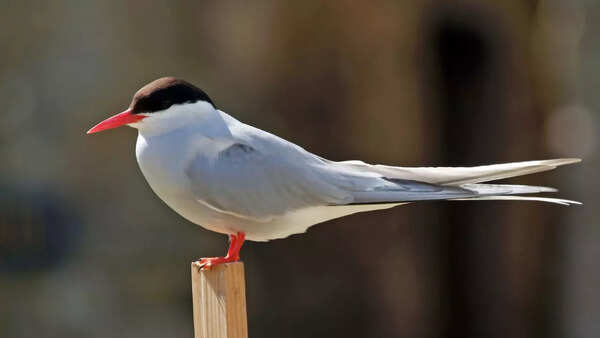
The Arctic Tern holds the record for the longest migration. It flies from the Arctic to the Antarctic and back each year. This bird travels around 25,000 miles annually. It experiences two summers, gaining more daylight than any other animal.
Arctic Terns have streamlined bodies and strong wings. These features help them fly vast distances. They feed on fish and small marine creatures during stops. Their journey is an amazing example of endurance and navigation skills.
The Monarch-like Monarch Butterfly
Although not a bird, the Monarch butterfly is famous for migration. It travels thousands of miles across North America. Monarchs fly from Canada and the United States to Mexico. This journey helps them escape cold winters.
Monarchs use air currents and thermal columns to glide. They rely on environmental cues for direction. Their migration is a delicate process, involving several generations. Each generation continues the journey started by the previous one.
Tracking Migration Routes
Tracking migration routes opens a window into the incredible journeys birds take each year. Understanding these paths helps you appreciate the challenges birds face and the habitats they rely on along the way. It also guides conservation efforts to protect critical stopover sites.
Technological Advances In Tracking
Technology has transformed how we follow migratory birds. Tiny GPS trackers now fit on even small songbirds, sending real-time data on their location.
These devices reveal precise routes, flight speeds, and resting spots. For example, tracking data showed how some Arctic terns fly thousands of miles nonstop over oceans.
Have you ever wondered how a bird navigates across vast, featureless seas? GPS and satellite tags help answer that by mapping their exact flight paths.
Citizen Science Contributions
You don’t need expensive equipment to help track migration. Citizen scientists play a huge role by reporting bird sightings through apps and websites.
Platforms like eBird gather millions of observations, creating detailed migration maps. Your backyard birdwatching could contribute valuable data to scientists worldwide.
Imagine the power of thousands of people sharing when and where they see migratory birds. This collective effort fills gaps that technology alone can’t cover.
Threats To Migratory Birds
Migratory birds face many dangers during their long journeys. These threats affect their survival and the health of ecosystems. Understanding these challenges helps protect bird populations and their habitats.
Habitat Loss Challenges
Many migratory birds lose places to rest and feed. Urban growth and farming destroy wetlands and forests. Without safe stopovers, birds cannot refuel or shelter. This leads to lower survival rates during migration.
Pollution also damages habitats. Chemicals in water and soil harm insects and plants birds rely on. Noise and light pollution confuse birds, causing disorientation.
Climate Change Impacts
Changing weather patterns alter bird migration timing. Birds may arrive too early or late for food availability. This mismatch reduces their chance to breed and survive.
Rising temperatures shift habitats northward or to higher altitudes. Some birds cannot adapt quickly enough. Extreme weather events like storms and droughts increase during migration seasons. These events cause exhaustion and death.
Conservation Efforts For Migratory Birds
Migratory birds face many threats during their long journeys. Habitat loss, climate change, and hunting put their survival at risk. Conservation efforts play a crucial role in protecting these birds. These efforts involve global cooperation and local action to ensure safe migration routes.
International Treaties And Agreements
Countries work together through treaties to protect migratory birds. These agreements set rules to preserve habitats and prevent hunting. They promote sharing of data about bird migration patterns. Key treaties include the Migratory Bird Treaty Act and the Convention on Migratory Species. These laws help create safe zones and protect important stopover sites.
Community-based Conservation Initiatives
Local communities often lead conservation projects for migratory birds. They protect wetlands, forests, and other habitats. People learn how to reduce threats like pollution and disturbance. Community efforts include building bird-friendly spaces and monitoring bird populations. These projects raise awareness and involve locals in bird protection. Small actions by many can make a big difference.
How To Observe Migratory Birds
Observing migratory birds is an exciting way to connect with nature and witness incredible journeys firsthand. It takes some patience and the right timing, but once you spot those flocks in motion, the experience is unforgettable. Let’s talk about how you can make the most of your birdwatching adventures during migration season.
Best Times For Birdwatching
Early mornings are often the best time to see migratory birds. They tend to be most active just after sunrise when they rest and feed. Try to arrive at your chosen spot before dawn for the best chance to catch their arrival.
Season matters, too. Spring and fall are peak migration periods, with many species moving between breeding and wintering grounds. Watching during these months increases the variety of birds you can see.
Weather also plays a role. Calm, clear days make it easier to spot birds flying or perched. After storms, you might find tired birds resting, offering closer views.
Top Locations For Spotting
- Wetlands and Marshes:These areas attract waterfowl and shorebirds. Places like coastal estuaries or inland marshes offer great viewing opportunities.
- Forests and Woodlands:Many songbirds pass through these habitats. Look for wooded trails and parks that provide shelter and food.
- Open Fields and Meadows:Hawks and other raptors often soar over open spaces searching for prey. These spots give you wide views of the sky.
- Migration Hotspots:Some locations are famous for migration, like Cape May in New Jersey or Point Pelee in Canada. These spots gather huge numbers of birds, making sightings more frequent.
When I first visited a coastal marsh during spring migration, I was amazed by the variety of species feeding just a few feet away. It made me realize how important location is for birdwatching success. Which nearby areas have you thought about exploring for migration?

Credit: blog.henrys.com
Frequently Asked Questions
What Birds Are Ready For Migration In Spring?
Many songbirds like warblers, swallows, and orioles prepare to migrate in spring. They leave wintering grounds for breeding areas. These birds sense changes in daylight and temperature, triggering migration instincts.
How Do Birds Know When To Start Migrating?
Birds rely on daylight length, temperature, and internal biological clocks. These cues help them time migration to find food and suitable breeding habitats.
Which Birds Migrate Longest Distances?
Arctic terns and bar-tailed godwits fly thousands of miles between breeding and wintering grounds. Their long migrations ensure survival and reproductive success.
What Signs Show Birds Are Ready To Migrate?
Increased feeding, restlessness, and flocking behavior indicate migration readiness. Birds accumulate fat reserves to fuel their long journeys.
Conclusion
Birds prepare carefully before migration. They eat more and rest well. Some birds fly at night, others during the day. Migration helps them find food and better weather. Watching migrating birds can be exciting and educational. Each species has its own timing and route.
Nature’s cycle of migration continues every year. Stay curious and enjoy the wonder of bird journeys.