

Have you ever wondered when hummingbirds flutter through the Florida Keys? If you love watching these tiny, colorful birds, knowing their migration times can make your experience unforgettable.
Imagine catching a glimpse of their rapid wings and vibrant feathers right in your backyard or on a sunny stroll. You’ll discover exactly when hummingbirds pass through the Keys and how to spot them like a pro. Keep reading—you’re about to unlock the secret timing of one of nature’s most fascinating travelers.
Hummingbird Migration Patterns
Hummingbird migration patterns reveal fascinating details about these tiny travelers. Understanding their movements through the Florida Keys offers valuable insights for bird watchers and nature lovers. You’ll notice their timing and routes vary, influenced by weather and food availability.
Seasonal Timelines
Hummingbirds typically pass through the Florida Keys twice a year. In spring, they migrate northward from late March to early May. In fall, their journey south begins around late August and continues through November.
During these periods, you can spot increased activity as hummingbirds stop to refuel. Timing your visits to coincide with these windows boosts your chances of witnessing their vibrant displays. Have you noticed a sudden surge in hummingbird visits during these months?
Geographical Routes
The Florida Keys serve as a crucial stopover along hummingbirds’ migration paths. They follow the coastline, using the Keys as rest points before crossing the Gulf of Mexico or continuing along the Atlantic Flyway.
These routes aren’t just random; they align with food sources and safe resting spots. You might observe hummingbirds favoring certain islands with abundant flowering plants. What local spots have you found hummingbirds flock to repeatedly?

Credit: www.birdwatchingdaily.com
Factors Influencing Migration
Hummingbird migration through the Florida Keys doesn’t happen randomly. Several key factors influence when these tiny travelers decide to pass through this unique region. Understanding these can help you predict their arrival and appreciate the complexity behind their journey.
Climate And Weather
Temperature changes play a major role in hummingbird migration timing. As the weather cools in their northern breeding grounds, hummingbirds sense it’s time to move south.
Storms and wind patterns can either speed up or delay their travel. I once noticed a sudden drop in hummingbird visits after a cold front hit the Keys, proving just how sensitive they are to weather shifts.
Do you pay attention to local weather changes during migration season? It might give you clues about when hummingbirds will show up in your area.
Availability Of Food Sources
Hummingbirds need a steady supply of nectar to fuel their long flights. The blooming cycles of flowers in the Florida Keys can directly affect when hummingbirds arrive.
If flowers bloom early due to a warm spell, hummingbirds may come sooner. But if nectar sources are scarce, they might skip the area or arrive later than usual.
Planting nectar-rich flowers or maintaining feeders can make a difference. Have you noticed more hummingbirds visiting when you add fresh blooms or feeders in your garden?
Key Migration Periods
Hummingbirds travel through the Florida Keys during specific times each year. These times are called key migration periods. Knowing these periods helps bird watchers and nature lovers see hummingbirds in action. The two main migration times are spring and fall. Each has its own pattern and timing.
Spring Migration
Spring migration usually happens from late February to early May. Hummingbirds fly north to find warmer places and food. The Florida Keys serve as a resting spot during this journey. Birds stop here to eat nectar and regain energy. This migration is crucial for their survival and breeding success.
Many species, including Ruby-throated Hummingbirds, pass through the Keys. The warmer weather and blooming flowers make it a perfect stop. Watching hummingbirds during this time shows their bright colors and fast movements.
Fall Migration
Fall migration takes place from late July to early November. During this time, hummingbirds travel south to warmer climates. The Florida Keys provide shelter and food before they continue their journey. This migration is longer and less predictable than spring.
Birds may stay in the Keys for several days. They rest and build up energy for the trip over the Gulf of Mexico. Fall migration brings a mix of young and adult hummingbirds. Observing them offers a glimpse of their endurance and survival skills.
Hummingbirds In The Florida Keys
Hummingbirds add vibrant life to the Florida Keys. These tiny birds are famous for their bright colors and rapid wing beats. They visit the Keys during migration and sometimes stay year-round. The warm climate and rich flowers make the Keys a perfect stop for these birds. Many bird watchers enjoy spotting hummingbirds in this tropical setting.
Common Species
- Ruby-throated Hummingbird: The most common visitor in spring and fall.
- Black-chinned Hummingbird: Seen occasionally during migration.
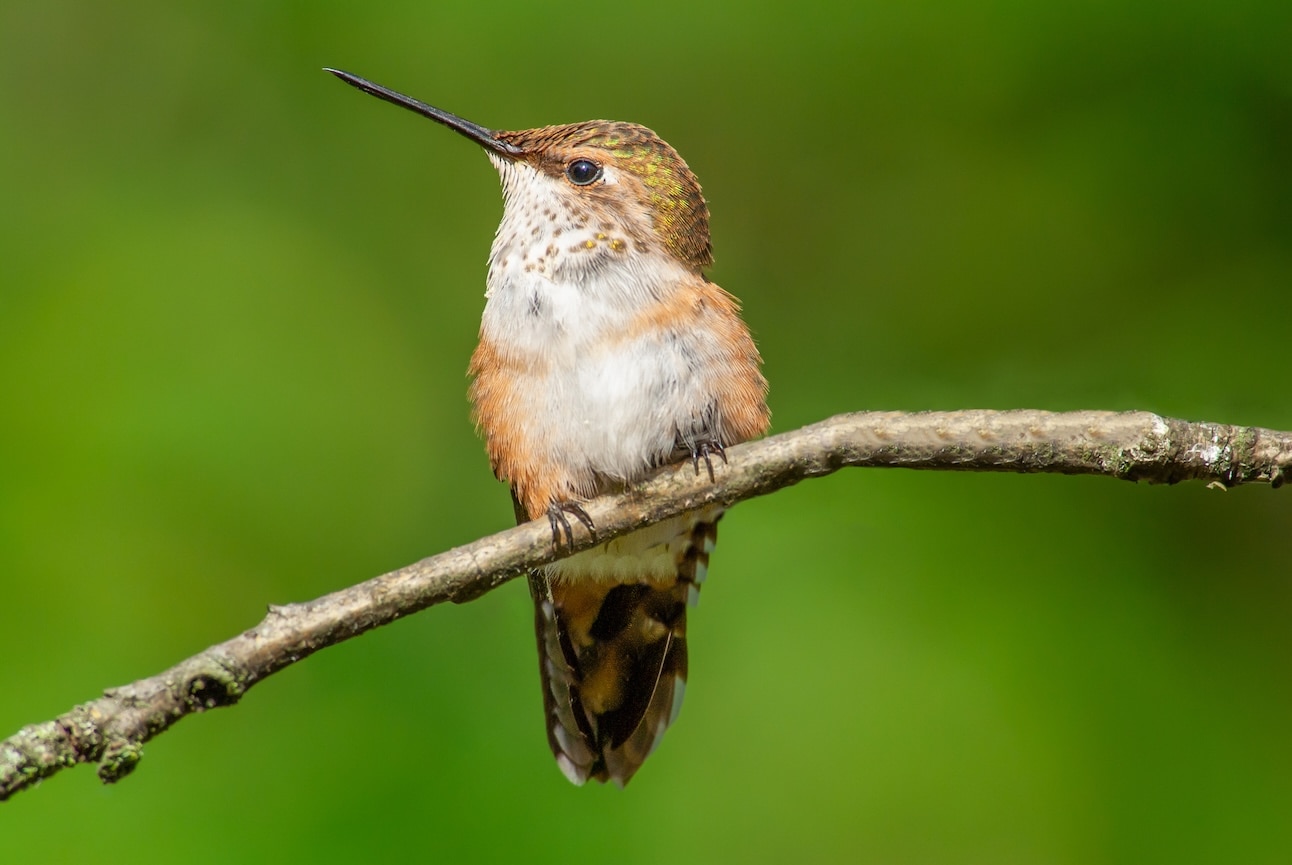
- Rufous Hummingbird: Known for its fiery orange color, found during fall.
- Buff-bellied Hummingbird: A rare but regular winter visitor.
Peak Sighting Times
Hummingbird activity peaks during migration seasons. Spring migration runs from March to May. Fall migration occurs from August to October. Early mornings offer the best chances to see them. Flowers bloom brightly during these times, attracting many hummingbirds.
Best Locations For Birdwatching
Finding the best locations for birdwatching in the Florida Keys can transform your hummingbird migration experience. The Keys offer a unique blend of coastal habitats, gardens, and parks that attract a variety of hummingbirds during their migration. Knowing where to go can save you time and increase your chances of spotting these vibrant birds up close.
Popular Observation Spots
Several spots in the Florida Keys stand out for hummingbird watching. One favorite is the Key West Botanical Garden, where lush plants attract hummingbirds throughout the migration season. Another is Long Key State Park, known for its peaceful trails and abundant native flowers that serve as natural feeders.
Don’t overlook the Curry Hammock State Park; its mangrove forests and open spaces create excellent birdwatching opportunities. At Bahia Honda State Park, you’ll find clear views and plenty of perching spots. These locations are accessible and often provide quiet settings, which helps you observe without disturbing the birds.
Tips For Successful Birdwatching
Timing matters—early mornings or late afternoons usually offer the best chances to see hummingbirds active and feeding. Bring binoculars or a camera with a zoom lens to get close without scaring them away. Carry a field guide or use a bird identification app to help you recognize different species during migration.
Wear neutral-colored clothing to blend into the surroundings and avoid sudden movements. Setting up near flowering plants or feeders can increase your sightings, but patience is key—sometimes the birds take a while to appear. Have you considered keeping a journal to track your sightings and note the patterns you observe?
Credit: www.chewy.com
Conservation Efforts
Conservation efforts play a key role in protecting hummingbirds during their migration through the Florida Keys. These small birds face many challenges on their journey. Protecting their habitats and supporting their migration routes helps keep their populations healthy and strong.
Protecting Habitats
Hummingbirds need safe places to rest and feed. Preserving native plants and flowers in the Florida Keys provides vital nectar sources. Conservation groups work to stop habitat loss caused by development and pollution.
Local parks and reserves act as safe havens. These areas offer shelter and food during migration. Planting native flowers and avoiding pesticides also helps create a hummingbird-friendly environment.
Supporting Migration
Migration is a tough journey for hummingbirds. Conservation efforts include setting up feeding stations along their path. These stations give energy boosts with sugar water, helping birds survive long flights.
Volunteers monitor hummingbird numbers and health during migration. Data collected guides future conservation plans. Public education encourages people to create gardens that attract and support hummingbirds.
How To Support Hummingbirds
Supporting hummingbirds during their migration through the Florida Keys helps these tiny birds thrive. Creating safe and welcoming spaces encourages them to rest and refuel. Simple actions in your garden or yard can make a big difference in their journey.
Creating A Bird-friendly Environment
Plant native flowers that produce nectar. Choose bright colors like red, orange, and pink. These attract hummingbirds easily. Provide fresh water sources such as shallow dishes or misters. Avoid using pesticides that harm insects hummingbirds eat. Leave some natural areas with shrubs and trees for shelter. Keep cats and other predators away from feeding spots. These steps create a safe haven for hummingbirds to rest and feed.
Feeding Tips
Use feeders with a simple sugar water mix. The ideal ratio is four parts water to one part sugar. Boil the water first and cool it before filling feeders. Avoid red dye, as it can be harmful. Clean feeders every few days to prevent mold and bacteria. Place feeders in shaded areas to keep nectar fresh. Change nectar frequently, especially in hot weather. Offer multiple feeders if possible to reduce competition and stress among birds.

Credit: www.birdwatchingdaily.com
Frequently Asked Questions
When Do Hummingbirds Start Migrating Through Florida Keys?
Hummingbirds typically begin migrating through the Florida Keys in late summer, around August. This migration continues until early fall, usually October, as they travel to warmer regions.
What Species Of Hummingbirds Migrate Through Florida Keys?
Ruby-throated hummingbirds are the most common species migrating through the Florida Keys. Occasionally, other species like Rufous hummingbirds may also be seen during migration.
Why Do Hummingbirds Migrate Through The Florida Keys?
Hummingbirds migrate through the Florida Keys to find warmer climates and abundant food sources. The Keys serve as a crucial stopover on their journey to Central and South America.
How Long Does Hummingbird Migration Last In Florida Keys?
The hummingbird migration in the Florida Keys lasts about two to three months. It typically spans from late August to early November, depending on weather and food availability.
Conclusion
Hummingbirds pass through the Florida Keys mainly in spring and fall. They travel to find food and warmer places. Watching them is a special experience for bird lovers. These tiny birds show nature’s amazing journeys each year. Knowing their migration times helps you plan visits or birdwatching trips.
The Florida Keys become a lively stop for these colorful visitors. Their movement reminds us how connected we are to nature’s cycles. Keep an eye out during these months for a glimpse of hummingbird magic.