
Have you ever wondered where yellowthroat birds go when the seasons change? These small, vibrant birds don’t just stay put—they travel to places that help them survive and thrive.
If you’re curious about their migration routes and why they choose certain destinations, this article is for you. Understanding where yellowthroats migrate to can deepen your connection with nature and make your birdwatching experiences even more exciting. Keep reading to discover the fascinating journey of yellowthroat birds and what it means for the world around you.
Yellowthroat Birds Overview
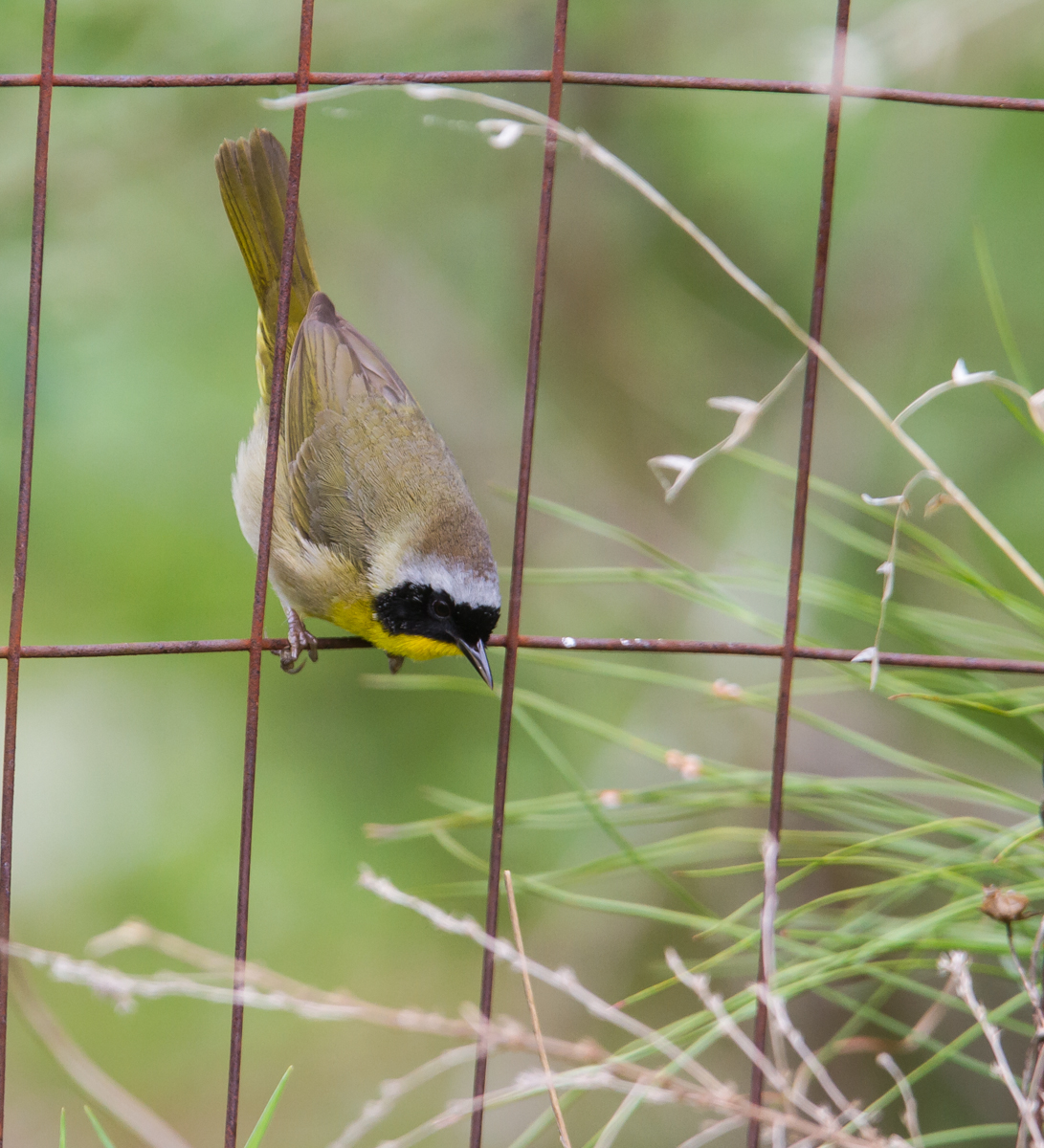
The yellowthroat bird is a small songbird found mainly in North and Central America. It is known for its bright yellow chest and distinctive black mask. These birds are active and often seen flitting through thick shrubs and marshes. They use their clear, sharp songs to communicate and mark territory.
Yellowthroats are part of the warbler family. They prefer wet habitats like swamps, marshes, and wet woodlands. Their diet mainly includes insects and spiders. These birds play an important role in controlling insect populations.
Physical Characteristics Of Yellowthroat Birds
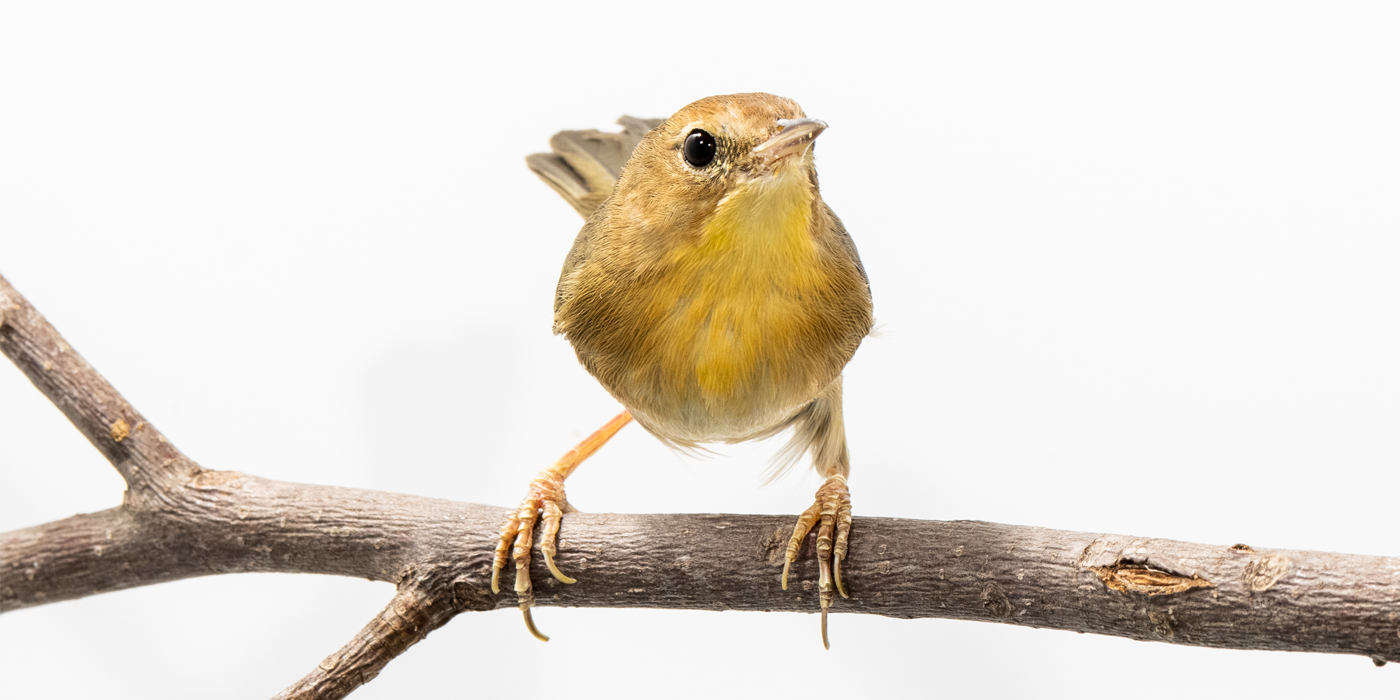
Yellowthroats are small, about 5 inches long. They have olive-green backs and bright yellow underparts. Males show a black mask across the eyes, bordered with white or gray. Females have a duller face without the mask.
Habitat And Distribution
Yellowthroat birds live in wet areas. They are common in marshes, wetlands, and shrubby fields. Their range covers much of the United States, Mexico, and parts of Central America. Some species also live in the Caribbean and South America.
Behavior And Diet
These birds are active and secretive. They search for food low in bushes or near water. Their diet consists mostly of insects, caterpillars, and spiders. They catch prey by gleaning leaves or flying short distances.
Migration Patterns Of Yellowthroat Birds
Yellowthroat birds have unique migration habits. They travel long distances between breeding and wintering areas. Their movement depends on the season and weather conditions. These patterns help them survive cold months and find food easily.
Understanding where yellowthroats migrate reveals their survival strategies. Their routes cover various regions in North and Central America. These birds often prefer wetlands, marshes, and shrubby areas during migration.
Spring Migration Routes
In spring, yellowthroats fly north to breed. They leave southern winter homes and head to the United States and Canada. Their journey often follows river valleys and forest edges. These areas provide food and shelter during travel.
Fall Migration Destinations
In fall, yellowthroats return south to warmer climates. They migrate to Mexico, Central America, and the southern U.S. These places offer mild weather and abundant insects. Migration usually starts in late summer and lasts through fall.
- Temperature changes trigger migration timing.
- Food availability guides their travel paths.
- Day length signals when to start moving.
- Weather events can alter their routes.
- Age and health affect migration success.
Rest Stops And Habitats
Yellowthroats use wetlands and dense shrubs to rest. These habitats provide safety and food. Frequent stops help birds regain energy. Conserving these areas is vital for their survival.
Factors Influencing Migration
Understanding the factors that influence yellowthroat birds’ migration helps you appreciate their remarkable journey. These tiny birds don’t migrate randomly; their movement depends on several key elements that affect their survival and reproduction. Let’s look closely at what drives these birds to leave one place and head to another.
Climate And Weather
Yellowthroats are sensitive to changes in climate and weather. As temperatures drop in their breeding grounds, they instinctively move to warmer areas to avoid harsh conditions. Sudden storms or prolonged cold spells can trigger early migration, pushing the birds to seek safer, more stable environments.
Have you noticed how some years yellowthroats migrate earlier than usual? This shows how weather patterns directly impact their timing and routes. Your local weather changes might influence when and where you spot these birds during their migration.
Food Availability
Food is a major reason why yellowthroat birds migrate. Their diet mainly consists of insects, which become scarce in colder months. As food supplies dwindle, the birds move to areas where insects are still abundant, ensuring they have enough energy for the journey and survival.
If you want to attract yellowthroats to your garden, consider planting native plants that support insect life. This simple action can create a mini food source and possibly delay their migration in your area. It’s a clear example of how food availability shapes their travel plans.
Breeding Needs
The need to reproduce drives yellowthroats to specific breeding grounds. These birds prefer dense vegetation near water to build nests and raise their young. Migration helps them reach these ideal breeding habitats at the right time of year.
You might wonder why yellowthroats don’t breed where they spend the winter. It’s because the winter habitats lack the safe nesting sites and abundant resources necessary for raising chicks. This shows how breeding needs strongly influence their migration destinations and schedules.

Credit: roadsendnaturalist.com
Common Winter Destinations
Yellowthroat birds travel to warmer areas during winter. Their migration helps them find food and survive cold months. These birds prefer places with plenty of water and thick plants for shelter. Many yellowthroats follow common paths to specific winter spots.
Central America
Central America is a top winter home for yellowthroats. Countries like Mexico, Guatemala, and Costa Rica offer warm climates and rich wetlands. These areas have many insects, the yellowthroat’s main food. Dense shrubs and marshes provide good hiding spots from predators. Yellowthroats often stay near rivers and lakes in this region.
Caribbean Islands
The Caribbean Islands attract many yellowthroats during winter. Islands such as Cuba, Puerto Rico, and Jamaica have warm weather year-round. These islands have mangroves and thick bushes where yellowthroats can rest. The abundance of insects makes the islands perfect for feeding. The birds benefit from fewer cold snaps and steady food supply.
Southern United States
Some yellowthroats spend winter in the southern United States. States like Florida, Texas, and Louisiana offer mild winters and wet habitats. Swamps and marshes in these states support many insects. Yellowthroats find shelter in thick grasses and shrubs. This area acts as a bridge between their breeding grounds and tropical winter homes.
Lesser-known Migration Spots
Yellowthroat birds do not only migrate to well-known areas. They also travel to less obvious places. These lesser-known spots offer safe shelter and food during migration. They show how adaptable yellowthroats are in finding suitable habitats.
Unexpected Coastal Areas
Yellowthroats sometimes stop at coastal regions not famous for bird migration. These areas have thick marshes and reeds. The birds use these spots to rest and find insects. Coastal wetlands provide food and protection from predators.
Urban Environments
Surprisingly, yellowthroats can be found in city parks and gardens. These urban green spaces offer bushes and small trees. The birds find insects and shelter here. Cities with water bodies like ponds attract migrating yellowthroats.
Protected Wildlife Reserves
Many yellowthroats choose protected wildlife reserves as stopover sites. These reserves maintain natural habitats and food sources. They offer a safe refuge during long migrations. Conservation efforts help keep these places ideal for yellowthroats.
Challenges During Migration
Yellowthroat birds face many challenges during their long migration journeys. These obstacles affect their survival and ability to reach safe destinations. Understanding these challenges helps us protect them better.
Habitat Loss
Many yellowthroat birds lose their homes due to human activities. Forests and wetlands are cleared for farming and buildings. Without safe places to rest or find food, their migration becomes harder. Habitat loss reduces their chances of survival.
Climate Change Effects
Changing weather patterns confuse yellowthroat birds. Temperature shifts can alter the timing of migration. Rainfall changes affect food availability along the route. Birds may arrive too early or too late, missing important resources. Climate change creates unpredictable conditions for their journey.
Predator Risks
During migration, yellowthroats face many predators. Hawks, snakes, and other animals hunt them along the way. Birds are often tired and vulnerable. Predators take advantage of this weakness. High predator risks increase the danger of migration.
Conservation Efforts
Conservation efforts play a vital role in protecting yellowthroat birds during their migration. These birds face many challenges, including habitat loss and climate change. Conservation work helps ensure safe migration routes and healthy environments. It also supports breeding and wintering grounds to maintain strong populations.
Preservation Initiatives
Many organizations focus on preserving wetlands and marshes. These areas are crucial habitats for yellowthroats. Efforts include restoring damaged wetlands and preventing pollution. Protecting these habitats provides food and shelter during migration. Preservation also involves monitoring bird populations to track their health.
Community Involvement
Local communities join conservation by creating bird-friendly spaces. They plant native vegetation and reduce pesticide use. People also participate in bird counts and habitat clean-ups. Education programs raise awareness about yellowthroat needs. Community actions help create safe stops along migration paths.
International Cooperation
Yellowthroat birds migrate across many countries and borders. International agreements help protect these birds on a larger scale. Countries share data and coordinate habitat protection efforts. Collaboration ensures that migration routes remain safe. This teamwork is key to the birds’ survival during migration.
Credit: roadsendnaturalist.com
Observing Yellowthroat Migrations
Observing Yellowthroat migrations offers a unique chance to witness the vibrant movement of these small, energetic birds. Their seasonal journeys connect breeding and wintering grounds, revealing patterns shaped by climate and habitat. Watching these migrations can deepen your appreciation for nature’s rhythms and sharpen your birdwatching skills.
Best Times To Spot
The peak migration periods for Yellowthroats are during spring and fall. In spring, they head north to breed, usually from March through May. Come fall, from August to October, they travel south to warmer winter habitats.
Early mornings during these months provide the best light and activity for spotting. Have you noticed how bird activity often increases just after sunrise? This is prime time for watching Yellowthroats on the move.
Recommended Viewing Locations
Look for Yellowthroats near marshes, wetlands, and dense shrub areas where they thrive. Coastal regions and riverbanks often serve as important stopover sites during migration. National wildlife refuges and state parks with these habitats are excellent places to plan your visits.
Places like the Chesapeake Bay area or Florida’s Everglades are hotspots for observing Yellowthroat movements. Have you checked local birding groups for recent sightings? They can guide you to the most active locations.
Birdwatching Tips
- Use binoculars with a wide field of view:Yellowthroats are quick and dart through thick vegetation.
- Wear neutral-colored clothing:This helps you blend into natural surroundings and avoid startling birds.
- Move slowly and quietly:Sudden movements can scare Yellowthroats away before you get a good look.
- Learn their calls:Recognizing the distinctive “wichity-wichity” song will help you locate them even when they are hidden.
- Keep a journal or use a birding app:Tracking your sightings enhances your understanding of migration patterns over time.
Have you ever tried mimicking bird calls to attract them closer? It’s a subtle technique that can sometimes bring Yellowthroats into clearer view.
Credit: nationalzoo.si.edu
Frequently Asked Questions
Where Do Yellowthroat Birds Migrate During Winter?
Yellowthroat birds migrate south to warmer regions in winter. They mainly move to Central America and northern South America to avoid cold temperatures and find abundant food.
How Far Do Yellowthroat Birds Travel In Migration?
Yellowthroat birds travel varying distances, often several hundred miles. Their migration depends on the subspecies and climate, with some flying from North America to Central America.
When Do Yellowthroat Birds Start Their Migration?
Yellowthroat birds usually begin migration in late summer or early fall. They leave breeding grounds as temperatures drop and food becomes scarce, ensuring survival in warmer areas.
Do Yellowthroat Birds Return To The Same Place Annually?
Yes, yellowthroat birds exhibit site fidelity, returning to familiar breeding and wintering sites each year. This behavior helps them find safe habitats and resources easily.
Conclusion
Yellowthroat birds travel to warmer places during cold months. They move south to find food and safe homes. These birds prefer wetlands and marshes for resting. Migration helps them survive and stay healthy. Watching their journey shows nature’s amazing cycles.
Understanding where they go helps protect their habitats. Keep an eye out during migration seasons. It’s a chance to see yellowthroats in new places. Their travel reminds us how connected life is. Nature depends on these small travelers too.