
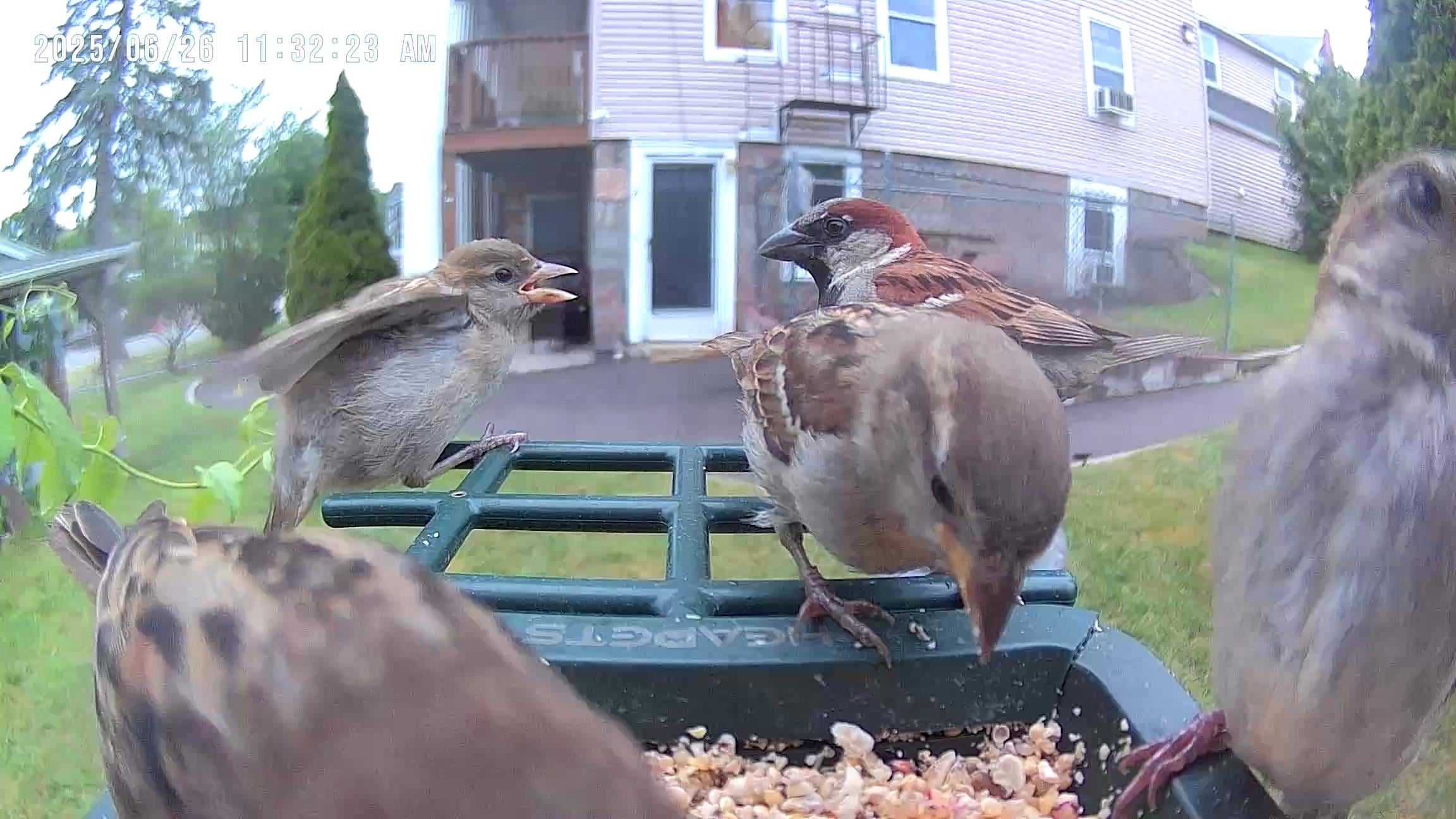
Are you staring at your bird feeder, wondering why no birds are coming to visit? It’s frustrating to set up a feeder with hope, only to see it empty day after day.
You might be missing some simple steps that can turn your feeder into a busy bird hotspot. You’ll discover the key reasons why birds might be avoiding your feeder—and how you can fix it quickly. Keep reading, and soon you’ll enjoy the cheerful visits you’ve been waiting for.

Credit: www.reddit.com
Common Reasons Birds Avoid Feeders
Birds may avoid your feeder for several reasons. Understanding these common issues helps attract more birds. Small changes can make a big difference in bird visits.
Location Issues
Placing your feeder in a busy or exposed area scares birds away. Birds prefer quiet spots near trees or shrubs. These provide shelter and a quick escape. Avoid areas with heavy foot traffic or loud noises.
Food Choices
Birds avoid feeders with unsuitable or stale food. Different birds like different seeds or foods. Black oil sunflower seeds attract many species. Avoid cheap seed mixes with fillers like red millet. Keep food fresh and dry to invite birds.
Feeder Cleanliness
Dirty feeders spread disease and repel birds. Clean feeders regularly with warm water and mild soap. Rinse well to remove any soap residue. Cleanliness encourages birds to return and feed safely.
Predator Presence
Birds avoid feeders near predators like cats or hawks. Watch for signs of predators around your feeder. Place feeders in open areas so birds can see danger. Use baffles or guards to keep predators away.
Seasonal Changes
Bird activity changes with seasons and food availability. In some seasons, natural food is abundant. Birds may not visit feeders as often. Offer food types that suit the current season. Adjust feeding habits to match bird needs.
Choosing The Right Feeder And Food
Choosing the right feeder and food plays a big role in attracting birds. Different birds prefer various feeder styles and seed types. Selecting the wrong feeder or offering unsuitable food can leave your feeder empty. Understanding bird preferences helps fill your yard with feathered visitors.
Types Of Feeders
Feeders come in many shapes and sizes. Tube feeders are great for small songbirds. Platform feeders attract a wide variety of birds, including larger species. Hopper feeders hold a lot of seed and protect it from rain. Suet feeders appeal to insect-eating birds. Choose a feeder type based on the birds you want to attract.
Best Seeds For Different Birds
- Black-oil sunflower seeds:Popular with many birds like finches, cardinals, and chickadees.
- Nyjer (thistle) seeds:Loved by finches and siskins, best in special feeders.
- Millet:Attracts ground-feeding birds like sparrows and doves.
- Peanuts:Good for woodpeckers and jays, offer in shell or shelled.
- Safflower seeds:Preferred by cardinals and some finches, less attractive to squirrels.
Avoiding Spoiled Food
Dirty or moldy seed deters birds and can cause illness. Clean feeders regularly to prevent mold and bacteria. Store seeds in a cool, dry place to keep them fresh. Remove wet or clumped seed immediately. Fresh, clean food encourages birds to visit and stay.
Optimizing Feeder Placement
Optimizing the placement of your bird feeder plays a crucial role in attracting birds. Even the best feeders can sit empty if birds don’t feel comfortable visiting them. You might have the right food, but if the location isn’t right, birds will simply avoid the spot.
Safe And Visible Spots
Birds need to feel safe before they land. Place your feeder where birds can easily see approaching predators, like cats or hawks. A spot near trees or shrubs is ideal because birds can quickly escape if they sense danger.
I once moved my feeder closer to a low branch, and almost overnight, more birds started visiting. They used the branch as a lookout point, making them feel secure. Have you checked if your feeder is too exposed or hidden from view?
Avoiding Wind And Noise
Strong winds can make it hard for birds to land and feed. Position your feeder in a sheltered area to protect it from gusts. Also, keep it away from noisy spots like near busy roads or loud machinery, since noise can scare birds away.
Think about how you feel when you’re trying to eat in a noisy, windy place—it’s the same for birds. Do you hear any constant noise near your feeder that might be bothering visitors?
Nearby Shelter And Water
Birds prefer feeders close to natural shelters like bushes or trees where they can hide quickly. Adding a water source nearby, such as a birdbath, will also increase visits because birds need water for drinking and bathing.
In my garden, once I added a small birdbath near the feeder, the number of visitors doubled. Birds stayed longer because they could drink and clean themselves in one spot. Could your feeder area benefit from a nearby water source or extra cover?

Credit: www.reddit.com
Maintaining Feeder Hygiene
Keeping your bird feeder clean is more important than many realize. Birds are sensitive to dirty feeders, which can deter them from visiting. Maintaining feeder hygiene not only attracts more birds but also protects their health.
Cleaning Frequency
You should clean your bird feeder regularly to keep it inviting. Aim for at least once every two weeks, or more often during wet weather. If you notice old seed buildup or droppings, clean it immediately to prevent any problems.
Personally, I used to clean my feeder once a month, but after noticing fewer birds, I switched to cleaning it every week. The difference was clear—more birds started showing up within days.
Preventing Mold And Disease
Mold thrives in damp seed and can make birds sick. To prevent this, always use fresh, dry seed and remove any wet or clumped seed from your feeder. Rinsing the feeder with a mild bleach solution (one part bleach to nine parts water) kills bacteria and mold effectively.
Think about this: would you eat food from a dirty dish? Birds are just as cautious. Keeping your feeder mold-free is a simple way to keep them healthy and coming back.
Reducing Threats To Visiting Birds
Birds won’t visit your feeder if they feel unsafe. Reducing threats around your feeding area is key to making it a welcoming spot. You can create a safer environment by understanding what scares birds away and taking steps to minimize those risks.
Deterring Predators
Predators like cats, hawks, and squirrels can keep birds from coming to your feeder. Installing a baffle on your feeder pole stops squirrels from climbing up and stealing food. Placing feeders away from places where cats can hide or pounce also helps.
Have you noticed birds disappearing when a neighborhood cat is nearby? That’s a clear sign predators are a problem. Using decoy owls or reflective objects can sometimes scare off hawks and other birds of prey.
Minimizing Human Disturbance
Birds are easily startled by sudden movements and loud noises. If your feeder is near a busy walkway or noisy area, birds might avoid it. Try placing your feeder in a quiet corner of your yard where you don’t often walk or make noise.
Think about your own experience—would you want to eat in a crowded, noisy spot? Birds feel the same. Watching from a distance or using a birdwatching blind can let you enjoy their visits without scaring them away.
Managing Competing Wildlife
Other animals like squirrels, raccoons, or aggressive bird species can dominate your feeder and push smaller birds away. Limiting the amount of food you put out or using feeders designed to exclude larger animals can help. You might also offer separate feeding stations to reduce competition.
Have you seen squirrels empty your feeder in minutes? That can discourage smaller birds from stopping by. Keeping your feeding area clean and checking feeders regularly prevents unwanted visitors from taking over.
Encouraging Birds Year-round
Keeping birds visiting your feeder all year takes effort. Birds have different needs in each season. Adjusting your feeding habits helps attract more birds. Creating a welcoming environment encourages birds to return often.
Adjusting For Seasonal Needs
Birds eat differently throughout the year. In spring and summer, they prefer insects and soft seeds. Offer sunflower seeds and mealworms during these months.
In fall and winter, birds need high-energy foods. Provide suet, peanuts, and nyjer seeds to help them stay warm. Clean your feeder regularly to avoid mold or disease.
Supplemental Feeding Tips
Use fresh water for drinking and bathing near the feeder. Change water daily to prevent bacteria growth.
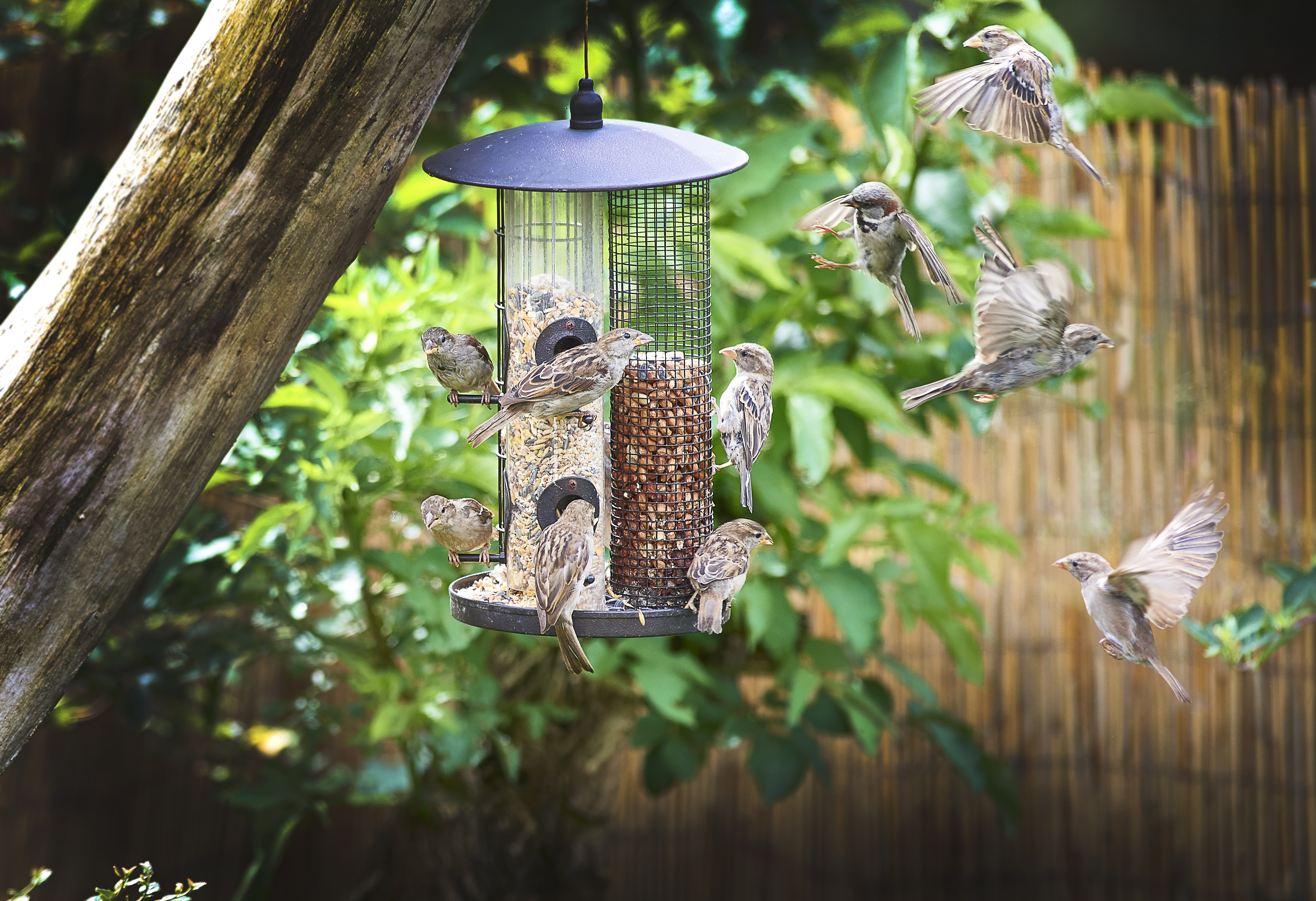
Place feeders in safe spots, away from predators and strong winds. Use multiple feeders to reduce crowding. Try hanging feeders at different heights for various bird species.
Credit: dengarden.com
Frequently Asked Questions
Why Are No Birds Visiting My Bird Feeder?
Birds may avoid feeders due to poor location, lack of food variety, or nearby predators. Ensure your feeder is visible, stocked with fresh seeds, and placed in a safe, quiet spot to attract birds effectively.
How Can I Attract More Birds To My Feeder?
Use high-quality seeds like sunflower or nyjer, place feeders near shrubs, and keep feeders clean. Providing fresh water and minimizing disturbances will also encourage more birds to visit your feeder regularly.
Could Weather Affect Bird Visits To Feeders?
Yes, extreme weather can reduce bird activity. During very hot or cold days, birds may seek natural shelter or food sources. Maintaining feeders with fresh food helps birds during harsh conditions.
Is Feeder Placement Important For Attracting Birds?
Absolutely. Place feeders where birds feel safe, away from heavy foot traffic or predators. Positioning feeders near trees or bushes offers cover and encourages birds to visit more often.
Conclusion
Birds may avoid feeders for many simple reasons. Try changing the feeder’s location or type. Keep the feeder clean and filled with fresh food. Quiet surroundings help birds feel safe to visit. Patience is key; birds take time to find feeders.
Small changes can bring birds back to your yard. Enjoy watching nature return, one bird at a time.