
Are you excited to attract colorful birds to your new feeder but find it sitting empty day after day? You’re not alone.
Many bird lovers put up feeders and wonder why birds just aren’t showing up. It can be frustrating when you’ve done everything right but still don’t see any feathered visitors. The good news is, there are simple reasons why birds might be avoiding your feeder—and easy fixes that can turn your backyard into a lively bird haven.
Keep reading to discover what might be holding the birds back and how you can invite them in for a feast.
Common Reasons Birds Avoid Feeders
Birds may avoid new feeders for several common reasons. Understanding these can help attract more birds. Sometimes, simple changes make a big difference. Observing the environment and feeder setup is key.
Location Issues
Placement affects bird visits greatly. Feeders too close to windows can scare birds away. Open spaces leave birds feeling unsafe. Choose a spot near trees or shrubs. These offer shelter and quick escape routes.
Feeder Type Matters
Different birds prefer different feeders. Tube feeders attract small birds like finches. Platform feeders welcome a variety of species. Some birds avoid feeders with perches. Match the feeder type to local bird species.
Food Choices Impact Visits
Birds are picky about food. Black oil sunflower seeds attract many species. Nyjer seeds bring finches and siskins. Avoid stale or moldy seeds. Fresh food encourages regular visits.
Predator Presence
Birds watch for predators near feeders. Cats, squirrels, or hawks can scare them away. Keep feeders away from places predators hide. Use baffles or guards to protect birds.
Environmental Factors
Weather and noise affect bird feeding habits. Strong winds or rain reduce visits. Loud noises can frighten birds. Provide feeders in calm, quiet areas. Clean feeders regularly to prevent disease.
Choosing The Right Feeder Spot
Choosing the right spot for your bird feeder is key to attracting birds. The location affects how safe and visible the feeder is. Birds want to feel secure and have easy access to food. A poor spot can leave your feeder empty for days. Focus on finding a place that meets the birds’ needs for safety, shelter, and calm surroundings.
Ideal Visibility And Safety
Place the feeder where birds can easily see it. They need a clear view to spot food and watch for predators. Open spaces near trees or shrubs work well. Avoid spots hidden by thick branches or tall grass. The feeder should be safe from cats and other threats. A visible, safe spot invites birds to visit more often.
Nearby Shelter And Cover
Birds prefer feeders near natural cover. Trees and bushes offer quick escape routes from danger. They also provide places to rest and hide. Position the feeder within 10 to 20 feet of shelter. This balance helps birds feel secure while feeding. Without nearby cover, birds may avoid the feeder.
Avoiding High Traffic Areas
Keep the feeder away from busy walkways and noisy spots. Frequent human activity scares birds away. Loud noises and sudden movements cause stress. Choose quiet corners of your yard or garden. A calm environment encourages birds to stay longer and return often.
Selecting Suitable Feeders
Choosing the right feeder is key to attracting birds to your new setup. Not all feeders suit every bird species, so matching the feeder type to your local birds can make a huge difference. You want a feeder that invites birds while being easy for you to maintain.
Types Of Feeders For Different Birds
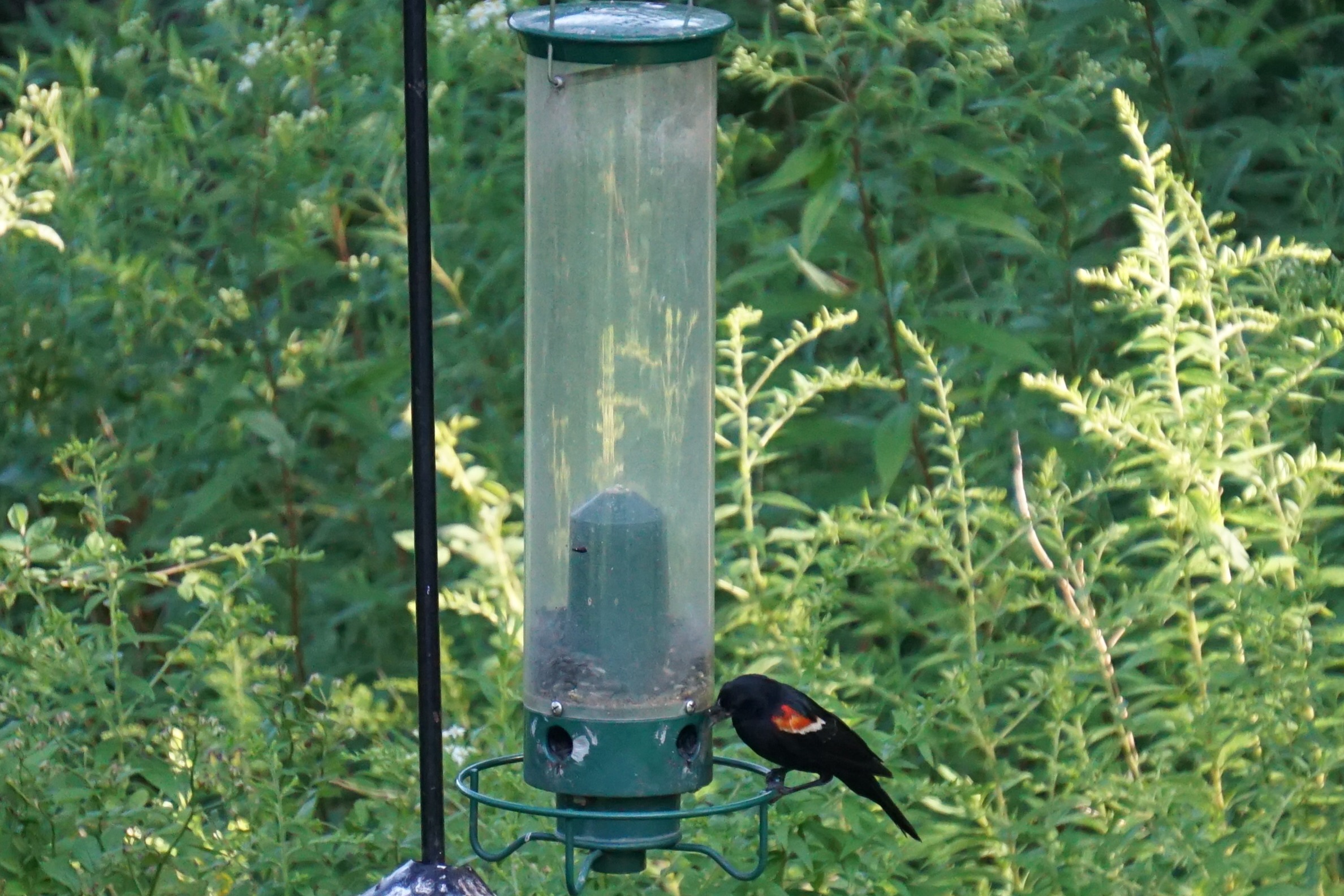
Different birds prefer different feeders based on their feeding habits and beak shapes. Tube feeders work well for small songbirds like finches and chickadees. Platform feeders are open and attract a wide variety of birds, including cardinals and jays.
Hummingbirds need specialized nectar feeders with small feeding ports. Suet feeders are perfect if you want to attract woodpeckers or nuthatches. Think about what birds are common in your area and pick feeders that suit their preferences.
Ease Of Access And Cleanliness
Birds avoid feeders that are hard to reach or dirty. Choose feeders that are simple to refill and clean regularly. Dirty feeders can spread disease and scare birds away.
Look for designs with removable trays or parts that open wide. This makes cleaning easier and faster. Ask yourself: Are you willing to clean the feeder weekly? If not, birds might stay away no matter how good the feeder looks.
Picking Bird-friendly Food
Choosing the right food for your bird feeder plays a huge role in attracting feathered visitors. Birds have specific tastes and dietary needs that vary by species and season. If your feeder stays empty, it might be time to rethink what you’re offering.
Popular Seeds And Mixes
Black oil sunflower seeds are a top choice because many birds love them. They have thin shells, making it easy for small birds to crack them open. Nyjer seeds attract finches, while safflower seeds are a favorite for cardinals and grosbeaks.
Pre-mixed seed blends seem convenient but often contain filler seeds like red millet or oats that many birds ignore. You might notice leftover seeds piling up under your feeder—this signals it’s time to switch to higher-quality options. Try offering single seed types to see which birds visit your feeder most.
Seasonal Food Preferences
Birds’ food preferences change with the seasons. In winter, high-fat seeds like sunflower and peanuts provide essential energy to survive cold weather. In spring and summer, birds often seek insects and softer foods, so adding suet or mealworms can increase visits.
Watching your feeder over time helps you understand what the local birds prefer at different times of the year. Have you noticed more finches in summer but fewer in winter? Adjusting your offerings seasonally keeps your feeder busy year-round.
Avoiding Spoiled Or Moldy Food
Old or damp seed can quickly turn moldy, which is harmful to birds. Regularly check your feeder and clean it if you see clumps or discoloration. Moldy food doesn’t just repel birds; it can cause serious illness.
Keep seeds dry by placing feeders in sheltered spots and using feeders with good drainage. Have you ever seen birds avoid your feeder suddenly? It might be time to toss out old seed and refresh with dry, clean food.
Keeping Predators Away
Predators can scare birds away from your feeder. Birds avoid places where they feel unsafe. Protecting your feeder from predators helps birds feel secure. This encourages them to visit and stay longer.
Using Baffles And Guards
Baffles are barriers that block predators from reaching the feeder. They are usually cone-shaped or cylindrical. Place them above or below the feeder to stop climbing animals.
Guards fit around poles or feeder parts. They stop squirrels and raccoons from grabbing food. Use metal or smooth plastic guards for best results. These make it hard for predators to hold on.
Safe Perching Spots
Birds need safe places to land near feeders. Avoid spots where predators can hide or jump from. Keep perches open and away from branches or walls.
Clear bushes or branches too close to feeders. This reduces surprise attacks by cats or hawks. Good visibility helps birds spot danger and feel safe.
Minimizing Cat And Squirrel Threats
Cats are skilled hunters and can scare birds away. Keep feeders away from ground level to avoid cat access. Use tall poles with baffles to block cats climbing up.
Squirrels steal food and frighten birds. Use feeders with weight-sensitive perches that close for heavy animals. Place feeders far from trees or fences squirrels use to jump.
Regularly check and clean the feeder area. Remove fallen seeds that attract unwanted animals. This keeps the area less inviting for predators.

Credit: www.reddit.com
Maintaining Feeder Hygiene
Maintaining feeder hygiene plays a crucial role in attracting birds to your new feeder. Dirty feeders can deter birds, making your efforts feel wasted. Keeping your feeder clean not only invites more visitors but also protects their health, ensuring they return frequently.
Regular Cleaning Tips
Clean your feeder at least once every two weeks, or more often if you notice dirt or mold. Use warm water and a mild soap to scrub all parts thoroughly. Avoid harsh chemicals that might leave harmful residues.
Rinse the feeder well and let it dry completely before refilling. A dry feeder prevents mold growth, which birds avoid. Have you checked your feeder’s corners and crevices? Dirt often hides there and can spoil the food.
Preventing Disease Spread
Birds can easily catch diseases from dirty feeders. To keep them safe, disinfect your feeder regularly with a solution of one part bleach to nine parts water. Soak for about 10 minutes, then rinse thoroughly.
Rotate feeding spots if possible, to reduce contamination buildup. Also, remove old or wet seed promptly to avoid bacteria growth. What steps are you taking to ensure your feeder is a healthy spot for birds to visit?
Patience And Consistency
Patience and consistency play a big role in attracting birds to a new feeder. Birds need time to find and trust the feeder. They are cautious and may avoid new objects at first. Consistent care helps birds feel safe and encourages them to visit regularly.
Allowing Time For Birds To Discover
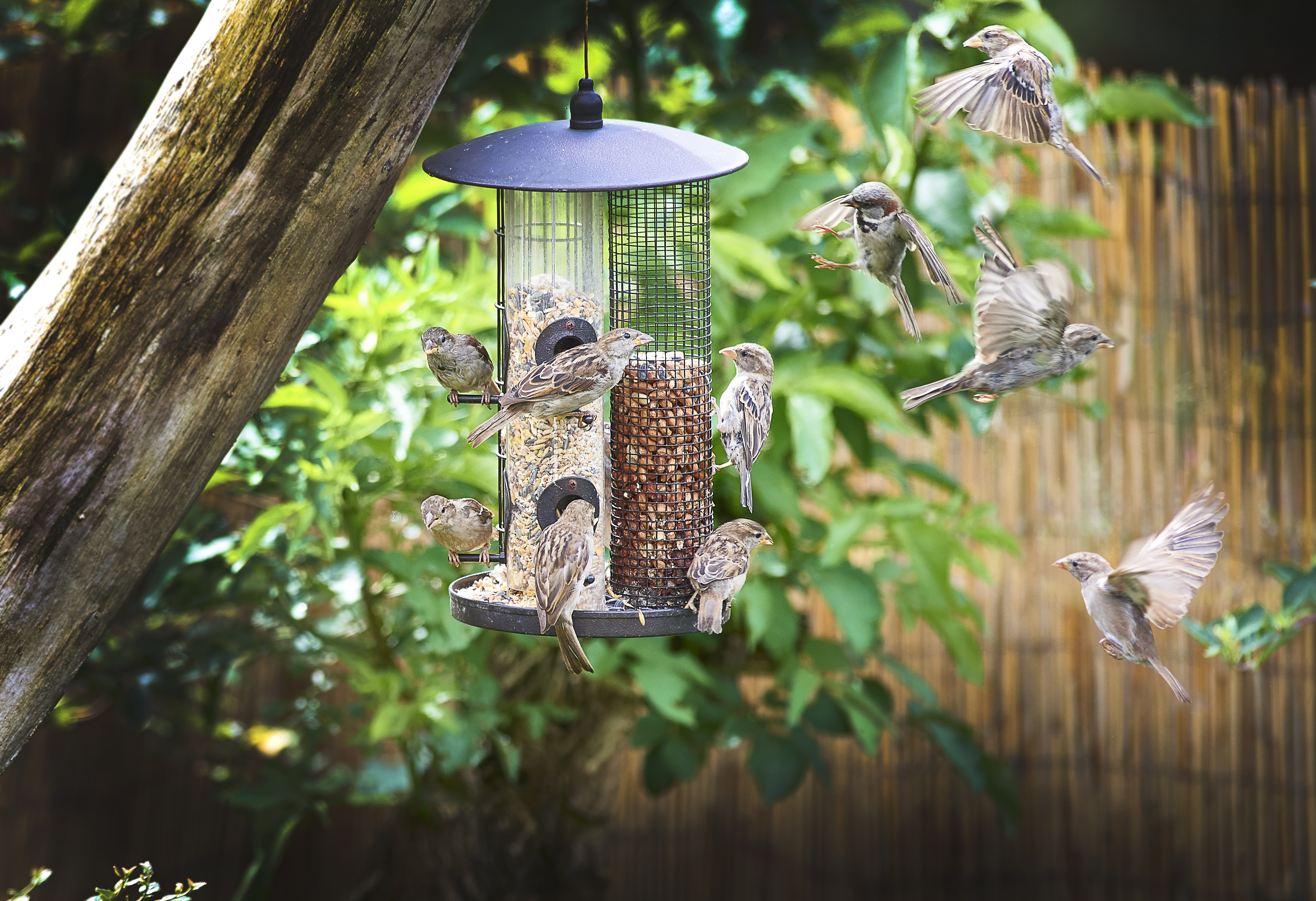
Birds do not find new feeders right away. It can take days or weeks. They watch from a distance before approaching. Quiet and calm surroundings help them feel safe. Avoid moving the feeder too much. Let birds explore at their own pace.
Regular Feeding Schedule
Birds learn patterns quickly. Filling the feeder at the same time daily builds trust. They know food will be available. Skipping days can make them search elsewhere. Keep the feeder full and clean. This shows birds the feeder is a reliable food source.
Credit: dengarden.com
Credit: www.pressherald.com
Frequently Asked Questions
Why Aren’t Birds Visiting My New Feeder?
Birds may avoid new feeders due to unfamiliarity or location issues. Place feeders near natural cover and be patient. Use fresh, high-quality seeds to attract birds. Avoid sudden changes and ensure the feeder is clean to encourage visits.
How Long Does It Take For Birds To Find Feeders?
It typically takes a few days to weeks for birds to discover new feeders. Consistency in seed supply and feeder placement helps. Local bird activity and season also affect timing. Regular maintenance and patience increase chances of early visits.
What Seeds Attract The Most Birds To Feeders?
Black oil sunflower seeds attract a wide variety of birds. Nyjer seeds are great for finches. Mixed seeds can attract different species but avoid fillers. Fresh, high-quality seeds improve feeding frequency and bird diversity.
Can Feeder Placement Affect Bird Visits?
Yes, feeder placement is crucial. Place feeders near trees or shrubs for cover and safety. Avoid noisy, busy areas to make birds feel secure. Proper height and visibility can increase feeder visits significantly.
Conclusion
Birds need time to discover new feeders. Patience is key. Ensure the feeder is clean and filled with fresh seeds. Place it in a quiet spot, away from predators. Check the seed type; different birds prefer different seeds. Also, water sources attract birds.
Birdbaths can help. Observe from a distance. Birds might visit when no one is close. Remember, each bird species has unique habits. Understanding them helps. Soon, your feeder will be busy. Enjoy watching the variety of birds visiting. It’s rewarding.
Keep trying different methods. Birds will come.