
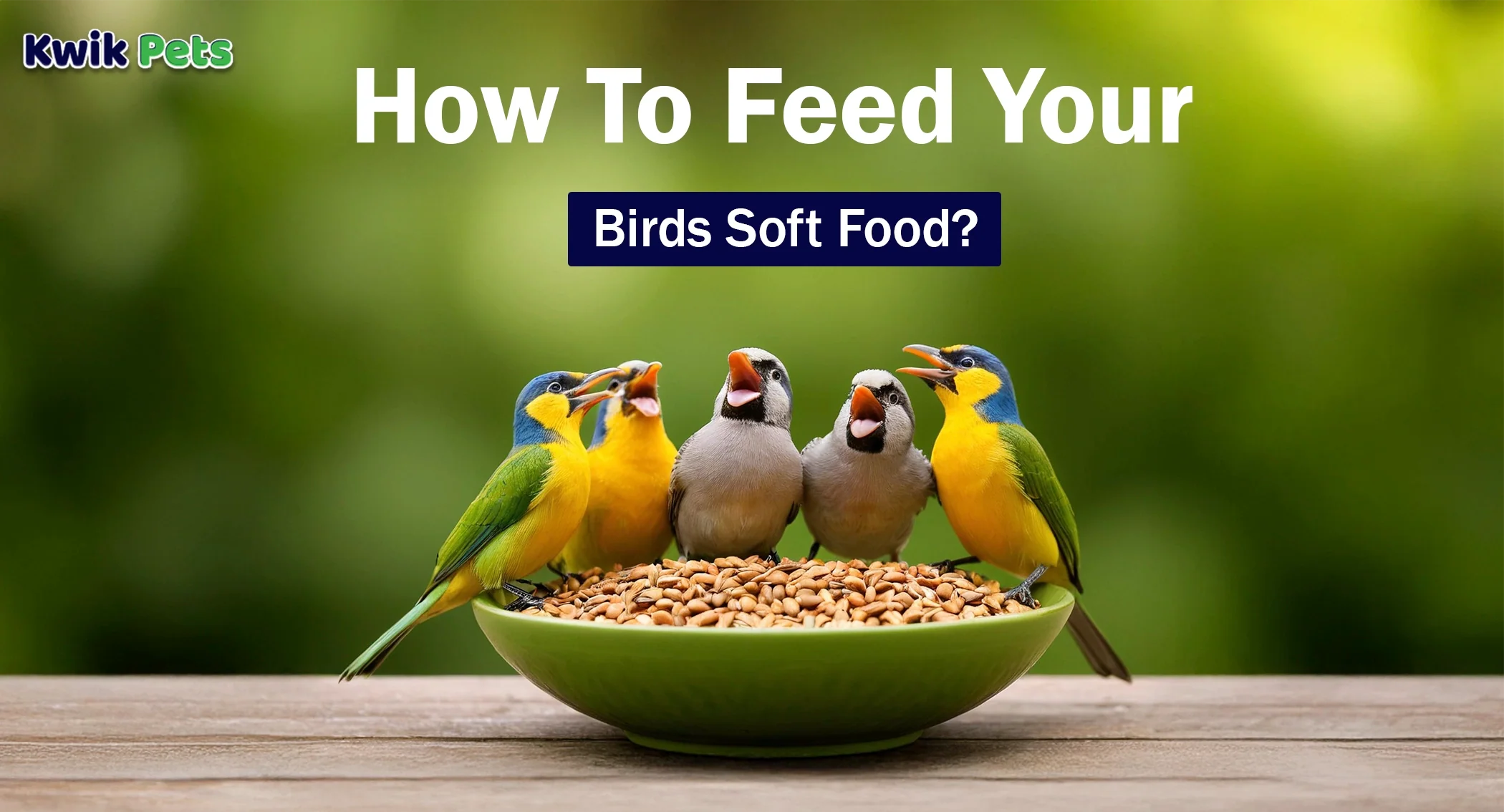
Have you ever wondered if giving your leftover dry cat food to the birds in your backyard is a good idea? It might seem like an easy way to feed them, but is it really safe and healthy for our feathered friends?
Before you toss that bowl outside, you need to know the truth about what dry cat food can do to birds. Keep reading, because the answer might surprise you—and it could change how you care for the wildlife around your home.
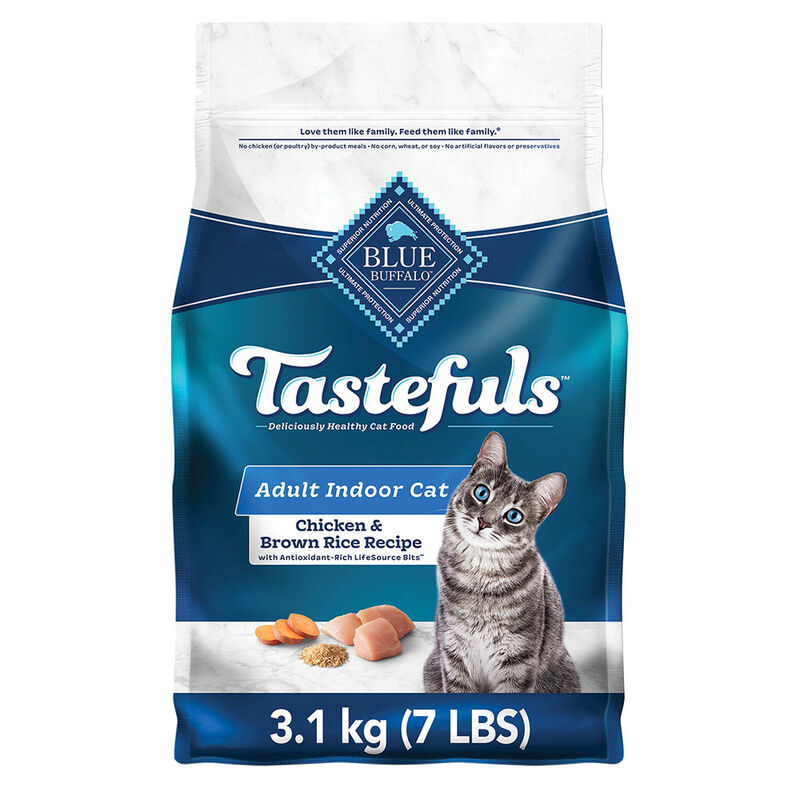
Credit: www.renspets.com
Why People Feed Birds Cat Food
Many people wonder if feeding birds dry cat food is safe. Some choose to feed birds cat food for different reasons. Understanding these reasons helps explain this practice better. It also shows why cat food is sometimes found in bird feeders.
Convenience And Availability
Dry cat food is easy to find in most homes. People often have leftover cat food. It can seem like a quick option to feed birds. Cat food does not spoil quickly outside. It stays dry and crunchy, which birds might like. Some think it saves money and time. It also feels like a good way to use extra food.
Common Misconceptions
Many believe cat food is healthy for birds. They think it provides needed protein and nutrients. Some assume birds eat anything they find. Others believe cat food is similar to bird seed. These ideas lead people to feed birds cat food often. Yet, cat food is made for cats, not birds. It can cause health problems for birds over time.
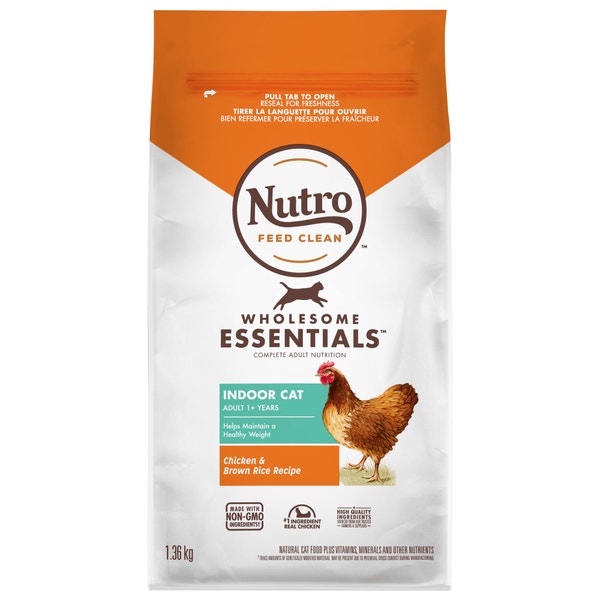
Credit: www.nutro.ca
Nutritional Needs Of Birds
Birds need a balanced diet to stay healthy and active. Their nutritional needs vary by species but generally include proteins, fats, vitamins, and minerals. Feeding birds the wrong food can lead to health issues or malnutrition. Understanding what birds require helps in choosing the right food for them.
Essential Nutrients For Birds
Birds require several key nutrients for growth and energy:
- Proteins:Important for muscle and feather development.
- Fats:Provide energy and help absorb vitamins.
- Carbohydrates:Main source of energy.
- Vitamins:Support immune system and overall health.
- Minerals:Needed for strong bones and beaks.
- Water:Vital for digestion and hydration.
How Cat Food Differs From Bird Food
Cat food is made for carnivores. It is high in protein and fat from meat. Bird food contains more seeds, grains, and plant matter. Bird diets focus on a mix of carbohydrates, vitamins, and minerals. Cat food often lacks important nutrients birds need, such as calcium and certain vitamins. The texture and ingredients in cat food may also be hard for birds to digest.
Risks Of Feeding Birds Dry Cat Food
Feeding birds dry cat food might seem like a harmless way to offer extra nutrition. However, this practice carries several risks that can harm the health and natural behavior of birds. Understanding these risks is key to making responsible choices for wild or pet birds around you.
Potential Health Problems
Dry cat food contains high protein and fat levels designed for carnivorous cats, not birds. Birds eating this food can suffer from digestive issues since their systems are not built to process such rich, animal-based ingredients.
Excess protein and fats may lead to kidney damage or obesity in birds over time. Some ingredients in cat food, like preservatives and artificial flavors, can be toxic or cause allergic reactions.
Have you noticed birds avoiding their usual food after tasting cat food? This could be a sign of discomfort or illness caused by the wrong diet.
Impact On Bird Behavior
Offering dry cat food to birds can disrupt their natural feeding habits. Birds may start depending on this unnatural food source and stop foraging for their usual seeds, insects, or fruits.
This dependence can affect their ability to survive in the wild if the cat food suddenly disappears. It might also attract more aggressive or non-native bird species, upsetting the local ecosystem balance.
Are you ready to see how your feeding choices affect the local bird community? Providing natural, species-appropriate food supports healthy behavior and biodiversity.
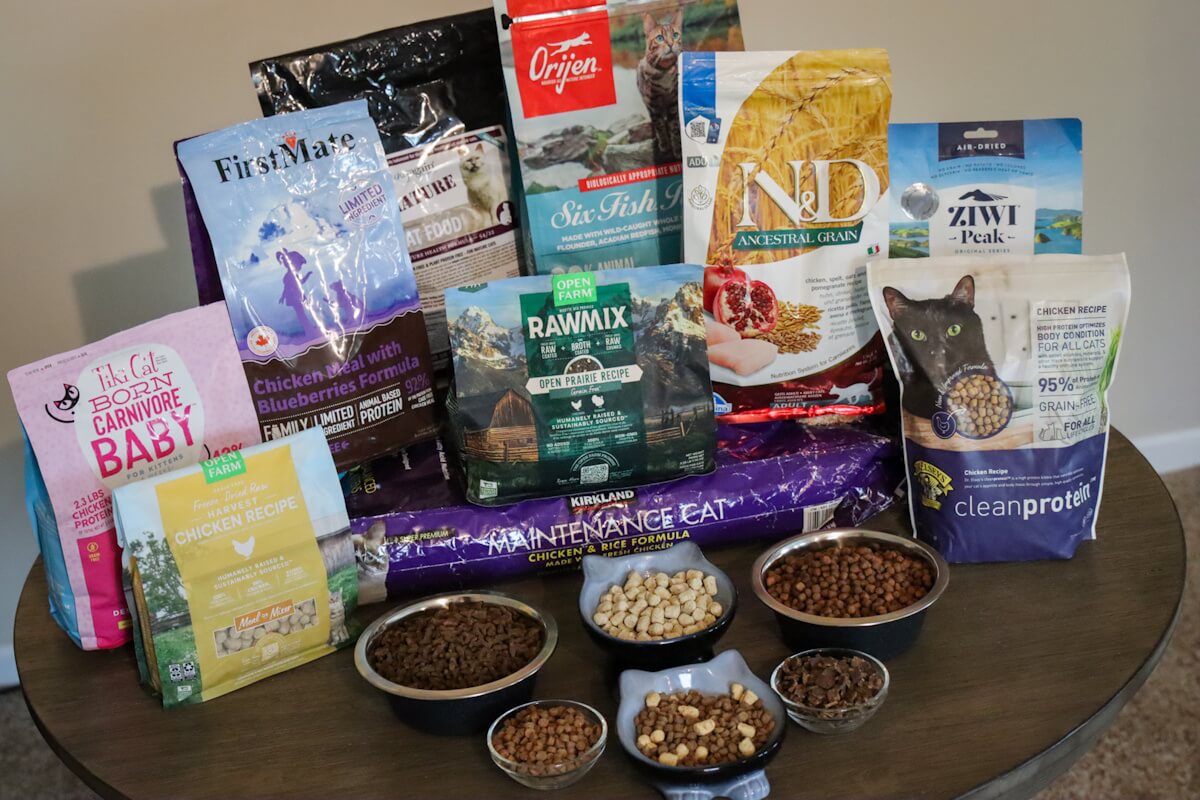
Credit: cats.com
When Cat Food Might Be Safe
Feeding birds dry cat food might seem unusual, but there are specific situations where it could be safe. Understanding when it’s appropriate can help you avoid harming the birds while providing them with extra nutrition. Let’s look at when cat food might be a suitable option for feeding wild or backyard birds.
Occasional Feeding Vs. Regular Diet
Occasional feeding of dry cat food to birds generally poses less risk than making it a regular part of their diet. Birds need a varied diet rich in seeds, fruits, and insects, which cat food cannot fully provide.
If you offer dry cat food once in a while, such as during harsh weather or when natural food is scarce, it can be a temporary energy boost. However, relying on it regularly may lead to nutritional imbalances and health problems in birds.
Ask yourself: Is this a short-term help or a long-term plan? The answer can guide how often you feed cat food to birds.
Types Of Cat Food To Avoid
Not all dry cat foods are safe for birds. Avoid those that contain artificial preservatives, high salt levels, or strong flavorings like fish or liver, which can upset birds’ digestive systems.
- Flavored cat food:Often contains additives that birds shouldn’t eat.
- Medicated or specialized diets:Formulated for specific cat health issues, potentially harmful to birds.
- Wet cat food:Can spoil quickly outdoors and attract pests.
Stick to plain, simple dry kibble without extra additives if you decide to feed it. Always observe how the birds react and discontinue if you notice any negative effects.
Better Alternatives For Feeding Birds
Feeding birds can be a rewarding experience, but it’s important to choose the right food to keep them healthy and happy. Dry cat food might seem like a quick fix, but there are better options that truly meet the nutritional needs of wild birds. Let’s look at some alternatives that attract birds naturally and provide them with the right energy and nutrients.
Natural Foods Birds Prefer
Birds thrive on a variety of natural foods that you can easily find or prepare at home. Seeds like sunflower, millet, and safflower are favorites for many species. Adding fresh fruits such as berries or chopped apples can also attract a wider range of birds.
Don’t forget about nuts and suet, especially in colder months. These foods offer high energy that birds need to stay warm and active. You might notice more visits when you provide these natural treats compared to dry cat food, which lacks essential vitamins and minerals.
Commercial Bird Food Options
If you want convenience without compromising bird health, commercial bird food blends are a smart choice. These mixes are designed specifically for wild birds and usually contain a balanced mix of seeds, grains, and sometimes dried insects.
Look for products labeled for the types of birds in your area, such as mixes for finches, cardinals, or woodpeckers. Some brands also offer fortified blends that help birds build strong feathers and resist disease. Have you ever noticed how quickly birds return to feeders stocked with proper bird food compared to unusual items like dry cat food?
Expert Recommendations
Experts in bird care and wildlife emphasize caution when considering dry cat food as bird feed. Their insights help you understand the risks and benefits, guiding you to make choices that support bird health and your local ecosystem. Let’s look at what professionals suggest about feeding birds responsibly.
Advice From Ornithologists
Ornithologists warn that dry cat food is not an ideal diet for birds. While it provides protein, it often lacks the vitamins and minerals birds need.
They point out that cat food can contain ingredients harmful to birds, such as artificial additives and salts. Birds have different digestive systems and nutritional needs compared to cats.
Some experts share that feeding birds exclusively with cat food can lead to malnutrition and even poisoning. Instead, they recommend specialized birdseed mixes or natural foods like seeds, nuts, and berries.
Tips For Feeding Wild Birds Responsibly
- Choose the Right Food:Use seed blends designed for the bird species in your area. Avoid feeding birds processed pet food regularly.
- Feed in Moderation:Overfeeding can cause dependency and disrupt natural foraging habits. Offer small amounts to supplement their diet.
- Keep Feeding Areas Clean:Remove uneaten food to prevent mold and pests. Clean feeders often to reduce disease spread.
- Observe Bird Behavior:Notice which foods attract healthy birds and adjust accordingly. Are the birds active and vibrant after feeding?
- Provide Fresh Water:Birds need water for drinking and bathing. Ensure water sources are clean and accessible.
Have you noticed changes in bird activity when offering different foods? Your observations can help you fine-tune feeding habits and keep your feathered visitors healthy.
Frequently Asked Questions
Is It Safe To Feed Birds Dry Cat Food?
Feeding birds dry cat food occasionally is not harmful but not ideal. Cat food lacks essential nutrients birds need. It should not replace their natural diet or bird-specific feed.
Can Dry Cat Food Harm Wild Birds?
Dry cat food can upset birds’ digestion if given regularly. It often contains high protein and fat unsuitable for birds. Feeding it frequently may cause health problems in wild birds.
What Are Better Alternatives To Dry Cat Food For Birds?
Better alternatives include seeds, grains, fruits, and specially formulated bird feed. These provide balanced nutrition suited for birds’ needs. Avoid processed pet foods to ensure birds stay healthy.
Will Feeding Birds Dry Cat Food Attract Unwanted Animals?
Yes, dry cat food can attract rodents, raccoons, and stray cats. These animals may harm birds or create a nuisance. Use bird-specific food to reduce unwanted visitors.
Conclusion
Feeding birds dry cat food is a debated topic. Some birds might nibble on it, but it’s not ideal. Bird diets differ from cats. They need seeds, nuts, and fruits. Dry cat food lacks essential nutrients for birds. It’s best to offer them natural bird foods.
Healthy birds mean vibrant gardens. Always prioritize what’s best for our feathered friends. Keep their dietary needs in mind. Choose wisely for their well-being. Your efforts will support a thriving bird population. A small change can make a big difference.
Happy bird watching!