
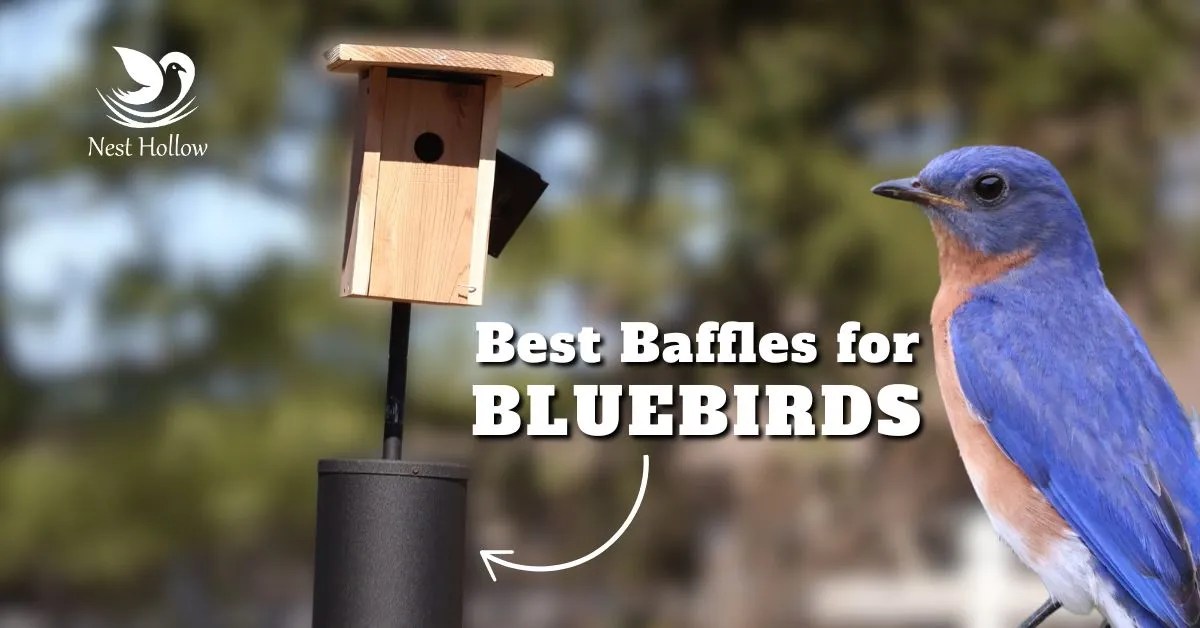
Are you tired of watching your bird feeder get damaged by rain, snow, or pesky squirrels? Protecting your bird feeder doesn’t have to be complicated or expensive.
Imagine a simple, sturdy solution you can build yourself using a stove pipe. This guide will show you exactly how to make a stove pipe bird feeder protector that keeps your feeder safe and your feathered friends happy. Keep reading to discover easy steps that anyone can follow—no special skills needed! Your birds deserve a cozy, dry spot, and you’ll love how this clever protector saves you time and money.
Materials Needed
Gathering the right materials is key to making a sturdy stove pipe bird feeder protector. The materials should be durable and safe for birds. This ensures your feeder lasts long and keeps birds safe from pests or bad weather. Below is a list of essential items you need for this project.
Choosing The Right Stove Pipe
Select a stove pipe made of galvanized steel or aluminum. These metals resist rust and last outdoors. The pipe diameter should match your bird feeder size for a snug fit. A length of about 12 to 18 inches works well. Avoid plastic pipes, as they can crack or melt in sun or cold.
Additional Supplies
- Wire mesh or hardware cloth to cover openings and keep squirrels out
- Metal cutting tools like a hacksaw or tin snips for shaping the pipe
- Drill with metal bits for making ventilation holes
- Protective gloves to avoid cuts while handling metal
- Weather-resistant paint or spray for coating and rust protection
- Zip ties or metal screws to secure mesh and parts together
- Measuring tape and marker for accurate cuts and holes

Credit: chimneycowls.uk
Tools Required
Gathering the right tools is essential to create a sturdy stove pipe bird feeder protector. Proper tools ensure clean cuts and safe assembly. Using the correct equipment makes the project easier and more enjoyable.
Cutting Tools
Sharp cutting tools help shape the stove pipe materials accurately. A hacksaw is ideal for cutting metal pipes. Tin snips work well for smaller, thinner pieces. A metal file smooths rough edges after cutting. Keep all blades sharp for clean cuts and safety.
Safety Equipment
Protecting yourself during the build is crucial. Wear sturdy gloves to avoid cuts and scrapes. Safety goggles shield your eyes from flying metal bits. Long sleeves prevent skin irritation from sharp edges. Use a dust mask when sanding or filing metal to avoid inhaling particles.
Preparing The Stove Pipe
Preparing the stove pipe is an important step in making a bird feeder protector. It ensures the pipe fits well and works effectively. Proper preparation helps protect bird feeders from squirrels and other pests. Take your time to measure and cut the pipe precisely. A well-prepared stove pipe will last longer and look neat.
Measuring And Marking
Start by measuring the length of the stove pipe needed for your bird feeder. Use a tape measure for accuracy. Mark the pipe clearly with a permanent marker or pencil. Mark both ends to guide your cutting. Double-check the measurements to avoid mistakes. Accurate marking helps you cut the pipe to the right size.
Cutting To Size
Use a saw suitable for metal to cut the stove pipe. Secure the pipe firmly in place before cutting. Follow your markings carefully to make straight cuts. Wear safety gloves and goggles for protection. Smooth the cut edges with sandpaper or a metal file. Clean cuts prevent injuries and make assembly easier.

Credit: nesthollow.com
Assembling The Feeder Protector
Assembling the stove pipe bird feeder protector is where your project starts to come alive. This part requires attention to detail and a bit of patience, but it’s also the most rewarding. You’ll see how simple shapes and secure connections can transform ordinary materials into a sturdy shield for your feeder.
Shaping And Bending
Begin by carefully bending the stove pipe sections to fit around your bird feeder’s dimensions. Use a pair of gloves and a sturdy surface to help guide the pipe without damaging it.
Don’t rush this step—slow, controlled bends prevent cracks or uneven edges. Consider making small adjustments and checking the fit frequently. Have you noticed how a slightly imperfect bend can throw off the whole assembly? That’s why precision matters here.
Securing Components
Once the shapes fit well, it’s time to secure them together. Use metal screws or strong wire ties to fasten the pieces firmly. Make sure the fasteners are tight but not so much that they deform the pipe.
Double-check all connections for stability—you want a protector that holds up to wind and curious squirrels. Adding a few extra fasteners in key spots can save you from future repairs. How often do you find that a quick fix upfront saves hours of frustration later?
Installing The Protector
Installing the stove pipe bird feeder protector is a simple task that ensures your feeder stays safe from squirrels and other pests. Proper installation helps keep birds comfortable and food intact. Pay attention to placement and securing methods to get the best results.
Placement On Bird Feeder
Place the protector just above the bird feeder’s base. It should cover the pipe where squirrels usually climb. Make sure it does not block bird access to seeds. The protector must be centered and even around the pipe. Check that birds can land and feed easily.
Securing In Position
Use sturdy wire or metal ties to fix the protector firmly. Wrap the ties around the pipe and protector tightly. Avoid loose fittings that allow movement. Trim any excess wire to prevent injury to birds. Test the protector by gently shaking it to ensure stability.

Credit: growitbuildit.com
Maintenance Tips
Maintaining your stove pipe bird feeder protector is key to keeping it functional and safe for birds. Regular care helps prevent damage and extends its lifespan. Simple tasks like cleaning and seasonal tweaks make a big difference.
Cleaning And Upkeep
Clean the feeder protector every two weeks to stop mold and dirt buildup. Use warm water and mild soap to wash the surface. Rinse thoroughly to remove all soap traces. Dry it completely before placing it back.
Check for rust or damage during cleaning. Sand down small rust spots and apply a rust-resistant paint. Replace any broken parts immediately. Keep the feeder area free of old seeds and debris to avoid pests.
Seasonal Adjustments
Adjust the protector based on the season to protect birds better. In winter, add insulation or wind barriers to shield birds from cold winds. Make sure the feeder is easy for birds to access despite snow or ice.
During summer, provide shade to prevent overheating. Move the feeder to a cooler spot if needed. Secure the protector firmly to handle strong winds in stormy seasons.
Troubleshooting Common Issues
Troubleshooting common issues helps keep your stove pipe bird feeder protector effective. Problems can reduce its lifespan and make it less useful. Paying attention to these issues ensures birds stay safe and happy at your feeder. Here are solutions to the most frequent challenges.
Dealing With Squirrels
Squirrels can damage the bird feeder protector by chewing or climbing on it. They are clever and persistent. Use these tips to keep them away:
- Apply squirrel-proof baffles above or below the feeder pipe.
- Use smooth metal surfaces to prevent climbing.
- Place the feeder away from trees or structures squirrels can jump from.
- Try adding spicy pepper to birdseed; squirrels dislike the taste.
Check the protector regularly for signs of squirrel damage. Fix holes or loose parts fast.
Weatherproofing
Rain, snow, and wind can wear down the stove pipe bird feeder protector. Proper weatherproofing extends its life. Follow these steps:
- Seal all joints and gaps with waterproof silicone or sealant.
- Use rust-resistant paint or coating on metal parts.
- Ensure the protector has drainage holes to avoid water buildup.
- Inspect for cracks or peeling paint each season.
Keep the feeder dry and sturdy by maintaining its weatherproof features. This prevents rust and rot.
Frequently Asked Questions
What Materials Are Needed For A Stove Pipe Bird Feeder Protector?
You need a stove pipe, mesh wire, screws, a drill, and weatherproof paint. These materials protect birds and feeder from squirrels and rain.
How Do I Install A Stove Pipe Bird Feeder Protector?
Cut the stove pipe to fit around the feeder pole. Secure mesh inside. Attach it firmly using screws to prevent movement.
Can A Stove Pipe Protector Keep Squirrels Away?
Yes, the metal stove pipe prevents squirrels from climbing the feeder pole. It acts as a smooth barrier they cannot grip.
How Do I Maintain A Stove Pipe Bird Feeder Protector?
Clean the pipe regularly with mild soap and water. Check for rust and repaint if needed to keep it durable and effective.
Conclusion
Crafting a stove pipe bird feeder protector is quite simple. It keeps birds safe and happy. Gather your materials and follow the steps carefully. With a little effort, you create a sturdy protector. Watch birds flock without worry. Enjoy their songs and vibrant colors.
Remember, your feeder now lasts longer. Plus, it reduces damage and mess. Happy birdwatching!