

Have you ever watched birds gently passing food to each other and wondered why they do it? It might look like a simple act of kindness, but there’s much more going on beneath the surface.
When birds pretend to feed each other, they are sending powerful messages that affect their relationships and survival. If you want to uncover the surprising reasons behind this behavior and what it reveals about bird communication, keep reading. This little-known secret will change how you see these feathered creatures forever.
Bird Feeding Behavior
Bird feeding behavior often puzzles observers, especially when birds appear to feed each other without any obvious need. This action goes beyond mere survival—it reveals complex social interactions and communication strategies. Understanding these behaviors can deepen your appreciation of how birds connect and care for one another.
Natural Feeding Habits
Birds typically gather food to nourish themselves and their young. Many species use their beaks to carry insects, seeds, or nectar directly to their chicks. This feeding is essential for growth and survival, but it also serves as a way to build bonds between mates or family members.
In some cases, you might notice adult birds feeding one another. This behavior, known as “courtship feeding,” is common among species like pigeons and doves. It helps strengthen pair bonds and signals commitment to raising offspring together. Have you ever watched birds sharing food and wondered if it’s just kindness or something deeper?
Observations In The Wild
Watching birds in the wild reveals surprising details about their feeding rituals. Sometimes, birds pretend to feed each other without actually transferring food. This can be a form of communication, showing trust or readiness to mate.
During my time birdwatching, I noticed a pair of robins going through this ritual repeatedly. One would bring an insect close, then pull back without offering it. It seemed like a test of patience and connection. Such behaviors might not always be about food but about social signals.
- Pretend feeding can reduce aggression between birds.
- It can help establish or maintain social hierarchy.
- It signals willingness to cooperate or mate.
Next time you see birds “feeding” each other, ask yourself what message they might be sending. Are they nurturing, negotiating, or simply playing a role in their social world?

Credit: www.allaboutbirds.org
Reasons Behind Pretend Feeding
Pretend feeding among birds is a fascinating behavior that often leaves observers curious. Why do birds go through the motions of feeding each other without actual food? This action serves several important purposes in their social and reproductive lives. Understanding these reasons can give you deeper insight into bird behavior and their complex relationships.
Bond Strengthening
Bonds between birds, especially mates or close group members, need regular reinforcement. Pretend feeding acts like a handshake or hug, showing trust and affection without the pressure of real feeding. This simple act helps maintain harmony and cooperation within pairs or flocks.
Think about your own friendships—small gestures keep connections strong. In the bird world, pretend feeding plays a similar role, reminding partners they rely on each other.
Courtship Displays
Many birds use pretend feeding as part of their courtship rituals. It’s a way to demonstrate care and suitability as a mate before actual feeding begins. This behavior signals commitment and willingness to support a partner.
Have you ever noticed how much effort people put into dating rituals? Birds do the same, using pretend feeding to impress and secure a partner’s trust.
Parental Practice
Young birds often observe and mimic pretend feeding before they learn to feed their chicks for real. This practice helps parents get ready for the demanding role of feeding offspring. It’s like a rehearsal that improves their skills and confidence.
If you watch closely, you might see juvenile birds engaging in this behavior as part of their learning process. It’s a crucial step to ensure the survival of the next generation.
Communication Through Feeding
Communication through feeding is a fascinating behavior observed among many bird species. It goes beyond mere nutrition; feeding interactions often carry important social messages. When birds pretend to feed each other, they engage in a complex form of non-verbal communication that strengthens bonds and conveys specific signals.
Signaling Trust
Pretending to feed another bird is a clear sign of trust. Birds are vulnerable when they allow close contact, especially near their mouths. By mimicking feeding, they show they feel safe and comfortable with each other.
You might notice this behavior between mates or close family members. It’s a way to reassure each other and deepen their connection. Have you ever seen birds gently passing food or pretending to do so? That simple act speaks volumes about their relationship.
Establishing Social Hierarchy
Feeding behavior also plays a role in defining social ranks within bird groups. Dominant birds may pretend to feed others to demonstrate control or benevolence. Subordinate birds often accept this gesture, acknowledging their place in the hierarchy.
This subtle interaction helps maintain peace and order in the flock. It reduces conflicts by clearly communicating roles without aggression. Next time you observe birds interacting, watch how feeding gestures influence their social dynamics—it might change how you see their group behavior.
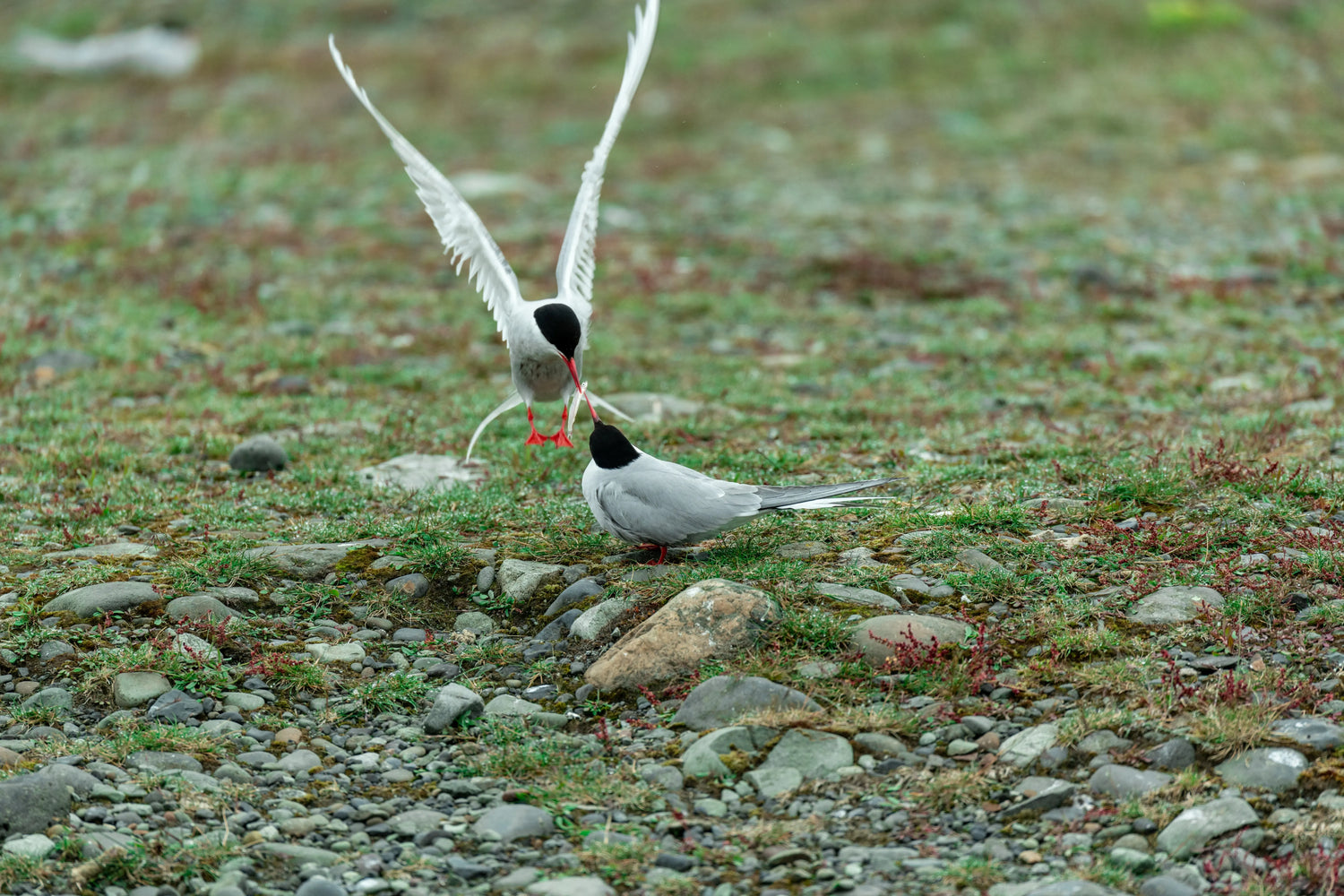
Credit: www.bilantan.com
Differences Among Species
Birds pretend to feed each other for various reasons, and this behavior varies across species. Some birds use it to strengthen bonds, while others use it for learning or courtship. The differences among species show how unique and diverse bird behaviors can be.
Understanding these differences helps us see why pretend feeding is more than just a simple action. It reflects social relationships, survival skills, and even mating rituals in the bird world.
Common Species That Pretend Feed
Many common birds show pretend feeding behavior. It often appears in species that live in groups or pairs. For example:
- Robins use pretend feeding to teach young birds to eat.
- Blue Jays share food as a way to bond with mates.
- Swallows perform feeding gestures during courtship to attract partners.
These birds use pretend feeding as a social tool. It helps build trust and strengthen family ties.
Unique Behaviors In Rare Birds
Some rare birds show unusual pretend feeding habits. These behaviors are specific to their environment and lifestyle.
- Lyrebirds mimic feeding sounds to confuse predators while feeding.
- Honeyguides lead other animals to food and pretend to feed to communicate.
- Manakins perform elaborate feeding dances to impress mates.
These unique actions highlight how pretend feeding can be creative and complex. It reflects the special needs of each species.
Impact On Bird Relationships
Pretending to feed each other is more than just a quirky behavior among birds—it plays a crucial role in shaping their social world. This act influences how birds connect, trust, and stay bonded with one another. Understanding this impact helps you appreciate the subtle social dynamics within bird communities.
Pair Bond Maintenance
Birds often pretend to feed their mates to strengthen their pair bond. This simple action reassures their partner of ongoing care and commitment. If you watch closely, you’ll notice how this behavior can reduce tension and keep the relationship stable during stressful times.
Think about it like this: you might share a small gesture or kind word with someone to show you’re still connected, even when you’re apart. Birds do the same through this feeding ritual. It’s a way to maintain trust and keep the connection alive without actual food exchange.
Group Cohesion
Beyond pairs, pretend feeding also helps maintain harmony within larger bird groups. When birds engage in this behavior, they signal friendliness and reduce competition. This act can prevent conflicts and encourage cooperation among group members.
Have you ever noticed how a small act of kindness can ease tension in your own social circle? Birds use pretend feeding similarly—it’s a social glue that helps them stay united. This behavior promotes peaceful coexistence and supports group survival.
Scientific Studies And Findings
Scientific studies have shed light on the curious behavior of birds pretending to feed each other. Researchers have used various techniques to observe and understand why this act occurs beyond simple nourishment. These findings reveal surprising social and psychological layers in bird interactions that you might not expect.
Research Methods
Scientists have used close observation and video recordings to study birds in their natural habitats. They often focus on species known for complex social behaviors, such as pigeons and crows. Controlled experiments sometimes involve mimicking feeding gestures to see how birds respond.
Field studies allow researchers to note how often and in what contexts birds pretend to feed. In labs, they can isolate variables like hunger, social bonding, or mating cues. These methods help separate genuine feeding from the pretend acts.
- High-resolution video to capture subtle movements
- Behavioral experiments with hand-reared birds
- Tracking social interactions over time
Key Discoveries
One key discovery is that pretending to feed often strengthens social bonds between birds. It acts like a social signal rather than just food sharing. This behavior appears especially during courtship or group cohesion moments.
Another finding is that younger birds use this practice to learn social skills. They mimic adults, gaining acceptance and improving their chances in the flock. This shows pretend feeding is part of their communication toolkit.
Have you ever noticed how your pet or wild birds engage in rituals that seem more about connection than survival? These studies suggest that birds use pretend feeding not just to feed but to build trust and cooperation. Understanding this can change how you observe birds in your garden or local park.
How To Observe This Behavior
Observing birds pretending to feed each other is a fascinating window into their social lives. To catch this subtle behavior, you need to know where and when to look. Patience and a keen eye will reward you with moments that reveal the complexity of bird communication.
Best Locations
Look for places where birds gather naturally, like gardens, parks, or near bird feeders. Trees with dense foliage often serve as perfect spots for these interactions since birds feel safe there. You might also find this behavior near nesting sites, where pairs bond and strengthen their relationships.
Don’t overlook quieter corners of your backyard or local green spaces. Sometimes, less crowded areas give you a better chance to watch without disturbing the birds. Have you noticed a particular spot where birds seem to interact more closely? That’s a good place to start.
Timing And Conditions
Early mornings and late afternoons are golden hours for bird activity. Birds are more social and active during these times, increasing the likelihood of seeing feeding rituals. Overcast days can also be surprisingly good since birds tend to stay closer to cover and show more interaction.
Observe the weather too—birds often avoid displays during harsh conditions like heavy rain or strong winds. Keep your sessions short and quiet; sudden movements or loud noises will scare them away. What patterns do you notice about when birds are most interactive in your area?

Credit: www.threads.com
Frequently Asked Questions
Why Do Birds Feed Each Other?
Birds often pretend to feed each other during courtship rituals. This behavior helps strengthen pair bonds and displays caregiving abilities. It’s a sign of affection and commitment. Additionally, it allows partners to assess each other’s parenting skills, ensuring that their future offspring will be well taken care of.
Is Bird Feeding A Form Of Communication?
Yes, bird feeding can be a form of communication. It signals trust and bond strengthening between partners. Through this behavior, birds demonstrate their nurturing capabilities. This helps in establishing a strong relationship, crucial for successful mating and raising offspring. It’s a non-verbal way to express care and commitment.
Do All Birds Engage In This Behavior?
Not all birds pretend to feed each other. It is most common among species with strong pair bonds. Some birds use other courtship rituals to strengthen their relationships. The behavior varies based on species, environment, and social structures. Understanding these behaviors helps in studying avian mating strategies.
Does This Behavior Benefit Their Offspring?
Yes, this behavior benefits offspring by ensuring strong parental bonds. It increases the likelihood of successful rearing. When parents have a strong bond, they work better as a team. This leads to more effective care and protection for their young, enhancing survival rates and overall species success.
Conclusion
Birds pretending to feed each other show trust and care. This behavior helps build strong bonds between them. It also teaches young birds important social skills. Watching this can make us appreciate nature more. These small acts reveal how animals communicate and connect.
Such insights help us understand animal behavior better. Nature’s quiet moments often hold deep meaning. Next time you see birds feeding, remember their secret message.