
Have you ever watched a sparrow darting freely in your garden and wished you could get a little closer? Taming a wild sparrow might sound tricky, but with the right approach, you can build trust and enjoy their company up close.
The key starts with knowing exactly what to feed them. You’ll discover simple, effective tips to attract and tame these lively birds. Stick with me, and you’ll soon have sparrows visiting you like old friends. Ready to make your outdoor space a sparrow haven?
Let’s dive in!
Choosing The Right Sparrow Species
Choosing the right sparrow species is a crucial step in your journey to tame a wild bird. Different sparrows have unique behaviors, diets, and levels of adaptability to human presence. Picking a species that matches your environment and patience level can make the taming process smoother and more rewarding.
Understanding Local Sparrow Species
Start by identifying which sparrow species are common in your area. Some species, like the House Sparrow, are more accustomed to human environments and easier to approach. Others, such as the Song Sparrow, may be more shy and require extra time to build trust.
Observing your local sparrows can give you clues about their feeding habits and comfort around people. Have you noticed which sparrows come closer to your garden or feeder?
Behavioral Traits And Temperament
Every sparrow species displays different social behaviors. Some are naturally curious and bold, making them better candidates for taming. Others tend to be skittish and prefer to keep their distance.
Think about your patience and how much time you can dedicate. A species with a calmer temperament might suit you better if you want quicker results.
Dietary Preferences
Different sparrows have varying dietary needs. While many enjoy seeds, some also like insects or fruit. Knowing what your chosen species prefers helps you provide the right food to gain their trust.
Have you tried offering a variety of foods to see what your local sparrows prefer? This small experiment can guide your feeding strategy.
Environmental Compatibility
Consider the environment where you plan to tame the sparrow. Some species thrive in urban settings, while others need more natural habitats. Matching the bird’s natural preferences with your surroundings helps ensure their comfort and willingness to stay close.
Ask yourself if your yard or balcony has the right plants, shelter, and safety for the sparrow species you want to attract.
Creating A Safe Environment
Creating a safe environment is key to taming a wild sparrow. Birds feel secure when their space is calm and familiar. This helps them trust you faster. A safe space reduces fear and encourages the sparrow to explore and eat comfortably. Let’s explore how to make such a space for your new feathered friend.
Setting Up A Comfortable Space
Choose a quiet spot away from loud noises and heavy foot traffic. Sparrows prefer calm places where they can rest without interruptions. Use a small cage or an enclosed area with natural light. Add soft bedding like shredded paper or cloth. Include perches at different heights to mimic tree branches. Provide fresh water and food dishes within easy reach.
Keep the area clean and dry to prevent illness. Place some twigs or leaves to create a natural feel. A comfortable space helps the sparrow feel at home and lowers anxiety.
Minimizing Stress Factors
Limit sudden movements near the bird. Avoid loud sounds such as shouting or banging doors. Keep other pets away to prevent scaring the sparrow. Maintain a stable temperature, avoiding drafts or extreme heat. Speak softly when near the bird to build trust slowly.
Give the sparrow time alone to rest and adjust. Stress can stop them from eating and bonding with you. Patience and a gentle approach help the bird feel safe and calm.
Building Trust With Sparrows
Building trust with sparrows is essential to tame them successfully. Sparrows are small and quick birds that can be shy around humans. Gaining their trust requires patience and gentle actions. Spending quiet time near them helps sparrows feel safe. Trust grows when sparrows see no danger in your presence.
Trust also grows through consistent behavior. Sparrows remember friendly actions and sounds. This familiarity encourages them to come closer over time. Building trust means creating a calm and predictable environment.
Approaching Slowly And Calmly
Move slowly when near sparrows to avoid startling them. Quick movements cause fear and make sparrows fly away. Stand or sit quietly at a distance first. Gradually get closer over several days. Keep your body relaxed and avoid sudden gestures. Soft, gentle movements show you mean no harm. Patience is key to help sparrows feel safe.
Using Consistent Sounds And Signals
Use the same soft sounds to let sparrows recognize you. Speak in a low and calm voice. Whistle or make gentle clicking noises if possible. Repeat these sounds regularly near their feeding area. Sparrows learn to link these sounds with safety and food. Avoid loud or sudden noises that scare them. Consistency helps sparrows trust your presence and signals.

Credit: www.youtube.com
Best Foods For Sparrows
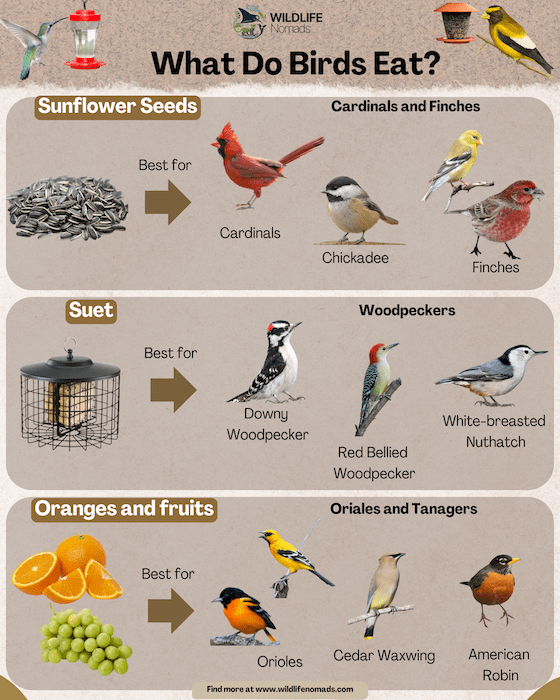
Feeding sparrows the right foods helps build trust and encourages them to stay close. Choosing natural and nutritious options supports their health and energy. Sparrows enjoy a variety of foods that match their natural diet.
Seeds And Grains
Sparrows love small seeds and grains. These foods provide essential nutrients and are easy for sparrows to eat. Common favorites include:
- Millet
- Sunflower seeds (hulled or striped)
- Cracked corn
- Oats
- Barley
Offer these in shallow dishes or feeders to attract sparrows. Fresh, clean seeds keep them healthy.
Fruits And Vegetables
Fresh fruits and vegetables add variety and vitamins. Sparrows enjoy small, soft pieces such as:
- Chopped apples (without seeds)
- Berries like blueberries and raspberries
- Peas and corn kernels
- Grated carrots
- Leafy greens like spinach
Wash fruits and veggies before offering. Remove seeds or pits that may harm sparrows.
Avoiding Harmful Foods
Some foods can hurt sparrows. Keep these away to protect their health:
- Avocado (toxic to birds)
- Chocolate and caffeine
- Salted or seasoned snacks
- Onions and garlic
- Raw beans and potato peels
Always provide clean water alongside food. This helps sparrows stay hydrated and happy.
Feeding Techniques For Taming
Taming a wild sparrow requires patience and the right feeding techniques. Feeding helps build trust between you and the bird. It encourages sparrows to come closer and feel safe around you. Using proper feeding methods increases your chances of success in taming.
Hand-feeding Tips
Start by offering food in your open palm. Choose small, soft seeds like millet or finely chopped fruits. Hold your hand steady and wait quietly. Avoid sudden movements that scare the bird. Speak softly to calm the sparrow. Gradually, the bird will learn your hand is safe. Keep feeding at the same spot and time daily. This routine helps the sparrow recognize and trust you.
Using Feeders Effectively
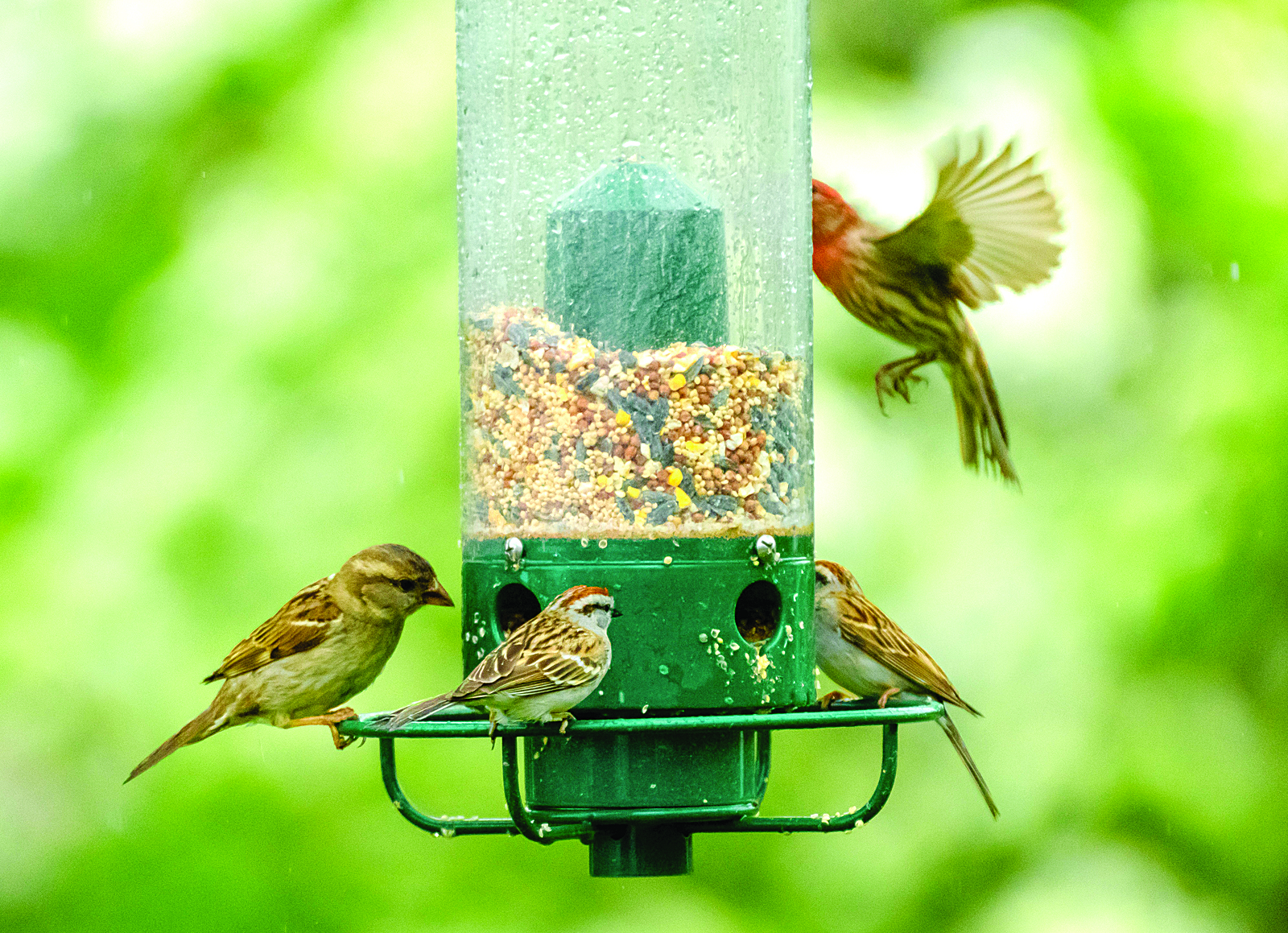
Select feeders that allow easy access for sparrows. Platform feeders or small trays work well. Place feeders in quiet, sheltered areas near bushes or trees. Refill feeders regularly with fresh seeds. Clean feeders often to prevent mold or bacteria. Use a mix of seeds favored by sparrows, such as sunflower seeds and cracked corn. Position feeders where you can watch without disturbing the birds. This encourages sparrows to feed comfortably and get used to your presence.
Credit: localgardener.net
Training Sparrows To Respond
Training sparrows to respond takes patience and gentle care. Sparrows are quick learners but need clear signals. Building trust helps them react to your presence and commands. Begin with small steps and watch their reactions closely. Consistent interaction shapes their behavior over time.
Positive Reinforcement Methods
Positive reinforcement encourages sparrows to repeat good behavior. Use treats sparingly to avoid dependency. Offer small seeds or bits of fruit as rewards. Praise softly or talk calmly to comfort the bird. Rewards should follow the desired action immediately. This helps sparrows connect the action with the treat.
- Give treats right after the sparrow responds
- Use a calm voice to praise
- Repeat training sessions daily but keep them short
- Be patient; sparrows learn at their own pace
Recognizing Sparrow Behavior
Understanding sparrow body language aids training success. Watch for head tilts and chirps; these show curiosity. Fluffed feathers may indicate stress or cold. Rapid wing movements often mean excitement or agitation. Notice when the sparrow comes close or stays away. Adjust your approach based on their comfort level.
| Behavior | Meaning |
|---|---|
| Head Tilt | Curiosity or attention |
| Fluffed Feathers | Stress, cold, or relaxation |
| Chirping | Communication or alertness |
| Wing Flicking | Excitement or nervousness |
Health And Care Essentials
Keeping a wild sparrow healthy requires attention to both its physical condition and environment. You need to watch for signs of illness early and keep its living area spotless. These actions help your sparrow stay strong and happy in your care.
Monitoring Sparrow Health
Observe your sparrow daily for changes in behavior or appearance. Healthy sparrows are active, alert, and have smooth feathers. If you notice lethargy, ruffled feathers, or unusual droppings, these could be signs of illness.
Check the bird’s eyes and beak regularly. Clear eyes and a clean beak are indicators of good health. Also, watch its eating and drinking habits closely—any sudden drop in appetite could mean something is wrong.
Have you ever noticed how quickly a small change can signal a bigger issue? Acting fast can prevent many health problems from worsening.
Maintaining Cleanliness
Cleanliness in your sparrow’s environment is crucial to prevent infections. Change bedding or cage lining frequently—ideally every few days—to avoid buildup of waste.
Wash food and water containers daily with warm soapy water. Dirty dishes can harbor bacteria that make your sparrow sick. Also, keep the cage itself clean by wiping down bars and perches regularly.
Think about how often you clean your own space and how that affects your health. Birds need the same care to thrive.
Credit: pethelpful.com
Frequently Asked Questions
What Food Is Best For Sparrows?
Sparrows thrive on a diet of seeds, grains, and fruits. Millet, cracked corn, and sunflower seeds are excellent choices. You can also offer small insects like mealworms for protein. Ensure fresh water is always available. Avoid feeding them bread or processed foods as these can be harmful.
Can You Tame A Wild Sparrow?
Yes, you can tame a wild sparrow with patience and consistency. Start by feeding them regularly at the same spot. Gradually decrease the distance between you and the bird. Use gentle, slow movements to build trust. Over time, the sparrow may become accustomed to your presence.
How Often Should I Feed A Sparrow?
Feed sparrows twice a day, once in the morning and once in the evening. Ensure food availability at consistent times to establish a routine. This helps the sparrow know when to expect food. Always provide fresh water alongside food to keep them hydrated.
What Should I Avoid Feeding Sparrows?
Avoid feeding sparrows bread, salty foods, and processed items. Bread offers little nutrition and can harm their digestive system. Salty foods can lead to dehydration and health issues. Opt for seeds and grains instead. Keeping their diet natural is crucial for their health.
Conclusion
Taming a wild sparrow takes patience and gentle care. Feed them seeds like millet and sunflower for best results. Offer fresh water daily and create a safe space. Watch their trust grow with each small step. Enjoy the simple joy of a wild bird close by.
Remember, kindness helps build a lasting bond with sparrows. Keep your feeding routine steady and calm. Soon, you will see a friend in the wild bird.