

Are you looking to attract more colorful birds to your backyard? Choosing the best bird feeder can make all the difference.
But with so many options out there, how do you know which one is right for you? The perfect bird feeder not only brings beautiful visitors but also keeps them safe and happy. You’ll discover what features to look for and which feeders stand out from the rest.
Keep reading to find the ideal bird feeder that suits your needs and turns your outdoor space into a bird lover’s paradise.
Types Of Bird Feeders
Bird feeders come in many styles, each designed for different types of birds and seeds. Choosing the right type helps attract your favorite birds and keeps the food fresh. Some feeders protect the seeds from rain and squirrels. Others let you watch birds closely. Understanding the main types makes feeding birds easier and more fun.
Tube Feeders
Tube feeders are long, narrow, and usually made of clear plastic or glass. They have small feeding ports and perches. These feeders work well for small birds like finches and chickadees. The design keeps seeds dry and clean. Tube feeders are easy to fill and hang in trees or on poles.
Hopper Feeders
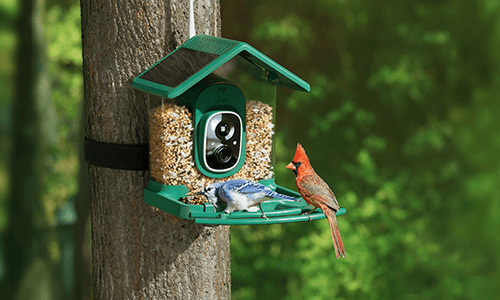
Hopper feeders look like small houses with a roof. They hold a large amount of seed inside. Birds can perch on the edges and eat comfortably. These feeders attract many bird types, including cardinals and jays. The roof helps keep seeds dry during rain. Hopper feeders often have squirrel guards to protect the food.
Platform Feeders
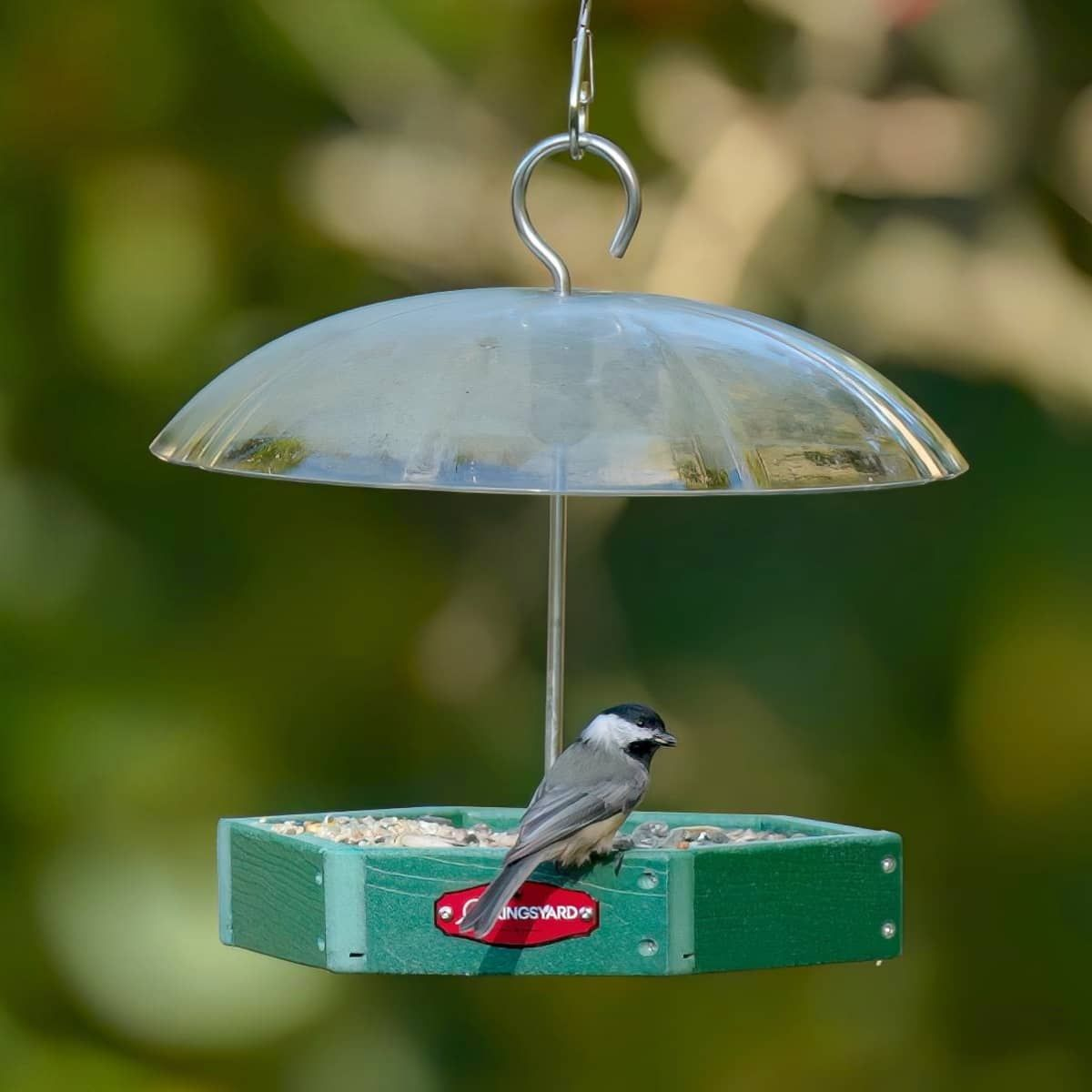
Platform feeders are flat, open trays that hold seeds or fruit. They attract a variety of birds, including larger species like doves and jays. Birds can easily spot the food and gather in groups. These feeders need regular cleaning to avoid mold. They work well in open spaces or on the ground.
Suet Feeders
Suet feeders are designed to hold suet cakes, a high-energy food for birds. They attract woodpeckers, nuthatches, and other insect-eating birds. Suet feeders often have a wire cage or mesh to hold the cake. These feeders are great in winter when birds need extra energy. Place them in shady spots to keep the suet fresh.
Window Feeders
Window feeders attach directly to glass using suction cups. They allow close-up views of birds while they eat. These feeders are usually small and hold seeds or suet. Window feeders attract small birds like finches and sparrows. They are perfect for small spaces and easy to refill from inside.
Credit: www.kingsyard.com
Materials And Durability
Choosing the right material for your bird feeder is crucial for its longevity and how well it serves your feathered visitors. Durability affects not only how long the feeder lasts but also how safe and comfortable it is for birds. Let’s look at the common materials used and what you can expect from each.
Plastic Feeders
Plastic feeders are lightweight and often the most affordable option. They are easy to clean and come in a variety of colors and designs that can attract different bird species.
However, plastic can become brittle over time, especially under harsh sun exposure. If you want to use plastic, look for UV-resistant types to prevent cracking. Have you noticed your plastic feeders fading or breaking? That’s a sign to upgrade.
Metal Feeders
Metal feeders are known for their strength and long-lasting nature. Stainless steel or powder-coated metals resist rust and withstand pecking by larger birds.
Metal feeders can handle rough weather better than plastic but might heat up in direct sunlight, which can affect seed quality. Consider placing them in shaded areas or choosing feeders with ventilation. Do you want a feeder that can stand up to squirrels and larger birds? Metal might be your best bet.
Wooden Feeders
Wooden feeders offer a natural look that blends beautifully with garden surroundings. They are sturdy and provide excellent insulation, keeping seeds fresher longer.
Wood requires more maintenance to prevent rot and insect damage. Look for feeders made from rot-resistant woods like cedar or treated wood. Think about how much time you’re willing to spend on upkeep before picking wood.
Weather Resistance
No matter the material, your feeder must handle the weather in your area. Rain, snow, and intense sun can all take a toll on feeders.
- Check if the feeder has a protective coating or paint to fend off moisture.
- Look for designs with roofs or covers that shield seeds from rain.
- Consider feeders with drainage holes to prevent water buildup.
Ask yourself: How often can you replace or repair your feeder? Choosing a weather-resistant model saves time and keeps your bird friends happy and healthy.
Choosing Feeders By Bird Species
Choosing the right bird feeder means understanding the habits and preferences of the birds you want to attract. Different species have unique feeding styles and favorite seeds. Matching feeders to these preferences can increase your chances of enjoying a lively, diverse birdwatching experience right in your backyard.
Small Songbirds
Small songbirds like chickadees, titmice, and warblers prefer feeders that offer easy access to tiny seeds. Tube feeders with small ports or platform feeders with a fine mesh work well for these birds. These feeders help keep larger, more aggressive birds away, letting the smaller ones feed peacefully.
Woodpeckers And Nuthatches
Woodpeckers and nuthatches enjoy suet feeders or feeders that mimic tree bark. Suet cakes provide high energy and attract these birds especially in colder months. You can also hang feeders with nuts or seeds placed in crevices to mimic their natural foraging habits.
Finches And Sparrows
Finches and sparrows are seed lovers who prefer feeders that hold nyjer or millet seeds. A mesh feeder or sock feeder works best for finches, allowing them to cling while feeding. Sparrows like platform feeders or hopper feeders where seeds are easily accessible and visible.
Hummingbirds
Hummingbirds need feeders designed specifically for their long, thin beaks. Look for feeders with small, bright red feeding ports to attract them. Filling these feeders with a sugar water solution offers the energy these tiny birds need, especially during migration seasons.
Placement And Installation Tips
Choosing the right spot and setting up your bird feeder correctly helps attract more birds. Proper placement ensures birds feel safe and comfortable while feeding. It also keeps the feeder clean and easy to refill. Follow these tips to place and install your feeder for the best results.
Safe Locations
Pick a quiet spot away from heavy foot traffic. Birds avoid noisy or busy places. Place feeders near trees or shrubs to offer shelter. This helps birds hide from weather and predators. Make sure the location gets some sunlight but also shade during hot hours.
Mounting Options
- Hang feeders from sturdy tree branches using strong hooks or cords.
- Use pole-mounted feeders for easy access and stability.
- Window feeders can bring birds close to your view but ensure secure attachment.
- Place feeders on deck rails using special clamps or brackets.
Make sure the feeder hangs or stands steady to avoid swinging or falling.
Avoiding Predators
Keep feeders at least 10 feet from places where cats or squirrels can hide. Avoid placing feeders near fences or low branches where predators can jump. Use baffles or guards on poles to stop climbing animals. Clear the ground below feeders to reduce hiding spots for predators. This keeps birds safe and feeding peaceful.
Feeding Tips And Maintenance
Keeping your bird feeder in top shape is key to attracting healthy, happy birds. Regular care not only helps prevent disease but also keeps the seed fresh and inviting. Let’s look at some practical feeding tips and maintenance tricks that you can easily apply to your bird feeding routine.
Cleaning Schedules
Cleaning your bird feeder regularly is essential. Aim to wash it every two weeks, or more often if you see mold or clumps of old seed. Use hot water and a mild soap, then rinse thoroughly to remove any residue that might harm the birds.
I once skipped cleaning for a month, and noticed fewer visitors. The messier feeder discouraged them, proving how important cleanliness really is.
Seed Selection
Choosing the right seed can make a big difference. Black oil sunflower seeds attract a wide variety of birds and have a high nutritional value. Avoid cheap mixed seeds that often contain fillers birds won’t eat.
Consider your local bird population—some species prefer nyjer or millet. Experimenting with different seeds might surprise you with unexpected visitors.
Preventing Mold And Spoilage
Moisture is the enemy of good seed. Keep your feeder in a dry spot and remove any wet or clumped seeds promptly. Moldy seed can harm birds and stop them from returning.
Using feeders with good drainage helps prevent water buildup. If you notice seed spoilage, dump it out and replace it quickly to maintain a safe feeding environment.
Credit: www.kingsyard.com
Common Problems And Solutions
Bird feeders attract many visitors, but they also bring common challenges. These problems can affect the feeding experience and bird safety. Knowing simple solutions helps keep your feeder functional and inviting.
Squirrel Proofing
Squirrels often steal birdseed and can damage feeders. They are agile and persistent, making them tough to stop.
- Use feeders with built-in squirrel guards or cages.
- Place feeders on poles with baffles to block squirrels climbing up.
- Choose weight-sensitive feeders that close when squirrels land on them.
- Keep the ground clean to reduce seed spillage that attracts squirrels.
Weather Challenges
Rain, wind, and snow affect bird feeders and seed quality. Wet seed can mold and harm birds.
- Select feeders with good drainage to keep seed dry.
- Place feeders in sheltered spots to reduce wind and rain impact.
- Check and refill feeders regularly to avoid mold growth.
- Use weather-resistant materials like metal or sturdy plastic.
Dealing With Aggressive Birds
Some birds may bully others and chase them away from feeders. This reduces feeding chances for shy birds.
- Offer multiple feeders spaced apart to reduce competition.
- Use feeders designed for smaller birds with small perches.
- Provide natural cover nearby for timid birds to hide.
- Fill feeders with varied seed types to attract different species.
Budget And Aesthetic Considerations
Choosing the best bird feeder means thinking about your budget and how it looks in your space. You want a feeder that attracts birds without emptying your wallet or clashing with your garden’s style. Finding the right balance between cost and design can make your bird-feeding experience more enjoyable and rewarding.
Affordable Choices
You don’t need to spend a lot to get a functional bird feeder. Many options under $20 still offer durability and attract a variety of birds. Simple tube feeders or mesh feeders often cost less and work well for beginners.
Think about materials like plastic or lightweight metal—they’re cheaper but can last if taken care of. I once bought a basic plastic feeder for less than $15, and it lasted three seasons with regular cleaning. Could a budget-friendly feeder like this fit your yard?
Decorative Feeders
If you want your feeder to add charm, look for decorative designs that blend with your outdoor decor. Ceramic or hand-painted feeders bring color and personality to your garden. Some even resemble birdhouses or vintage lanterns, making them conversation starters.
These feeders may cost more, but they double as garden art. Consider if you want a feeder that stands out or one that blends quietly into natural surroundings. What kind of statement do you want your feeder to make?
Balancing Function And Style
Style is important, but the feeder’s function can’t be ignored. A beautiful feeder that’s hard to clean or doesn’t protect seeds from rain won’t keep birds coming back. Look for feeders with easy maintenance features and weather protection.
Try to find a model that fits both your budget and aesthetic desires without compromising on usability. Think about your local bird species and what kind of feeder they prefer—this can guide your choice. Would you rather prioritize a feeder that looks great or one that works best for your feathered friends?

Credit: www.allaboutbirds.org
Frequently Asked Questions
What Is The Best Bird Feeder For Attracting Songbirds?
The best bird feeder for songbirds is a tube feeder with small perches. It holds seeds and keeps food dry. This design attracts finches, chickadees, and sparrows effectively.
Which Bird Feeder Is Easiest To Clean And Maintain?
Hopper feeders are easiest to clean because of their simple design. They have fewer parts and large openings. This helps prevent mold and keeps seeds fresh longer.
What Bird Feeder Type Prevents Squirrels From Stealing Food?
A squirrel-proof bird feeder has weight-activated mechanisms. These close access ports when squirrels land. This protects seeds and allows birds to feed without interruption.
How Do I Choose The Best Bird Feeder For My Backyard?
Consider the bird species, feeder type, and seed preference. Location, ease of cleaning, and weather resistance matter. Choose a feeder that suits your local birds and climate.
Conclusion
Choosing the best bird feeder makes bird watching more fun. A good feeder keeps birds safe and happy. Think about the types of birds you want to attract. Also, consider where you will place the feeder outside. Easy cleaning and sturdy design matter a lot.
Keep bird food fresh and dry for best results. Enjoy nature by feeding birds with the right feeder. Small steps create a welcoming space for feathered friends. Happy bird watching!