
Have you ever wondered when is the best time to feed wild birds in your backyard? Feeding birds can bring you closer to nature, brighten your day, and support local wildlife.
But timing matters. Feed them too early or too late, and you might miss the chance to see their most active and beautiful moments. You’ll discover the perfect times to offer food that attracts a variety of birds and keeps them healthy.
Keep reading to learn how a simple change in timing can transform your birdwatching experience.

Credit: www.reddit.com
Ideal Feeding Hours
Feeding wild birds at the right time helps them stay healthy and active. Birds need energy to find food, stay warm, and avoid predators. The best hours to feed birds are usually in the early morning and late evening. These times match their natural feeding habits and daily routines. Choosing the ideal feeding hours supports local wildlife and brings more birds to your feeder.
Morning Feeding Benefits
Morning is the best time to feed birds. After a long night, birds need energy to start their day. Food in the morning helps them warm up and stay strong. Birds also search for food more actively during this time. Providing fresh seeds or suet in the morning attracts many species. Early feeding supports birds before the heat of the day arrives.
Evening Feeding Insights
Evening feeding offers birds energy to survive the night. Birds eat to build fat reserves for cold hours. Feeding late in the day helps them stay safe and warm. Evening is a quieter time, so birds feel less threatened. Offering food at dusk can bring shy or rare birds to your yard.
Avoiding Midday Feeding
Midday feeding is less effective for wild birds. During hot hours, birds eat less and rest more. Food left out in the sun can spoil quickly. Spoiled food can harm birds and attract pests. Avoid feeding at noon to keep food fresh and safe. Focus on morning and evening for the best results.
Seasonal Feeding Tips
Feeding wild birds changes with the seasons. Birds have different needs as the weather shifts. Knowing the right foods and feeding habits helps birds stay healthy year-round. Seasonal feeding supports bird survival and encourages visits to your garden.
Feeding In Winter
Winter is the toughest season for wild birds. Cold weather makes food scarce. Offer high-energy foods like sunflower seeds and suet. Keep feeders clean and filled daily. Provide fresh water that won’t freeze. Shelter nearby helps birds stay warm.
Spring And Summer Considerations
Spring and summer bring more natural food. Birds eat insects and fruits during these months. Offer seeds less often but keep water available. Avoid feeding bread or junk food. Clean feeders regularly to prevent disease. Plant native flowers to attract insects and birds.
Autumn Adjustments
Autumn is a time for birds to prepare for winter. They need extra food to build fat reserves. Increase seed and nut offerings now. Remove feeders gradually as natural foods become scarce. Keep water sources open before freezing sets in. Watch for migrating birds that may stop by.
Types Of Bird Food
Wild birds have varied diets, which depend on their species and the season. Offering the right types of food attracts more birds to your garden. Different foods provide different nutrients that birds need for energy and health. Knowing what to offer helps you feed birds safely and effectively.
Seeds And Grains
Seeds and grains are popular foods for many wild birds. Black oil sunflower seeds are a favorite for species like cardinals and finches. Millet and cracked corn attract sparrows and doves. These foods are easy to store and offer birds essential fats and proteins. Seed mixes can provide variety and appeal to many bird types.
Fruits And Nuts
Fruits and nuts supply important vitamins and energy. Birds such as robins and waxwings enjoy berries like blueberries, raspberries, and grapes. Pieces of apple or orange also work well. Nuts like peanuts and almonds attract jays and woodpeckers. Always offer unsalted and fresh nuts to keep birds healthy.
Suet And Mealworms
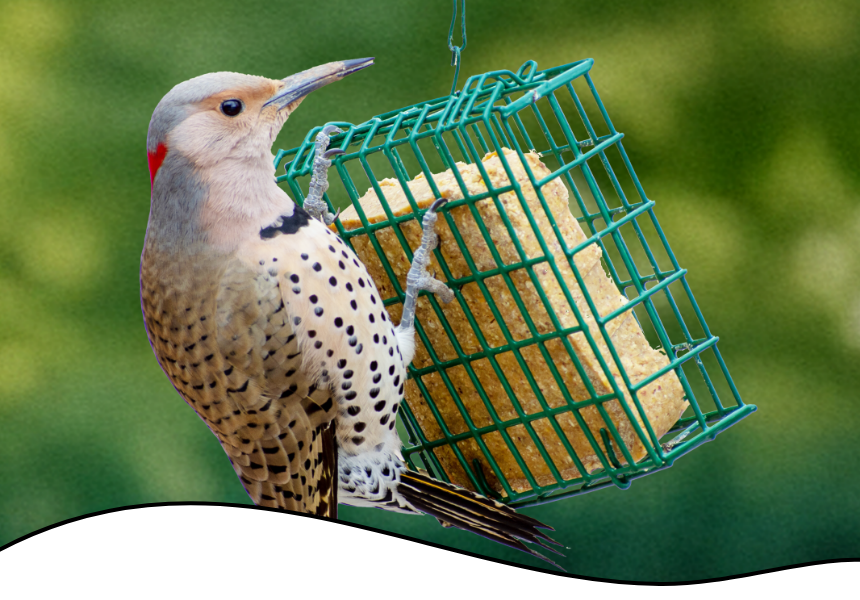
Suet is a high-energy food made from animal fat. It is perfect for colder months when birds need extra calories. Woodpeckers, nuthatches, and chickadees love suet cakes. Mealworms provide protein and are great for insect-eating birds. They attract bluebirds and wrens, especially during breeding season.
Feeding Location Choices
Choosing the right spot to feed wild birds can make a big difference in attracting them and keeping them safe. The location you pick affects how comfortable birds feel and how often they visit your feeder. Thoughtful placement also helps you enjoy watching these feathered visitors without disturbing their natural behavior.
Safe Spots For Birds
Birds need places where they can eat without feeling threatened. Look for areas near trees or shrubs that provide quick cover. This way, birds can quickly hide if danger appears.
Try placing feeders near natural foliage but not too close to windows to avoid collisions. You might notice more visits when feeders are in spots that offer a clear view for birds to watch for threats.
Avoiding Predators
Keeping birds safe from predators is crucial. Avoid placing feeders too close to areas where cats or other animals can easily hide and pounce.
Consider hanging feeders high enough and away from fences or walls that predators use to sneak up. Have you ever seen a bird hesitate before landing? Often, they sense danger nearby and choose safer spots.
Sheltered Feeding Areas
Wind and weather can discourage birds from feeding. Positioning feeders in sheltered areas helps protect birds from harsh elements like strong wind or heavy rain.
Think about placing feeders near dense bushes or under tree branches that offer some cover. This not only keeps birds comfortable but also helps keep seeds dry and fresh for longer.
Maintaining Bird Feeders
Maintaining bird feeders is key to attracting healthy, happy wild birds. Clean, fresh feeders keep birds safe from diseases and encourage regular visits. Regular care also extends the life of your feeders and improves the feeding experience.
Cleaning Frequency
Clean bird feeders at least once every two weeks. Increase cleaning during rainy or humid weather to prevent bacteria growth. Use warm water and mild soap to wash all parts. Rinse thoroughly to remove soap residue. Dry completely before refilling to avoid mold.
Preventing Mold And Spoilage
Mold can harm birds and spoil seeds quickly. Check feeders daily for wet or clumped seeds. Remove old or damp seed immediately. Store seeds in a cool, dry place. Use feeders with good drainage to keep seeds dry. Rotate seed types to prevent spoilage.
Keeping Feeders Stocked
Keep feeders filled to attract birds regularly. Refill feeders in the morning or late afternoon for best results. Avoid overfilling to reduce waste and mess. Use fresh seed and remove old, stale seed often. Monitor bird activity to adjust feeding amounts.
Credit: www.wildbirdsuets.com
Common Feeding Mistakes
Feeding wild birds seems simple but many make common mistakes. These errors can harm birds and reduce your chances to enjoy them. Understanding these pitfalls helps you feed birds safely and effectively.
Overfeeding Risks
Giving too much food causes health problems for birds. Leftover food attracts pests and spreads disease. Birds may become dependent on feeders and stop searching for natural food. Limit food amounts to what birds eat in a day.
Inappropriate Food Types
Not all foods are safe for wild birds. Bread, salty snacks, and processed foods harm birds’ digestion. Offer seeds, nuts, and fruits suited to local species. Avoid foods with mold or additives.
Ignoring Bird Behavior
Birds have feeding habits that need respect. Feeding at wrong times can scare them away. Crowded feeders cause stress and fights. Watch birds’ patterns and adjust feeding time and feeder size accordingly.
Credit: northasheville.wbu.com
Frequently Asked Questions
What Time Of Day Is Best To Feed Wild Birds?
Early morning is ideal for feeding wild birds. They are most active and searching for food then. Providing food in the morning helps them replenish energy lost overnight. Consistent feeding times also help birds learn when to visit your feeders.
Should I Feed Wild Birds Year-round?
Yes, feeding wild birds year-round is beneficial. Different seasons present unique challenges for birds. In winter, food is scarce; in spring, they need energy for nesting. Summer and fall are vital for molting and migration preparation. Consistent feeding supports their health and survival.
How Does Weather Affect Bird Feeding Times?
Weather impacts bird feeding habits significantly. During cold or wet conditions, birds need more energy. They will visit feeders more frequently during adverse weather. On sunny, mild days, they may rely more on natural food sources, visiting feeders less often.
Is It Important To Feed Birds At The Same Time Daily?
Yes, consistency in feeding times benefits wild birds. Birds quickly learn feeding schedules and adjust their visits accordingly. Regular feeding helps them rely on your feeders as a dependable food source, especially during times of scarcity or harsh weather conditions.
Conclusion
Feeding wild birds at the right time helps them stay healthy and strong. Early morning and late afternoon are the best moments. Birds search for food when they are most active. Offering food during these times attracts more birds to your yard.
Keep feeding regular to support them year-round. Watch and enjoy their visits while helping nature thrive. Simple care makes a big difference for wild birds. Start feeding smart today and see the joy it brings.