

Have you ever watched a bluebird family and wondered how the parents manage to feed their hungry chicks? It’s more fascinating than you might think.
Bluebird parents have a unique way of making sure their young get all the nutrition they need to grow strong and healthy. If you want to discover the secrets behind their feeding habits and learn what makes these birds such dedicated caregivers, keep reading.
Your curiosity about nature is about to be rewarded with some surprising and heartwarming details.
Blue Bird Parenting Habits
Bluebird parents show strong care and teamwork in raising their young. Their parenting habits focus on providing constant food and protection. Both parents share important roles to help their chicks grow healthy and safe. They prepare the nest carefully and choose a perfect spot to keep their babies secure.
Roles Of Male And Female Parents
Both male and female bluebirds work together to feed their young. The female usually stays close to the nest to keep the babies warm and safe. The male searches for food like insects and worms. He brings the food back to the nest. Sometimes, the male also helps keep watch for danger.
Parents take turns feeding the chicks. They feed the babies small, soft food easy to swallow. This teamwork ensures the chicks never go hungry. Both parents protect the nest from predators and keep it clean. Their combined effort helps the young bluebirds grow strong.
Nest Preparation And Location
Bluebirds build their nests in quiet, hidden places. They prefer tree holes or specially made birdhouses. The female gathers soft materials like grass, leaves, and feathers. She arranges these materials to make a warm, cozy nest. The nest keeps the eggs safe and eggs warm.
The location is important to protect the young from weather and predators. The nest is often placed high off the ground. This height keeps snakes and other animals away. Cleanliness is key, so parents remove waste regularly. This helps stop diseases and keeps the nest healthy.
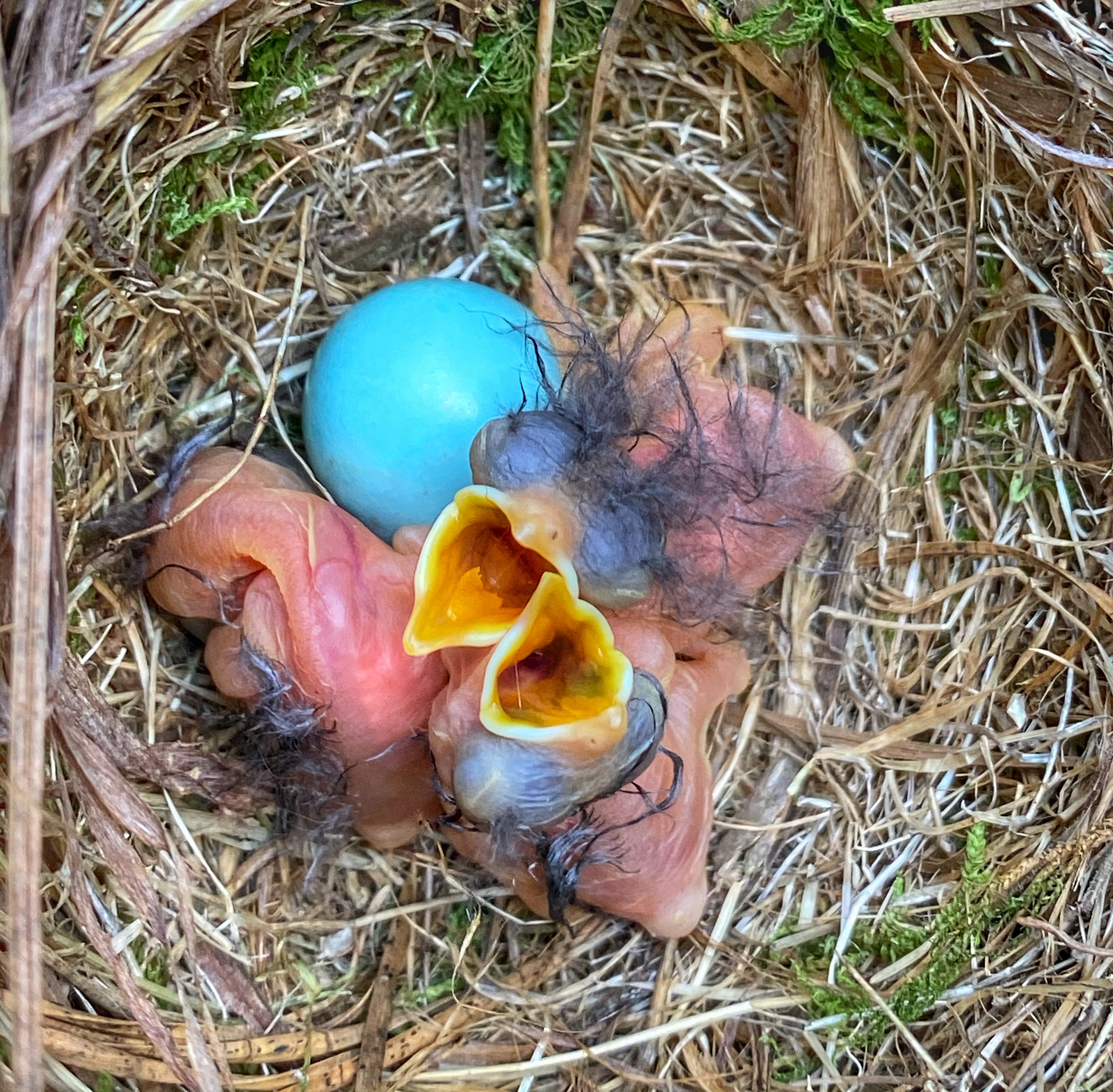
Credit: roadsendnaturalist.com
Feeding Techniques
Bluebird parents have developed specific feeding techniques that ensure their young receive the right nutrition to grow strong and healthy. Watching these birds in action reveals a carefully choreographed process where each movement is purposeful and efficient. Understanding these techniques can give you a deeper appreciation of how nature supports the delicate early stages of life.
Types Of Food Offered
Bluebird parents mainly feed their chicks insects and small invertebrates. These protein-rich foods provide essential nutrients for rapid growth. Occasionally, they include berries and fruits, especially later in the nesting period when the chicks can digest softer foods.
Think about the variety of insects they gather, such as beetles, caterpillars, and grasshoppers. This diversity helps cover different nutritional needs and keeps the chicks interested in their meals. Have you ever noticed how picky children can be? Bluebirds seem to naturally provide a balanced diet without any fuss.
Frequency Of Feeding
Bluebird parents feed their young frequently throughout the day. On average, chicks receive food every 5 to 10 minutes. This steady supply keeps their metabolism high and supports fast growth.
In the early days after hatching, the feeding rate is even higher. Parents rarely rest, making constant trips to and from the nest. You might wonder how they manage such an intense schedule. It’s a remarkable example of parental dedication.
Methods Of Food Delivery
Parents use their beaks to carefully transfer food directly into the chicks’ mouths. This ensures the young birds get the food quickly and safely. They often open the chicks’ wide mouths with a gentle nudge, signaling it’s feeding time.
Sometimes, the food is partially broken down before feeding, making it easier for the chicks to digest. This hands-on approach may remind you of how you might feed a toddler, making sure they get just the right bite each time. Could watching this teach us something about patience and care in feeding?
Nestling Growth And Nutrition
Watching blue bird parents care for their young reveals a fascinating journey of growth and nutrition. Nestlings depend entirely on their parents for food, which directly impacts their development and survival. Understanding how their nutritional needs change can help you appreciate the delicate balance these birds maintain to raise strong, healthy offspring.
Nutritional Needs At Different Stages
Bluebird nestlings require varying nutrients as they grow. In the first few days, parents focus on soft, easily digestible insects like caterpillars and beetle larvae. These provide the protein essential for rapid cell growth.
As nestlings age, their diet shifts to include more diverse insects and small fruits. This mix boosts energy and supports feather development. The parents carefully adjust feeding frequency and food type to match their chicks’ changing needs.
Have you ever noticed how parents bring different prey items throughout the day? This variety ensures the young get a balanced diet without missing key vitamins and minerals.
Signs Of Healthy Feeding
Healthy nestlings show clear signs of good nutrition. Listen for frequent, loud begging calls—this usually means they are active and their hunger is being met.
Look for steady growth in size and weight. Well-fed chicks have smooth, shiny feathers and bright eyes. On the other hand, sluggish behavior or excessive quietness might indicate a problem.
One afternoon, I observed a bluebird nest where the parents fed the chicks almost every 10 minutes. The chicks grew quickly and appeared vibrant. It made me realize how crucial constant feeding is for nestling health.
Are you curious about how you could support local bluebird populations during nesting season? Providing safe, pesticide-free habitats can help ensure parents find the right food for their young.

Credit: www.youtube.com
Challenges In Feeding
Feeding young bluebirds is not an easy task. Parent birds face many challenges daily. These challenges affect how well they can feed their chicks. Understanding these difficulties helps us appreciate the effort of bluebird parents.
Predators And Food Scarcity
Predators threaten bluebird nests and food sources. Snakes, cats, and larger birds may attack nests. Parents must stay alert to protect their young. This constant danger limits the time parents spend searching for food.
Food scarcity is another big problem. Bluebirds rely on insects and berries. These can be hard to find during some seasons. When food is scarce, parents must travel farther. This reduces how often chicks get fed.
Environmental Impact On Feeding
Changes in weather and habitat affect feeding habits. Heavy rain or cold weather slows insect activity. This means fewer food options for bluebird parents. Deforestation and urban growth reduce natural food areas. Bluebird parents must adapt to these changes quickly.
Pollution also harms the insects bluebirds eat. Chemicals can reduce insect populations. This forces parents to search wider areas. Feeding young becomes more difficult and time-consuming.
Parental Communication
Bluebird parents use clear communication to care for their young. This communication is key to feeding and protecting the chicks. Both parents and chicks send signals to each other. These signals help parents know when and how to feed the young birds.
Signals Between Parents And Chicks
Chicks make soft sounds to ask for food. These calls grow louder as the chicks get hungrier. Parents listen closely to these sounds. They also watch the chicks’ open mouths and movements. Brightly colored mouths signal the chicks are ready to eat. This visual cue helps parents feed the right chick.
Coordination During Feeding
Parent bluebirds take turns feeding the chicks. They communicate quietly to avoid attracting predators. One parent may sit on the nest while the other hunts for food. When a parent returns, it signals the other to leave and search for food. This teamwork keeps the chicks fed and safe. Parents also share information about food sources through short calls.
Interesting Feeding Facts
Bluebird parents show fascinating behaviors when feeding their young. Their approach is both careful and efficient, ensuring the chicks get the right amount of nutrition at the right time. Understanding these feeding habits can give you a new appreciation for how nature supports life from its earliest stages.
Unique Behaviors
Bluebird parents take turns feeding their chicks, making sure no baby is left hungry. Both mom and dad work together, often bringing a variety of insects and small fruits to the nest.
One surprising fact is how they recognize each chick’s begging calls. The parents respond to the loudest or most urgent cries first, showing a keen sense of prioritization.
Have you ever noticed how bluebirds sometimes feed their young in rapid succession? This quick feeding helps keep the babies warm and full during cold mornings.
Adaptations For Efficient Feeding
Bluebirds have strong, pointed beaks designed to catch and carry insects with ease. Their beaks are perfectly shaped to hold multiple prey items without dropping them.
Additionally, their excellent eyesight helps them spot moving insects from afar. This skill increases their success rate in finding food quickly.
- Parents bring soft food first to match the chicks’ limited swallowing ability.
- As the chicks grow, parents switch to harder, more nutritious food.
- The feeding frequency slows down as chicks become more independent.
Next time you see a bluebird nest, watch closely—there’s a lot going on in those feeding moments that you might miss at first glance.
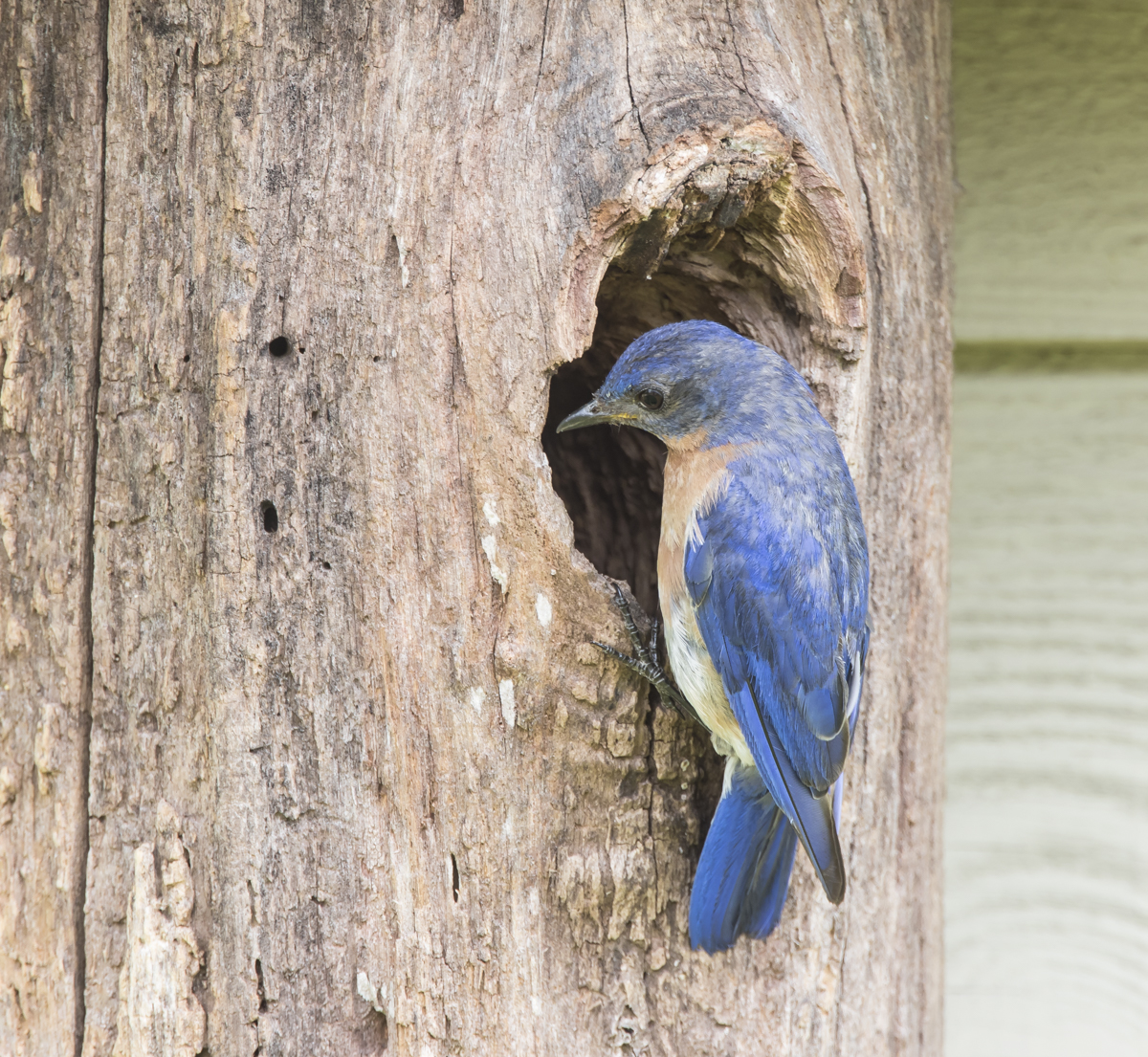
Credit: roadsendnaturalist.com
Frequently Asked Questions
How Do Blue Birds Feed Their Chicks?
Blue birds primarily feed their young with insects and caterpillars. These protein-rich meals aid rapid growth. Parents take turns hunting and feeding. They ensure constant food supply to their chicks.
What Insects Do Blue Birds Feed Their Young?
Blue birds feed their young a variety of insects including caterpillars, beetles, and grasshoppers. These insects are high in protein. This diet helps in the healthy development of the chicks.
How Often Do Blue Birds Feed Their Young?
Blue bird parents feed their young approximately every 15 to 20 minutes. This frequent feeding ensures chicks receive adequate nutrition. It supports their rapid growth and energy needs.
Do Blue Bird Parents Share Feeding Duties?
Yes, both male and female blue birds share feeding responsibilities. They take turns hunting and feeding their chicks. This teamwork ensures constant care and nourishment for the young.
Conclusion
Blue bird parents work hard to feed their young every day. They bring insects and worms to the nest. Both parents share the feeding duties equally. This care helps the chicks grow strong and healthy. Watching their feeding habits shows nature’s simple beauty.
It reminds us how animals nurture their babies. Feeding is a key part of blue bird family life. Understanding this helps us appreciate these birds more. Nature’s care is clear in every feeding trip.